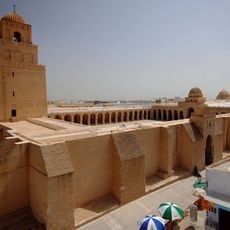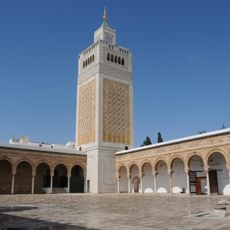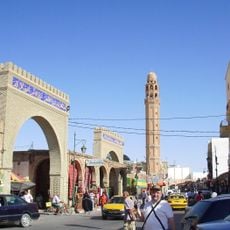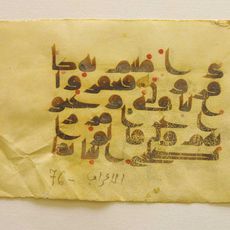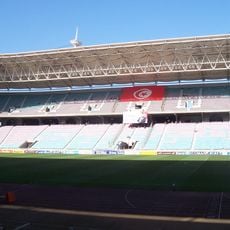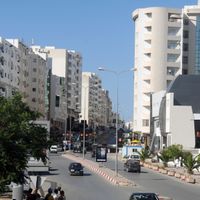
Tunisia, Mediterranean country in North Africa
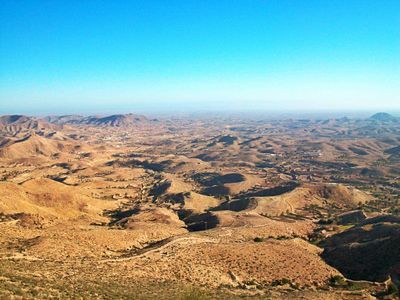
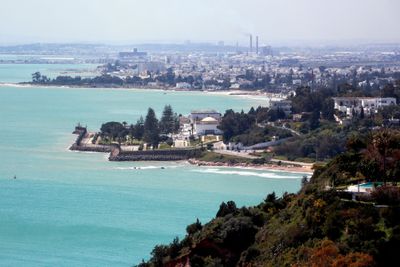
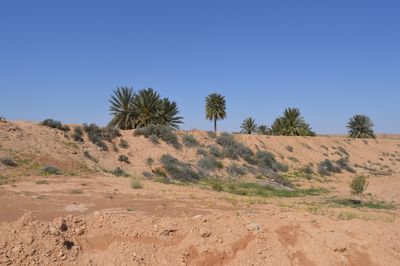
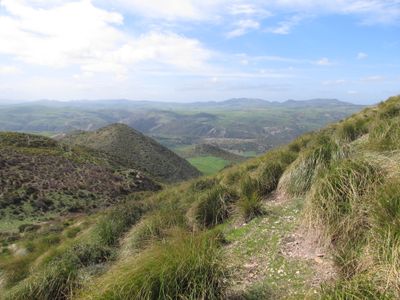
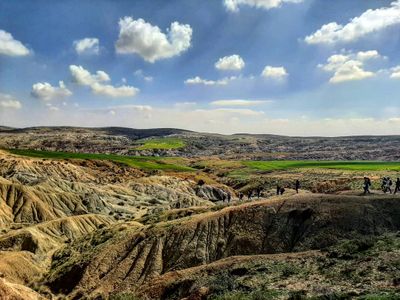
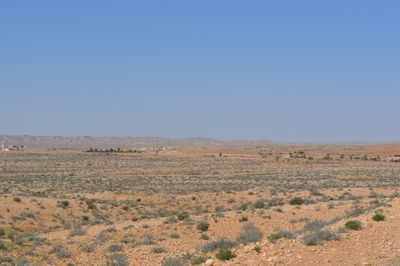
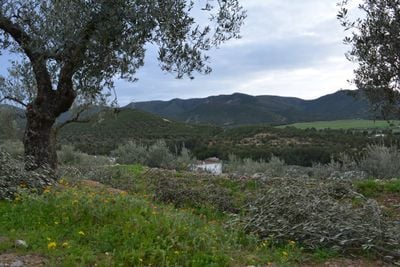
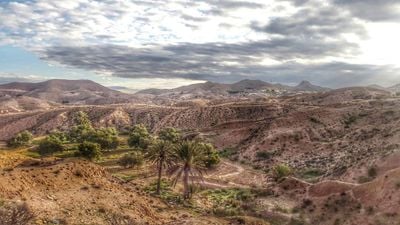
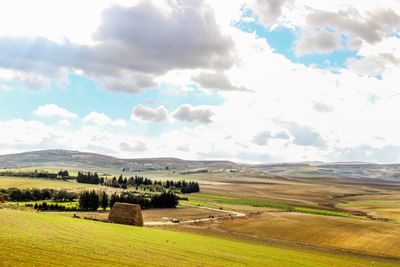
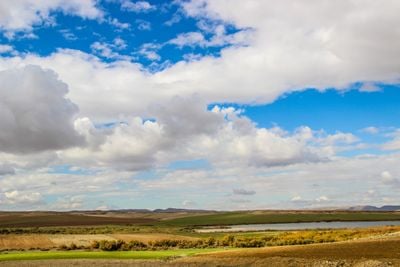
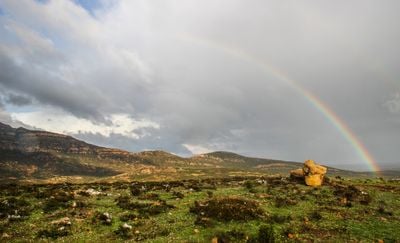
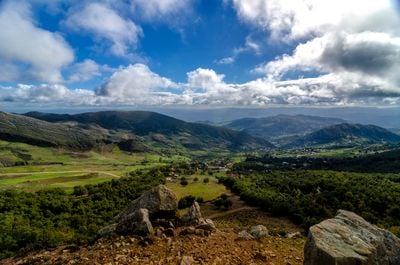
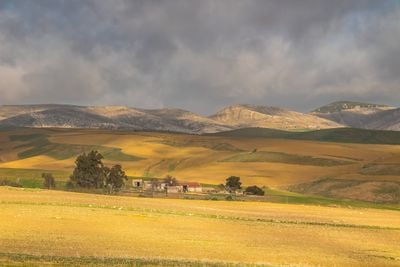
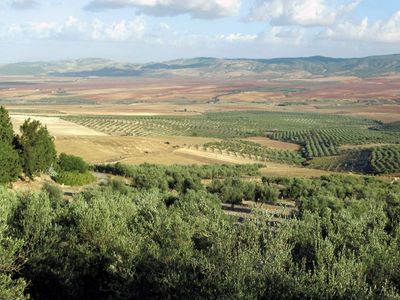
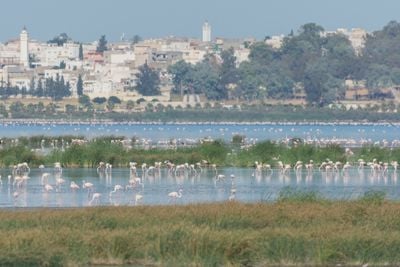
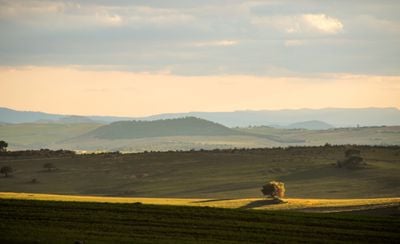
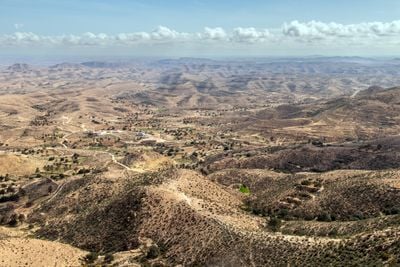
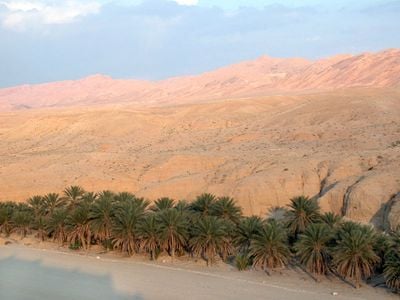
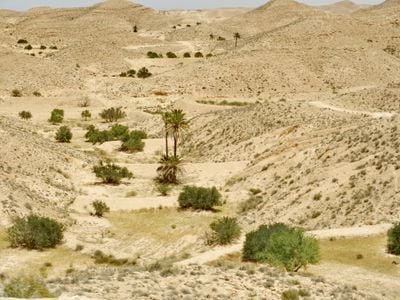
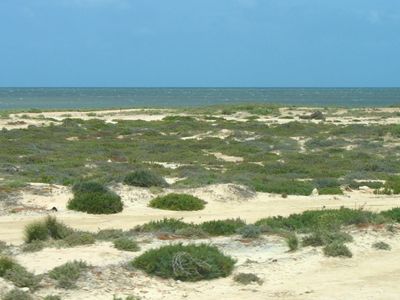
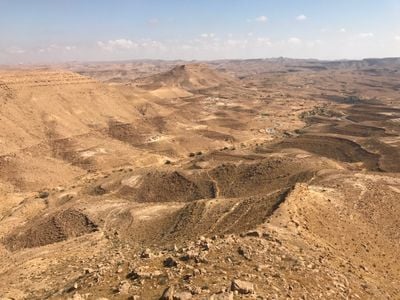
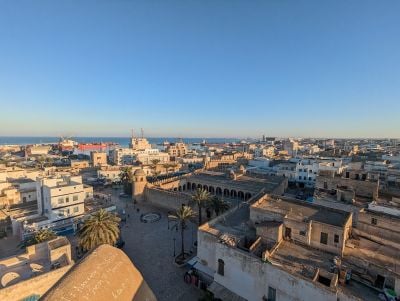
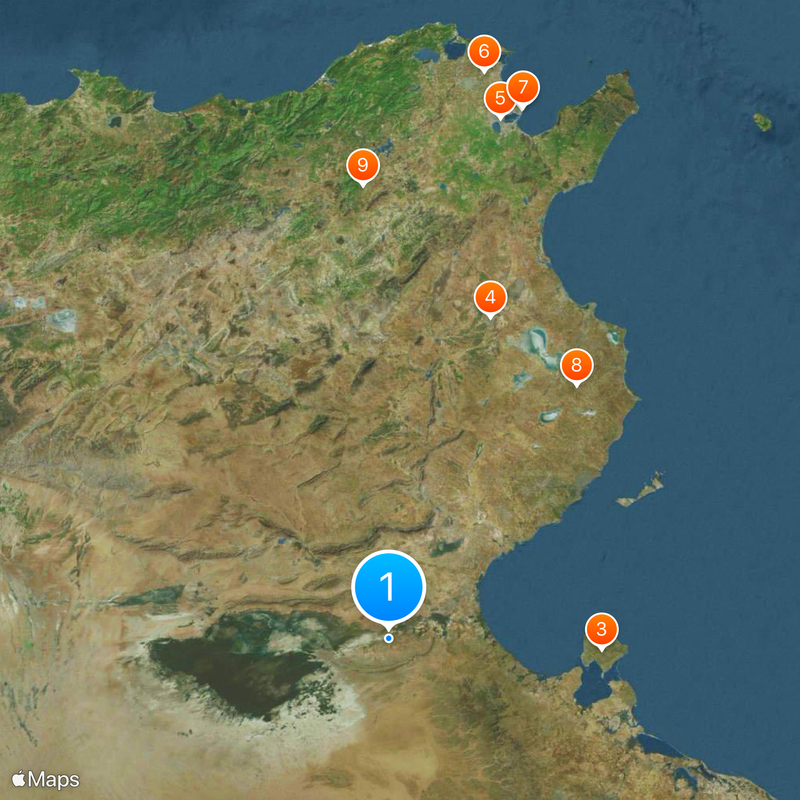
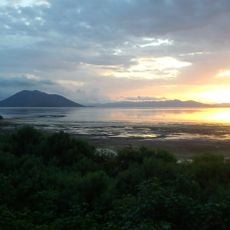
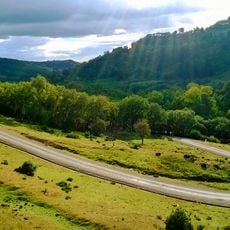
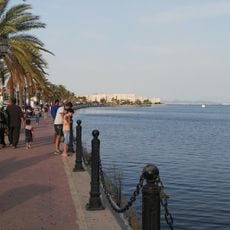
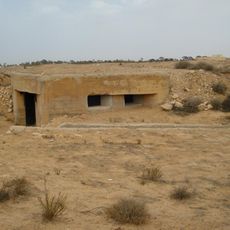
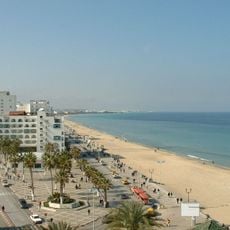
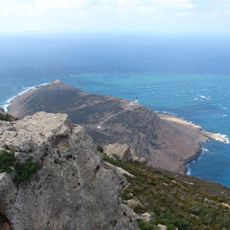
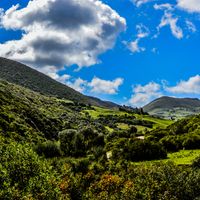
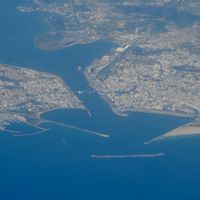
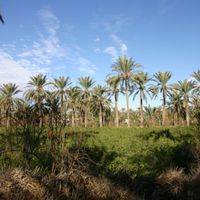
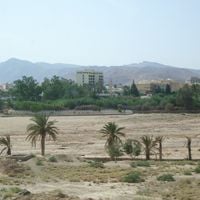
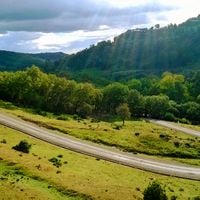
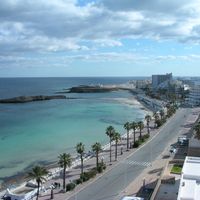
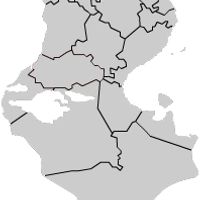
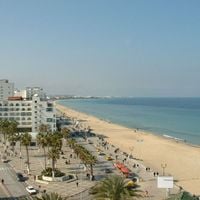
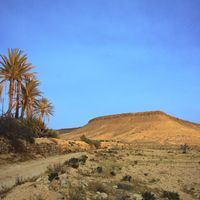
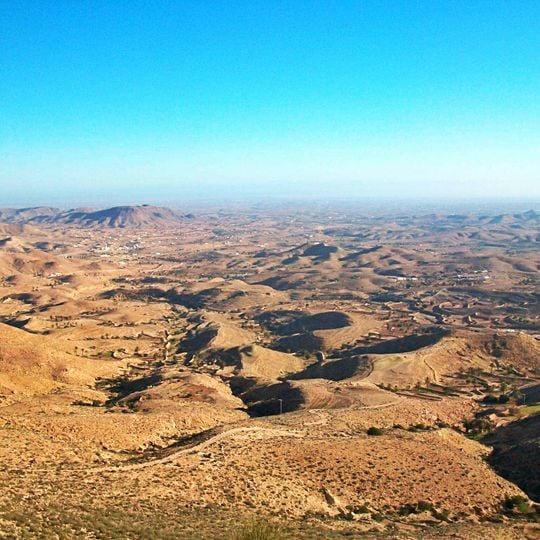
Tunisia is a republic in North Africa on the Mediterranean between Algeria to the west and Libya to the east. The terrain ranges from coastal plains and mountains in the north through steppes and salt lakes inland to desert regions of the Sahara in the south.
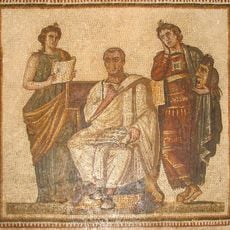
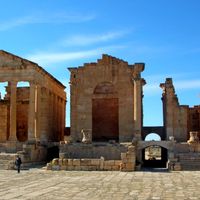
After Phoenician settlements and Roman rule as the province of Africa, the territory became Ottoman from 1574 and a French protectorate in 1881. Independence came on March 20, 1956 under Habib Bourguiba, who led the nation first as a constitutional monarchy and from 1957 as a republic.
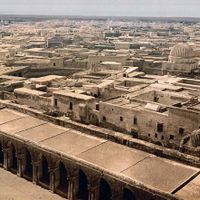
Families meet in teahouses where daily life unfolds over mint tea and backgammon, while Arabic and French shape public conversation. In the medinas, coppersmiths, tanners and potters continue working with inherited craft skills that they pass to their apprentices.
The national currency is the Tunisian dinar, which you can exchange mainly at banks in larger towns. Airports exist in Tunis, Monastir and Djerba, with ferry links to Europe; during Ramadan expect modified opening hours and at religious sites modest dress is expected.
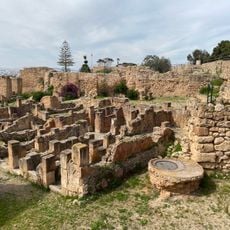
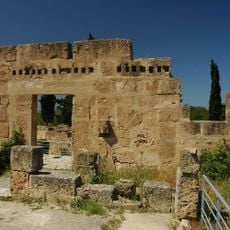
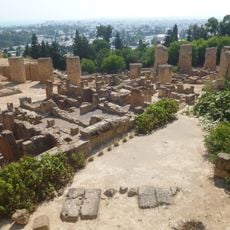
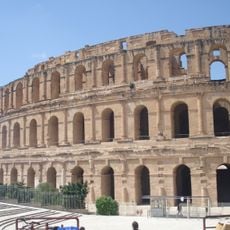
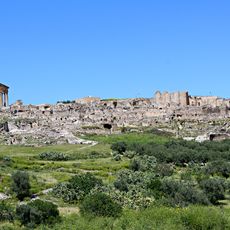
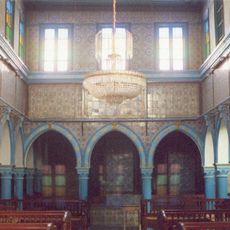
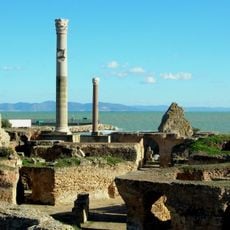
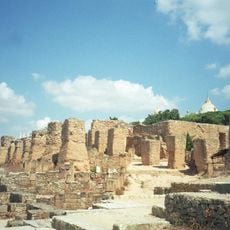
The ruins of Carthage, one of the most powerful cities in the ancient Mediterranean world, now lie in the suburbs of the capital. The island of Djerba is home to one of the oldest Jewish communities outside Israel, still active today.
The community of curious travelers
AroundUs brings together thousands of curated places, local tips, and hidden gems, enriched daily by 60,000 contributors worldwide.