Carthage, Ancient Mediterranean city-state in Gulf of Tunis, Tunisia
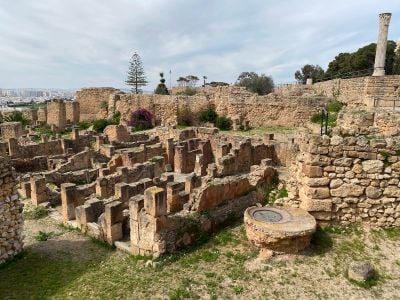
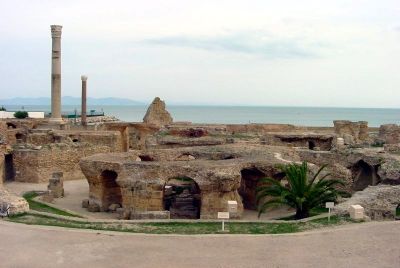
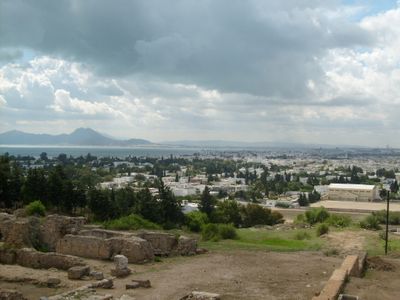
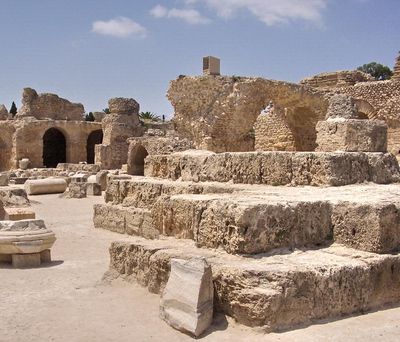
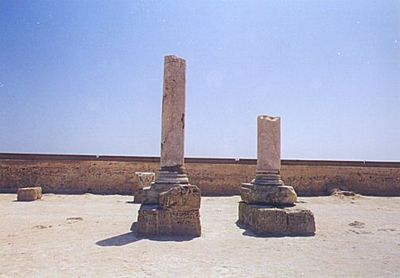
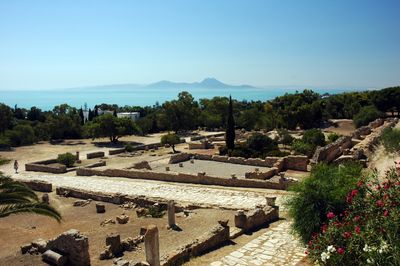
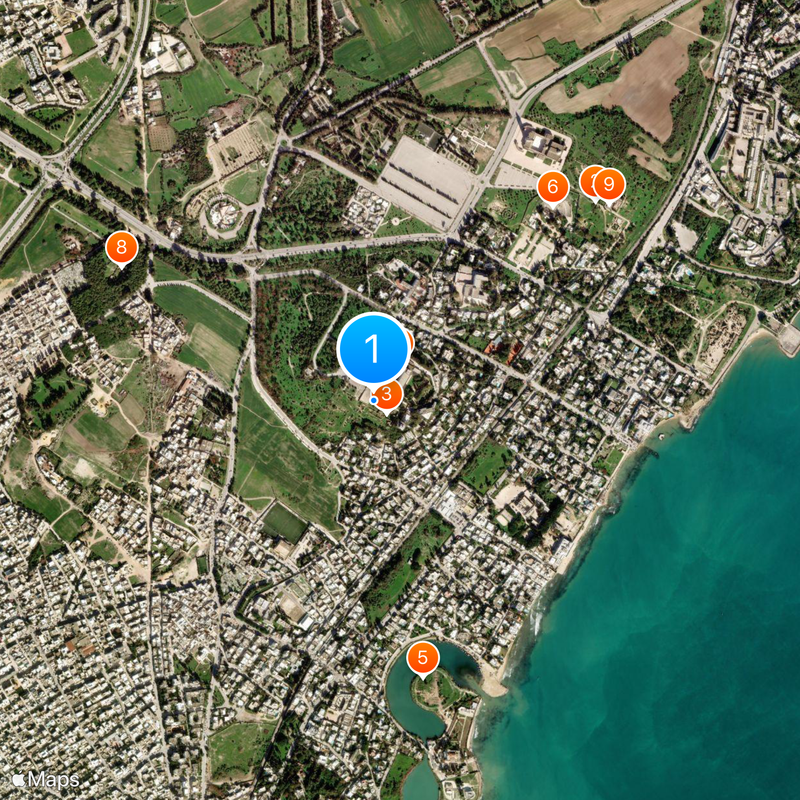
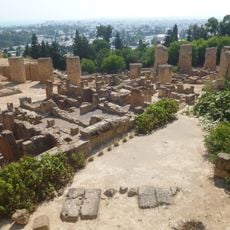
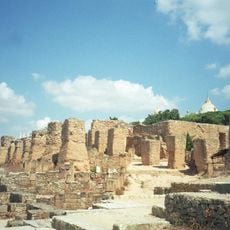
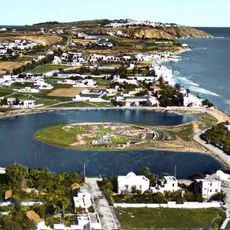
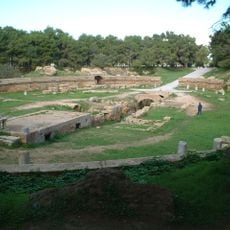
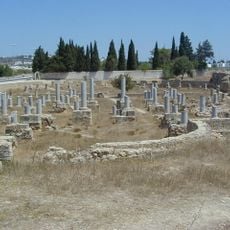
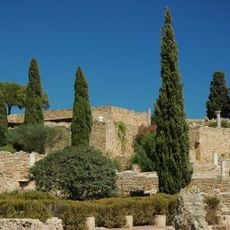
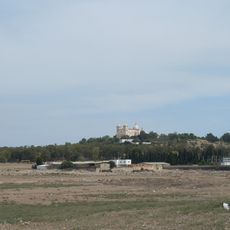
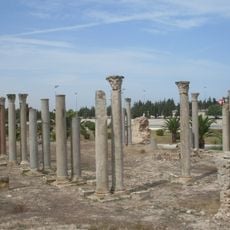
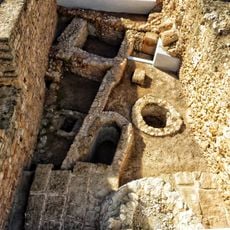
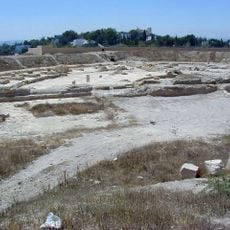
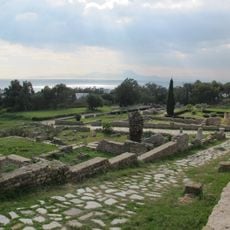
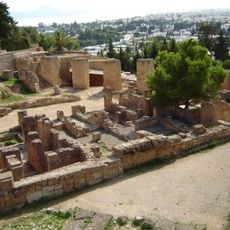
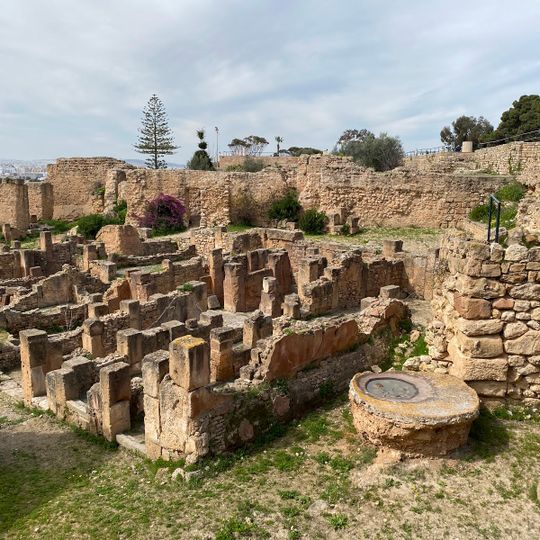
Carthage was an ancient Mediterranean settlement on the coast of present-day Tunisia, with its remains stretching across a promontory overlooking the Gulf of Tunis. The archaeological zones include two artificial harbor basins, remnants of several temple complexes, residential quarters, and a large burial ground on the hillside.
Phoenician sailors established the settlement in the 9th century BCE and developed it into a trading center over several centuries. Rome destroyed the site in 146 BCE after prolonged conflicts and later built a new colony on the same ground.
Today, school groups and families come to walk through the ruins and see traces of early building methods, while local researchers continue to study fragments from temples and homes. On certain days, visitors gather near the harbor structures where objects from Phoenician and Roman periods are displayed together.
The archaeological park opens daily in the morning and closes in the late afternoon, with the site covering a large area that includes uneven terrain. Visitors should wear sturdy shoes and plan enough time to reach several separate zones on foot.
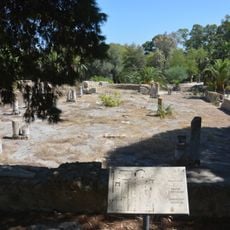
The burial ground known as the Tophet holds thousands of urns containing remains that reveal specific funeral customs practiced in the settlement. Archaeologists have also uncovered stone markers and votive offerings buried alongside the urns in multiple layers.
Location: Exarchate of Africa
Inception: 9 century BCE
GPS coordinates: 36.85256,10.32346
Latest update: December 2, 2025 21:32
Tunisia offers diverse photography locations from Roman ruins to desert landscapes. The El Jem amphitheater stands as a monument of ancient architecture, while Sidi Bou Said presents Mediterranean buildings in blue and white. The Medina of Tunis contains historic streets, and Kairouan's Great Mosque displays Islamic architectural elements. Natural settings include the Chott el Djerid salt lake and the mountain oasis of Chebika. Archaeological sites such as Carthage and Dougga provide views of ancient civilizations, while coastal areas like Cap Bon feature waters and green spaces.
Archaeological site of Carthage
885 m
Byrsa
53 m
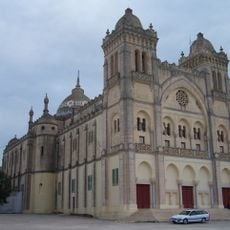
Saint Louis Cathedral
123 m
Punic ports of Carthage
832 m
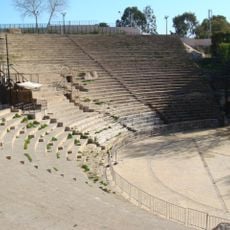
Theatre of Carthage
785 m
Carthage National Museum
135 m
Carthage amphitheatre
845 m
Horses' mosaïc of Carthage
910 m
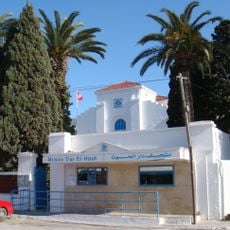
Salammbô Oceanographic Museum “Dar El Hout”
1 km
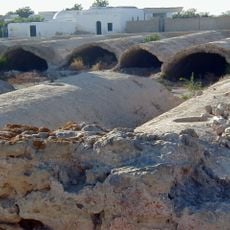
Cisterns of La Malga
853 m
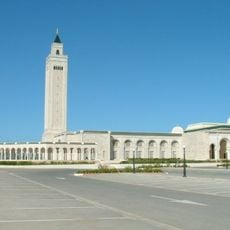
Jāmiʻ al-ʻĀbidīn
907 m
Basilica of Damous El Karita
1.2 km
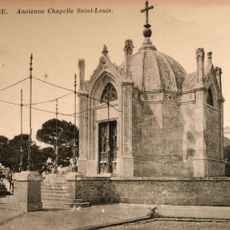
Chapel of Saint Louis of Carthage
137 m
Odeon hill and park of the Roman villas of Carthage
899 m
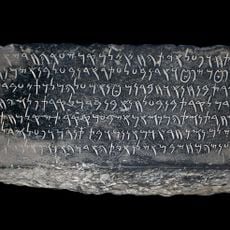
Carthage Administration Inscription
898 m
Circus of Carthage
891 m
Asterius Chapel
839 m
Zarrouk Palace
801 m
Byzantine basilica of Dermech
453 m
District of Magon (Carthage)
714 m
Building with columns of Carthage
479 m
District of Dido
504 m
Carthage National Museum
112 m
Odeon of Carthage
958 m
Villas romaines de Carthage
1 km
District of Hannibal
58 m
Douar El Chott Mosque
803 m
House of the Aviary
924 mReviews
Visited this place? Tap the stars to rate it and share your experience / photos with the community! Try now! You can cancel it anytime.
Discover hidden gems everywhere you go!
From secret cafés to breathtaking viewpoints, skip the crowded tourist spots and find places that match your style. Our app makes it easy with voice search, smart filtering, route optimization, and insider tips from travelers worldwide. Download now for the complete mobile experience.
A unique approach to discovering new places❞
— Le Figaro
All the places worth exploring❞
— France Info
A tailor-made excursion in just a few clicks❞
— 20 Minutes