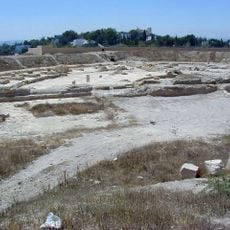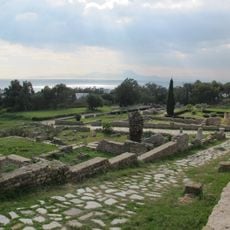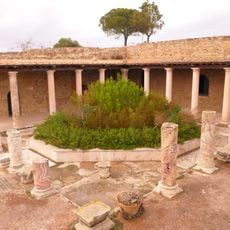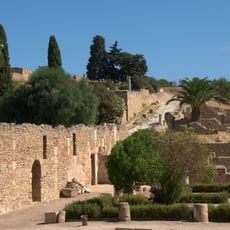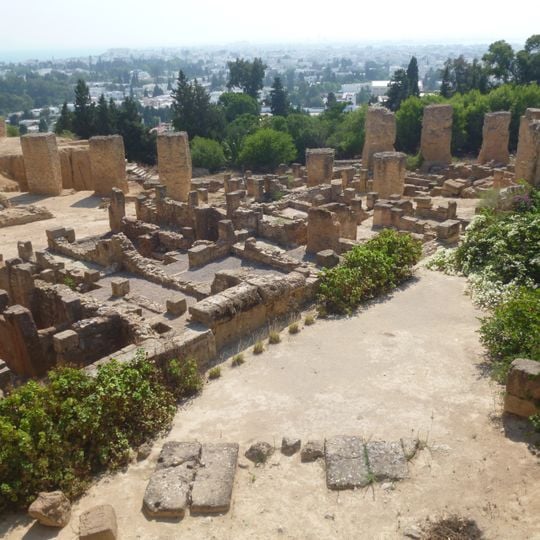
Archaeological site of Carthage, Archaeological site in Carthage, Tunisia.
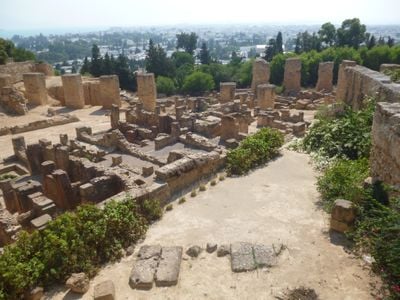
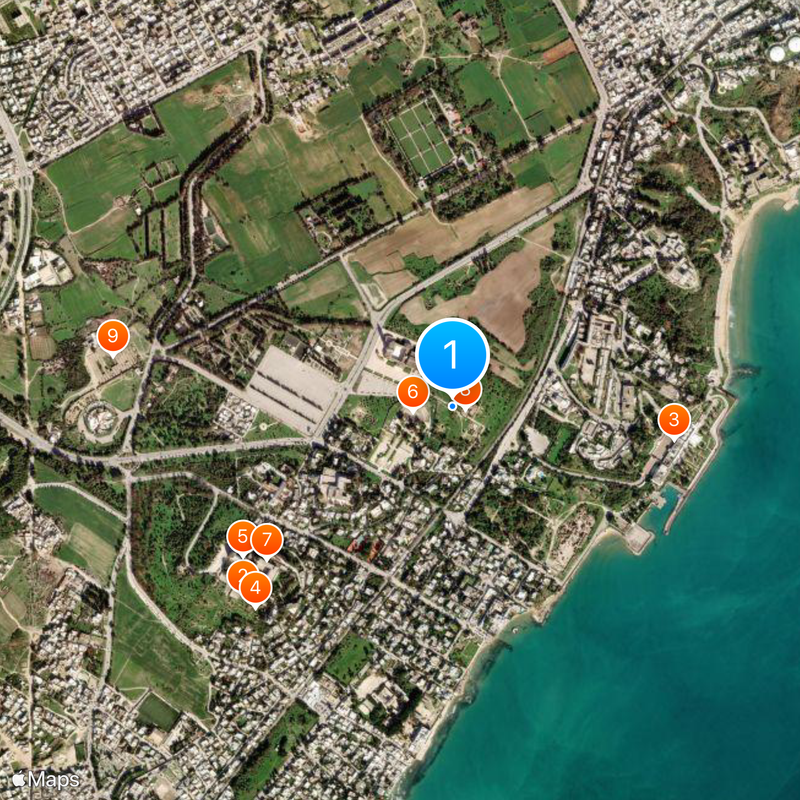
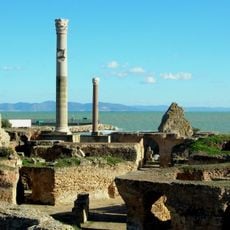
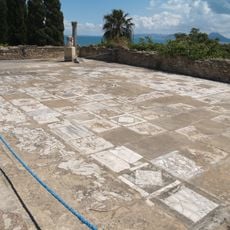
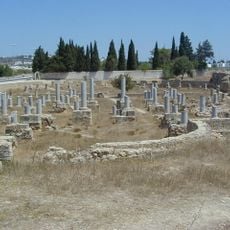
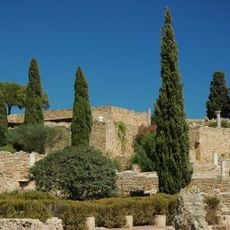
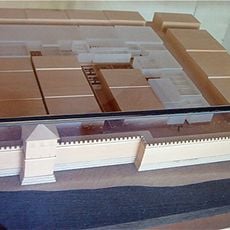
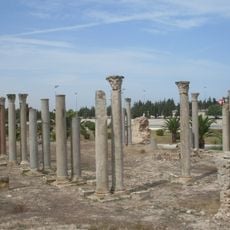
The archaeological site of Carthage spreads across 600 hectares along the coast and contains the remains of ancient ports, Roman villas, and large bathhouses from different periods. The ruins are divided into eight distinct zones, each with separate entrances that allow you to explore different sections.
Phoenician traders founded Carthage in the 9th century BC as a trading settlement that grew into a major Mediterranean power. Roman forces destroyed the city completely in 146 BC, then rebuilt it themselves, constructing new structures directly over the ancient remains.
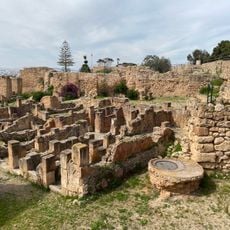
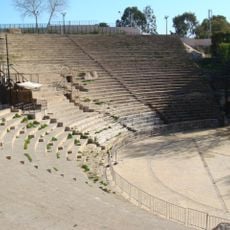
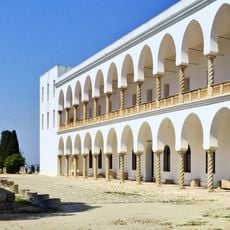
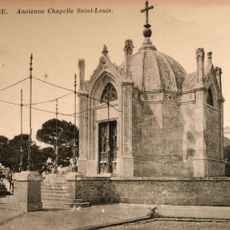
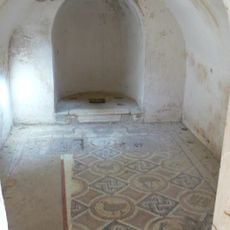
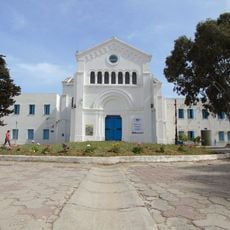
The burial grounds show Phoenician funeral practices, while Roman houses and Byzantine churches reflect the different peoples who lived here. Walking through these ruins, you can sense how multiple civilizations occupied the same location across the centuries.
The site is large and best explored over several days, as you need to walk or travel between the zones to see different sections. Good walking shoes and sun protection are important, as there is little shade and paths cross open areas.
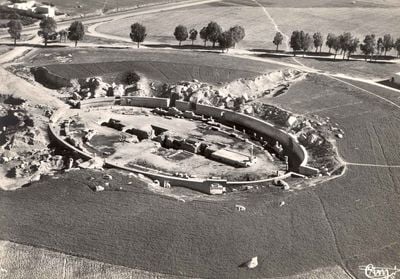
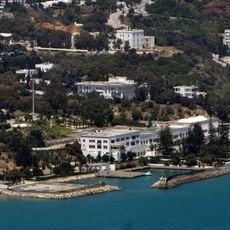
The ancient harbors have kept their original circular and rectangular shapes, showing how advanced engineering allowed the Phoenicians to design their shipping infrastructure. These clearly recognizable structures remain visible on the ground today and can be best seen from certain viewpoints.
The community of curious travelers
AroundUs brings together thousands of curated places, local tips, and hidden gems, enriched daily by 91,369 contributors worldwide.