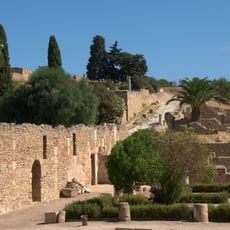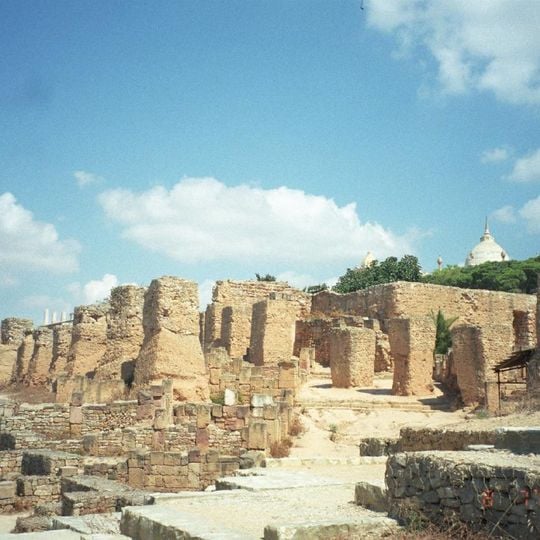
Byrsa, Archaeological hill in Carthage, Tunisia
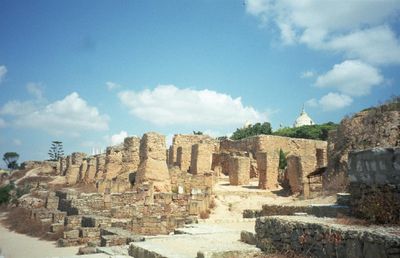
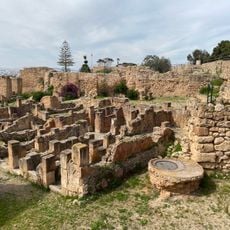
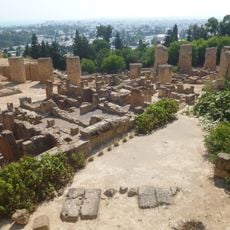
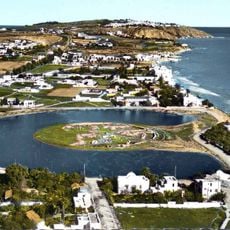
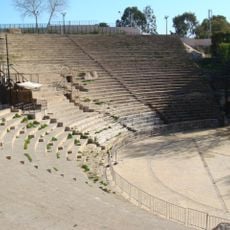
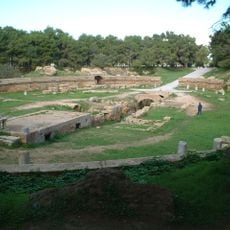
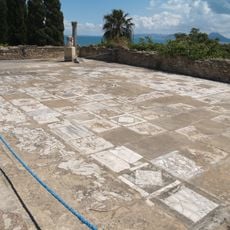
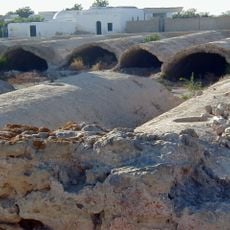
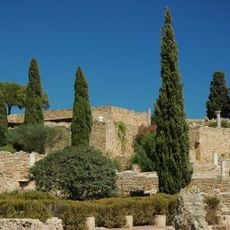
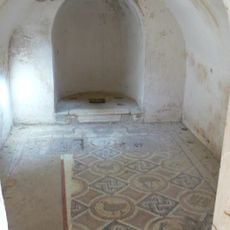
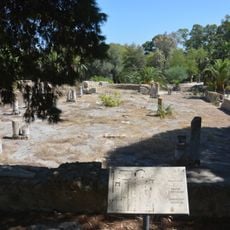
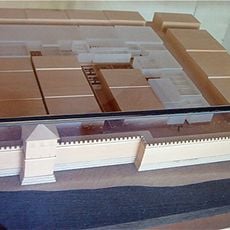
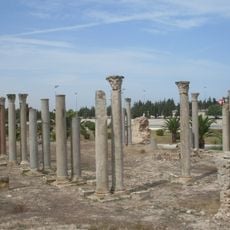
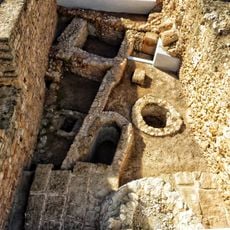
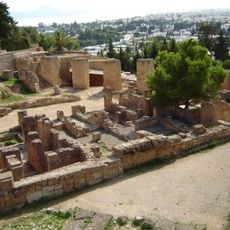
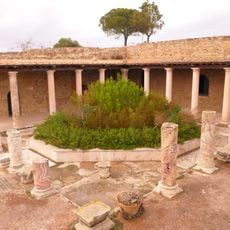
Byrsa is a hill in Carthage that contains remains from Phoenician and Roman periods, including residential buildings, underground water systems, and multiple archaeological layers spanning different eras. The site allows visitors to walk through distinct historical periods by observing the preserved structures and their placement.
The hill served as the center of the ancient Phoenician city of Carthage and held military importance for controlling the harbor and surrounding region. In 146 BCE, Roman forces under Scipio conquered it, marking the end of Carthage's independence.
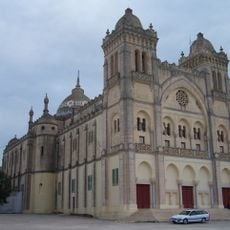
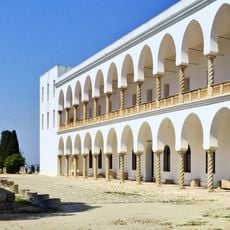
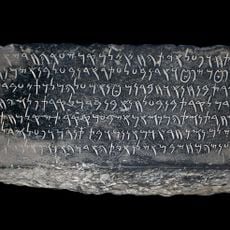
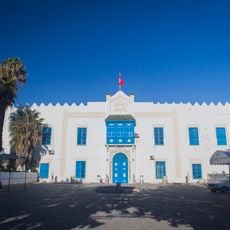
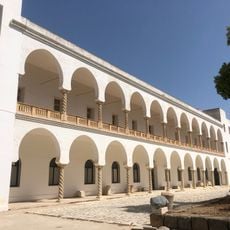
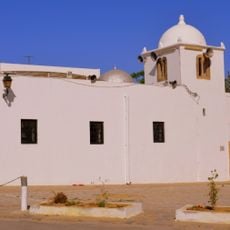
The museum housed on this hill displays objects from Phoenician and Roman times that reveal how people lived and worked in ancient times. Walking through the rooms, you see pottery, tools, and personal items that show the daily lives of past inhabitants.
The site is accessible via paved pathways that connect different areas, allowing you to explore the layers at your own pace. Wear comfortable shoes and plan time for both the outdoor sections and the museum indoors.
Excavations uncovered a Phoenician burial containing remains that revealed genetic connections to ancient Mediterranean populations. These findings helped researchers understand the migration and trade patterns of the ancient Mediterranean world.
The community of curious travelers
AroundUs brings together thousands of curated places, local tips, and hidden gems, enriched daily by 91,391 contributors worldwide.