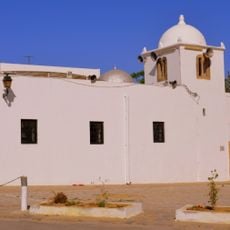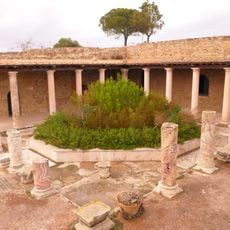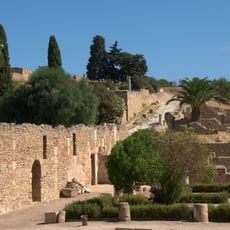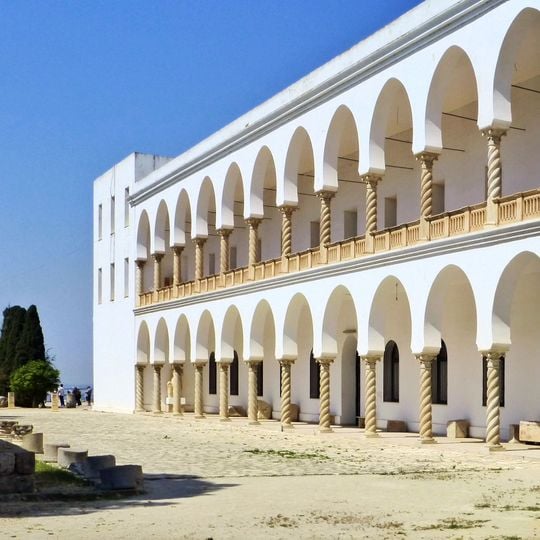
Carthage National Museum, Archaeological museum on Byrsa Hill in Carthage, Tunisia
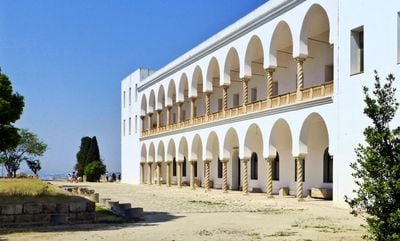
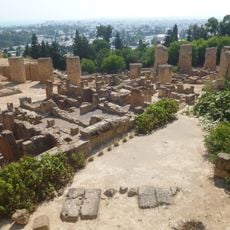
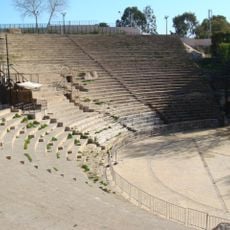
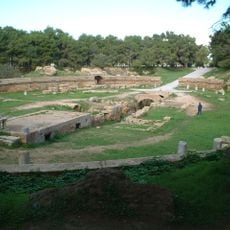
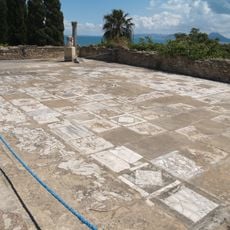
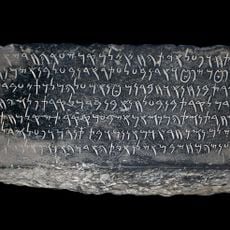
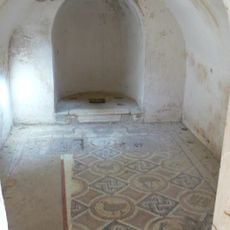
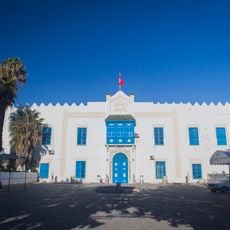
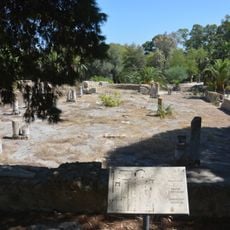
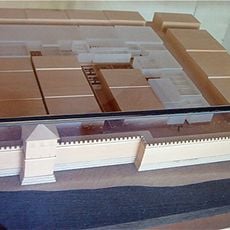
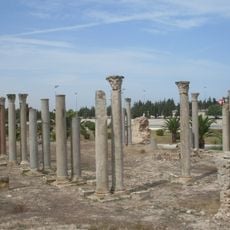
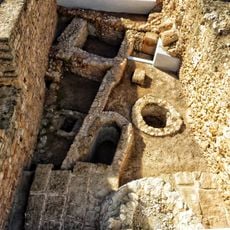
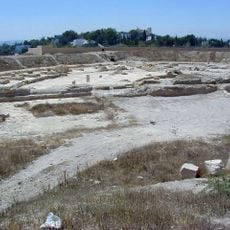
The Carthage National Museum is a collection of artworks and objects from various ancient periods discovered through local excavations. It displays limestone carvings, marble pieces, ancient masks, jewelry, sarcophagi, and mosaics within a single setting.
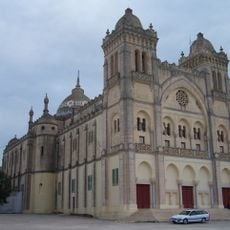
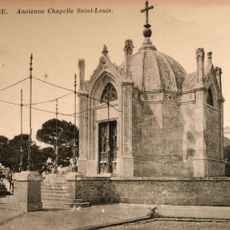
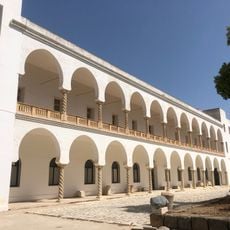
The museum was founded in 1875 within a chapel structure and housed findings from excavations in the region. Later the collections were expanded and the building was repurposed as a museum to preserve the area's archaeological treasures.
The religious artifacts section displays incense burners and sacred objects that reflect the faith practices of the ancient population. These pieces reveal how spiritual customs shaped daily life across multiple centuries.
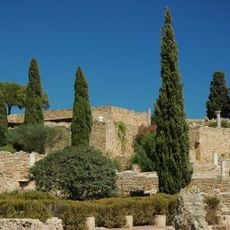
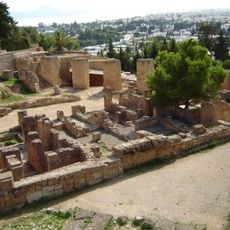
The museum is located on a hilltop in central Carthage and is easy to reach. Visitors should wear comfortable shoes as there are stairs and elevation changes, and the view over the surrounding city is impressive.
A particularly rare piece is a marble sarcophagus of a priest and priestess from the 3rd century BC, discovered at a local burial site. This paired tomb reveals how important these religious roles were in ancient society.
The community of curious travelers
AroundUs brings together thousands of curated places, local tips, and hidden gems, enriched daily by 91,373 contributors worldwide.