Asterius Chapel, Early Christian chapel in Antonine Baths archaeological complex, Tunisia
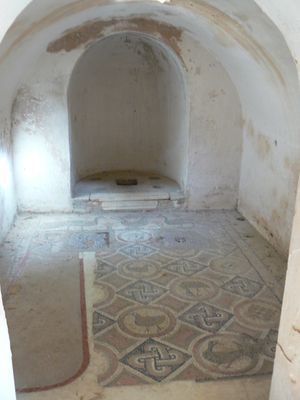
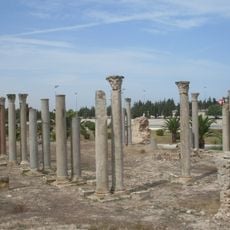
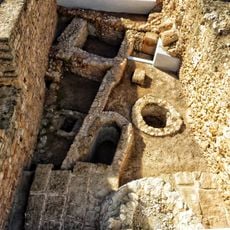
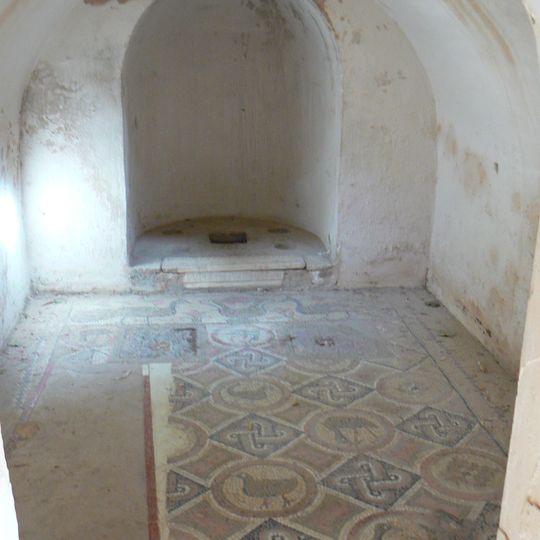
Asterius Chapel is an early Christian space in the Antonine Baths complex in Carthage, featuring a vaulted chamber and an apse carved from tuff stone. Additional masonry was added to reinforce the structure and protect the mosaic floor beneath.
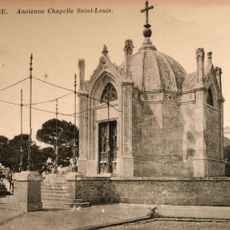
The chapel developed between the 5th and 7th centuries as part of the bathing complex. During the 1950s excavations, it was dismantled and relocated to protect its precious mosaic decorations from damage.
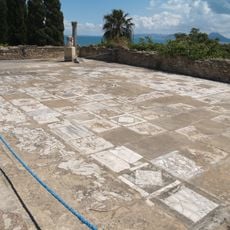
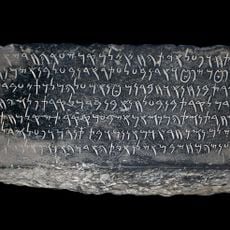
The name comes from inscriptions found on the steps to the apse, though the person it refers to was not buried here. The floor displays a mosaic with birds and geometric designs that show how this space mixed private burial customs with religious purposes.
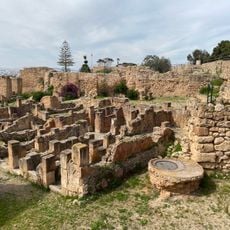
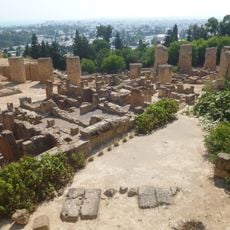
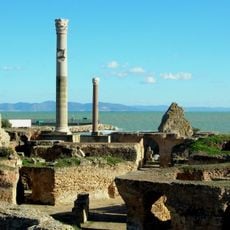
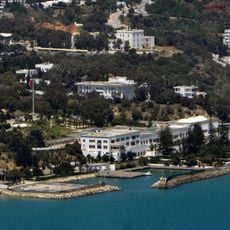
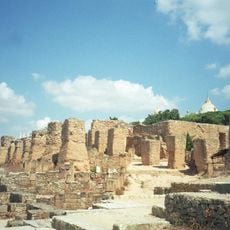
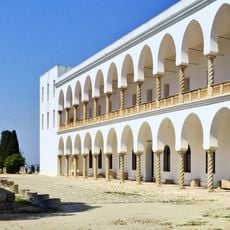
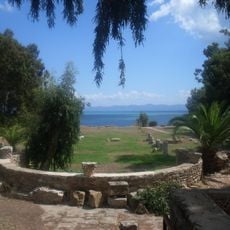
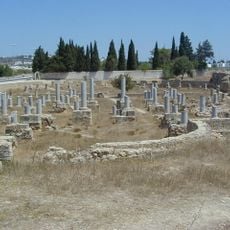
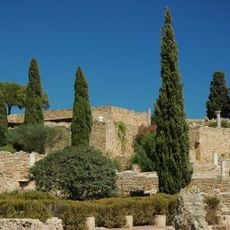
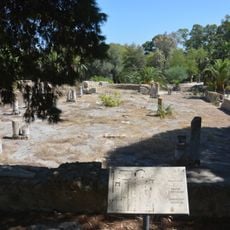
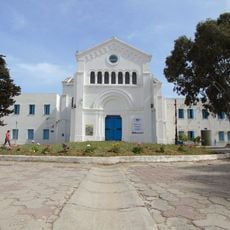
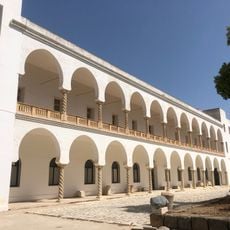
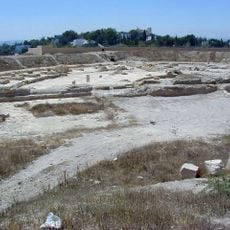
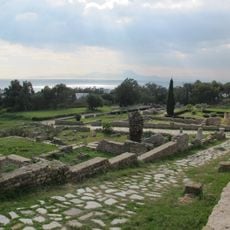
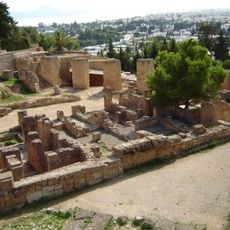
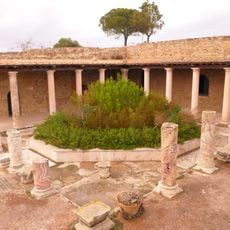
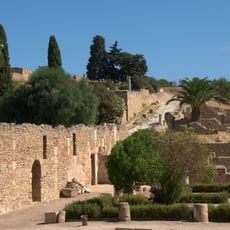
The chapel remains sit within the archaeological park of the Antonine Baths, a sprawling ancient site that is easy to navigate on foot. You can walk through the different zones of the complex and see the various structures at your own pace.
The excavations showed that the baths began under Hadrian and were later expanded under Antoninus Pius, making this Africa's largest Roman thermal complex. The chapel lay hidden underground for centuries before archaeologists uncovered it in the 1950s.
The community of curious travelers
AroundUs brings together thousands of curated places, local tips, and hidden gems, enriched daily by 90,914 contributors worldwide.