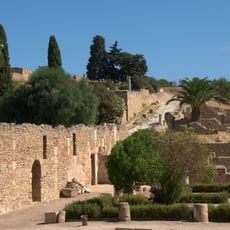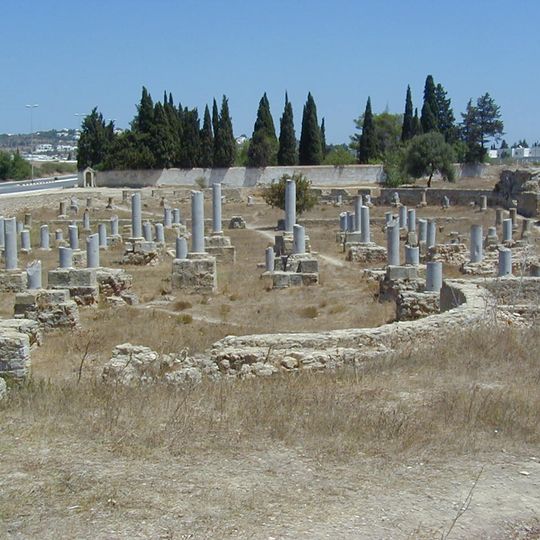
Basilica of Damous El Karita, Early Christian basilica ruins in Carthage, Tunisia
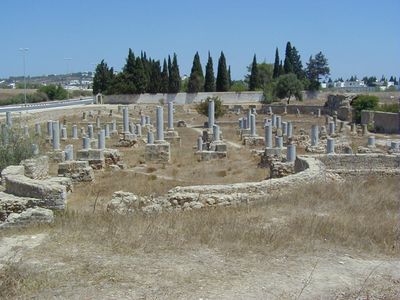
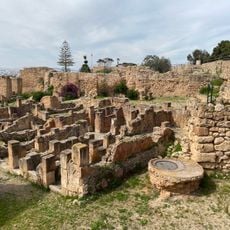
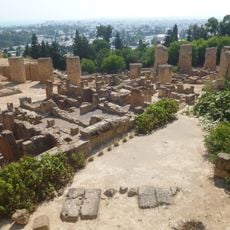
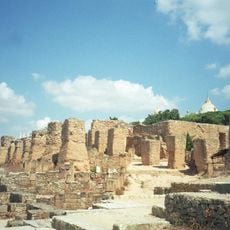
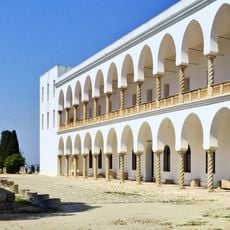
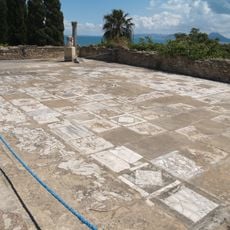
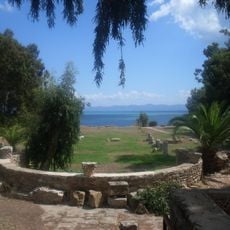
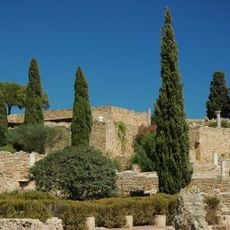
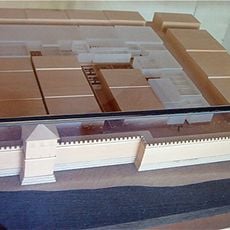
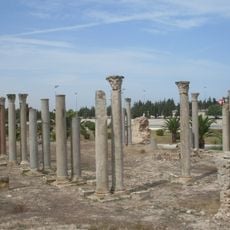
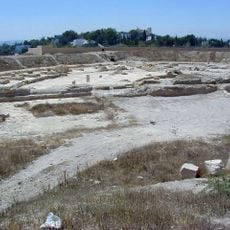
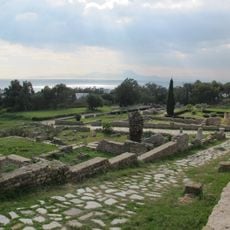
The Basilica of Damous El Karita is an early Christian church ruin in Carthage, Tunisia, with a floor plan that ranks among the largest of its kind in North Africa. Rows of columns with carved capitals once divided the interior into multiple naves, and the layout of these stone foundations is still clearly readable today.
The basilica was likely built in the 4th century, during a period when Carthage had become one of the leading centers of early Christianity in North Africa. It was expanded and modified over the following centuries before being abandoned after the Arab conquest in the 7th century.
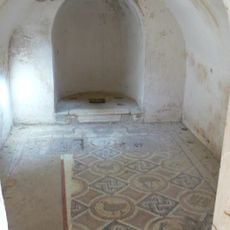
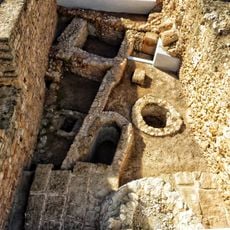
This site served as a gathering place where early Christians came to worship and commemorate their faith together. The underground spaces show how people used the location as a sacred destination for spiritual purposes.
The site sits within the Carthage Archaeological Area, a UNESCO World Heritage Site, and is easy to reach on foot from other nearby ruins. The ground is uneven and shade is limited, so sturdy footwear and sun protection are worth having before you visit.
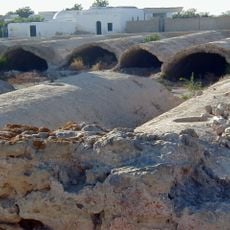
Beneath the ruins, two symmetrical vaulted staircases lead down into an underground chamber where pilgrims once came to pray. The name of the site likely comes from the Latin 'domus caritatis', meaning house of charity, which suggests it also had a role in caring for the local community.
The community of curious travelers
AroundUs brings together thousands of curated places, local tips, and hidden gems, enriched daily by 60,000 contributors worldwide.