See the monuments around you in AROpen chests in the app
Around Us is built for your phone — point your camera at the streets and discover the monuments and places around you in augmented reality.Around Us is built for your phone — chests unlock when you walk, explore and capture nearby places.
Historic battlefields: visits to military sites and accounts of conflicts
This collection brings together about thirty battlefields around the world, witnesses to conflicts that have shaped history over many centuries. Thermopylae recalls the stand of 300 Spartans against the Persian army. The beaches of Normandy remember the landing of 1944 and Europe's liberation. At Waterloo, you walk on the ground where Napoleon faced his final defeat in 1815.
The signs of fighting are still visible in these landscapes. In Verdun, trenches and craters dug by shells tell of one of the longest battles in the First World War. In Isandlwana, under the South African sun, the dry land still carries the memory of the clash between British soldiers and Zulu warriors. These places help to understand how these events changed the course of history and how societies choose to remember them.
Historic battlefields: visits to military sites and accounts of conflicts
This collection brings together about thirty battlefields around the world, witnesses to conflicts that have shaped history over many centuries. Thermopylae recalls the stand of 300 Spartans against the Persian army. The beaches of Normandy remember the landing of 1944 and Europe's liberation. At Waterloo, you walk on the ground where Napoleon faced his final defeat in 1815.
The signs of fighting are still visible in these landscapes. In Verdun, trenches and craters dug by shells tell of one of the longest battles in the First World War. In Isandlwana, under the South African sun, the dry land still carries the memory of the clash between British soldiers and Zulu warriors. These places help to understand how these events changed the course of history and how societies choose to remember them.
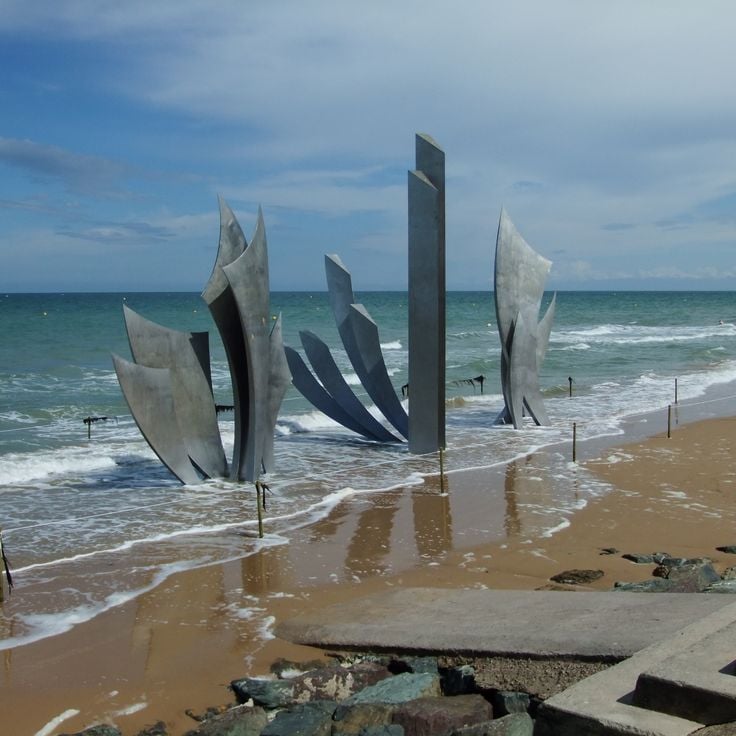
The D-Day beaches of Normandy were the site of the largest amphibious operation of World War II on June 6, 1944. Five beaches - Omaha, Utah, Sword, Juno and Gold - served as gateways for Allied forces to enter Europe. Today, visitors see concrete bunkers, steep cliffs, and military cemeteries that stand as reminders of the day that changed the course of the war. Walking across these beaches, you can feel the weight of history and the scale of what took place here.
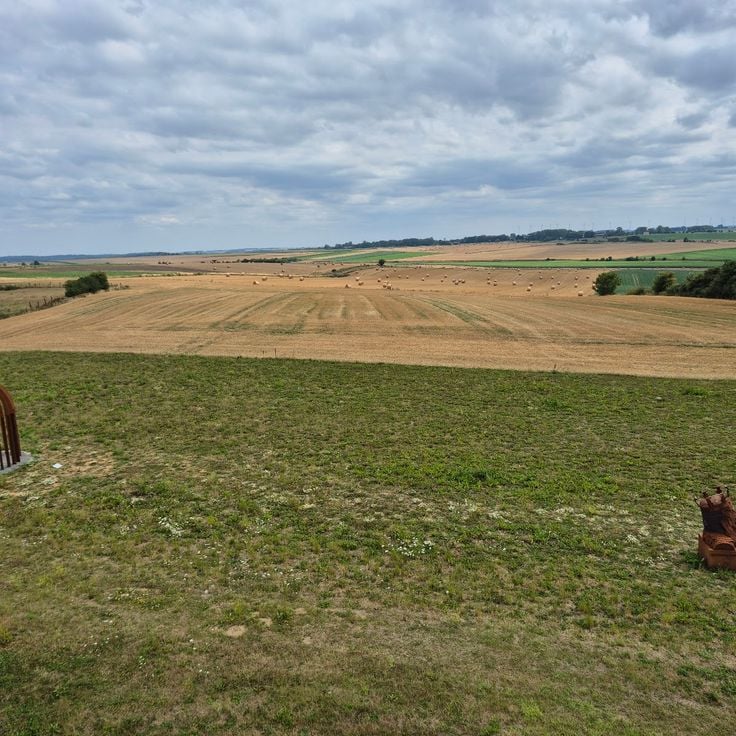
The Waterloo battlefield is the site of the decisive 1815 battle that ended Napoleon's rule. Visitors walk across the Belgian plains where fighting took place and discover the Lion's Mound along with monuments that mark this historic place. The terrain keeps its original form and shows through its remains how this major military event unfolded, changing Europe.
The Verdun battlefield is one of the major sites of World War I. It holds the Douaumont Ossuary, which honors the soldiers who died in this war. The place shows the intensity of this confrontation. Visitors can see the landscape marked by combat and understand the heavy cost of this conflict.
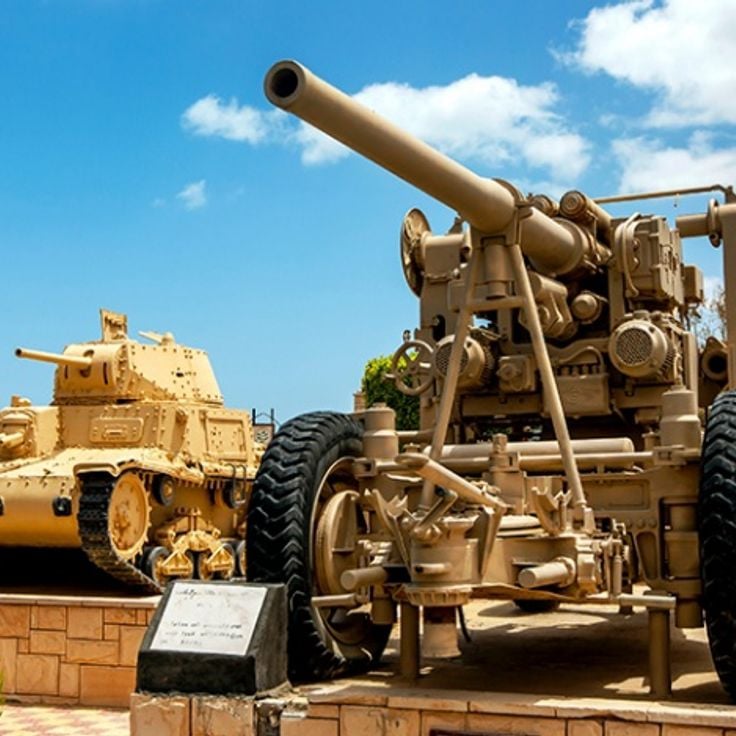
The El Alamein battlefield sits in Egypt's desert landscape and marks a turning point in World War II. In 1942, the Allies defeated the Axis powers here in a decisive clash over control of North Africa. The ground of this barren land still carries traces of the fighting. A military cemetery stands at this location as a memorial to those who died. The desert itself holds the memory of this major military engagement that changed the course of the war in the region.
The Somme battlefield was the site of one of the deadliest battles of the First World War. The landscape still bears deep craters caused by artillery bombardment. Throughout this terrain stand monuments and cemeteries that commemorate the millions of soldiers who fought and died here. The ground itself tells the story of this devastating conflict.
The Stalingrad battlefield is a historical site where one of the most significant battles of the Second World War took place. The Mamayev Kurgan and views of the Volga River define this location, where hundreds of thousands of soldiers died and the course of history changed. Visitors can follow the traces of these battles in the surviving monuments and in the landscape itself. This battlefield shows how military conflicts shaped societies and their memory of these events.
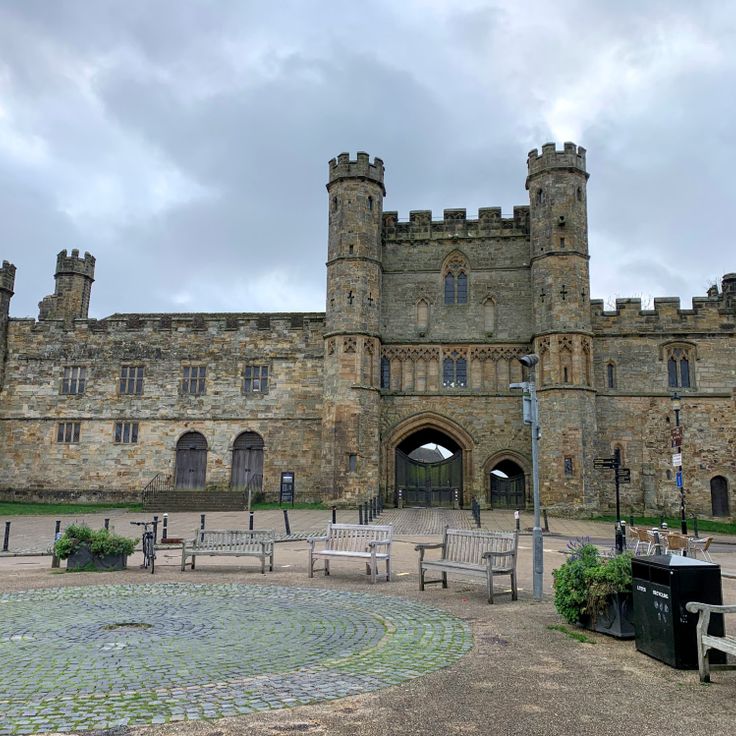
Battle Abbey stands at the exact site of the Battle of Hastings in 1066. It was founded to commemorate the Norman Conquest. The estate includes abbey buildings and historical hills where the fighting took place. Visitors can walk through the ruins and imagine how the events of that day changed the course of English history.
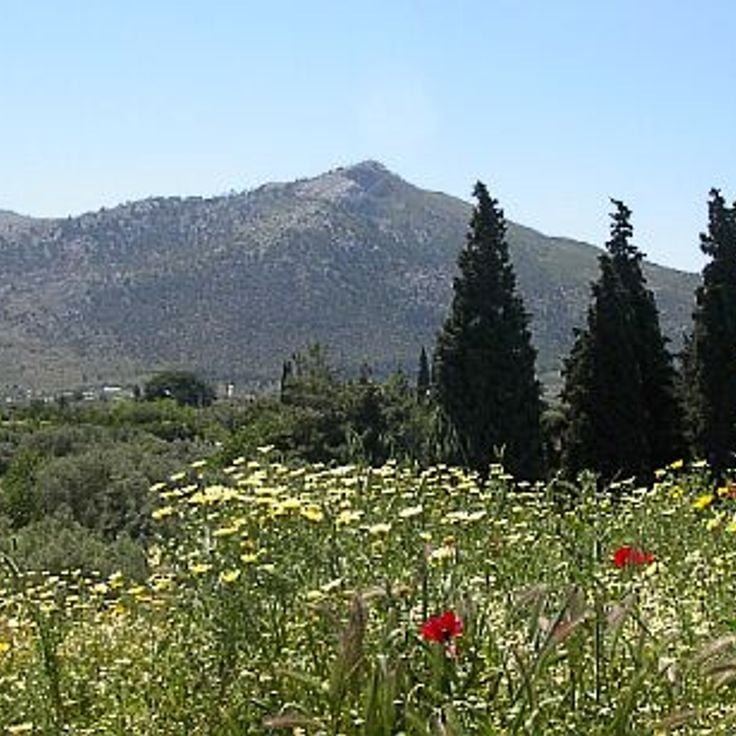
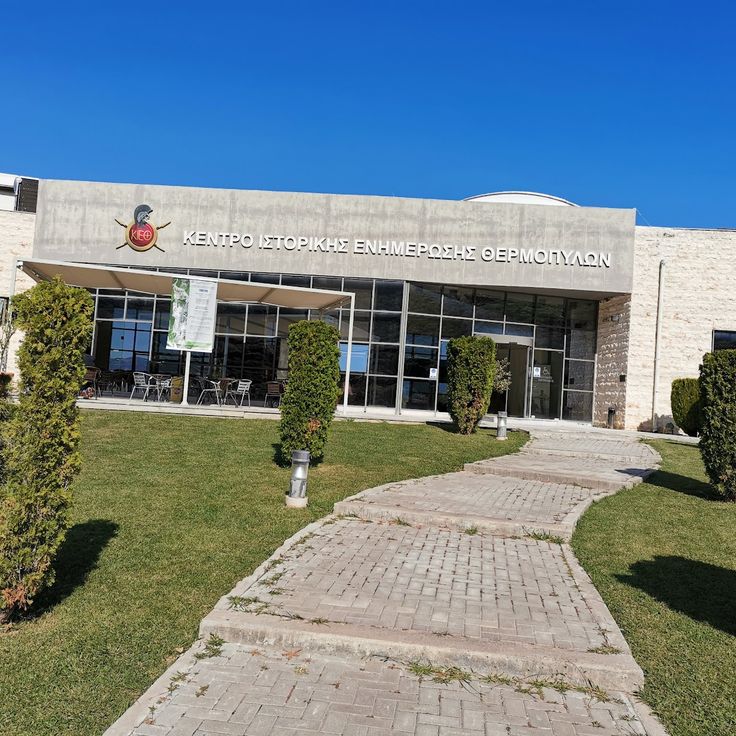
Thermopylae is a mountain pass in central Greece where a major battle took place in 480 BC. Greek forces and the Persian Empire clashed here in a conflict that shaped the course of European history. Today, visitors can see the monument built in memory of the soldiers who fought here and observe the landscape where these important events occurred.
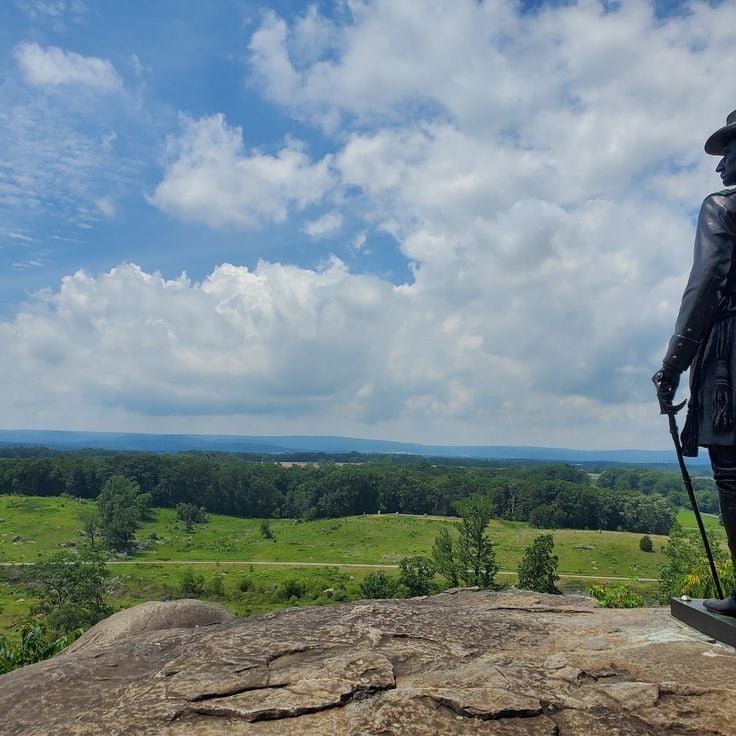
The Gettysburg battlefield was the site of one of the most important battles of the American Civil War in 1863. This field in Pennsylvania holds hills, monuments, and a cemetery that mark where fighting took place. The gently rolling land still carries the history of what happened here and helps visitors understand how this conflict shaped the course of American history.
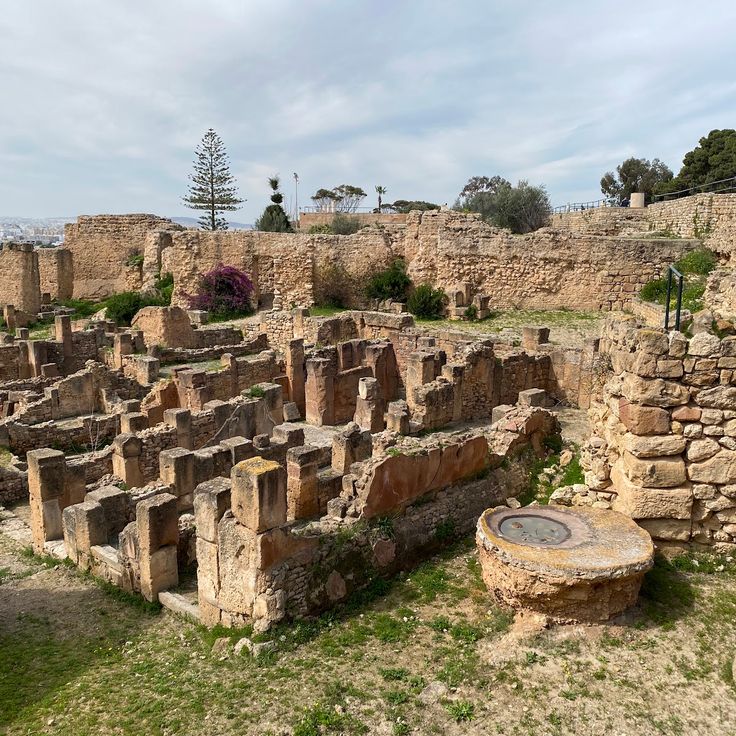
The ruins of Carthage show what remains of one of the most powerful cities of antiquity. This site was the scene of the Punic Wars between Carthage and Rome, conflicts that reshaped the Mediterranean. Visitors can see remains of ports, temples, and residential quarters that reveal how life unfolded here. Walking through these ruins helps you understand the city's former importance and the scale of the battles that took place here.
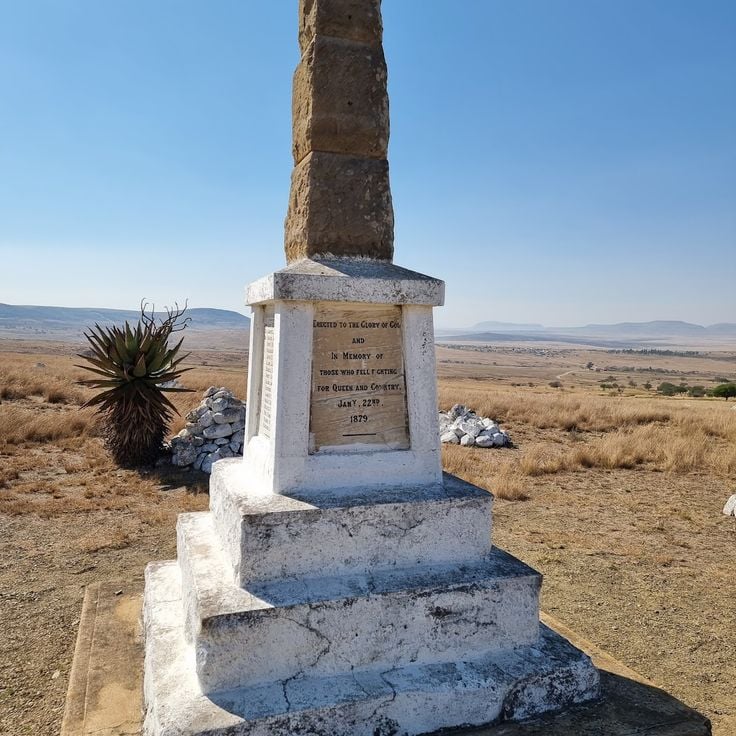
Isandlwana is the hill in South Africa where Zulu warriors achieved a decisive victory over the British army in January 1879. The battlefield presents itself as open terrain with slopes and valleys. Stone cairns scattered across the landscape mark the places where soldiers fell during the fighting. As visitors walk the ground, they can follow the positions defended during the battle and understand how Zulu forces defeated a larger British army. The quiet landscape carries the weight of this turning point in South African history.
Adoua is the site of a decisive victory won by Ethiopian forces in 1896 against Italy. Situated in the mountains, this town holds monuments and memorial places that mark a turning point in Ethiopian history. The landscape offers views across the highlands and tells the story of a victory that secured the country's independence.
Omdurman sits on the banks of the Nile in Sudan and was the site of an 1898 battle that proved decisive for British imperialism. The location shows traces of this historical confrontation today. Visitors can see the landscape where Mahdist forces and British-Egyptian troops faced each other. The area tells the story of a conflict that fundamentally changed the region and continues to shape how people understand this period of colonial history.
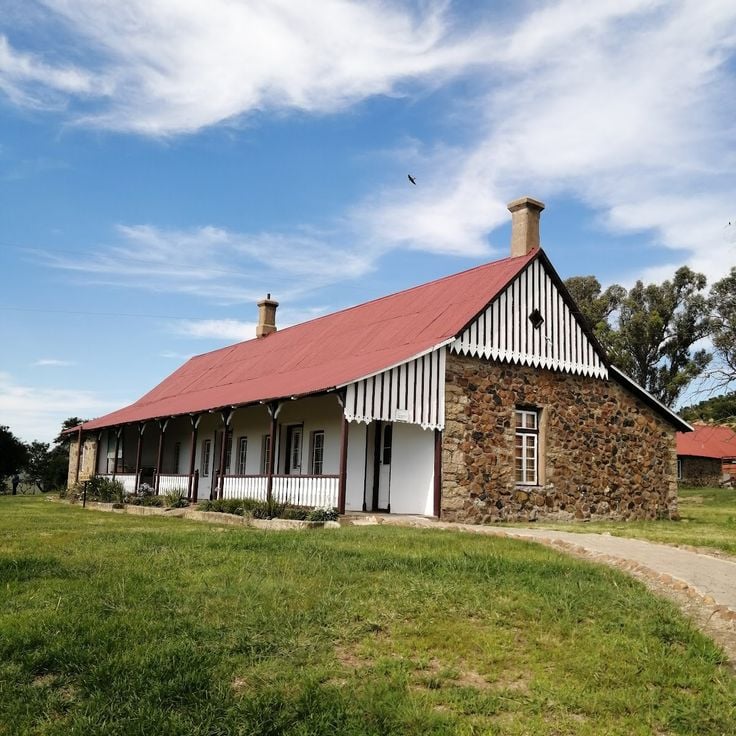
Rorke's Drift is the site of the famous 1879 battle in South Africa where a small garrison defended itself against a massive attack. The location has a museum, reconstructed buildings, and the river that played a central role in the conflict. This site documents an important moment in South African military history and helps visitors understand the events that took place there.
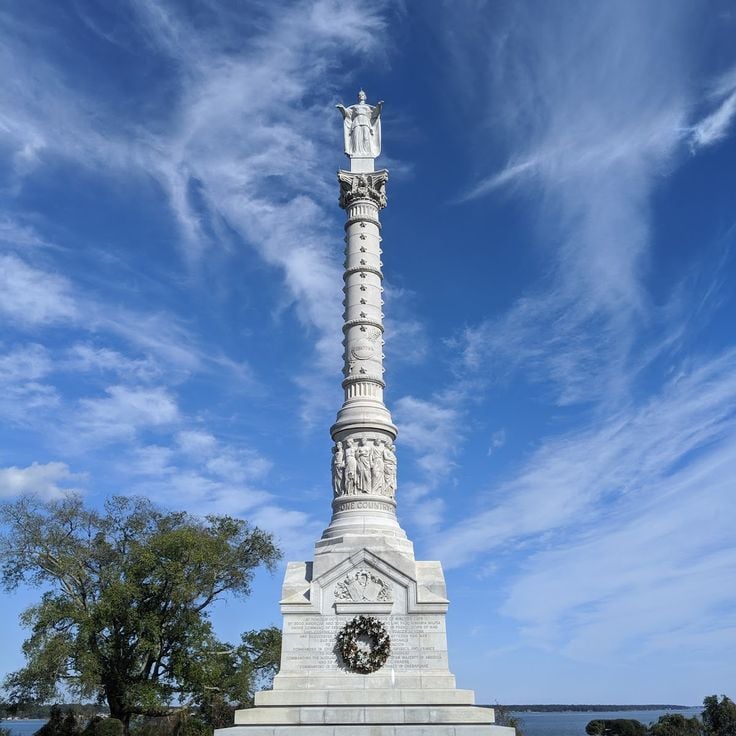
Yorktown Battlefield is the site where British General Cornwallis surrendered in 1781 during the American Revolutionary War. This location marked a turning point in the struggle for American independence after a lengthy siege. The remains of fortifications and trenches are still visible in the landscape. Visitors can walk the lines where fighting took place and visit monuments dedicated to the soldiers who died in the battle.
The fields of Maipú are a location in Santiago where Chilean independence was consolidated in 1818. This is where the decisive battle took place that brought the country freedom from Spanish rule. The terrain carries the marks of these fights in its hills and preserved structures. Visitors can walk the paths that soldiers crossed more than 200 years ago and see the places where key moments of South American history unfolded.
Little Bighorn sits in the hills and wide plains of Montana and marks an important military conflict of 1876. The site shows monuments and memorials today that recall the events that took place there. This place is part of a global collection of major battlefields that document turning points in military and political history.
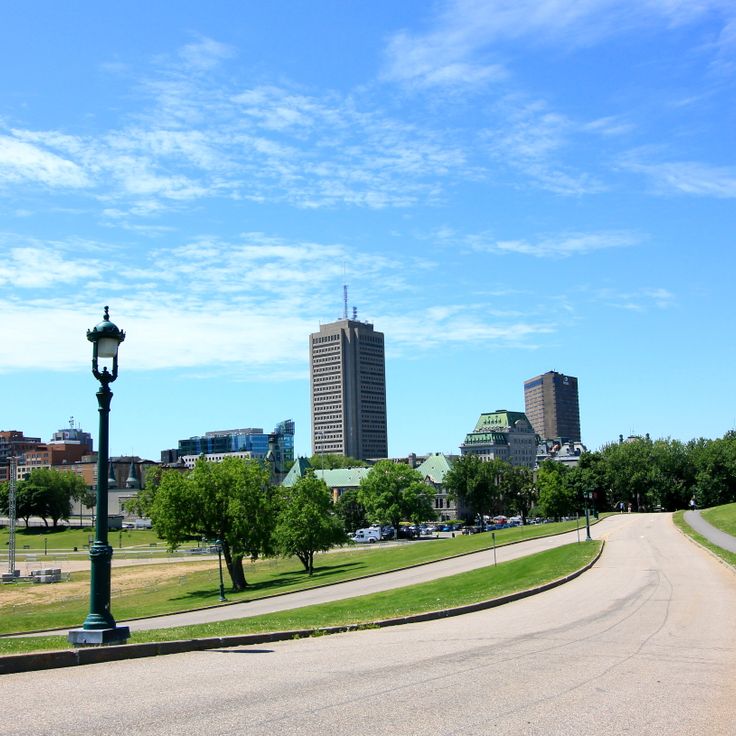
The Plaines d'Abraham is an urban park in Quebec where a decisive battle took place in 1759 that changed the course of North American history. The park offers views of the city and presents historical reenactments that show the life of soldiers and the events of that day. Visitors can see the landscape where thousands of men fought and explore several monuments that commemorate this period.
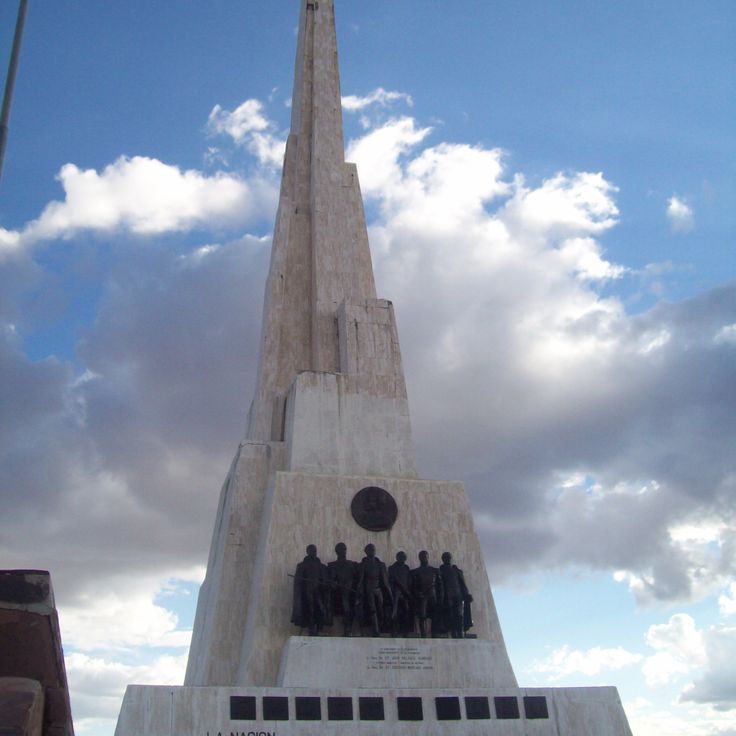
The Ayacucho battlefield sits on a Peruvian Andean plateau and marks the site of a decisive battle in 1824. This ground witnessed one of the most important military clashes that led to South American independence. The landscape tells the story of this crucial moment in military and political history. Today, visitors can explore this location and understand how this battle changed the continent.
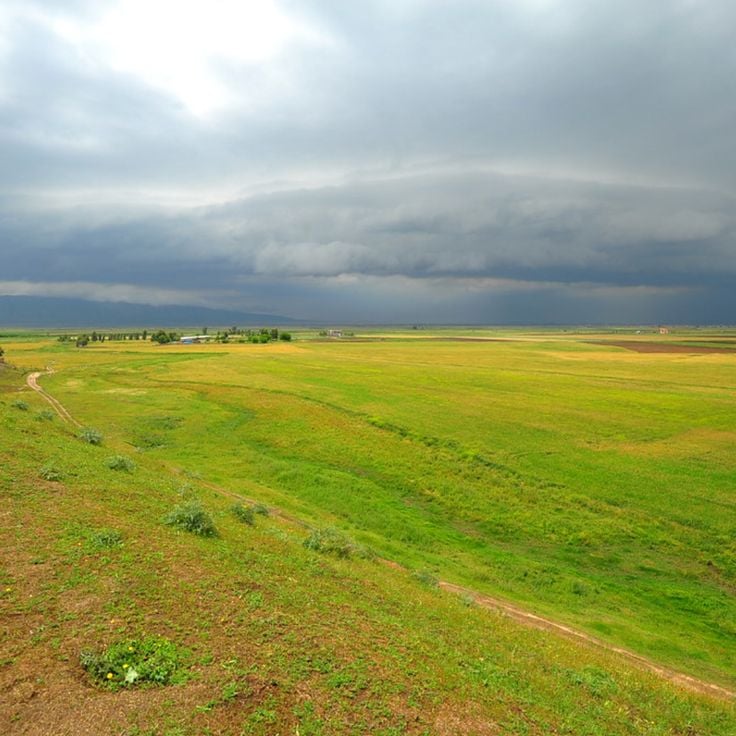
The plains of Gaugamela lie in Mesopotamia, in Iraq. Here Alexander the Great defeated the Persian armies of Darius III in 331 BCE. This victory made Alexander master of the Persian Empire and marked a turning point in ancient history. The battle shows the power of strategic thinking and military tactics. The site remains today a historic ground where traces of this decisive clash are visible.
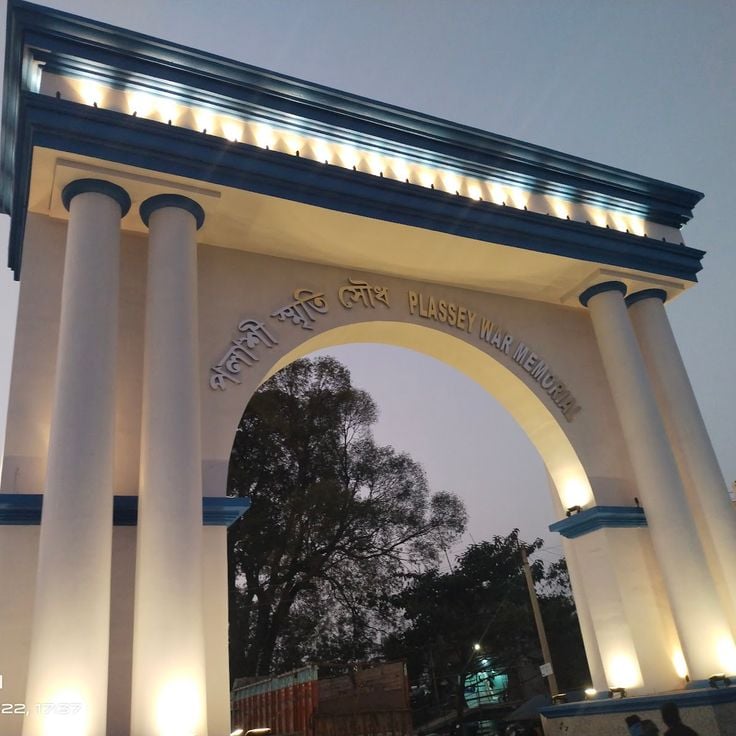
Plassey lies on the banks of the Hooghly River in West Bengal, India, and marks the site where British expansion in Bengal began in 1757. Here, the course of Indian history shifted when British forces under Robert Clive defeated the Nawab of Bengal's army. This battlefield represents a turning point that established British power in the region and set the stage for their control of India. The landscape carries the memory of this decisive moment when the fate of the subcontinent was reshaped.
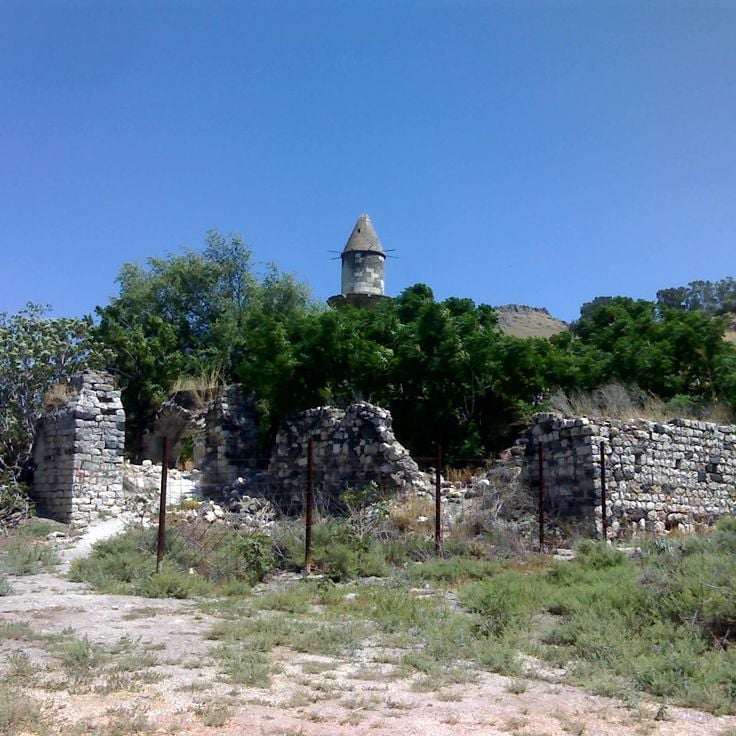
The hills of Hattin in Galilee were the site of a decisive battle in 1187, when Saladin defeated the Crusader armies. This victory changed the political balance of the Middle East and marked a turning point in medieval military history. The terrain still bears traces of this major clash that reshaped control of the region.
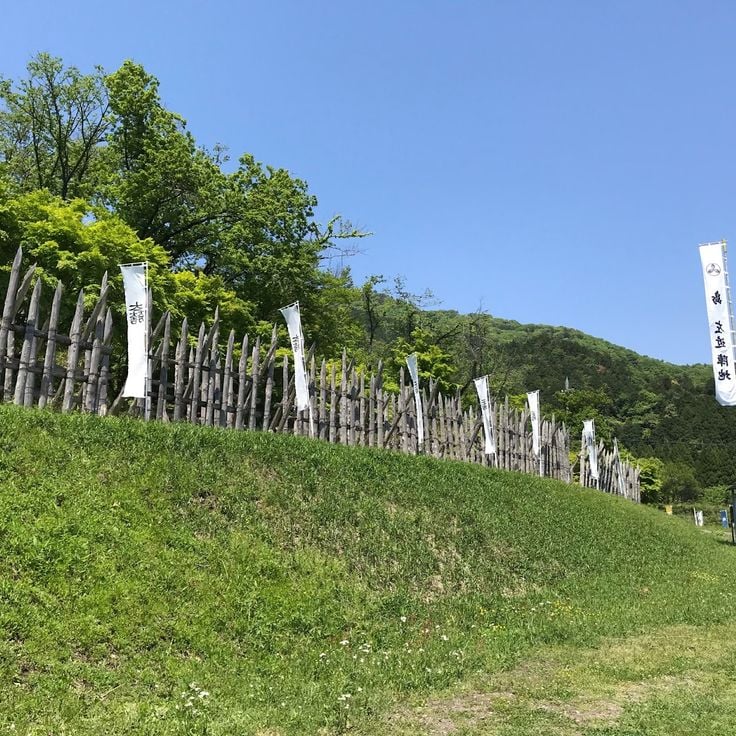
The Sekigahara battlefield lies in a mountainous region of Japan and marks the site of a decisive battle in 1600. On that day, Tokugawa Ieyasu defeated his rivals and established the Tokugawa shogunate, which lasted over 2 centuries. Today, you can walk through rice fields and see monuments that commemorate this battle. The place is surrounded by hills and invites reflection.
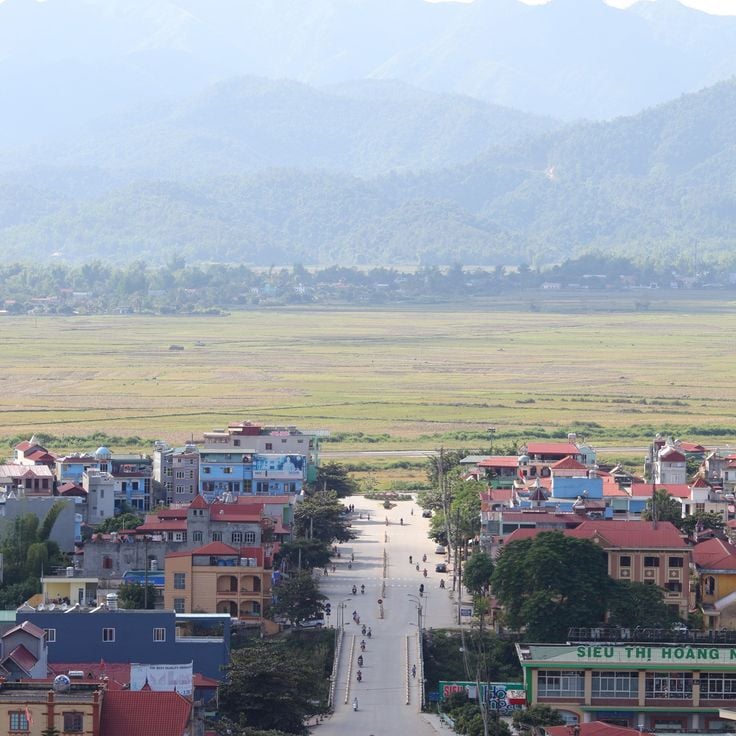
Dien Bien Phu is a valley in Vietnam where a decisive battle took place in 1954. This battle marked the end of French colonial rule in Indochina. Visitors can see the remains of fortifications and visit museums that tell the story of the fighting. The hills surrounding the valley still shape the landscape.
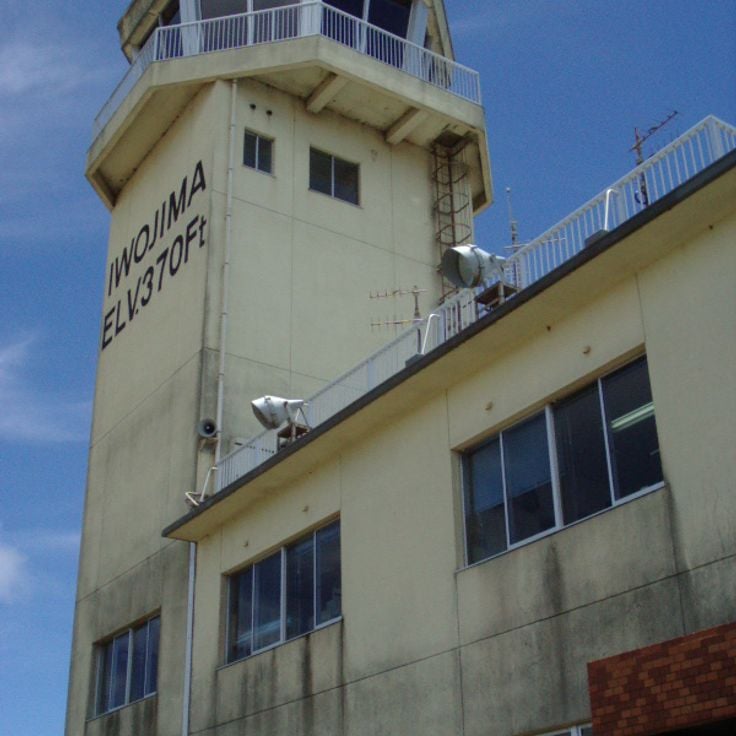
Iwo Jima is a Japanese island dominated by Mount Suribachi. In 1945 it was the site of one of the fiercest amphibious battles of World War II. The island is covered in volcanic ash and scattered with memorials honoring the soldiers who fought and died there. Visitors can walk through these places and learn why this small island became a turning point in military history.
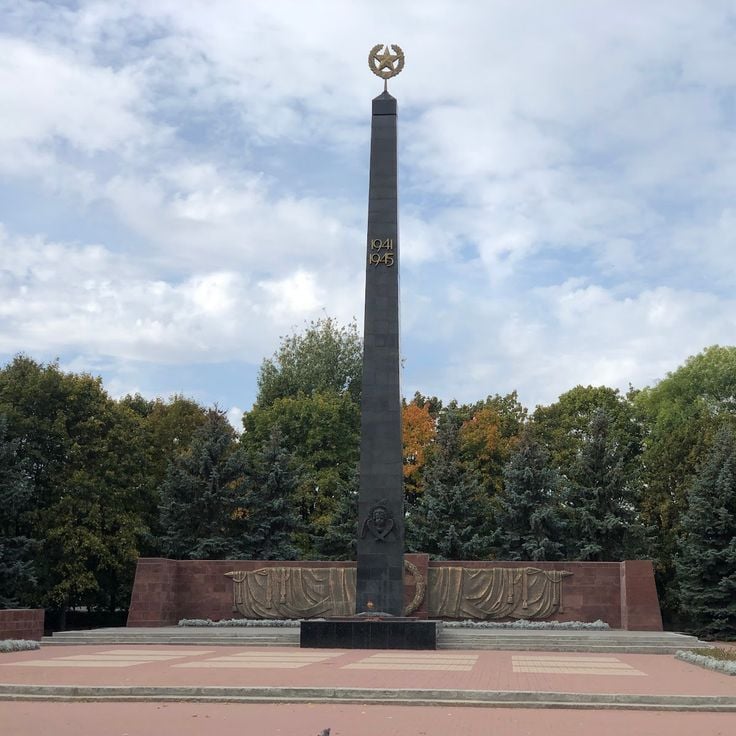
The Battle of Kursk in 1943 was the largest tank battle in history and shaped the course of World War II. Today, visitors can explore museums displaying tanks and monuments that commemorate this battle. The vast plains of central Russia tell the story of the events that took place here and how this place changed history.
Gallipoli stands on the cliffs and coves of the Dardanelles, where a major military campaign took place in 1915 during World War I. The landscape still bears the marks of this conflict, with steep coastlines and terrain that shaped the events of that year. Cemeteries and memorial monuments honor the soldiers who fell. For Australia and New Zealand, this place holds deep significance in their national stories and identities.
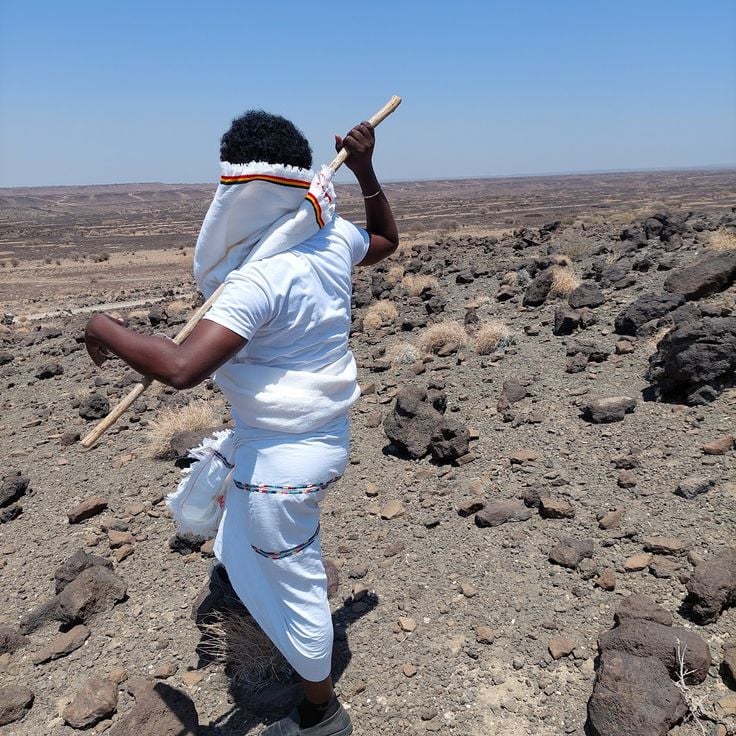
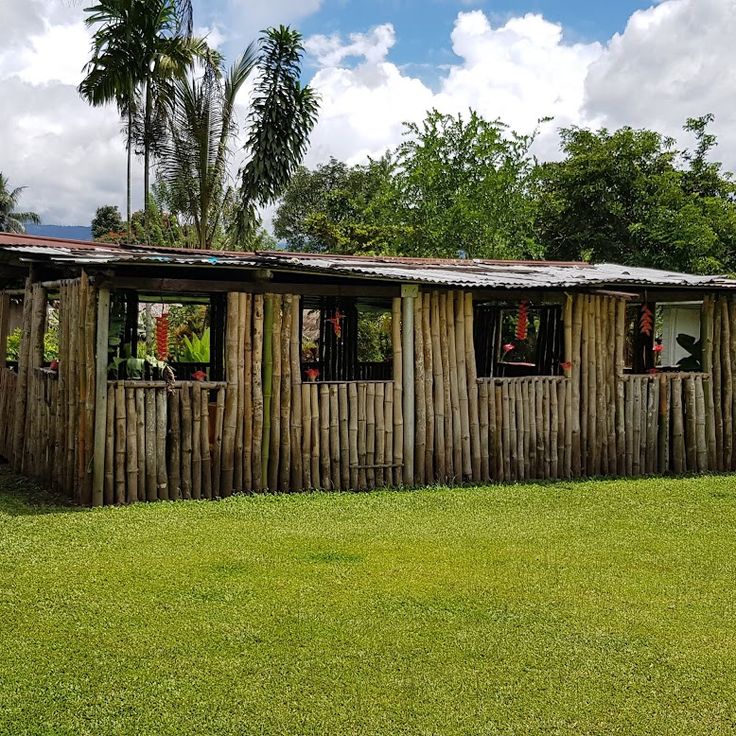
The Kokoda Track is a jungle trail in Papua New Guinea where a decisive campaign took place in 1942 during the Pacific War. This location marks an important turning point in World War II, when Australian and Allied forces fought against Japanese troops. The trail passes through dense jungle terrain that still bears traces of this intense military conflict. Visitors can experience the difficult conditions that soldiers had to cross during the fighting.
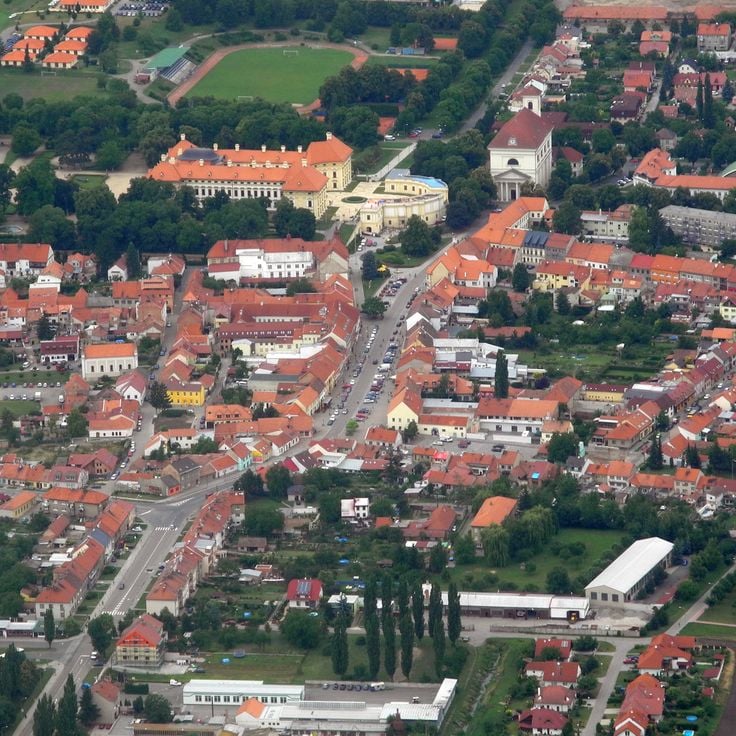
The Austerlitz battlefield is located in Czechia and marks the site of one of Napoleon's most decisive victories in 1805. On that day, French and Austrian armies clashed in a battle that transformed Europe. The rolling terrain preserves the memory of this major conflict. Visitors can walk through the fields and discover the monuments that recall this pivotal period in European history.
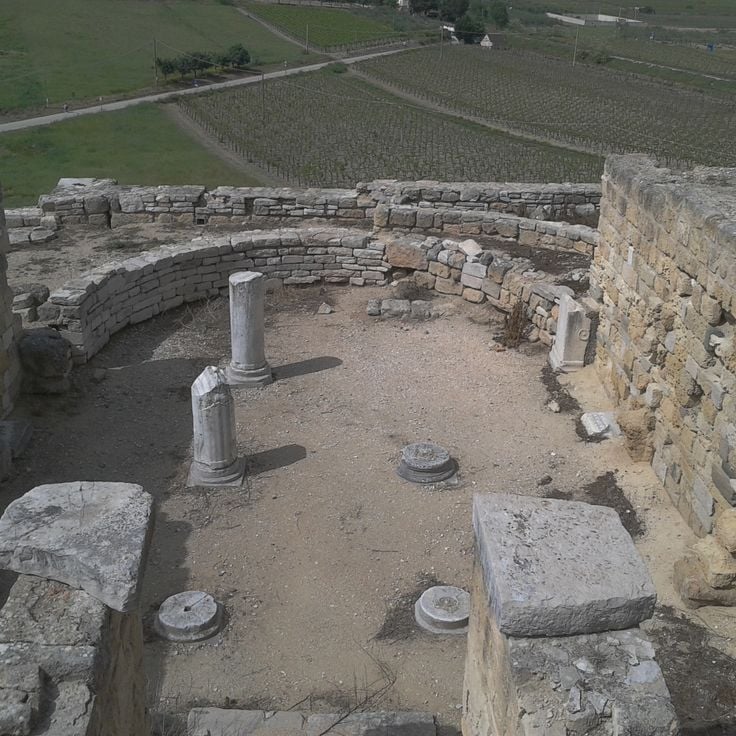
The Cannae battlefield in southern Italy witnessed a decisive victory by Hannibal over the Romans in 216 BCE. This battle marked the peak of Carthaginian power and remains one of the most studied military engagements of ancient times. The landscape of the region shows how the terrain shaped the events of that day. Visitors can explore the site and understand the strategic importance of this place in the history of the ancient world.
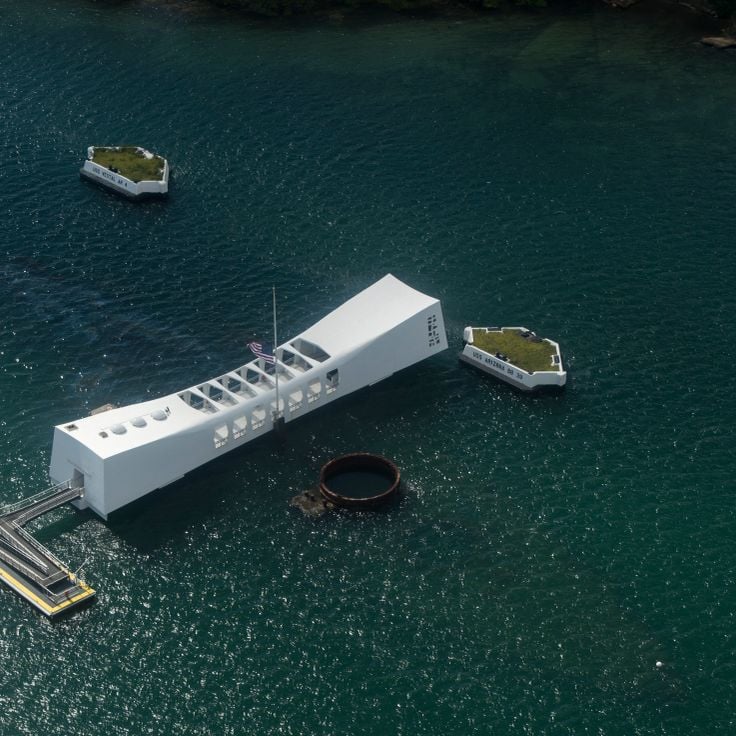
The historic site of Pearl Harbor displays the harbor waters, wreckage of sunken ships, and memorials. On December 7, 1941, a Japanese attack on this location drew the United States into World War II. Visitors can see the landscape where this pivotal event took place and understand how it changed the course of world history. The remaining buildings and docks bear witness to a day that transformed the war.
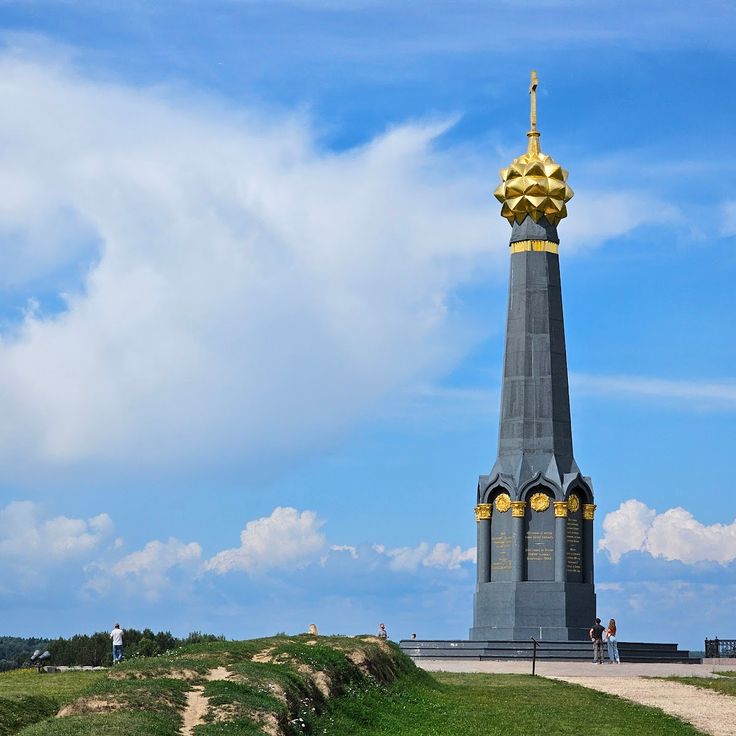
The Borodino battlefield lies in western Russia and marks the site of the largest battle of Napoleon's 1812 campaign. Napoleon and Russian General Kutuzov clashed here in a conflict that proved decisive for Russia's future. The terrain shows roads, bridges, and monuments that recall the fighting. Visitors can walk through the defended positions and see how the landscape shaped the events of this crucial day.
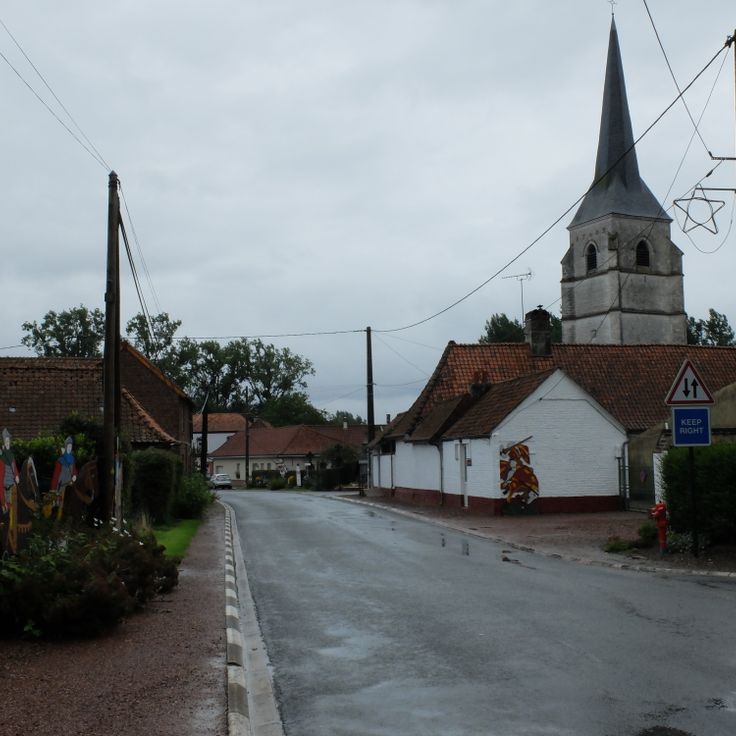
The battlefield of Azincourt lies in Picardy and is the site of a significant English victory in 1415 during the Hundred Years War. On this day, forces commanded by Henry V defeated a much larger French army. The landscape consists of fields and hedgerows that played a crucial role in the battle. Visitors can walk the terrain and see monuments that commemorate the soldiers who fell there.
The Marathon battlefield is located in Greece and marks the place where Greek forces stopped the Persian army in 490 BCE. This victory preserved the independence of Greek city-states and changed the course of European history. The terrain includes the coastal plain and hills that played a role in the events of that day. Visitors can see the burial mounds and monuments that honor the fallen soldiers.
The D-Day beaches of Normandy were the site of the largest amphibious operation of World War II on June 6, 1944. Five beaches - Omaha, Utah, Sword, Juno and Gold - served as gateways for Allied forces to enter Europe. Today, visitors see concrete bunkers, steep cliffs, and military cemeteries that stand as reminders of the day that changed the course of the war. Walking across these beaches, you can feel the weight of history and the scale of what took place here.
The Waterloo battlefield is the site of the decisive 1815 battle that ended Napoleon's rule. Visitors walk across the Belgian plains where fighting took place and discover the Lion's Mound along with monuments that mark this historic place. The terrain keeps its original form and shows through its remains how this major military event unfolded, changing Europe.
The Verdun battlefield is one of the major sites of World War I. It holds the Douaumont Ossuary, which honors the soldiers who died in this war. The place shows the intensity of this confrontation. Visitors can see the landscape marked by combat and understand the heavy cost of this conflict.
The El Alamein battlefield sits in Egypt's desert landscape and marks a turning point in World War II. In 1942, the Allies defeated the Axis powers here in a decisive clash over control of North Africa. The ground of this barren land still carries traces of the fighting. A military cemetery stands at this location as a memorial to those who died. The desert itself holds the memory of this major military engagement that changed the course of the war in the region.
The Somme battlefield was the site of one of the deadliest battles of the First World War. The landscape still bears deep craters caused by artillery bombardment. Throughout this terrain stand monuments and cemeteries that commemorate the millions of soldiers who fought and died here. The ground itself tells the story of this devastating conflict.
The Stalingrad battlefield is a historical site where one of the most significant battles of the Second World War took place. The Mamayev Kurgan and views of the Volga River define this location, where hundreds of thousands of soldiers died and the course of history changed. Visitors can follow the traces of these battles in the surviving monuments and in the landscape itself. This battlefield shows how military conflicts shaped societies and their memory of these events.
Battle Abbey stands at the exact site of the Battle of Hastings in 1066. It was founded to commemorate the Norman Conquest. The estate includes abbey buildings and historical hills where the fighting took place. Visitors can walk through the ruins and imagine how the events of that day changed the course of English history.
Thermopylae is a mountain pass in central Greece where a major battle took place in 480 BC. Greek forces and the Persian Empire clashed here in a conflict that shaped the course of European history. Today, visitors can see the monument built in memory of the soldiers who fought here and observe the landscape where these important events occurred.
The Gettysburg battlefield was the site of one of the most important battles of the American Civil War in 1863. This field in Pennsylvania holds hills, monuments, and a cemetery that mark where fighting took place. The gently rolling land still carries the history of what happened here and helps visitors understand how this conflict shaped the course of American history.
The ruins of Carthage show what remains of one of the most powerful cities of antiquity. This site was the scene of the Punic Wars between Carthage and Rome, conflicts that reshaped the Mediterranean. Visitors can see remains of ports, temples, and residential quarters that reveal how life unfolded here. Walking through these ruins helps you understand the city's former importance and the scale of the battles that took place here.
Isandlwana is the hill in South Africa where Zulu warriors achieved a decisive victory over the British army in January 1879. The battlefield presents itself as open terrain with slopes and valleys. Stone cairns scattered across the landscape mark the places where soldiers fell during the fighting. As visitors walk the ground, they can follow the positions defended during the battle and understand how Zulu forces defeated a larger British army. The quiet landscape carries the weight of this turning point in South African history.
Adoua is the site of a decisive victory won by Ethiopian forces in 1896 against Italy. Situated in the mountains, this town holds monuments and memorial places that mark a turning point in Ethiopian history. The landscape offers views across the highlands and tells the story of a victory that secured the country's independence.
Omdurman sits on the banks of the Nile in Sudan and was the site of an 1898 battle that proved decisive for British imperialism. The location shows traces of this historical confrontation today. Visitors can see the landscape where Mahdist forces and British-Egyptian troops faced each other. The area tells the story of a conflict that fundamentally changed the region and continues to shape how people understand this period of colonial history.
Rorke's Drift is the site of the famous 1879 battle in South Africa where a small garrison defended itself against a massive attack. The location has a museum, reconstructed buildings, and the river that played a central role in the conflict. This site documents an important moment in South African military history and helps visitors understand the events that took place there.
Yorktown Battlefield is the site where British General Cornwallis surrendered in 1781 during the American Revolutionary War. This location marked a turning point in the struggle for American independence after a lengthy siege. The remains of fortifications and trenches are still visible in the landscape. Visitors can walk the lines where fighting took place and visit monuments dedicated to the soldiers who died in the battle.
The fields of Maipú are a location in Santiago where Chilean independence was consolidated in 1818. This is where the decisive battle took place that brought the country freedom from Spanish rule. The terrain carries the marks of these fights in its hills and preserved structures. Visitors can walk the paths that soldiers crossed more than 200 years ago and see the places where key moments of South American history unfolded.
Little Bighorn sits in the hills and wide plains of Montana and marks an important military conflict of 1876. The site shows monuments and memorials today that recall the events that took place there. This place is part of a global collection of major battlefields that document turning points in military and political history.
The Plaines d'Abraham is an urban park in Quebec where a decisive battle took place in 1759 that changed the course of North American history. The park offers views of the city and presents historical reenactments that show the life of soldiers and the events of that day. Visitors can see the landscape where thousands of men fought and explore several monuments that commemorate this period.
The Ayacucho battlefield sits on a Peruvian Andean plateau and marks the site of a decisive battle in 1824. This ground witnessed one of the most important military clashes that led to South American independence. The landscape tells the story of this crucial moment in military and political history. Today, visitors can explore this location and understand how this battle changed the continent.
The plains of Gaugamela lie in Mesopotamia, in Iraq. Here Alexander the Great defeated the Persian armies of Darius III in 331 BCE. This victory made Alexander master of the Persian Empire and marked a turning point in ancient history. The battle shows the power of strategic thinking and military tactics. The site remains today a historic ground where traces of this decisive clash are visible.
Plassey lies on the banks of the Hooghly River in West Bengal, India, and marks the site where British expansion in Bengal began in 1757. Here, the course of Indian history shifted when British forces under Robert Clive defeated the Nawab of Bengal's army. This battlefield represents a turning point that established British power in the region and set the stage for their control of India. The landscape carries the memory of this decisive moment when the fate of the subcontinent was reshaped.
The hills of Hattin in Galilee were the site of a decisive battle in 1187, when Saladin defeated the Crusader armies. This victory changed the political balance of the Middle East and marked a turning point in medieval military history. The terrain still bears traces of this major clash that reshaped control of the region.
The Sekigahara battlefield lies in a mountainous region of Japan and marks the site of a decisive battle in 1600. On that day, Tokugawa Ieyasu defeated his rivals and established the Tokugawa shogunate, which lasted over 2 centuries. Today, you can walk through rice fields and see monuments that commemorate this battle. The place is surrounded by hills and invites reflection.
Dien Bien Phu is a valley in Vietnam where a decisive battle took place in 1954. This battle marked the end of French colonial rule in Indochina. Visitors can see the remains of fortifications and visit museums that tell the story of the fighting. The hills surrounding the valley still shape the landscape.
Iwo Jima is a Japanese island dominated by Mount Suribachi. In 1945 it was the site of one of the fiercest amphibious battles of World War II. The island is covered in volcanic ash and scattered with memorials honoring the soldiers who fought and died there. Visitors can walk through these places and learn why this small island became a turning point in military history.
The Battle of Kursk in 1943 was the largest tank battle in history and shaped the course of World War II. Today, visitors can explore museums displaying tanks and monuments that commemorate this battle. The vast plains of central Russia tell the story of the events that took place here and how this place changed history.
Gallipoli stands on the cliffs and coves of the Dardanelles, where a major military campaign took place in 1915 during World War I. The landscape still bears the marks of this conflict, with steep coastlines and terrain that shaped the events of that year. Cemeteries and memorial monuments honor the soldiers who fell. For Australia and New Zealand, this place holds deep significance in their national stories and identities.
The Kokoda Track is a jungle trail in Papua New Guinea where a decisive campaign took place in 1942 during the Pacific War. This location marks an important turning point in World War II, when Australian and Allied forces fought against Japanese troops. The trail passes through dense jungle terrain that still bears traces of this intense military conflict. Visitors can experience the difficult conditions that soldiers had to cross during the fighting.
The Austerlitz battlefield is located in Czechia and marks the site of one of Napoleon's most decisive victories in 1805. On that day, French and Austrian armies clashed in a battle that transformed Europe. The rolling terrain preserves the memory of this major conflict. Visitors can walk through the fields and discover the monuments that recall this pivotal period in European history.
The Cannae battlefield in southern Italy witnessed a decisive victory by Hannibal over the Romans in 216 BCE. This battle marked the peak of Carthaginian power and remains one of the most studied military engagements of ancient times. The landscape of the region shows how the terrain shaped the events of that day. Visitors can explore the site and understand the strategic importance of this place in the history of the ancient world.
The historic site of Pearl Harbor displays the harbor waters, wreckage of sunken ships, and memorials. On December 7, 1941, a Japanese attack on this location drew the United States into World War II. Visitors can see the landscape where this pivotal event took place and understand how it changed the course of world history. The remaining buildings and docks bear witness to a day that transformed the war.
The Borodino battlefield lies in western Russia and marks the site of the largest battle of Napoleon's 1812 campaign. Napoleon and Russian General Kutuzov clashed here in a conflict that proved decisive for Russia's future. The terrain shows roads, bridges, and monuments that recall the fighting. Visitors can walk through the defended positions and see how the landscape shaped the events of this crucial day.
The battlefield of Azincourt lies in Picardy and is the site of a significant English victory in 1415 during the Hundred Years War. On this day, forces commanded by Henry V defeated a much larger French army. The landscape consists of fields and hedgerows that played a crucial role in the battle. Visitors can walk the terrain and see monuments that commemorate the soldiers who fell there.
The Marathon battlefield is located in Greece and marks the place where Greek forces stopped the Persian army in 490 BCE. This victory preserved the independence of Greek city-states and changed the course of European history. The terrain includes the coastal plain and hills that played a role in the events of that day. Visitors can see the burial mounds and monuments that honor the fallen soldiers.
The D-Day beaches of Normandy were the site of the largest amphibious operation of World War II on June 6, 1944. Five beaches - Omaha, Utah, Sword, Juno and Gold - served as gateways for Allied forces to enter Europe. Today, visitors see concrete bunkers, steep cliffs, and military cemeteries that stand as reminders of the day that changed the course of the war. Walking across these beaches, you can feel the weight of history and the scale of what took place here.
The Waterloo battlefield is the site of the decisive 1815 battle that ended Napoleon's rule. Visitors walk across the Belgian plains where fighting took place and discover the Lion's Mound along with monuments that mark this historic place. The terrain keeps its original form and shows through its remains how this major military event unfolded, changing Europe.
The Verdun battlefield is one of the major sites of World War I. It holds the Douaumont Ossuary, which honors the soldiers who died in this war. The place shows the intensity of this confrontation. Visitors can see the landscape marked by combat and understand the heavy cost of this conflict.
The El Alamein battlefield sits in Egypt's desert landscape and marks a turning point in World War II. In 1942, the Allies defeated the Axis powers here in a decisive clash over control of North Africa. The ground of this barren land still carries traces of the fighting. A military cemetery stands at this location as a memorial to those who died. The desert itself holds the memory of this major military engagement that changed the course of the war in the region.
The Somme battlefield was the site of one of the deadliest battles of the First World War. The landscape still bears deep craters caused by artillery bombardment. Throughout this terrain stand monuments and cemeteries that commemorate the millions of soldiers who fought and died here. The ground itself tells the story of this devastating conflict.
The Stalingrad battlefield is a historical site where one of the most significant battles of the Second World War took place. The Mamayev Kurgan and views of the Volga River define this location, where hundreds of thousands of soldiers died and the course of history changed. Visitors can follow the traces of these battles in the surviving monuments and in the landscape itself. This battlefield shows how military conflicts shaped societies and their memory of these events.
Battle Abbey stands at the exact site of the Battle of Hastings in 1066. It was founded to commemorate the Norman Conquest. The estate includes abbey buildings and historical hills where the fighting took place. Visitors can walk through the ruins and imagine how the events of that day changed the course of English history.
Thermopylae is a mountain pass in central Greece where a major battle took place in 480 BC. Greek forces and the Persian Empire clashed here in a conflict that shaped the course of European history. Today, visitors can see the monument built in memory of the soldiers who fought here and observe the landscape where these important events occurred.
The Gettysburg battlefield was the site of one of the most important battles of the American Civil War in 1863. This field in Pennsylvania holds hills, monuments, and a cemetery that mark where fighting took place. The gently rolling land still carries the history of what happened here and helps visitors understand how this conflict shaped the course of American history.
The ruins of Carthage show what remains of one of the most powerful cities of antiquity. This site was the scene of the Punic Wars between Carthage and Rome, conflicts that reshaped the Mediterranean. Visitors can see remains of ports, temples, and residential quarters that reveal how life unfolded here. Walking through these ruins helps you understand the city's former importance and the scale of the battles that took place here.
Isandlwana is the hill in South Africa where Zulu warriors achieved a decisive victory over the British army in January 1879. The battlefield presents itself as open terrain with slopes and valleys. Stone cairns scattered across the landscape mark the places where soldiers fell during the fighting. As visitors walk the ground, they can follow the positions defended during the battle and understand how Zulu forces defeated a larger British army. The quiet landscape carries the weight of this turning point in South African history.
Adoua is the site of a decisive victory won by Ethiopian forces in 1896 against Italy. Situated in the mountains, this town holds monuments and memorial places that mark a turning point in Ethiopian history. The landscape offers views across the highlands and tells the story of a victory that secured the country's independence.
Omdurman sits on the banks of the Nile in Sudan and was the site of an 1898 battle that proved decisive for British imperialism. The location shows traces of this historical confrontation today. Visitors can see the landscape where Mahdist forces and British-Egyptian troops faced each other. The area tells the story of a conflict that fundamentally changed the region and continues to shape how people understand this period of colonial history.
Rorke's Drift is the site of the famous 1879 battle in South Africa where a small garrison defended itself against a massive attack. The location has a museum, reconstructed buildings, and the river that played a central role in the conflict. This site documents an important moment in South African military history and helps visitors understand the events that took place there.
Yorktown Battlefield is the site where British General Cornwallis surrendered in 1781 during the American Revolutionary War. This location marked a turning point in the struggle for American independence after a lengthy siege. The remains of fortifications and trenches are still visible in the landscape. Visitors can walk the lines where fighting took place and visit monuments dedicated to the soldiers who died in the battle.
The fields of Maipú are a location in Santiago where Chilean independence was consolidated in 1818. This is where the decisive battle took place that brought the country freedom from Spanish rule. The terrain carries the marks of these fights in its hills and preserved structures. Visitors can walk the paths that soldiers crossed more than 200 years ago and see the places where key moments of South American history unfolded.
Little Bighorn sits in the hills and wide plains of Montana and marks an important military conflict of 1876. The site shows monuments and memorials today that recall the events that took place there. This place is part of a global collection of major battlefields that document turning points in military and political history.
The Plaines d'Abraham is an urban park in Quebec where a decisive battle took place in 1759 that changed the course of North American history. The park offers views of the city and presents historical reenactments that show the life of soldiers and the events of that day. Visitors can see the landscape where thousands of men fought and explore several monuments that commemorate this period.
The Ayacucho battlefield sits on a Peruvian Andean plateau and marks the site of a decisive battle in 1824. This ground witnessed one of the most important military clashes that led to South American independence. The landscape tells the story of this crucial moment in military and political history. Today, visitors can explore this location and understand how this battle changed the continent.
The plains of Gaugamela lie in Mesopotamia, in Iraq. Here Alexander the Great defeated the Persian armies of Darius III in 331 BCE. This victory made Alexander master of the Persian Empire and marked a turning point in ancient history. The battle shows the power of strategic thinking and military tactics. The site remains today a historic ground where traces of this decisive clash are visible.
Plassey lies on the banks of the Hooghly River in West Bengal, India, and marks the site where British expansion in Bengal began in 1757. Here, the course of Indian history shifted when British forces under Robert Clive defeated the Nawab of Bengal's army. This battlefield represents a turning point that established British power in the region and set the stage for their control of India. The landscape carries the memory of this decisive moment when the fate of the subcontinent was reshaped.
The hills of Hattin in Galilee were the site of a decisive battle in 1187, when Saladin defeated the Crusader armies. This victory changed the political balance of the Middle East and marked a turning point in medieval military history. The terrain still bears traces of this major clash that reshaped control of the region.
The Sekigahara battlefield lies in a mountainous region of Japan and marks the site of a decisive battle in 1600. On that day, Tokugawa Ieyasu defeated his rivals and established the Tokugawa shogunate, which lasted over 2 centuries. Today, you can walk through rice fields and see monuments that commemorate this battle. The place is surrounded by hills and invites reflection.
Dien Bien Phu is a valley in Vietnam where a decisive battle took place in 1954. This battle marked the end of French colonial rule in Indochina. Visitors can see the remains of fortifications and visit museums that tell the story of the fighting. The hills surrounding the valley still shape the landscape.
Iwo Jima is a Japanese island dominated by Mount Suribachi. In 1945 it was the site of one of the fiercest amphibious battles of World War II. The island is covered in volcanic ash and scattered with memorials honoring the soldiers who fought and died there. Visitors can walk through these places and learn why this small island became a turning point in military history.
The Battle of Kursk in 1943 was the largest tank battle in history and shaped the course of World War II. Today, visitors can explore museums displaying tanks and monuments that commemorate this battle. The vast plains of central Russia tell the story of the events that took place here and how this place changed history.
Gallipoli stands on the cliffs and coves of the Dardanelles, where a major military campaign took place in 1915 during World War I. The landscape still bears the marks of this conflict, with steep coastlines and terrain that shaped the events of that year. Cemeteries and memorial monuments honor the soldiers who fell. For Australia and New Zealand, this place holds deep significance in their national stories and identities.
The Kokoda Track is a jungle trail in Papua New Guinea where a decisive campaign took place in 1942 during the Pacific War. This location marks an important turning point in World War II, when Australian and Allied forces fought against Japanese troops. The trail passes through dense jungle terrain that still bears traces of this intense military conflict. Visitors can experience the difficult conditions that soldiers had to cross during the fighting.
The Austerlitz battlefield is located in Czechia and marks the site of one of Napoleon's most decisive victories in 1805. On that day, French and Austrian armies clashed in a battle that transformed Europe. The rolling terrain preserves the memory of this major conflict. Visitors can walk through the fields and discover the monuments that recall this pivotal period in European history.
The Cannae battlefield in southern Italy witnessed a decisive victory by Hannibal over the Romans in 216 BCE. This battle marked the peak of Carthaginian power and remains one of the most studied military engagements of ancient times. The landscape of the region shows how the terrain shaped the events of that day. Visitors can explore the site and understand the strategic importance of this place in the history of the ancient world.
The historic site of Pearl Harbor displays the harbor waters, wreckage of sunken ships, and memorials. On December 7, 1941, a Japanese attack on this location drew the United States into World War II. Visitors can see the landscape where this pivotal event took place and understand how it changed the course of world history. The remaining buildings and docks bear witness to a day that transformed the war.
The Borodino battlefield lies in western Russia and marks the site of the largest battle of Napoleon's 1812 campaign. Napoleon and Russian General Kutuzov clashed here in a conflict that proved decisive for Russia's future. The terrain shows roads, bridges, and monuments that recall the fighting. Visitors can walk through the defended positions and see how the landscape shaped the events of this crucial day.
The battlefield of Azincourt lies in Picardy and is the site of a significant English victory in 1415 during the Hundred Years War. On this day, forces commanded by Henry V defeated a much larger French army. The landscape consists of fields and hedgerows that played a crucial role in the battle. Visitors can walk the terrain and see monuments that commemorate the soldiers who fell there.
The Marathon battlefield is located in Greece and marks the place where Greek forces stopped the Persian army in 490 BCE. This victory preserved the independence of Greek city-states and changed the course of European history. The terrain includes the coastal plain and hills that played a role in the events of that day. Visitors can see the burial mounds and monuments that honor the fallen soldiers.