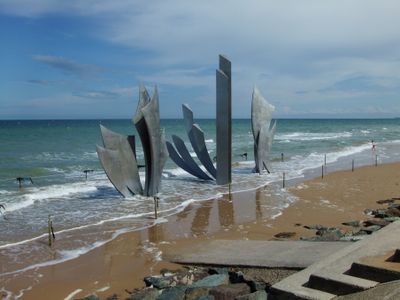
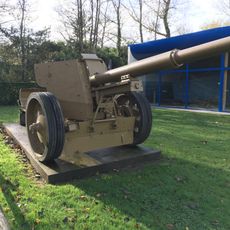
Plages du débarquement allié en Normandie, World War II landing sites in Normandy, France
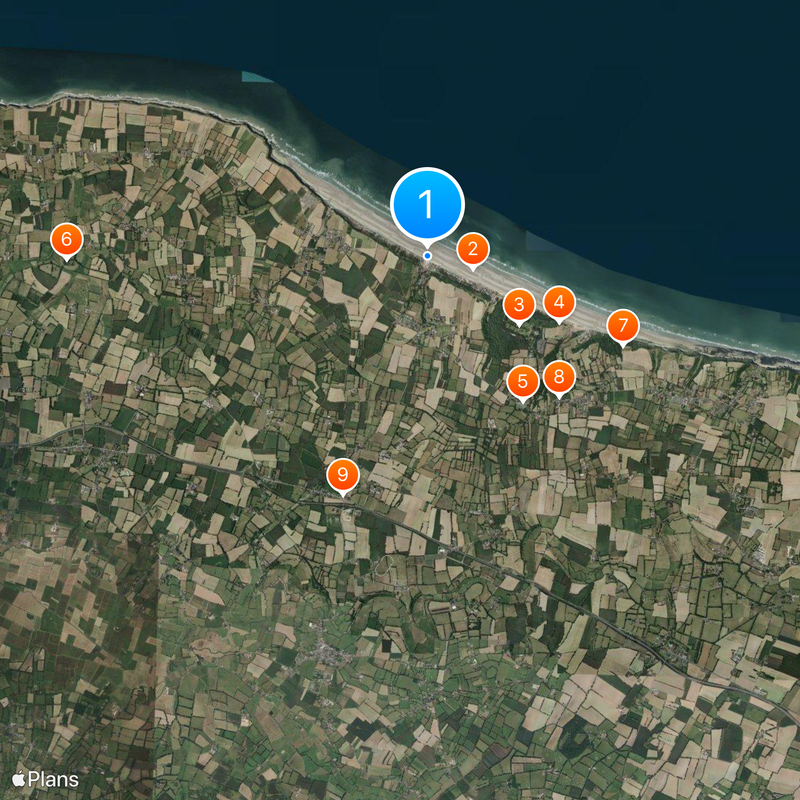
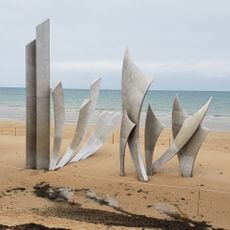
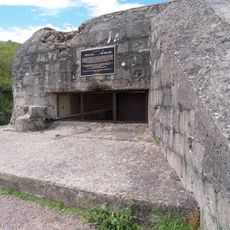
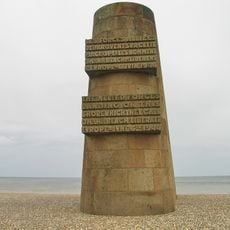
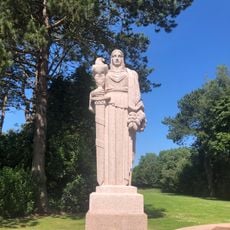
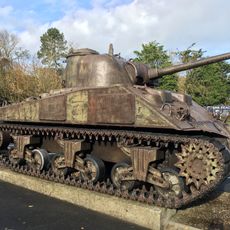
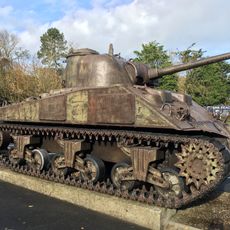
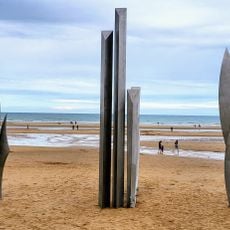
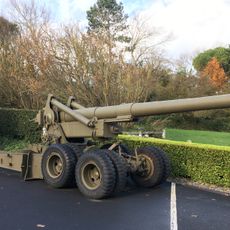
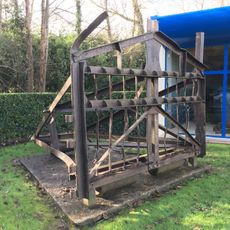
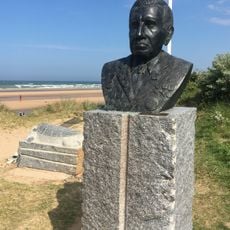
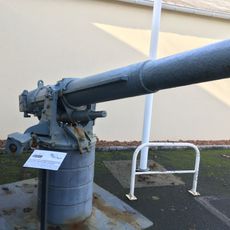
The Plages du débarquement allié en Normandie form a series of five coastal sectors spread across more than 80 kilometers of the Norman shoreline, where wartime fortifications, concrete shelters, and memorial monuments remain intact. Each sector carries its own designation and displays different installations, from gun emplacements and tank obstacles to remnants of defensive lines carved into the cliffs.
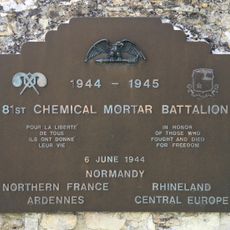
On June 6, 1944, Allied armies launched Operation Overlord and landed on these five stretches, codenamed Utah, Omaha, Gold, Juno, and Sword, to begin the liberation of Western Europe from German occupation. In the days following the initial assault, engineer corps built artificial harbors and secured supply lines that enabled the push inland.
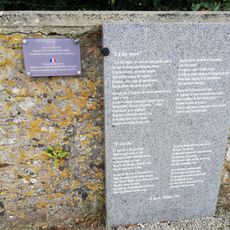
Locals refer to these sites as"D-Day beaches," and each coastline section carries distinct national memories tied to the troops who landed there. Visitors today walk paths marked by preserved command posts and observation points that remain as they were left decades ago.
Visiting all five beach sectors requires several days or focused planning, as they span a long stretch of coast with separate access roads and parking areas. Walking allows close inspection of the installations at each site, but a car is helpful for traveling between sectors.
The remains of the temporary harbor at Arromanches still rise from the water, showing the massive concrete boxes sunk within weeks of the landings. At Pointe du Hoc, deep bomb craters remain visible on the cliffs, left by the fierce fight for German gun positions.
The community of curious travelers
AroundUs brings together thousands of curated places, local tips, and hidden gems, enriched daily by 60,000 contributors worldwide.