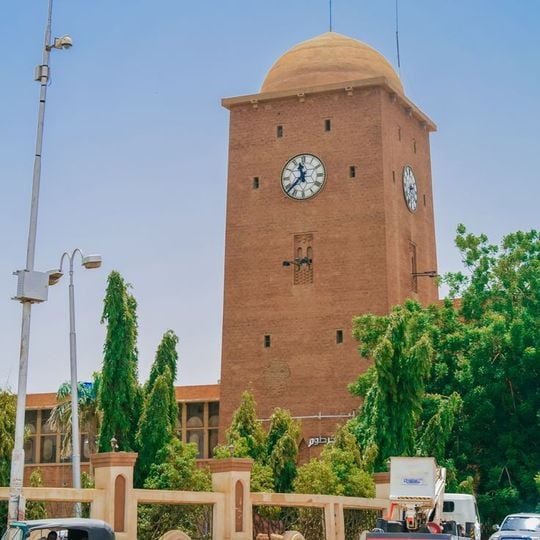
Omdurman
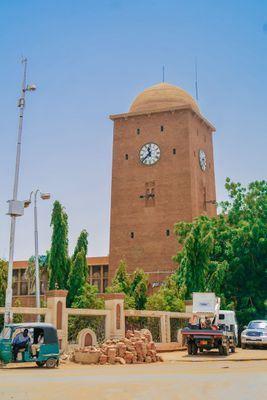
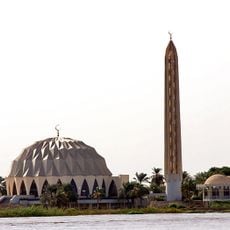
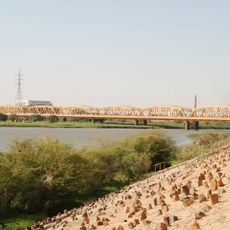
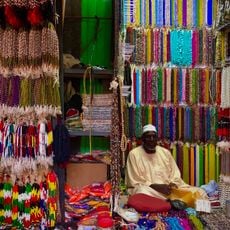
Omdurman is a city on the west bank of the Nile River in Sudan with narrow streets, traditional mud-brick homes, and busy markets that form the daily landscape. Old buildings stand alongside modern shops while the air fills with the sounds and smells of local trade, with vendors selling fabrics, spices, traditional crafts, and food throughout the day.
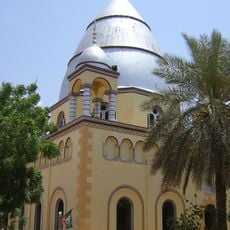
Omdurman grew rapidly after becoming the home of the Mahdi's tomb, a religious leader whose followers shaped the region through a significant movement. The Battle of Omdurman in 1898 became a turning point when British forces defeated the Mahdist fighters, fundamentally changing control of Sudan and the city's role in the region.
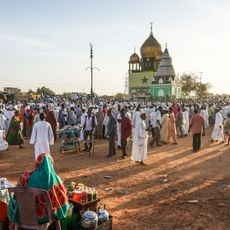
The name Omdurman originates from a historical reference, and this heritage shapes how residents live and gather today. Traditional dress, music performances during local events, and the central role of mosques and religious schools in daily routines reflect the strong customs that define community life.
The best way to explore the city is on foot or by local taxi, with streets becoming especially crowded in the evening when people return from work and markets. Visiting early in the day helps you experience its lively rhythm while giving you time to respect local customs and traditional dress expectations.
The Khalifa House Museum preserves the daily life of the Mahdist leader through original furniture, decorations, and personal items from that era. These objects offer visitors a rare glimpse into how an important historical figure lived during a transformative period in the region's past.
The community of curious travelers
AroundUs brings together thousands of curated places, local tips, and hidden gems, enriched daily by 90,798 contributors worldwide.