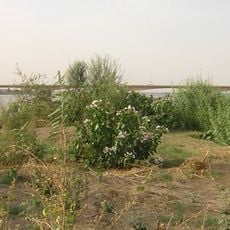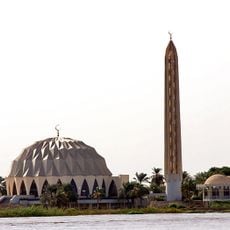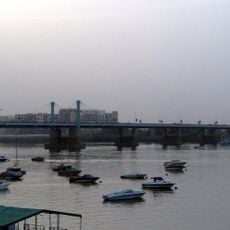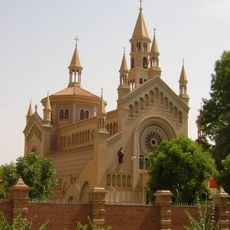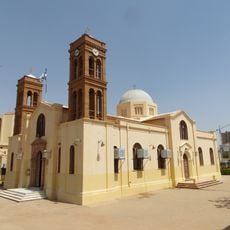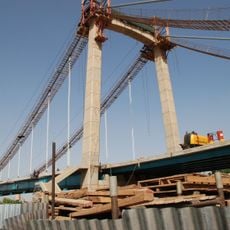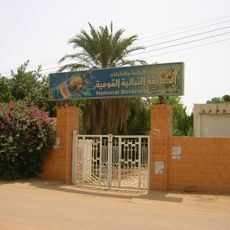
Omdurman, Historic capital on the western bank of Nile River, Sudan.
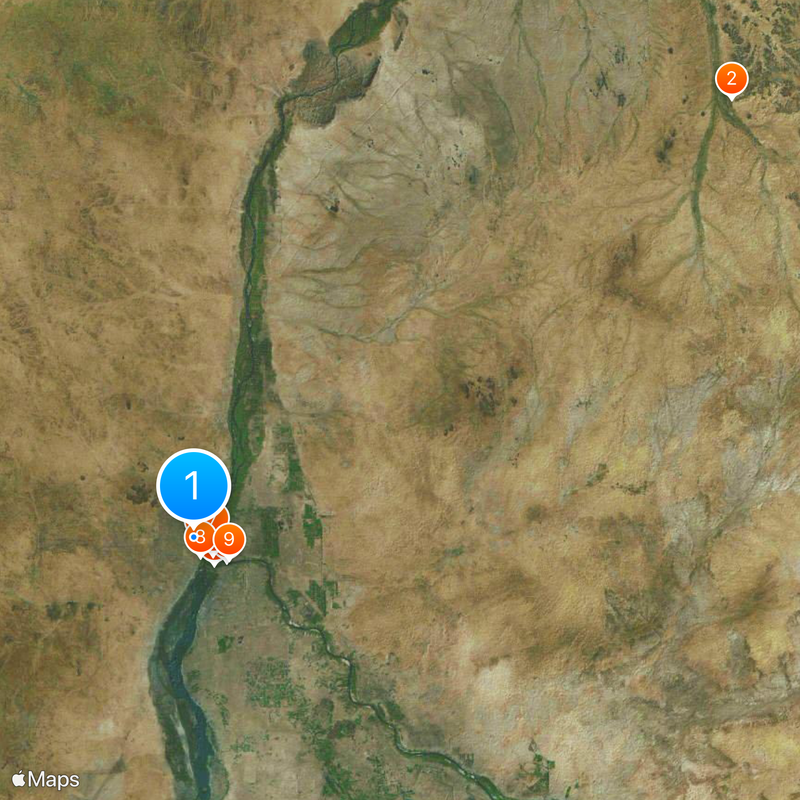
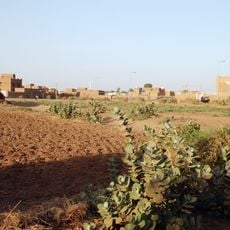
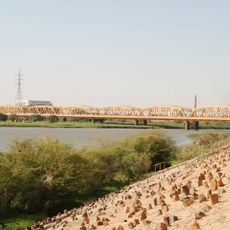
Omdurman sits on the western bank of the Nile River below the meeting point of the Blue and White Niles, forming part of Sudan's largest metropolitan region. The city extends several kilometers along the river, connecting residential and commercial areas with the central bazaar and factories on the outskirts.
The settlement grew from a small village into a larger center after Muhammad Ahmad's victory against British forces in 1885, establishing it as the Mahdist capital. The British recapture in 1898 ended that period, but the area remained inhabited and continued to grow throughout the 20th century.
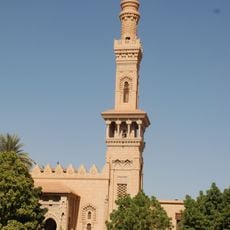
The Islamic University of Omdurman has taught Islamic law and religious studies near the main mosque since 1912. Students from different regions come here to complete their education at one of the oldest Islamic educational institutions in the country.
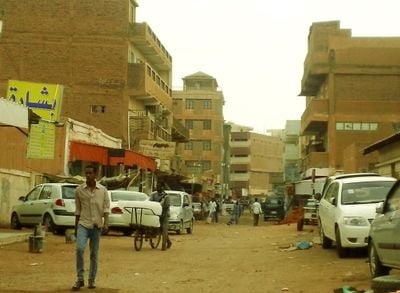
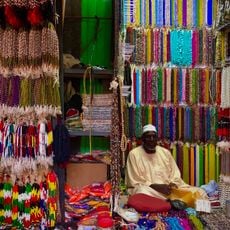
The central bazaar gives access to local products such as hides, textiles, and agricultural goods, while visitors can also observe workshops for handicrafts and furniture. Hot mornings are less suited for longer explorations, so early morning or late afternoon hours are more comfortable.
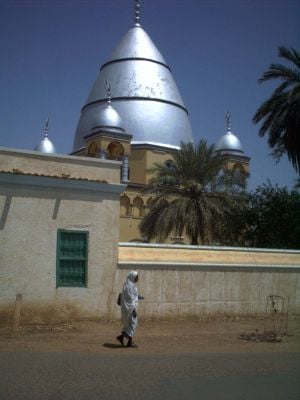
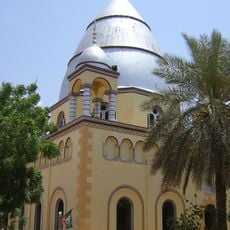
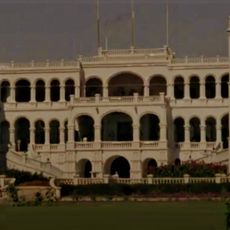
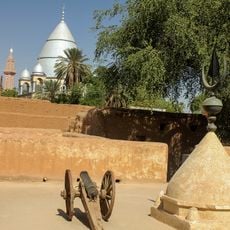
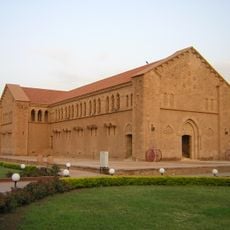
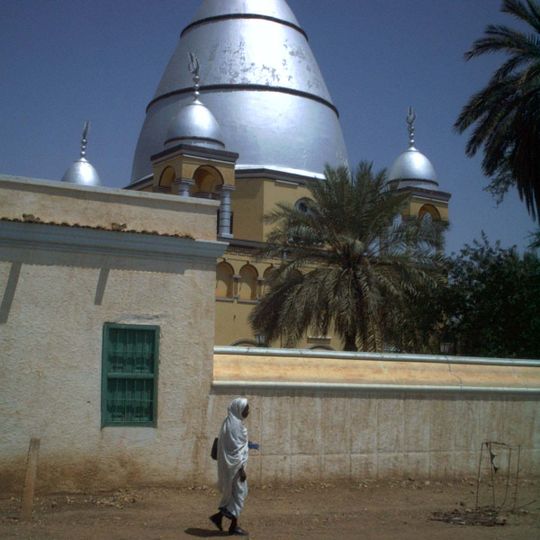
The restored tomb of al-Mahdi stands near the site where British forces destroyed the original mausoleum in 1898. The former residence of Abd Allah was later converted into a museum that displays objects from the Mahdist period.
The community of curious travelers
AroundUs brings together thousands of curated places, local tips, and hidden gems, enriched daily by 90,837 contributors worldwide.