Sudan, Republic in Northeast Africa
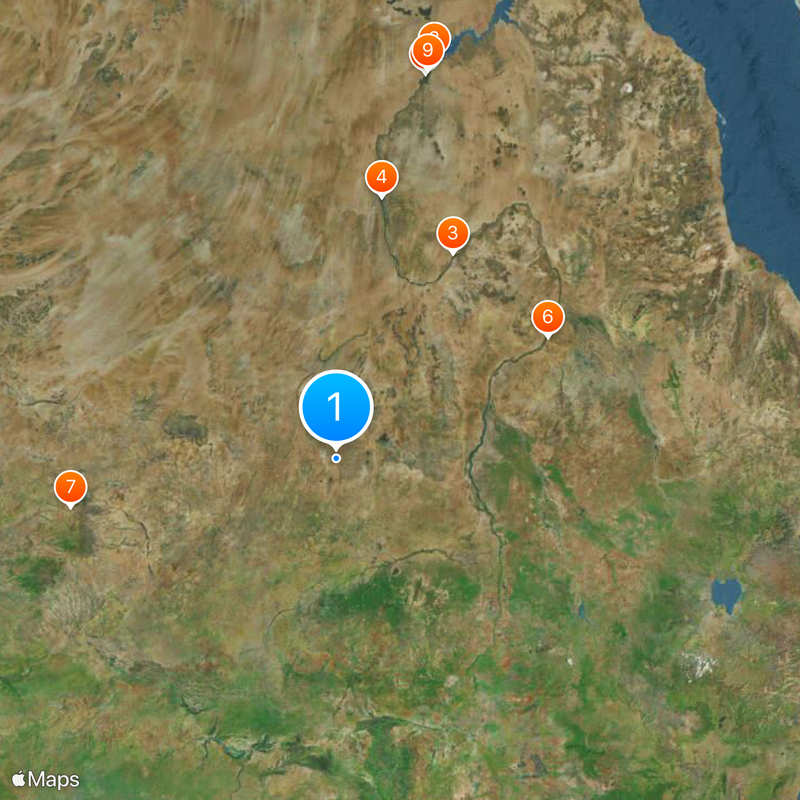
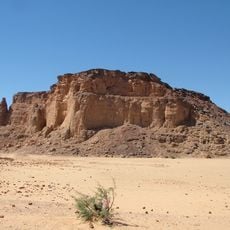
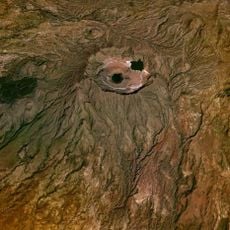
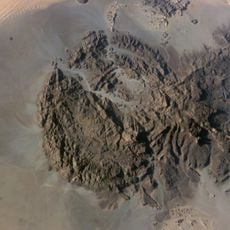
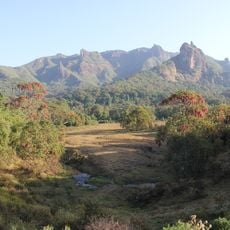
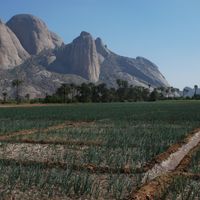
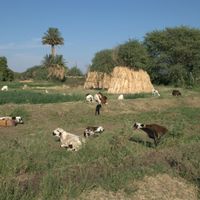
Sudan is a republic in northeastern Africa that extends between Egypt and South Sudan, encompassing Saharan desert in the north and savanna with marshlands toward the south. The Red Sea forms the eastern boundary with a coastline of roughly 530 miles, while mountain ranges such as the Nuba Mountains and Jebel Marra interrupt the flatter terrain.
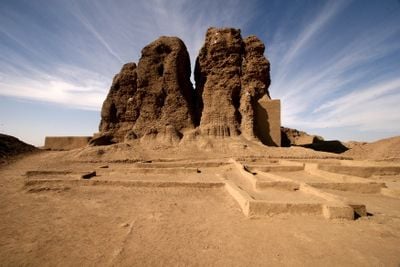
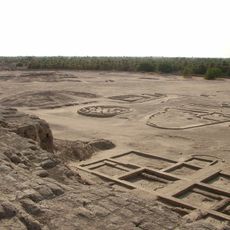
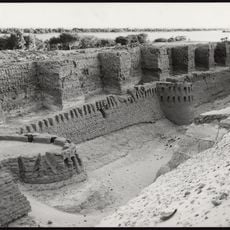
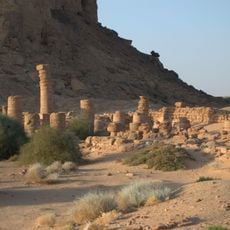
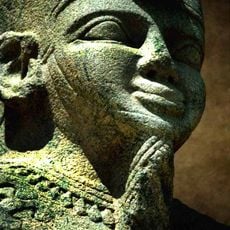
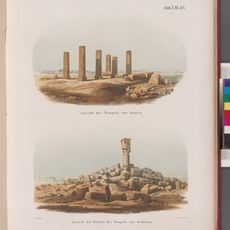
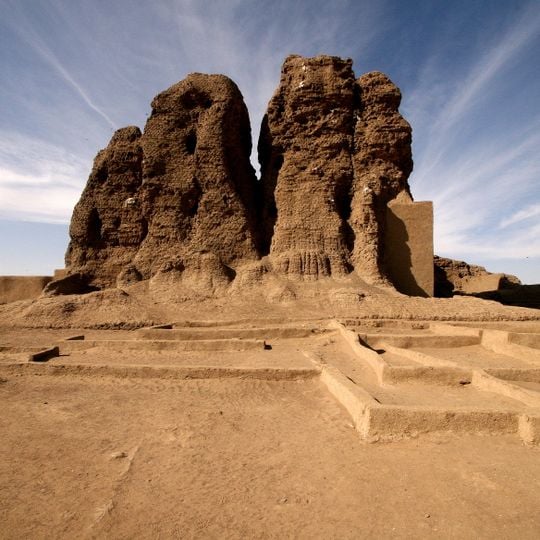
Ancient kingdoms such as Kerma and Kush governed these territories from around 2500 BCE, constructing pyramids along the Nile. Christian Nubian kingdoms emerged in the sixth century before Islamic expansion arrived in the 14th century, while British-Egyptian colonial administration lasted from 1899 until independence in 1956.
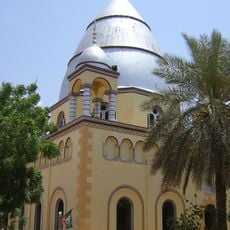
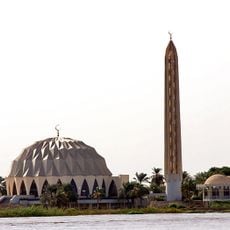
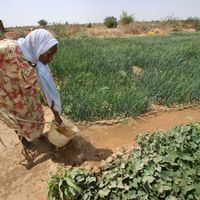
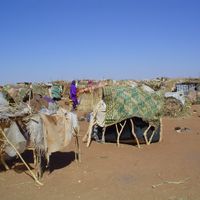
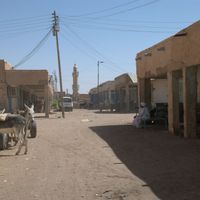
Islamic observance shapes daily life across most regions, with mosques serving as the center of each neighborhood. Craft traditions such as leather working and pottery follow methods developed over centuries, while Sufi music represents a particular form of spiritual expression.
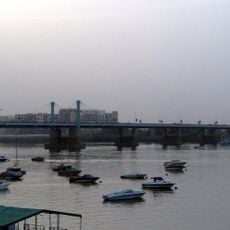
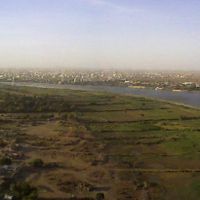
Khartoum sits at the confluence of the White and Blue Nile rivers and serves as the main transportation hub with an international airport. Temperatures often exceed 105 degrees Fahrenheit during summer months from June through August, while November through March offers milder weather, and cash is necessary for most transactions outside the capital.
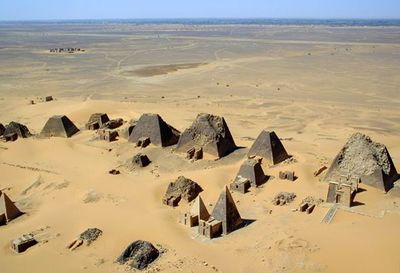
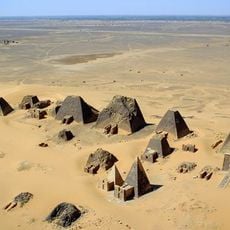
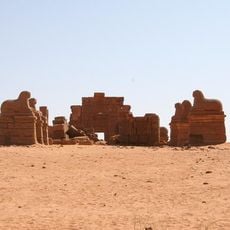
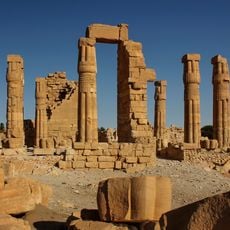
More than 200 pyramids stand in the northern regions, exceeding the number in Egypt, though these receive less international attention. The archaeological site of Meroë contains 40 of these pyramids in a single field, with these Nubian burial structures differing through steeper angles and smaller base dimensions than their Egyptian counterparts.
The community of curious travelers
AroundUs brings together thousands of curated places, local tips, and hidden gems, enriched daily by 90,763 contributors worldwide.