Presidential Palace in Khartoum, Presidential residence in Khartoum, Sudan.
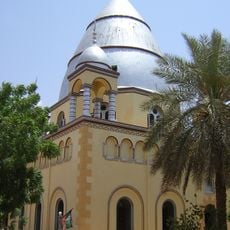
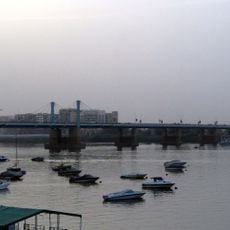
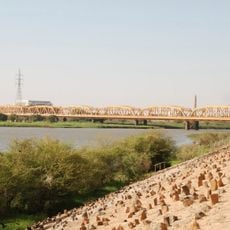
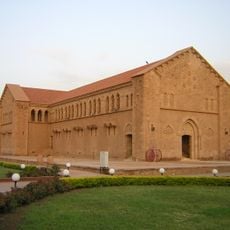
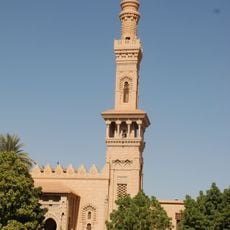
The Presidential Palace in Khartoum is a large complex comprising older and newer buildings positioned along the Nile River. It contains administrative offices, rooms for state ceremonies, and gardens used for official functions and diplomatic activities.
The first palace on the site was begun in 1830, with construction from 1832, as the seat of the Egyptian Sudan's governor-general. Mahdist forces took Khartoum in 1885 and demolished it for building material for Omdurman. On 4 September 1898 Kitchener held a victory ceremony on the ruins, and rebuilding began that November under George Frederick Gorringe, finished by M. R. Kennedy.
The palace's name changed with each regime: Sarray al-Hikimdar under the Turco-Egyptian rule, Sarray al-Hakim al-'Am during the Anglo-Egyptian period, then Republican Palace after 1956. President Nimeiry renamed it "Palace of the People" in 1972 after Major Hashim al-Atta's coup failed, and the old name returned after his 1985 overthrow. Its image appears on Sudanese stamps and banknotes.
The complex sits along the Nile riverbank and is divided into different sections, which can help with orientation. Keep in mind that access may be limited since this is an active government center.
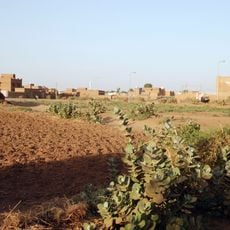
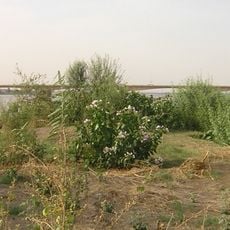
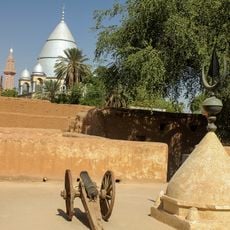
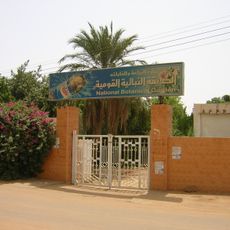
The palace garden holds an open-air museum on its eastern side, next to the small square that long bore the palace's name before becoming Martyrs' Square. The garden covers about 7 hectares and is bounded by smaller outbuildings.
The community of curious travelers
AroundUs brings together thousands of curated places, local tips, and hidden gems, enriched daily by 93,542 contributors worldwide.