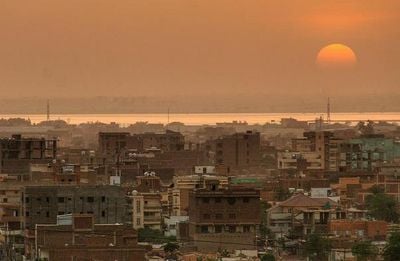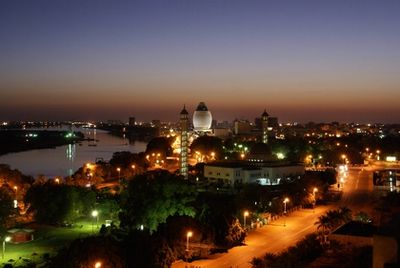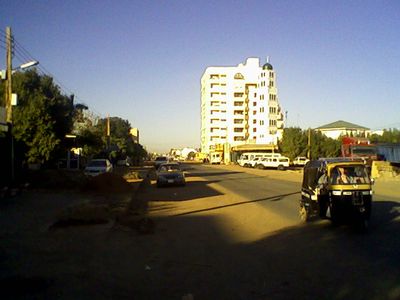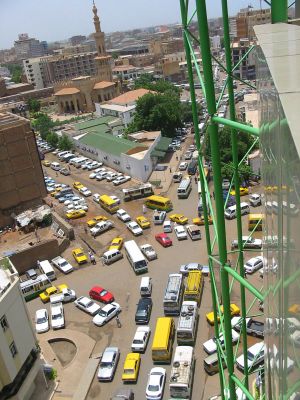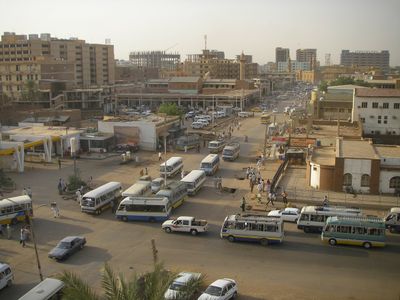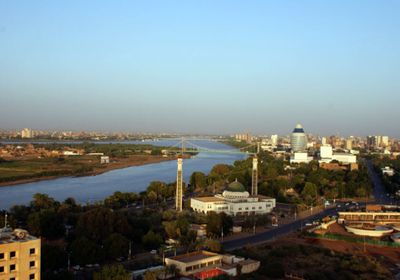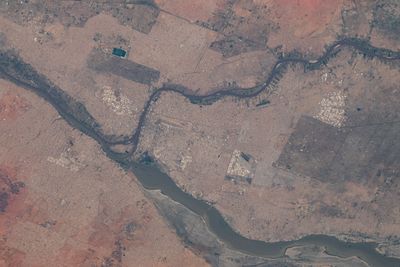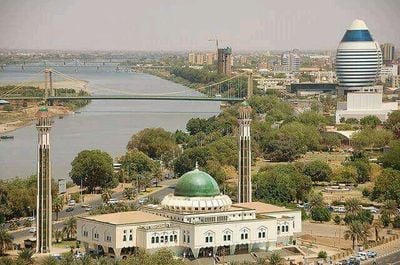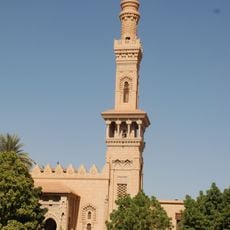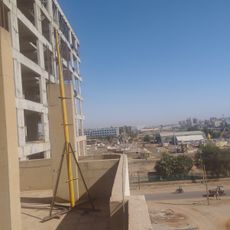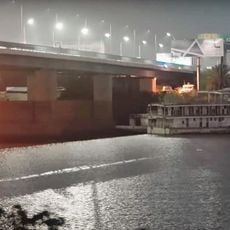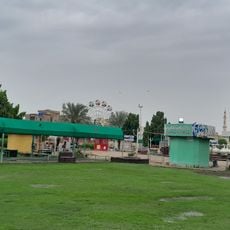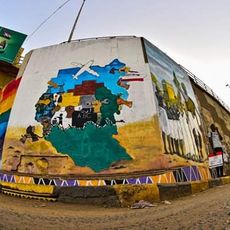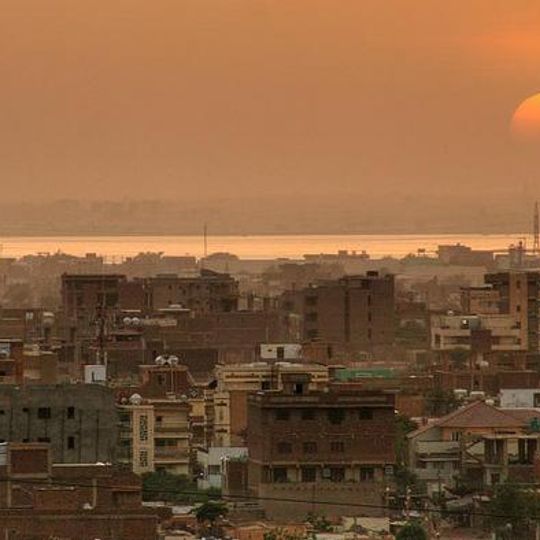
Khartoum, Capital city at the Nile Rivers confluence, Sudan.
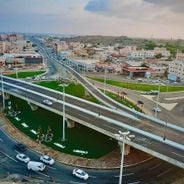
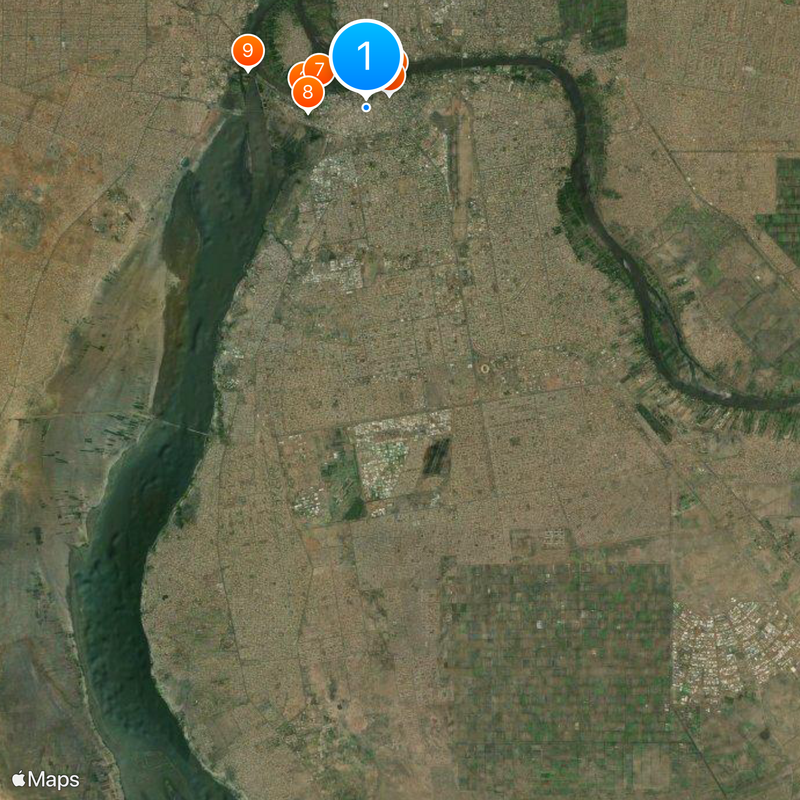
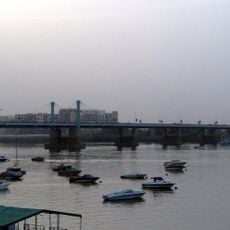
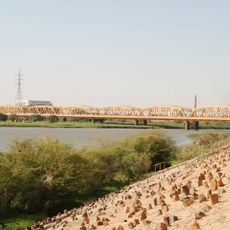
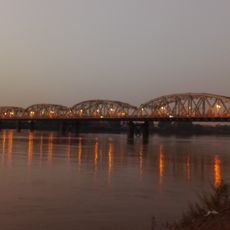
Khartoum spreads across the point where the White and Blue Nile rivers meet, dividing the city into three main districts. Sandy roads lead through low-rise residential areas, administrative buildings and markets that line both riverbanks and fade toward the surrounding desert.
Egyptian forces founded a military post at this river crossing in 1821, which quickly grew into a central hub for administration and trade. Later the city became the scene of sieges and conflicts that shaped its role as the political center of Sudan.
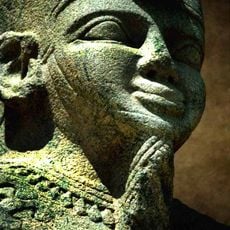
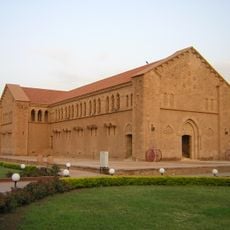
The National Museum displays finds from Nubian kingdoms, including temples and objects from centuries of African history. Along the streets, Arabic music, market calls and the smell of freshly brewed coffee mingle while vendors offer spices, fabrics and handmade crafts.
Temperatures shift between 25 and 45 degrees throughout the year, so carrying water and planning outdoor activities for early morning hours is advisable. Roads are often dusty and uneven, making closed shoes and clothing that protects from the sun recommended.
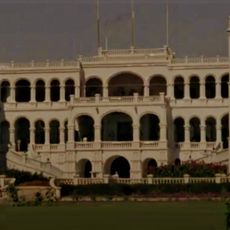
The Presidential Palace stands where General Gordon died in 1885, an event that shaped the course of Sudanese and British colonial history. Close by, a monument marks this moment, still present in many stories told throughout the city today.
The community of curious travelers
AroundUs brings together thousands of curated places, local tips, and hidden gems, enriched daily by 91,994 contributors worldwide.