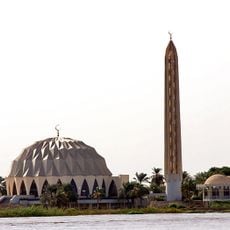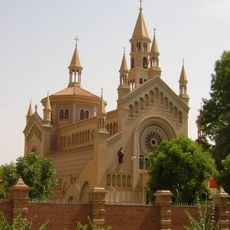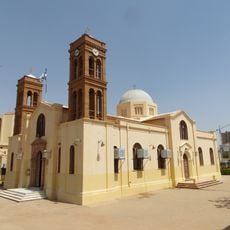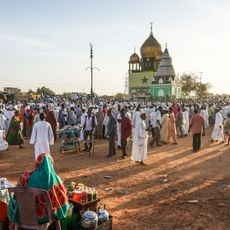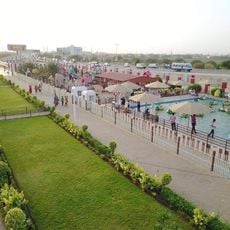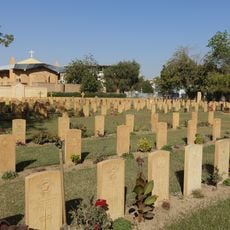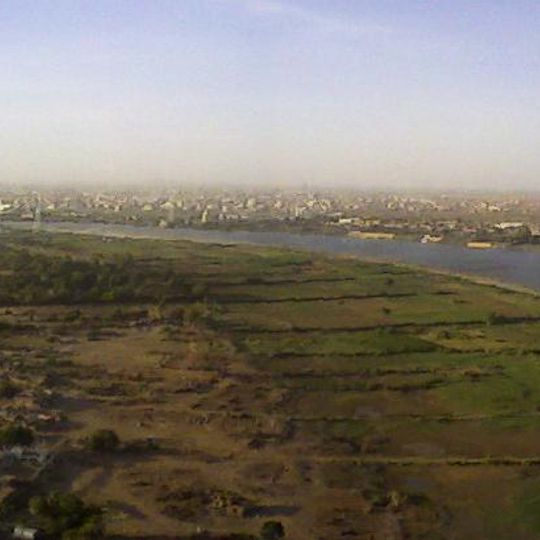
Khartoum, State capital in Sudan
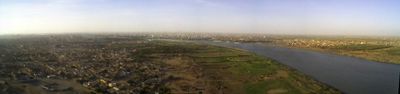
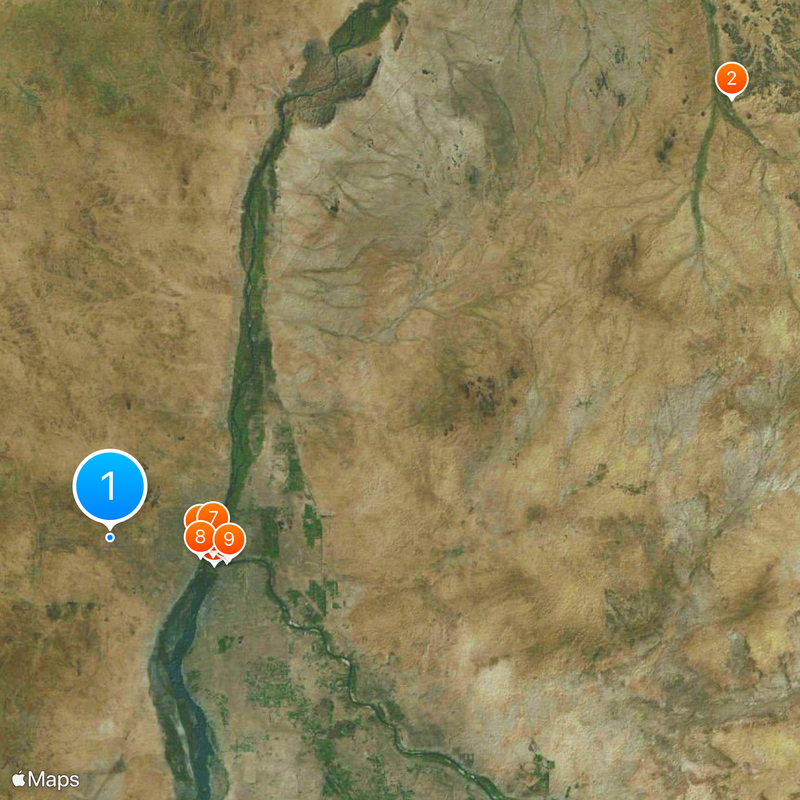
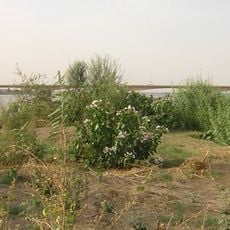
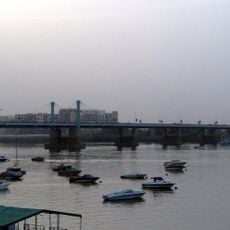
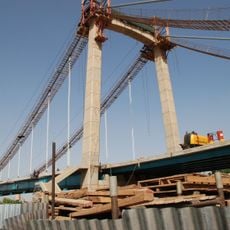
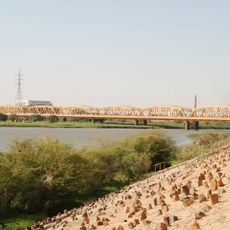
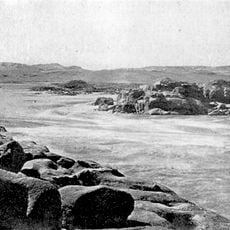
Khartoum sits where the White Nile and Blue Nile meet, forming a natural landmark called Al-Mogran. The city spreads across three main sections—Khartoum proper, Khartoum North, and Omdurman—linked by bridges spanning the rivers.
Founded in 1821 as an Egyptian military outpost, the city became a major trading hub between Ethiopia and Egypt during the 1800s. This commercial role shaped its growth and regional importance over time.
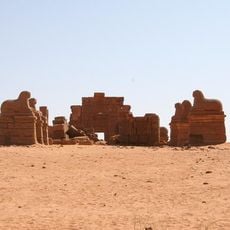
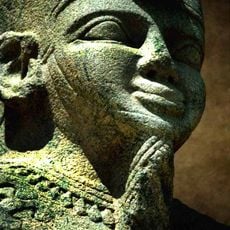
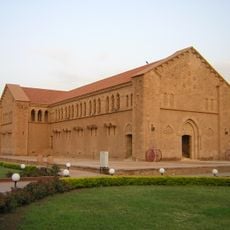
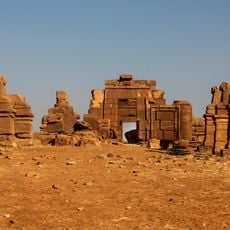
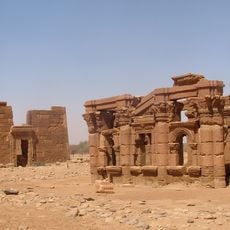
The National Museum houses two Egyptian temples relocated from Lake Nasser and displays archaeological artifacts spanning different periods. These collections reflect the region's layered history and attract visitors interested in ancient civilizations.
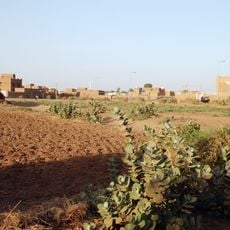
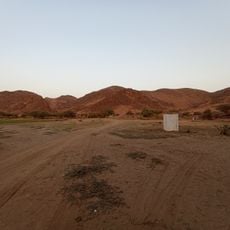
The city gets extremely hot and dry, with temperatures regularly reaching 40°C (104°F) and rainfall only between July and September. Visitors should prepare for intense heat and stay hydrated, especially during the hottest months.
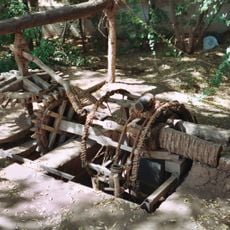
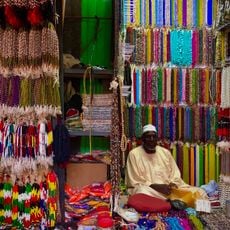
The city is a hub for traditional crafts, with workshops where artisans work using historical techniques. This living craft tradition offers glimpses into local skills and cultural practices passed down through generations.
The community of curious travelers
AroundUs brings together thousands of curated places, local tips, and hidden gems, enriched daily by 92,379 contributors worldwide.