Marrah Mountains, Volcanic mountain range in Darfur region, Sudan
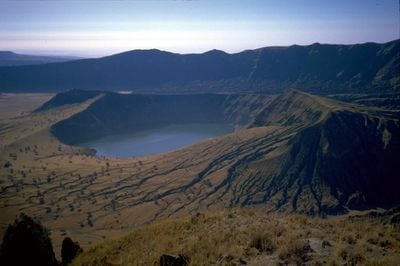
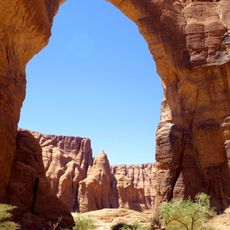
The Marrah Mountains are a volcanic massif rising to 3,042 metres, the highest in Sudan, on the border of South and Central Darfur. At the summit, the Deriba Caldera holds two small dark lakes, one round and one irregular and slightly larger. Narrow ridges and gullies radiate from the rim down slopes that turn from olive-green and tan to rust-red.
The last eruption of the Marrah Mountains occurred around 1500 BC, centred on the Deriba Caldera. It produced pumice and pyroclastic flows that travelled over 30 kilometres, followed by the collapse of the caldera. In precolonial times the range blocked the spread of Arabisation from east to west and served as a refuge for sultans.
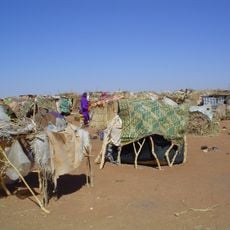
The mountains sit within the ancestral territory of the Fur people and form a natural boundary between ethnic groups across the region. Herding communities have lived on the slopes for generations, shaping how the land is used today.
Access to the mountains is limited and conditions are harsh, with steep slopes and changing weather at higher elevations. Visitors should come well-prepared and bring local guides to navigate safely.
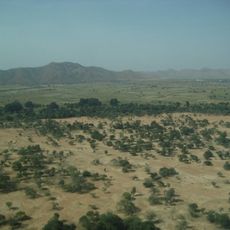
The massif rises about 2,600 metres above the surrounding plain, the only major range in the otherwise flat Sahel apart from the Aïr Mountains of Niger. Its remoteness owes much to the lack of development and the political conflict in Darfur.
The community of curious travelers
AroundUs brings together thousands of curated places, local tips, and hidden gems, enriched daily by 93,542 contributors worldwide.