See the monuments around you in AROpen chests in the app
Around Us is built for your phone — point your camera at the streets and discover the monuments and places around you in augmented reality.Around Us is built for your phone — chests unlock when you walk, explore and capture nearby places.
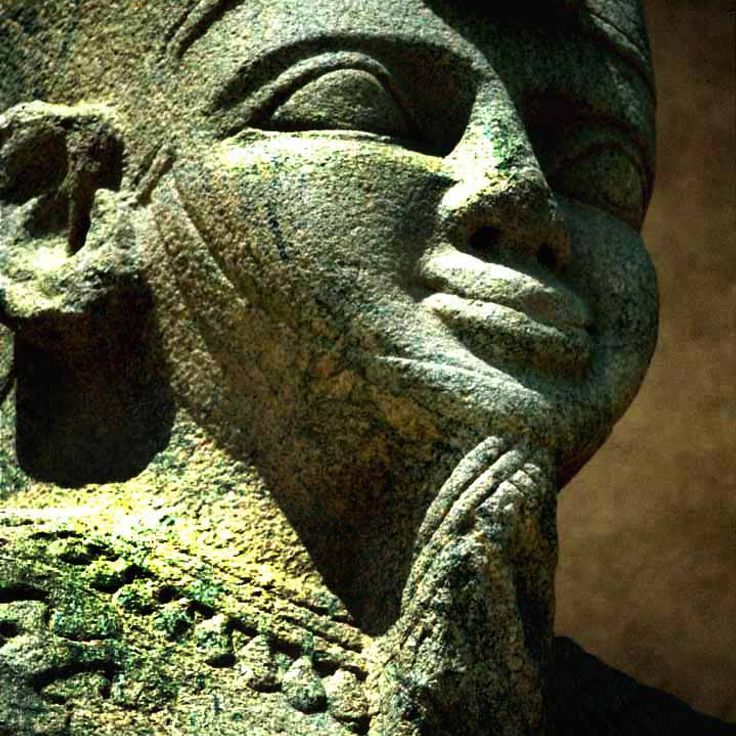
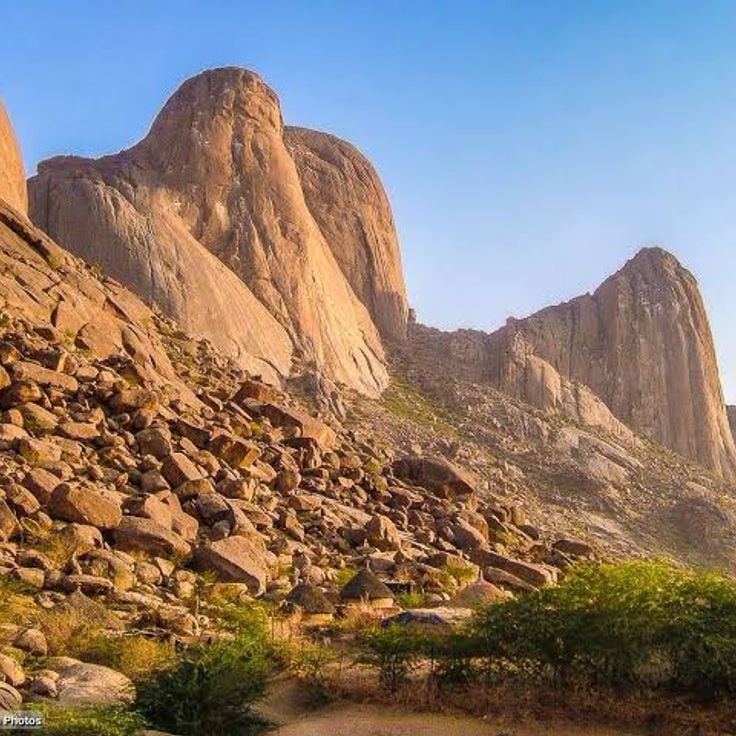
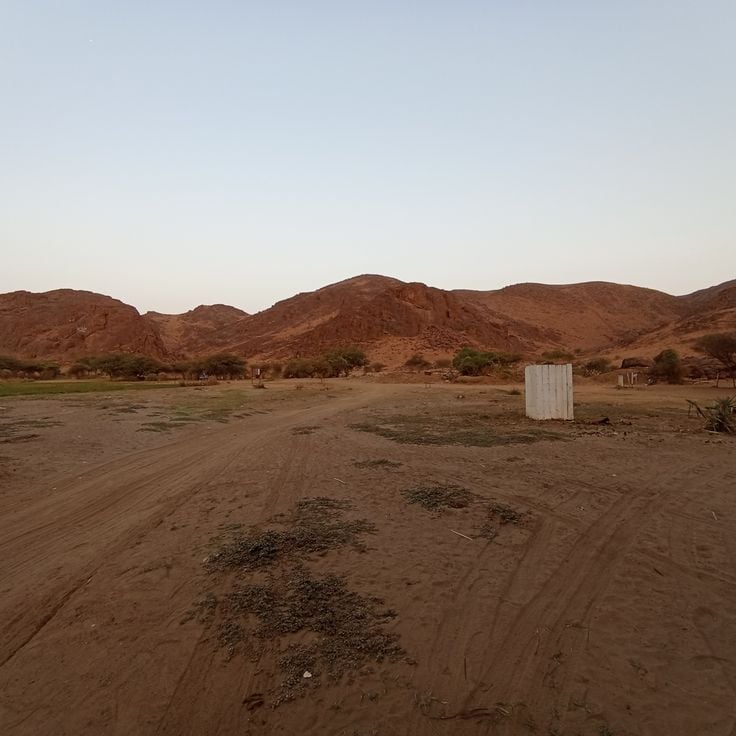
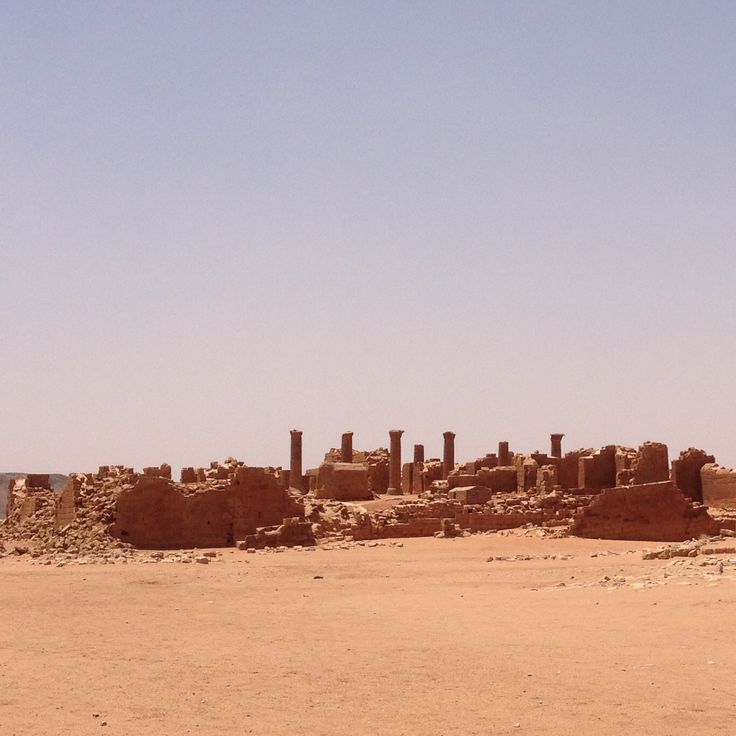
Sudan offers photographers a substantial mix of ancient monuments, desert formations and river landscapes. The country contains more than 200 pyramids at Meroe, Nuri and El-Kurru that differ markedly from their Egyptian counterparts. These Nubian structures rise from the desert with few visitors present, allowing unobstructed shooting. The National Museum of Sudan in Khartoum and the museums at Kerma and Karima display artifacts from the kingdoms of Kush and Meroe. Archaeological sites including Jebel Barkal, Soleb Temple, Naqa and Al-Musawwarat es-Sufra document the region's historical position as a crossroads of African and Mediterranean cultures. The confluence of the Blue and White Nile in Khartoum creates a distinct dividing line between differently colored waters. Tuti Island and Sabaloka Gorge provide perspectives on the river environment. The Nubian Desert, Bayuda Desert with its volcanic cones and the Kassala Mountains present different desert settings. At the Red Sea port of Suakin, 19th-century coral stone buildings slowly deteriorate, while Sanganeb National Park gives access to coral reefs. The markets of Omdurman and Kassala, along with the Sufi shrine at Sheikh Hamad-al Nil, record contemporary Sudanese life. These locations provide substantial photographic opportunities in a country that receives considerably fewer tourists than its neighbors.
Sudan offers photographers a substantial mix of ancient monuments, desert formations and river landscapes. The country contains more than 200 pyramids at Meroe, Nuri and El-Kurru that differ markedly from their Egyptian counterparts. These Nubian structures rise from the desert with few visitors present, allowing unobstructed shooting. The National Museum of Sudan in Khartoum and the museums at Kerma and Karima display artifacts from the kingdoms of Kush and Meroe. Archaeological sites including Jebel Barkal, Soleb Temple, Naqa and Al-Musawwarat es-Sufra document the region's historical position as a crossroads of African and Mediterranean cultures. The confluence of the Blue and White Nile in Khartoum creates a distinct dividing line between differently colored waters. Tuti Island and Sabaloka Gorge provide perspectives on the river environment. The Nubian Desert, Bayuda Desert with its volcanic cones and the Kassala Mountains present different desert settings. At the Red Sea port of Suakin, 19th-century coral stone buildings slowly deteriorate, while Sanganeb National Park gives access to coral reefs. The markets of Omdurman and Kassala, along with the Sufi shrine at Sheikh Hamad-al Nil, record contemporary Sudanese life. These locations provide substantial photographic opportunities in a country that receives considerably fewer tourists than its neighbors.
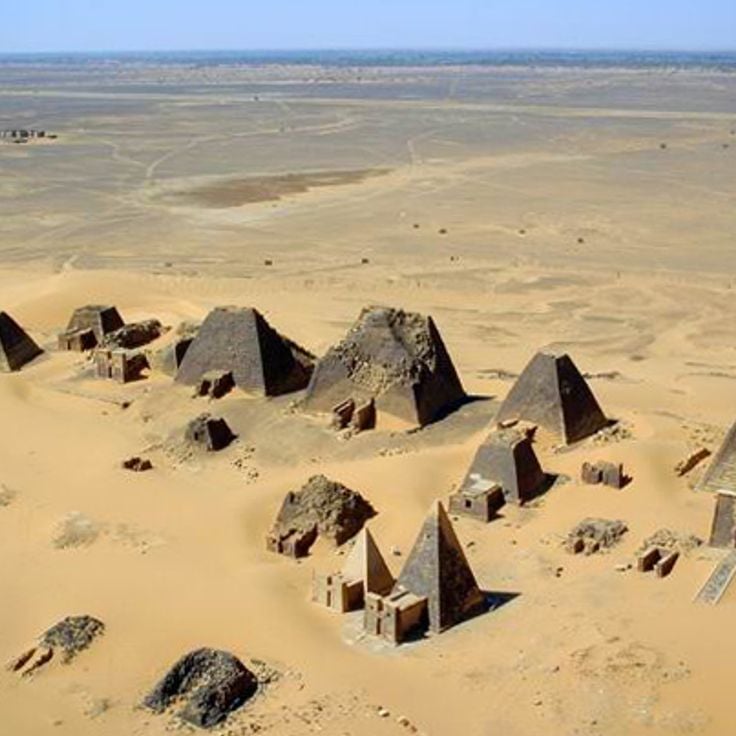
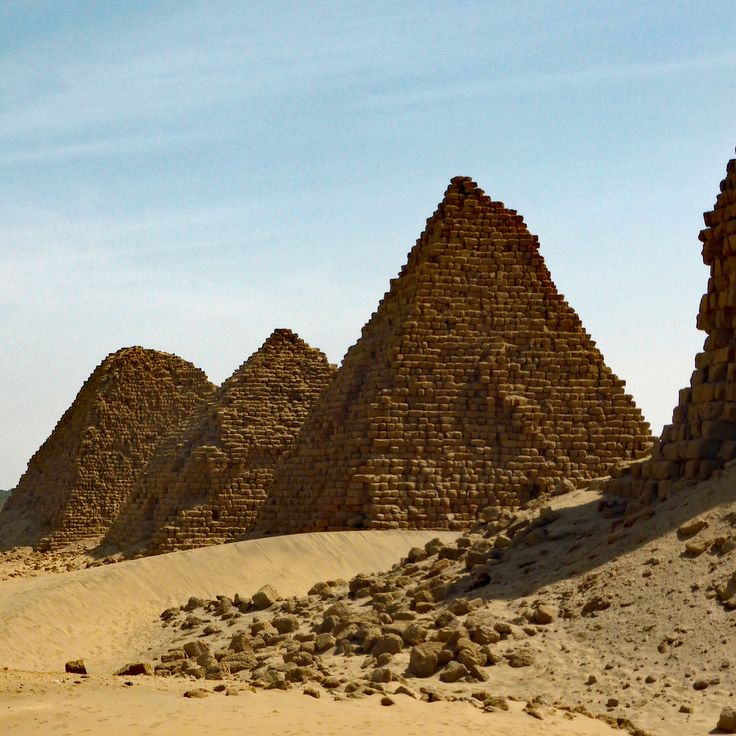
These royal burial grounds from the 8th century BC contain more than 200 pyramids built with red sandstone for Sudanese rulers of the Kushite dynasty, distinct from their Egyptian counterparts with steeper angles and smaller dimensions, making them an exceptional subject for photographing Nubian architecture.
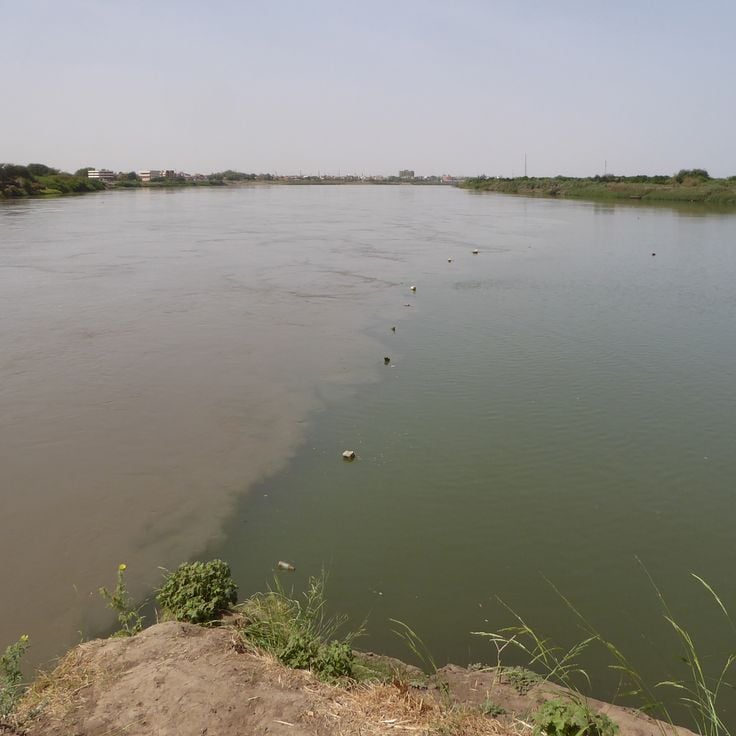
The Nile Confluence in Khartoum shows the merging of the Blue Nile from Ethiopia with the White Nile from Uganda to form the longest river on Earth. This distinctive geographic formation offers photographers the opportunity to capture the contrast between the two differently colored water flows as they join to form a single river, creating one of the most important natural boundaries in the region.
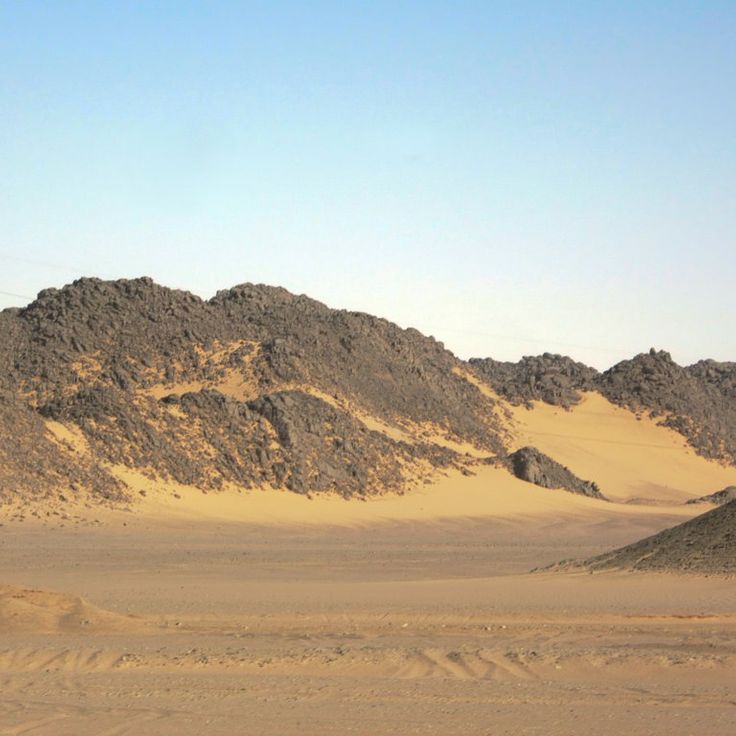
The Nubian Desert stretches between the Nile and the Red Sea, offering photographers a landscape of contrasts with black basalt formations and expansive sand dunes. This desert region in northern Sudan provides compelling subjects through its combination of volcanic rock fields and dune systems that cast strong shadows under intense sunlight, enabling compositions with pronounced depth and texture for those documenting Sudan's natural environments.
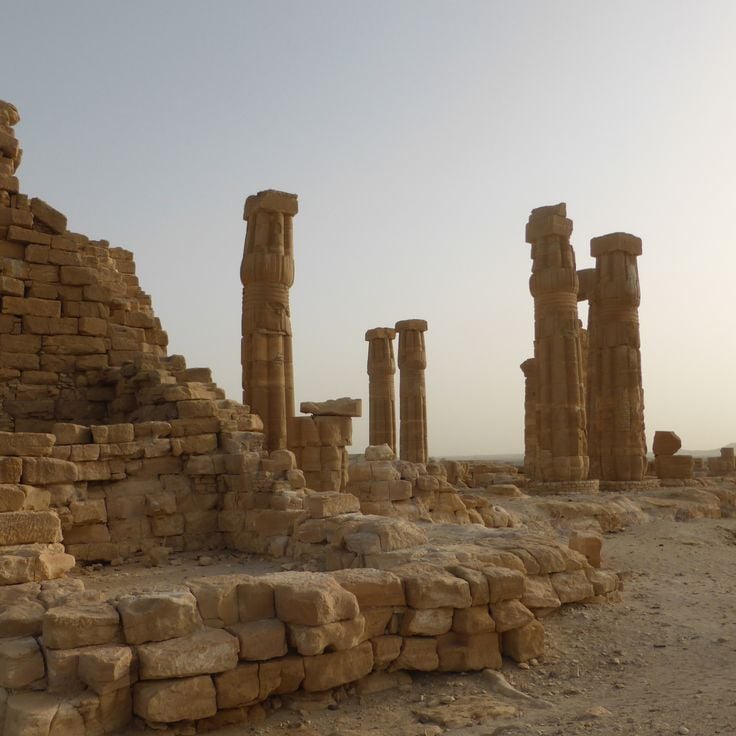
This temple from the 14th century BC displays reliefs of Amenhotep III and ancient Egyptian inscriptions, offering photographers historical architectural details from the ancient Nubian region. The Soleb Temple stands on the western bank of the Nile in northern Sudan and was built during the 18th Dynasty. The preserved columns, decorated walls and monumental structures document Egyptian influence south of traditional borders. The riverside location and surrounding desert landscape complement the photographic opportunities at this archaeological site.
This Nile island offers traditional farming, gardens and views of the confluence of the Blue and White Nile. Tuti Island enables photography of agricultural scenes, riverbank details and the Khartoum skyline. The island shows Sudanese rural life within city limits with traditional houses and riverside landscapes suitable for nature and architectural photography.
Mount Kinyeti offers interesting perspectives for landscape photography with its steep paths through mountain forests and alpine vegetation. This 10,456-foot (3,187-meter) peak in the Imatong Mountains represents Sudan's highest point and enables shots of changing vegetation zones, from dense forest cover to open high-altitude areas with characteristic flora.
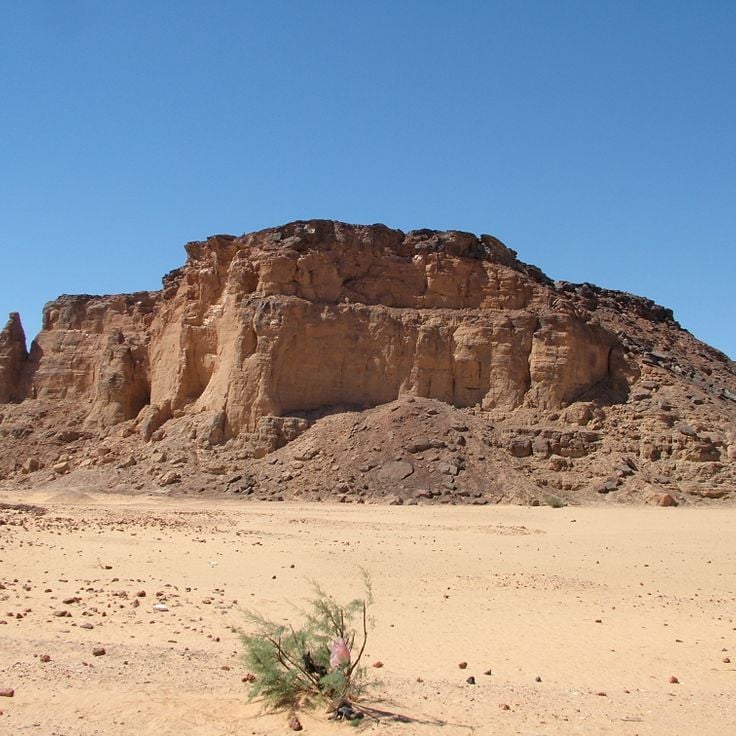
Jebel Barkal provides a 98-meter (320-foot) sandstone outcrop with temples, pyramids and hieroglyphic inscriptions from the Nubian period, enabling documentation of archaeological sites for this collection on photography locations in Sudan. The complex along the Nile combines natural rock formations with religious structures from the 15th century BCE through the 4th century CE. Photographers can record the relationship between geology and human settlement as light renders the reliefs and structures differently throughout the day.
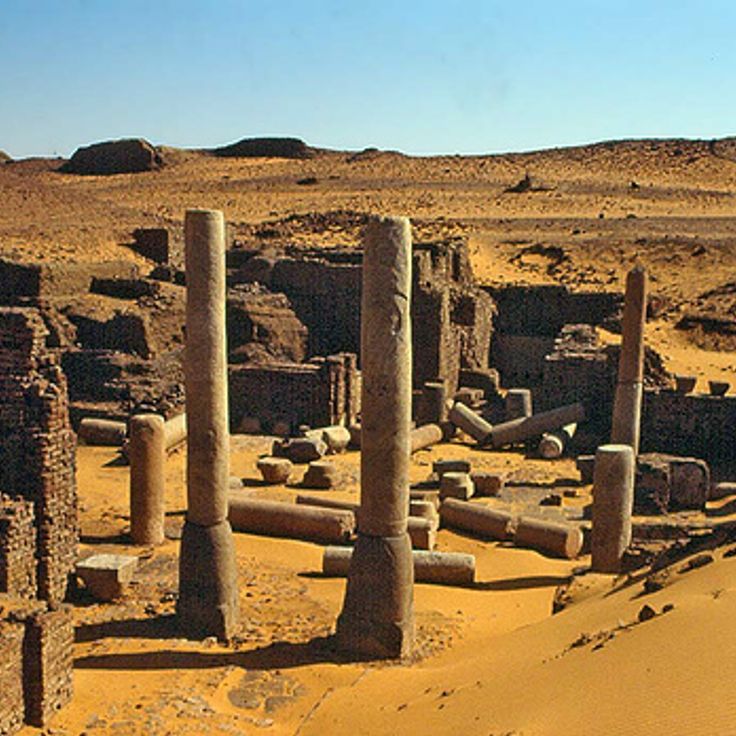
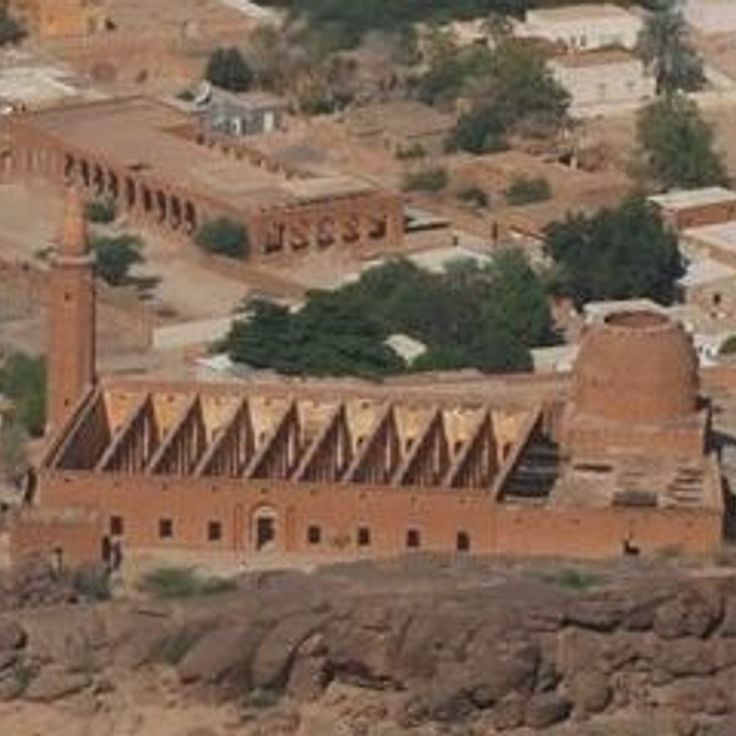
This medieval city displays remains of churches, palaces and a mosque from the 9th century. Old Dongola sits on the eastern bank of the Nile and documents the Christian Nubian civilization that flourished here from the 6th to the 14th century. The ruins include the cathedral with its columns, royal residences and an early Islamic prayer hall built following conquest. Photographers will find brick walls, arches and architectural details set against a desert backdrop.
This Red Sea marine park features coral reefs with over 300 hard coral species and offers opportunities for underwater photography. The historic lighthouse dating from 1908 marks the park's location and serves as a prominent subject. Clear waters enable photography of marine life and reef structures at various depths.
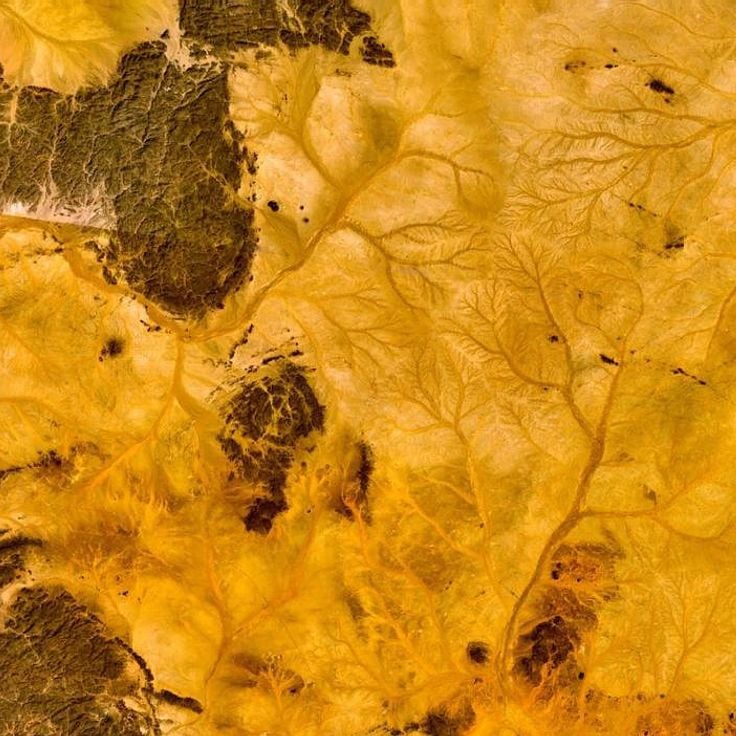
This desert region between the fourth and sixth Nile cataracts provides black basalt mountains and expansive sand dunes for photographers documenting historical sites and natural landscapes in Sudan. Nomadic herders regularly cross this area, while the Bayuda Desert displays geological formations distinct from the surrounding Nubian desert terrain.
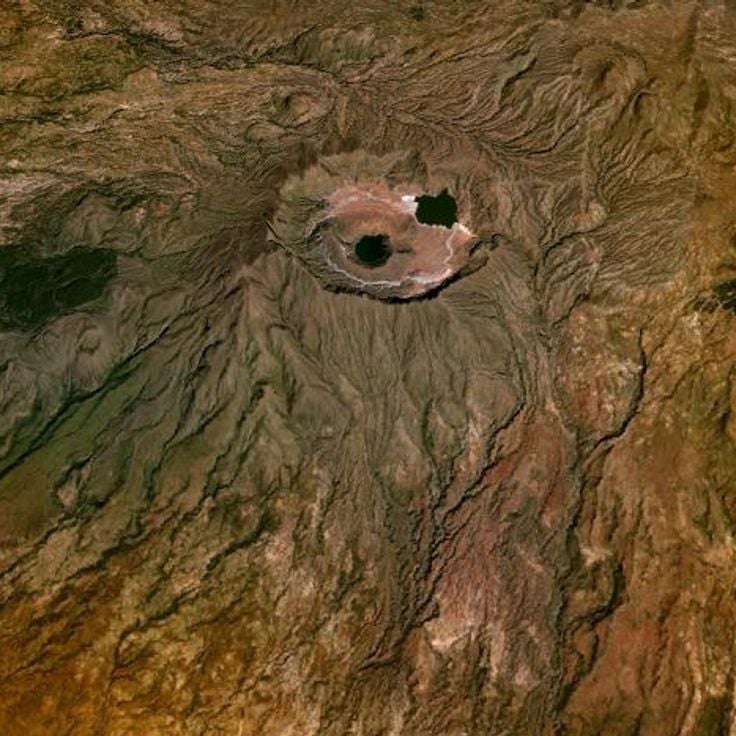
This mountain in the western part of the country reaches 10,000 feet (3,042 meters) in elevation and contains a crater lake at its summit. Jebel Marra is a dormant volcano whose fertile volcanic soils support agriculture in the surrounding areas. The region offers photographic subjects through contrasts between forested slopes, agricultural terraces and volcanic topography that stands apart from the surrounding desert landscape.
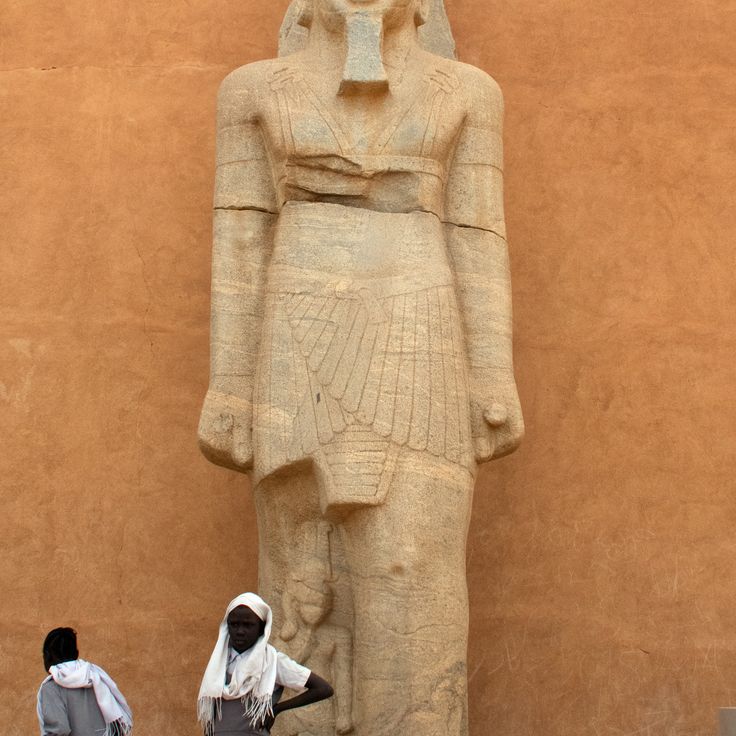
This museum preserves statues, pottery and grave goods spanning 6,000 years of Egyptian and Nubian history, forming a central reference point for photographic documentation of archaeological finds across Sudan. The collection includes reliefs from the temples at Soleb and Jebel Barkal, as well as objects from the Kushite kingdoms, offering insight into the historical depth of the region stretching from the Nile to the Nubian Desert.
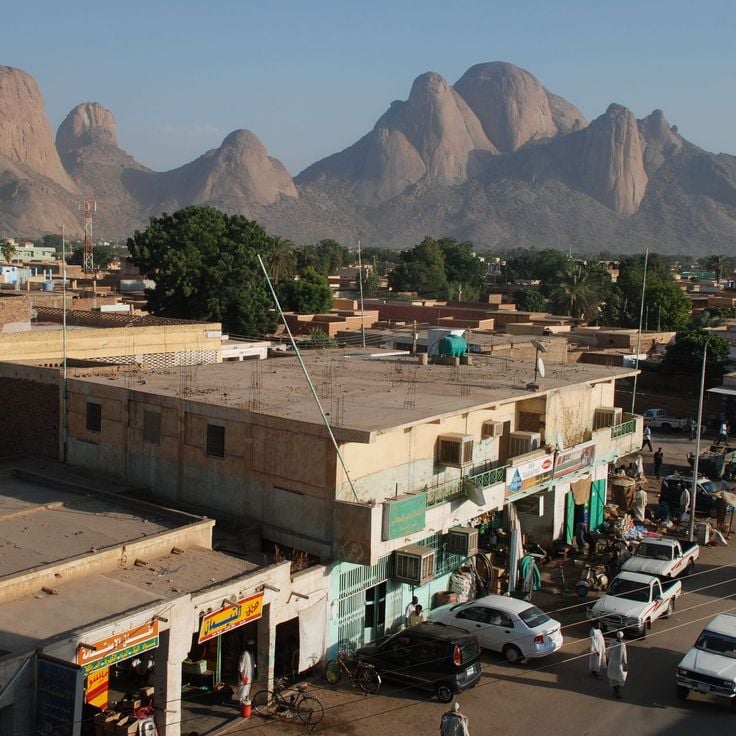
The Kassala Mountains rise as granite formations above the plain east of Khartoum and offer photographers shifting light conditions on reddish rock faces. These peaks attract mountaineers of varying experience levels, while surrounding settlements and agricultural areas provide historical and cultural subjects for images documenting Sudan's connection between natural geology and human habitation in the eastern highlands near the Eritrean border.
This gorge along the Nile north of Khartoum cuts through volcanic rock, forming a distinct canyon with steep rock walls. The Sabaloka Gorge suits landscape photography featuring flowing water, geological formations and perspectives along the river course. Boat trips provide access to various viewpoints within the gorge.
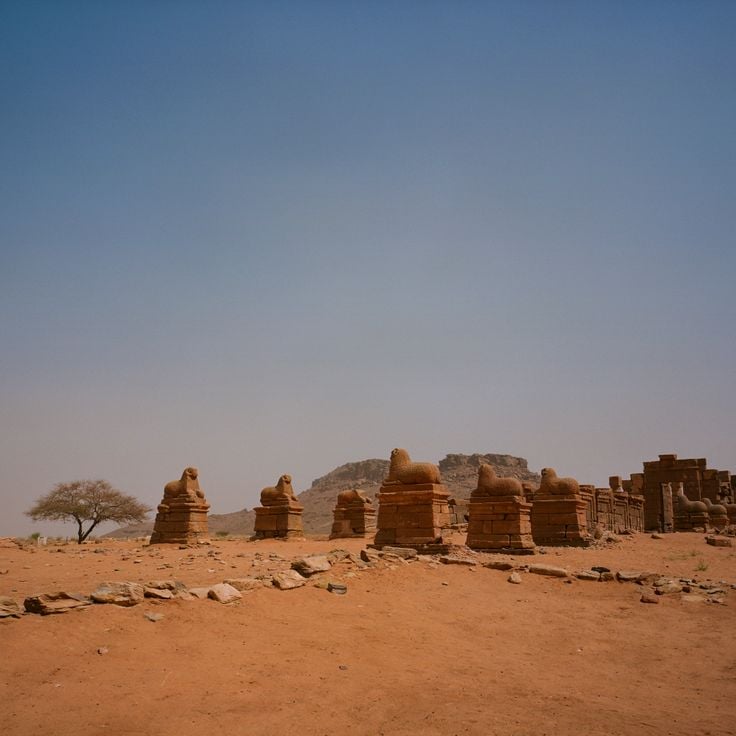
This temple complex from the 3rd century BCE features columns, reliefs and Meroitic period architecture, providing photographers with historical subjects in the expanse of the Nubian Desert. Al-Musawwarat es-Sufra sits roughly 19 miles (30 kilometers) northeast of the Meroe Pyramids and documents the construction methods of a kingdom that developed along the Nile over several centuries.
This mosque in Kassala rises before the backdrop of Jebel Kassala and serves as a spiritual center for the Khatmiya Sufi brotherhood. The white domes and minarets of the complex form a sharp contrast with the rugged granite formations behind. Photographers can combine religious architecture with East African topography here and benefit particularly from lighting during early morning or late afternoon hours.
This archaeological museum in Kerma displays objects from the Kingdom of Kush that existed between 2500 and 1500 BCE. The collection includes pottery, sculptures and burial goods recovered from nearby excavation sites. For photographers, the Kerma Museum documents Nubian civilization through well preserved artifacts that provide insights into the craftsmanship, trade and funerary practices of this early African culture.
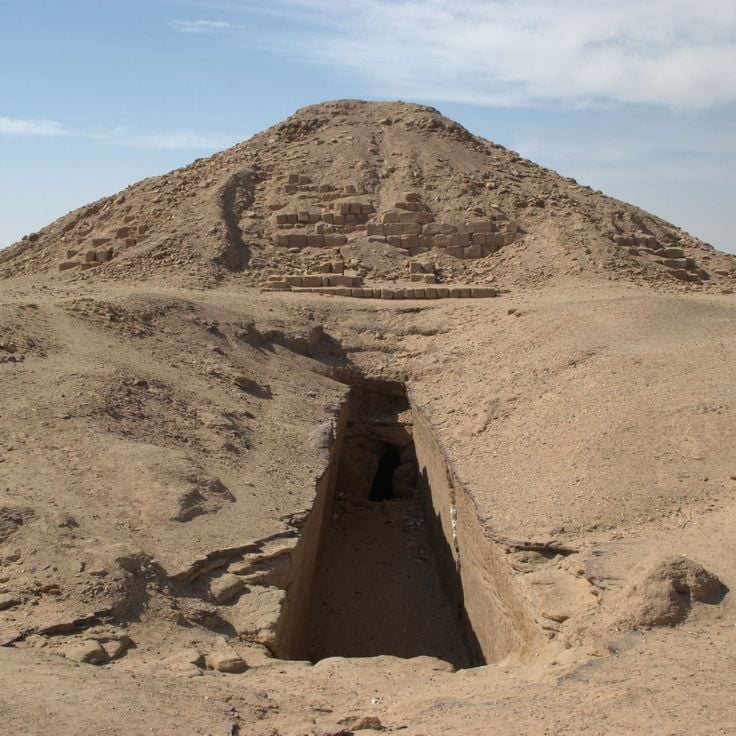
This site, El-Kurru, contains pyramids and burial chambers of rulers and queens from the 9th to 7th centuries BCE, offering photographers historical architecture in a Nubian desert setting. The ancient structures illustrate early Kushite burial practices and add archaeological perspectives to Sudan's photographic subjects. The tombs include decorated chambers and reliefs that provide insight into royal culture of this era.
This archaeological site in northern Sudan presents photographers with well-preserved Egyptian hieroglyphs and inscriptions from the New Kingdom period. Tombos served as a quarry and documents Egyptian presence in Nubia through its rock inscriptions. The site sits directly on the Nile, combining historical evidence with landscape opportunities of the river and surrounding desert terrain.
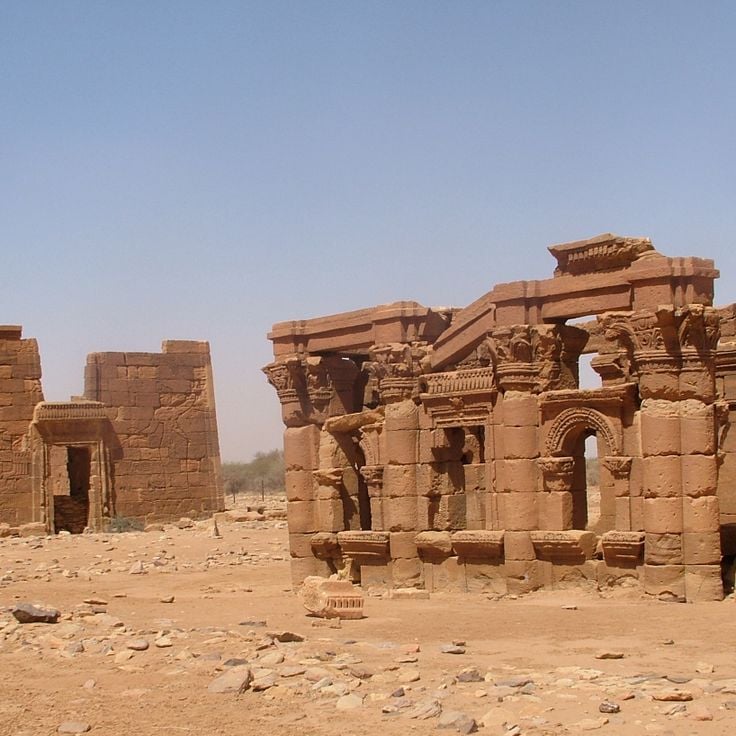
This temple in Naqa displays reliefs and columns that combine Meroitic and Egyptian architectural elements from the first century CE. The ruins document cultural exchange between the Kingdom of Kush and Egypt, offering photographers well preserved stone carvings depicting gods and rulers, along with decorative details on the exterior walls that demonstrate the artistic traditions of the period.
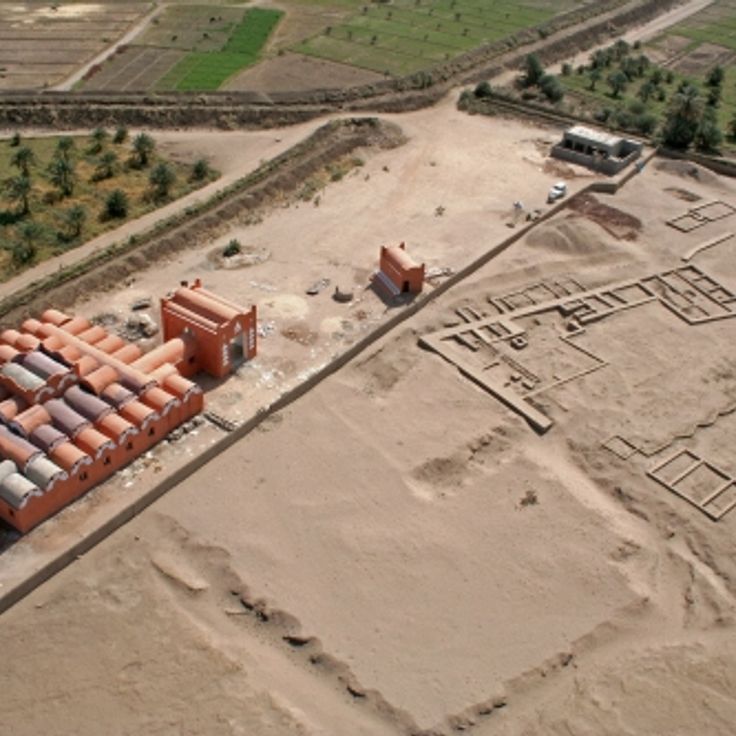
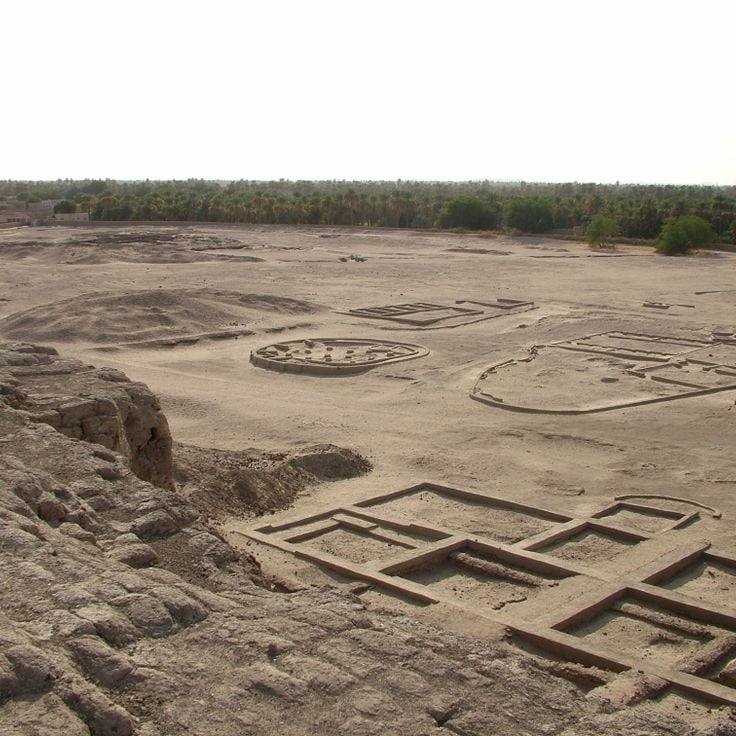
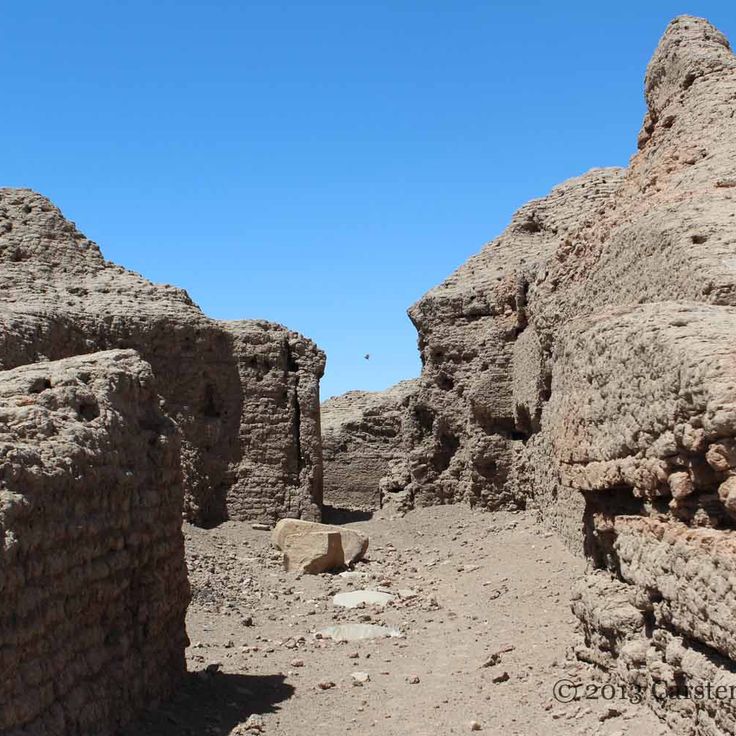
Kerma City preserves archaeological remains of fortifications, palaces and temples dating from 2500 to 1500 BC. This ancient Nubian capital provides photographers with opportunities to document the earliest urban structures of the Kingdom of Kush, including the distinctive mudbrick constructions of the Deffufa complexes. The site displays material evidence of one of Africa's oldest civilizations and complements the historical subjects that Sudan offers for photographic documentation.
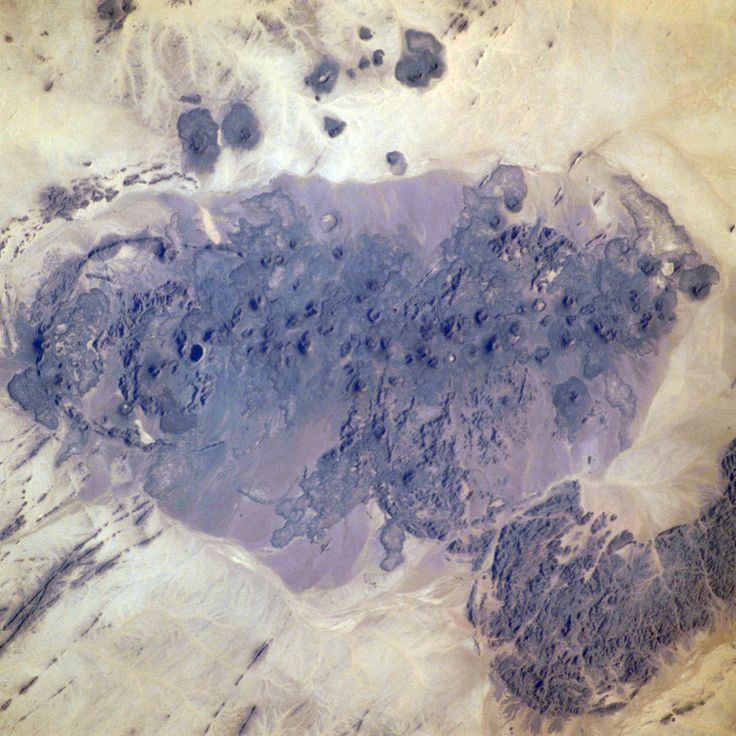
This volcanic landscape extends across 40 square miles (100 square kilometers) and offers photographers a combination of black basalt cones and lava fields in the Nubian Desert. The solidified formations create contrast with the surrounding sand terrain and document geological processes that shaped this region of Sudan. The area allows photography of volcanic structures in one of the most remote parts of North Africa.
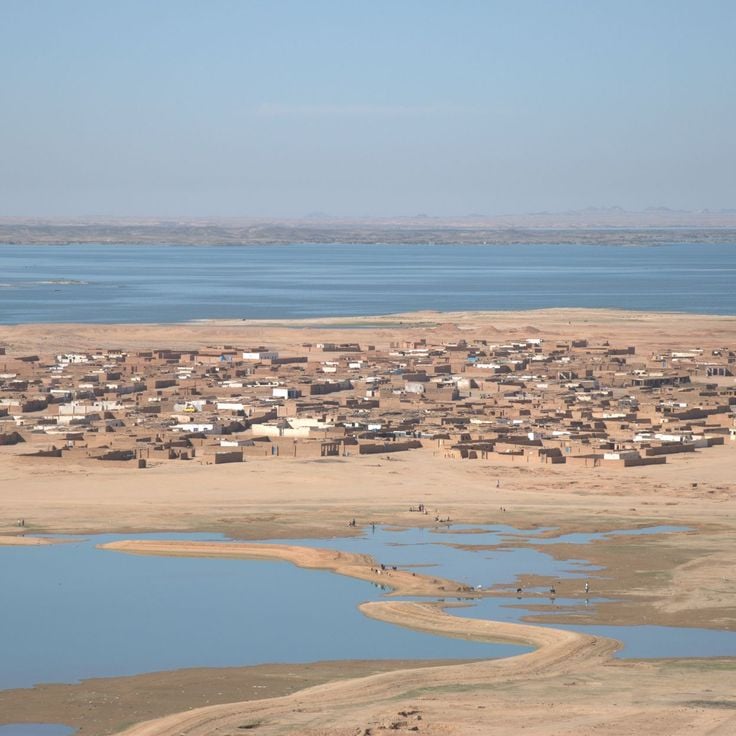
This Nile port town serves as a trade hub between Sudan and Egypt, offering views of river commerce, market scenes and cross-border transport activity. Wadi Halfa sits along a historic trade route and documents daily life at the Sudanese-Egyptian border, where barges dock and merchants exchange goods between the two countries.
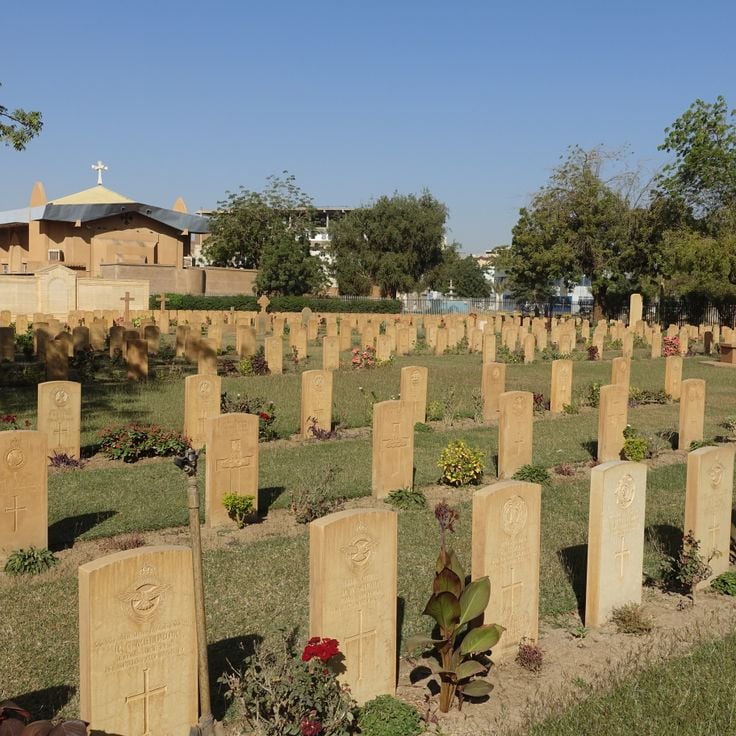
This military cemetery in Khartoum holds 127 graves of British and Commonwealth soldiers from World War II, documenting the region's military presence during the conflict. The site serves as a historical location for photographers interested in war memorials and Sudan's colonial history, offering subjects of maintained headstones and landscaped grounds along the Nile.
This historic town on the eastern Nile bank sits between Khartoum and the Meroe Pyramids, displaying traditional Sudanese mud brick architecture. The narrow streets wind through markets where spice merchants, craftsmen and restaurants serve Sudanese dishes. Mud brick houses with decorated doorways line the passages as locals conduct daily activities. The town serves as a base for visiting ancient Nubian sites in the region.
This Nile island in northern Sudan offers date palm plantations and traditional Nubian villages with mud brick houses that provide subjects for documentary and landscape photography alongside ancient irrigation systems. Argo Island enables images of agricultural practice along the river, settlement patterns and contrasts between desert surroundings and cultivated land. The village architecture and plantation layouts offer material for documentary work and landscape compositions along the historic Nile banks.
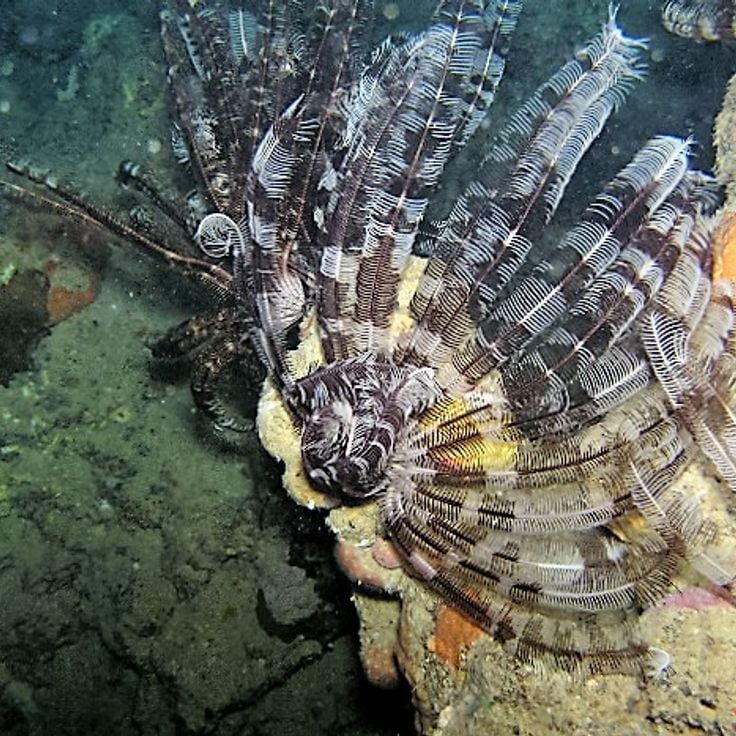
This Red Sea coastal site provides access to coral reefs, sea turtles and tropical fish for underwater photography. Sudan photography locations range from the Meroe Pyramids to coastal reefs, and this destination offers access to marine ecosystems with various coral species and fish in clear waters, along with occasional sightings of starfish and other marine life.
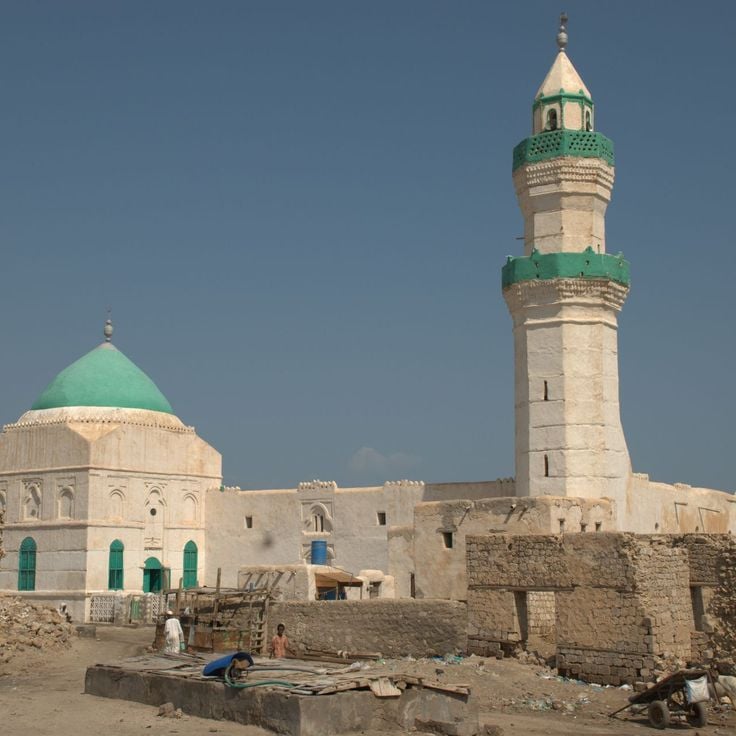
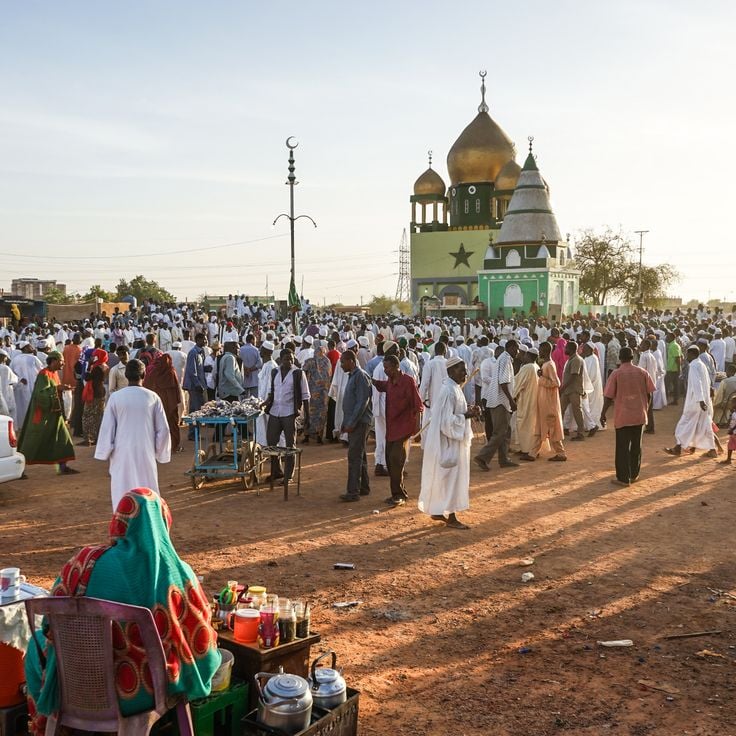
The Sheikh Hamad-al Nil Tomb in Omdurman displays a central dome, white exterior walls and green Islamic motifs that represent traditional Sudanese funerary architecture. Each Friday afternoon, Sufi groups gather near this structure to perform spiritual ceremonies that include chanting, drumming and ritual movements. These gatherings provide photographers with opportunities to document religious practices and the interaction between worshippers and the architectural setting. Late afternoon natural light emphasizes the contrast between the white walls and the colored garments worn by participants.
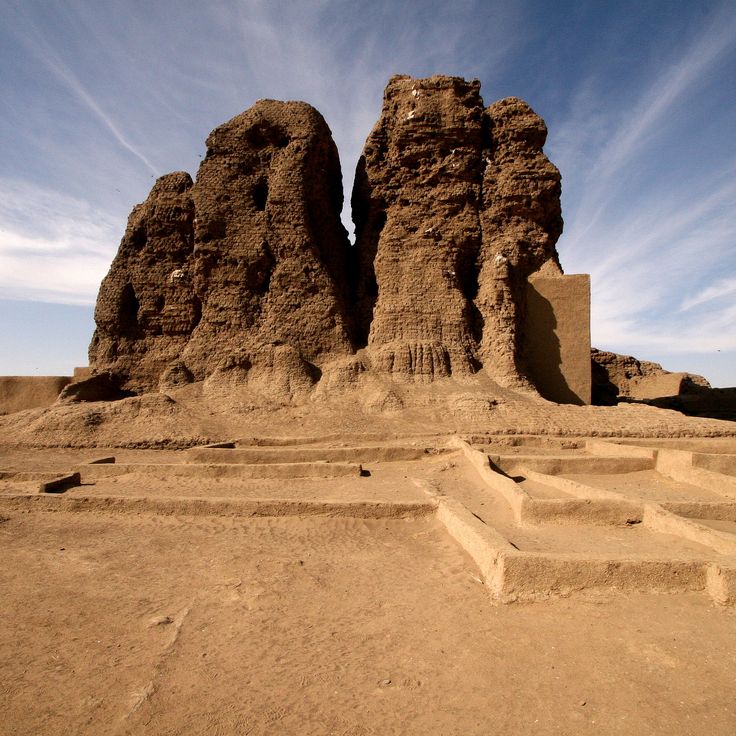
This temple rises 50 feet (15 meters) above the ground in Kerma and was built during the Kingdom of Kush. The mud brick structure is the largest ancient religious building south of the Sahara and provides photographers with subjects from Nubian history and details of traditional African earthen architecture.
This central market sits against the backdrop of the Taka Mountains, offering a dense network of narrow pathways where vendors sell spices, textiles and handicrafts. Kassala Market displays the commercial life of the city through its stalls filled with regional products and traditional goods, while the distinctive granite peaks in the background create photographic contrasts between urban trade and natural landscape.
This religious structure from 1700 BCE in Kerma ranks among the key subjects for photographing temple architecture in Sudan. The 59-foot (18-meter) mud brick tower anchors a complex with multiple interior chambers connected by passages. Eastern Deffufa documents Nubian construction techniques and complements the photographic opportunities at historical sites across Sudan, including the Meroe Pyramids and the temples at Soleb.
These pyramids at Nuri served as burial sites for Kushite kings and stand between 65 and 100 feet (20 and 30 meters) in height. Built between 800 and 300 BCE near the Nile, the stone structures offer photographic opportunities for documenting ancient Nubian architecture within the context of Sudan's desert landscape.
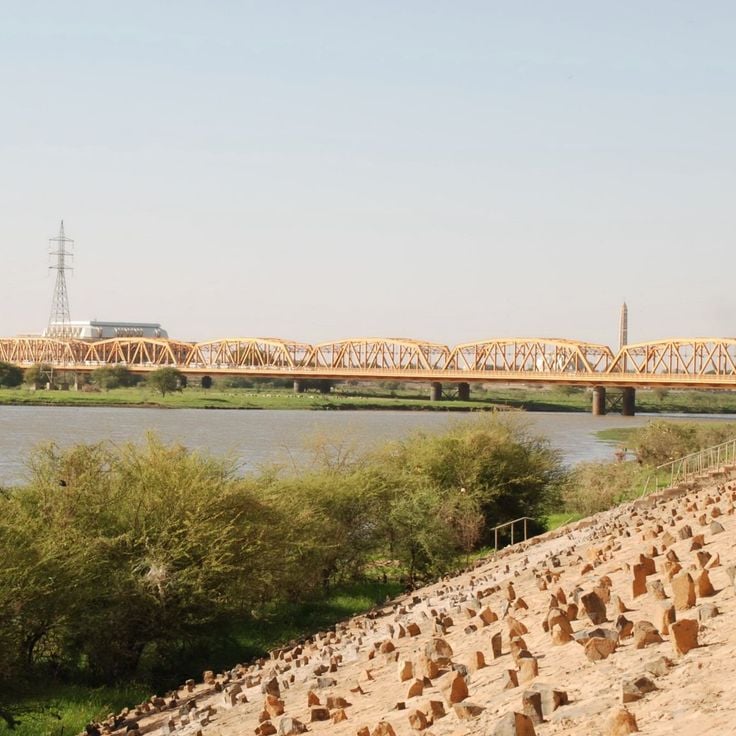
This steel bridge spans the Nile River and has connected the cities of Khartoum and Omdurman since 1926 across 2,067 feet (630 meters). The structure serves as the first permanent crossing between both banks and provides photographers opportunities to document river traffic, urban architecture and the meeting point of two historic city centers in Sudan's capital region.
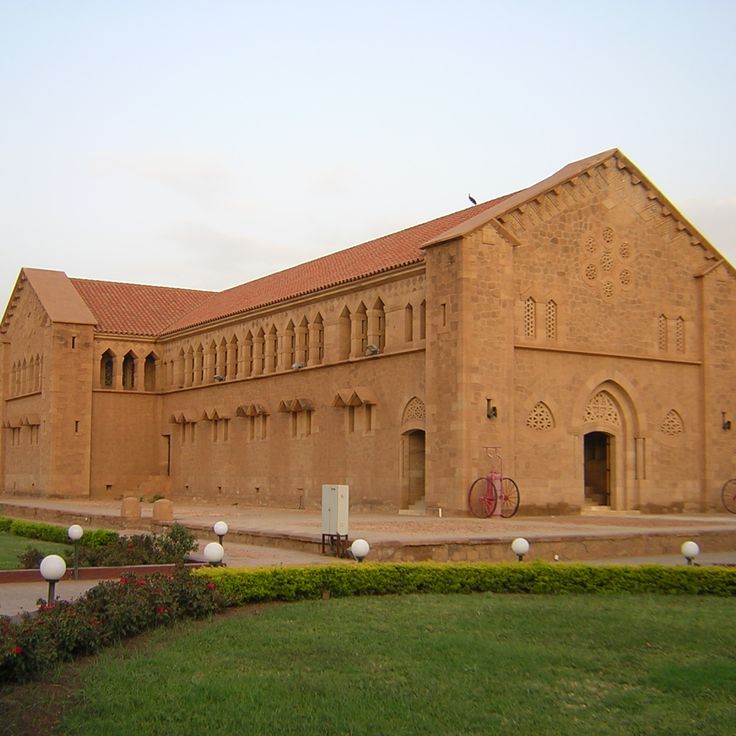
This museum in Khartoum presents collections of tools, textiles and ceremonial objects from different regions of Sudan. The exhibitions document traditional ways of life and craft practices of the country's ethnic groups, offering photographers insights into material culture and historical artifacts that reflect the cultural diversity between the Nile and the desert.
This museum displays objects from Napatan and Meroitic excavations, giving photographers the chance to document carved stone fragments, pottery pieces and burial goods from royal tombs near Jebel Barkal. The collection offers insights into ancient Nubian cultures and complements images of nearby archaeological sites with details of material culture.
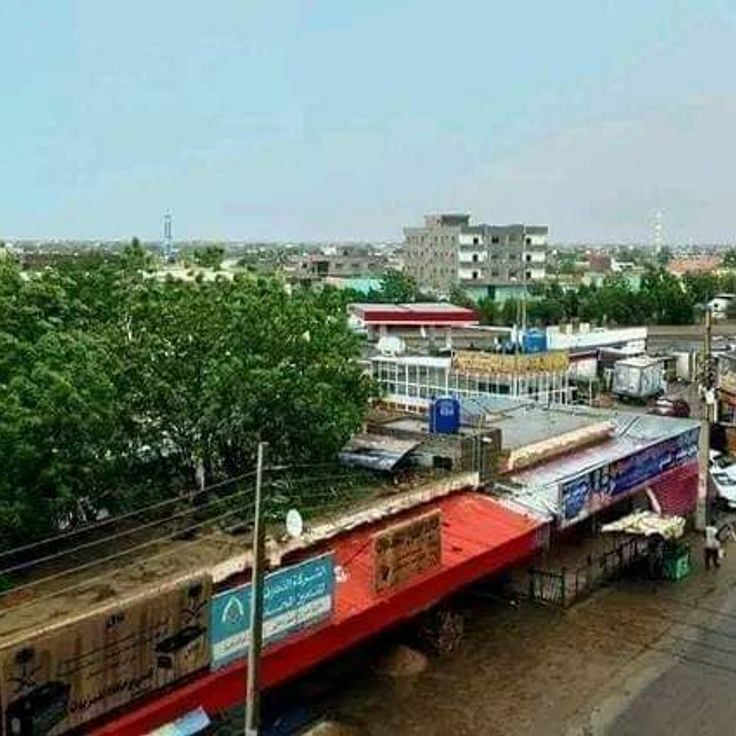
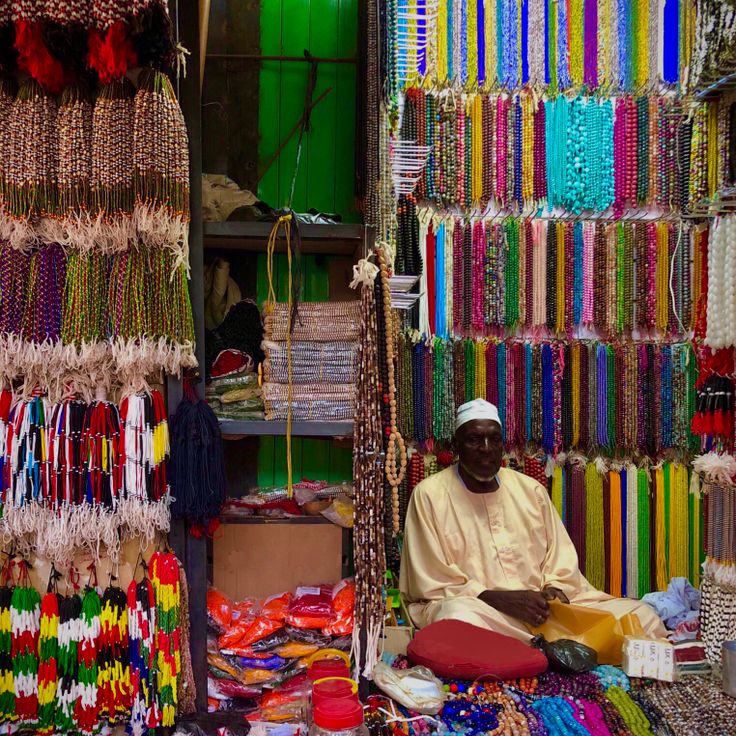
This central market extends across multiple city blocks with separate sections for spices, fabrics, silver work and local goods. Merchants sell traditional crafts and food products in covered passages. Souq Omdurman provides photographic opportunities of Sudanese commercial life, from textile vendors to craftsmen, complementing the photographic possibilities of the country's historical sites and natural landscapes.
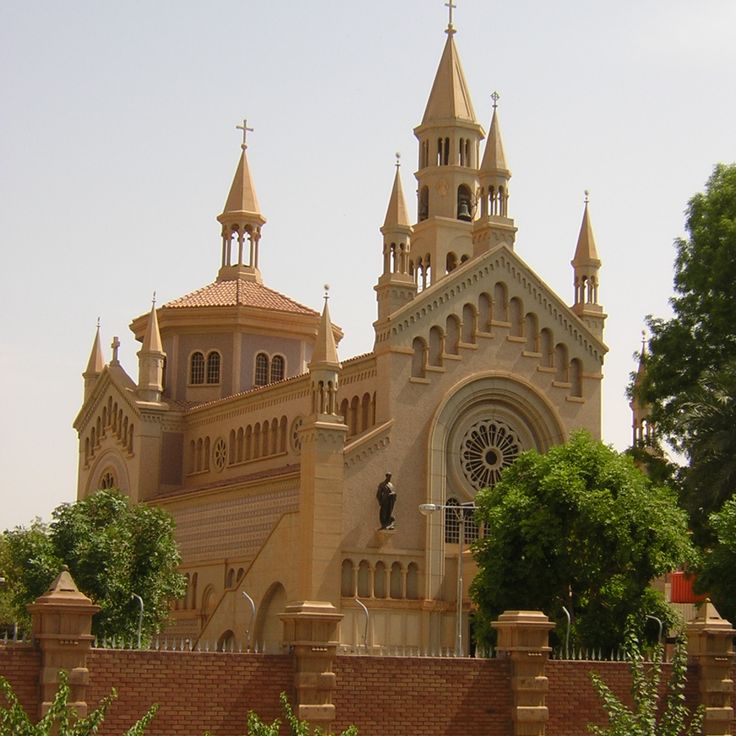
This cathedral built from red brick in 1908 provides photographic opportunities with its Gothic architecture, two 98-foot (30-meter) towers and stone carvings. The religious building stands in contrast to the surrounding Khartoum cityscape and documents Sudan's colonial architectural history with its characteristic design details and distinctive facade treatment.
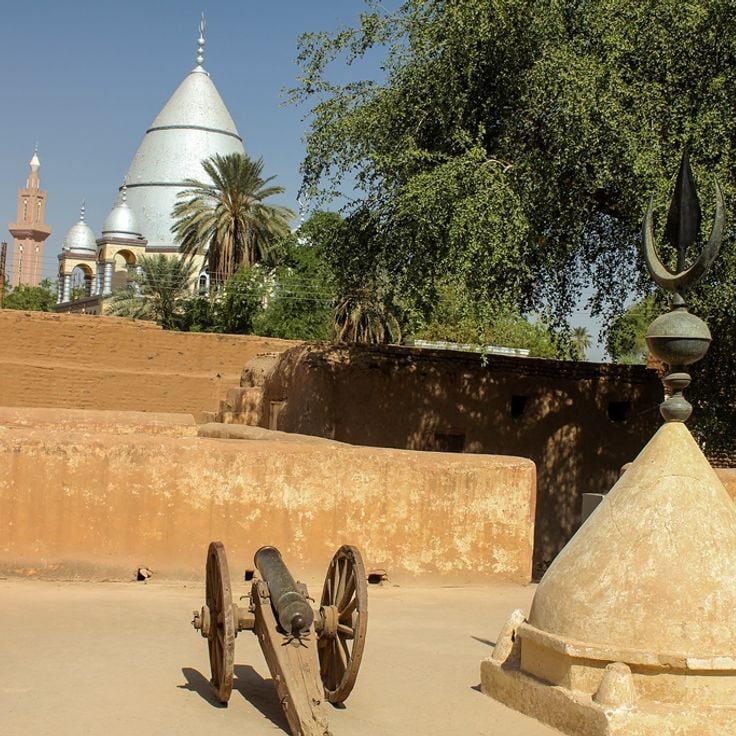
This museum in Omdurman occupies a residence dating from 1887 and displays military equipment, personal belongings of Khalifa Abdullah, and objects from the Mahdist period. The collection documents the history of the Mahdist movement in Sudan and offers photographers historical interiors, artifacts and architectural details from the late nineteenth century. The house itself represents preserved Sudanese construction from this era.
This palace has served as the official residence of the Sudanese head of state since its completion and combines Ottoman with European design elements. The white colonial facades surround extensive garden grounds along the Nile and provide a representative subject for photographers documenting historic government architecture in Sudan.
This temple from the 14th century BCE offers photographers well-preserved Egyptian architecture with stone columns displaying hieroglyphic texts and reliefs of Pharaoh Akhenaten presenting offerings to deities. The site sits along the Nile and enables images of the ancient structures within the context of the Sudanese landscape.
These royal burial grounds from the 8th century BC contain more than 200 pyramids built with red sandstone for Sudanese rulers of the Kushite dynasty, distinct from their Egyptian counterparts with steeper angles and smaller dimensions, making them an exceptional subject for photographing Nubian architecture.
The Nile Confluence in Khartoum shows the merging of the Blue Nile from Ethiopia with the White Nile from Uganda to form the longest river on Earth. This distinctive geographic formation offers photographers the opportunity to capture the contrast between the two differently colored water flows as they join to form a single river, creating one of the most important natural boundaries in the region.
The Nubian Desert stretches between the Nile and the Red Sea, offering photographers a landscape of contrasts with black basalt formations and expansive sand dunes. This desert region in northern Sudan provides compelling subjects through its combination of volcanic rock fields and dune systems that cast strong shadows under intense sunlight, enabling compositions with pronounced depth and texture for those documenting Sudan's natural environments.
This temple from the 14th century BC displays reliefs of Amenhotep III and ancient Egyptian inscriptions, offering photographers historical architectural details from the ancient Nubian region. The Soleb Temple stands on the western bank of the Nile in northern Sudan and was built during the 18th Dynasty. The preserved columns, decorated walls and monumental structures document Egyptian influence south of traditional borders. The riverside location and surrounding desert landscape complement the photographic opportunities at this archaeological site.
This Nile island offers traditional farming, gardens and views of the confluence of the Blue and White Nile. Tuti Island enables photography of agricultural scenes, riverbank details and the Khartoum skyline. The island shows Sudanese rural life within city limits with traditional houses and riverside landscapes suitable for nature and architectural photography.
Mount Kinyeti offers interesting perspectives for landscape photography with its steep paths through mountain forests and alpine vegetation. This 10,456-foot (3,187-meter) peak in the Imatong Mountains represents Sudan's highest point and enables shots of changing vegetation zones, from dense forest cover to open high-altitude areas with characteristic flora.
Jebel Barkal provides a 98-meter (320-foot) sandstone outcrop with temples, pyramids and hieroglyphic inscriptions from the Nubian period, enabling documentation of archaeological sites for this collection on photography locations in Sudan. The complex along the Nile combines natural rock formations with religious structures from the 15th century BCE through the 4th century CE. Photographers can record the relationship between geology and human settlement as light renders the reliefs and structures differently throughout the day.
This medieval city displays remains of churches, palaces and a mosque from the 9th century. Old Dongola sits on the eastern bank of the Nile and documents the Christian Nubian civilization that flourished here from the 6th to the 14th century. The ruins include the cathedral with its columns, royal residences and an early Islamic prayer hall built following conquest. Photographers will find brick walls, arches and architectural details set against a desert backdrop.
This Red Sea marine park features coral reefs with over 300 hard coral species and offers opportunities for underwater photography. The historic lighthouse dating from 1908 marks the park's location and serves as a prominent subject. Clear waters enable photography of marine life and reef structures at various depths.
This desert region between the fourth and sixth Nile cataracts provides black basalt mountains and expansive sand dunes for photographers documenting historical sites and natural landscapes in Sudan. Nomadic herders regularly cross this area, while the Bayuda Desert displays geological formations distinct from the surrounding Nubian desert terrain.
This mountain in the western part of the country reaches 10,000 feet (3,042 meters) in elevation and contains a crater lake at its summit. Jebel Marra is a dormant volcano whose fertile volcanic soils support agriculture in the surrounding areas. The region offers photographic subjects through contrasts between forested slopes, agricultural terraces and volcanic topography that stands apart from the surrounding desert landscape.
This museum preserves statues, pottery and grave goods spanning 6,000 years of Egyptian and Nubian history, forming a central reference point for photographic documentation of archaeological finds across Sudan. The collection includes reliefs from the temples at Soleb and Jebel Barkal, as well as objects from the Kushite kingdoms, offering insight into the historical depth of the region stretching from the Nile to the Nubian Desert.
The Kassala Mountains rise as granite formations above the plain east of Khartoum and offer photographers shifting light conditions on reddish rock faces. These peaks attract mountaineers of varying experience levels, while surrounding settlements and agricultural areas provide historical and cultural subjects for images documenting Sudan's connection between natural geology and human habitation in the eastern highlands near the Eritrean border.
This gorge along the Nile north of Khartoum cuts through volcanic rock, forming a distinct canyon with steep rock walls. The Sabaloka Gorge suits landscape photography featuring flowing water, geological formations and perspectives along the river course. Boat trips provide access to various viewpoints within the gorge.
This temple complex from the 3rd century BCE features columns, reliefs and Meroitic period architecture, providing photographers with historical subjects in the expanse of the Nubian Desert. Al-Musawwarat es-Sufra sits roughly 19 miles (30 kilometers) northeast of the Meroe Pyramids and documents the construction methods of a kingdom that developed along the Nile over several centuries.
This mosque in Kassala rises before the backdrop of Jebel Kassala and serves as a spiritual center for the Khatmiya Sufi brotherhood. The white domes and minarets of the complex form a sharp contrast with the rugged granite formations behind. Photographers can combine religious architecture with East African topography here and benefit particularly from lighting during early morning or late afternoon hours.
This archaeological museum in Kerma displays objects from the Kingdom of Kush that existed between 2500 and 1500 BCE. The collection includes pottery, sculptures and burial goods recovered from nearby excavation sites. For photographers, the Kerma Museum documents Nubian civilization through well preserved artifacts that provide insights into the craftsmanship, trade and funerary practices of this early African culture.
This site, El-Kurru, contains pyramids and burial chambers of rulers and queens from the 9th to 7th centuries BCE, offering photographers historical architecture in a Nubian desert setting. The ancient structures illustrate early Kushite burial practices and add archaeological perspectives to Sudan's photographic subjects. The tombs include decorated chambers and reliefs that provide insight into royal culture of this era.
This archaeological site in northern Sudan presents photographers with well-preserved Egyptian hieroglyphs and inscriptions from the New Kingdom period. Tombos served as a quarry and documents Egyptian presence in Nubia through its rock inscriptions. The site sits directly on the Nile, combining historical evidence with landscape opportunities of the river and surrounding desert terrain.
This temple in Naqa displays reliefs and columns that combine Meroitic and Egyptian architectural elements from the first century CE. The ruins document cultural exchange between the Kingdom of Kush and Egypt, offering photographers well preserved stone carvings depicting gods and rulers, along with decorative details on the exterior walls that demonstrate the artistic traditions of the period.
Kerma City preserves archaeological remains of fortifications, palaces and temples dating from 2500 to 1500 BC. This ancient Nubian capital provides photographers with opportunities to document the earliest urban structures of the Kingdom of Kush, including the distinctive mudbrick constructions of the Deffufa complexes. The site displays material evidence of one of Africa's oldest civilizations and complements the historical subjects that Sudan offers for photographic documentation.
This volcanic landscape extends across 40 square miles (100 square kilometers) and offers photographers a combination of black basalt cones and lava fields in the Nubian Desert. The solidified formations create contrast with the surrounding sand terrain and document geological processes that shaped this region of Sudan. The area allows photography of volcanic structures in one of the most remote parts of North Africa.
This Nile port town serves as a trade hub between Sudan and Egypt, offering views of river commerce, market scenes and cross-border transport activity. Wadi Halfa sits along a historic trade route and documents daily life at the Sudanese-Egyptian border, where barges dock and merchants exchange goods between the two countries.
This military cemetery in Khartoum holds 127 graves of British and Commonwealth soldiers from World War II, documenting the region's military presence during the conflict. The site serves as a historical location for photographers interested in war memorials and Sudan's colonial history, offering subjects of maintained headstones and landscaped grounds along the Nile.
This historic town on the eastern Nile bank sits between Khartoum and the Meroe Pyramids, displaying traditional Sudanese mud brick architecture. The narrow streets wind through markets where spice merchants, craftsmen and restaurants serve Sudanese dishes. Mud brick houses with decorated doorways line the passages as locals conduct daily activities. The town serves as a base for visiting ancient Nubian sites in the region.
This Nile island in northern Sudan offers date palm plantations and traditional Nubian villages with mud brick houses that provide subjects for documentary and landscape photography alongside ancient irrigation systems. Argo Island enables images of agricultural practice along the river, settlement patterns and contrasts between desert surroundings and cultivated land. The village architecture and plantation layouts offer material for documentary work and landscape compositions along the historic Nile banks.
This Red Sea coastal site provides access to coral reefs, sea turtles and tropical fish for underwater photography. Sudan photography locations range from the Meroe Pyramids to coastal reefs, and this destination offers access to marine ecosystems with various coral species and fish in clear waters, along with occasional sightings of starfish and other marine life.
The Sheikh Hamad-al Nil Tomb in Omdurman displays a central dome, white exterior walls and green Islamic motifs that represent traditional Sudanese funerary architecture. Each Friday afternoon, Sufi groups gather near this structure to perform spiritual ceremonies that include chanting, drumming and ritual movements. These gatherings provide photographers with opportunities to document religious practices and the interaction between worshippers and the architectural setting. Late afternoon natural light emphasizes the contrast between the white walls and the colored garments worn by participants.
This temple rises 50 feet (15 meters) above the ground in Kerma and was built during the Kingdom of Kush. The mud brick structure is the largest ancient religious building south of the Sahara and provides photographers with subjects from Nubian history and details of traditional African earthen architecture.
This central market sits against the backdrop of the Taka Mountains, offering a dense network of narrow pathways where vendors sell spices, textiles and handicrafts. Kassala Market displays the commercial life of the city through its stalls filled with regional products and traditional goods, while the distinctive granite peaks in the background create photographic contrasts between urban trade and natural landscape.
This religious structure from 1700 BCE in Kerma ranks among the key subjects for photographing temple architecture in Sudan. The 59-foot (18-meter) mud brick tower anchors a complex with multiple interior chambers connected by passages. Eastern Deffufa documents Nubian construction techniques and complements the photographic opportunities at historical sites across Sudan, including the Meroe Pyramids and the temples at Soleb.
These pyramids at Nuri served as burial sites for Kushite kings and stand between 65 and 100 feet (20 and 30 meters) in height. Built between 800 and 300 BCE near the Nile, the stone structures offer photographic opportunities for documenting ancient Nubian architecture within the context of Sudan's desert landscape.
This steel bridge spans the Nile River and has connected the cities of Khartoum and Omdurman since 1926 across 2,067 feet (630 meters). The structure serves as the first permanent crossing between both banks and provides photographers opportunities to document river traffic, urban architecture and the meeting point of two historic city centers in Sudan's capital region.
This museum in Khartoum presents collections of tools, textiles and ceremonial objects from different regions of Sudan. The exhibitions document traditional ways of life and craft practices of the country's ethnic groups, offering photographers insights into material culture and historical artifacts that reflect the cultural diversity between the Nile and the desert.
This museum displays objects from Napatan and Meroitic excavations, giving photographers the chance to document carved stone fragments, pottery pieces and burial goods from royal tombs near Jebel Barkal. The collection offers insights into ancient Nubian cultures and complements images of nearby archaeological sites with details of material culture.
This central market extends across multiple city blocks with separate sections for spices, fabrics, silver work and local goods. Merchants sell traditional crafts and food products in covered passages. Souq Omdurman provides photographic opportunities of Sudanese commercial life, from textile vendors to craftsmen, complementing the photographic possibilities of the country's historical sites and natural landscapes.
This cathedral built from red brick in 1908 provides photographic opportunities with its Gothic architecture, two 98-foot (30-meter) towers and stone carvings. The religious building stands in contrast to the surrounding Khartoum cityscape and documents Sudan's colonial architectural history with its characteristic design details and distinctive facade treatment.
This museum in Omdurman occupies a residence dating from 1887 and displays military equipment, personal belongings of Khalifa Abdullah, and objects from the Mahdist period. The collection documents the history of the Mahdist movement in Sudan and offers photographers historical interiors, artifacts and architectural details from the late nineteenth century. The house itself represents preserved Sudanese construction from this era.
This palace has served as the official residence of the Sudanese head of state since its completion and combines Ottoman with European design elements. The white colonial facades surround extensive garden grounds along the Nile and provide a representative subject for photographers documenting historic government architecture in Sudan.
This temple from the 14th century BCE offers photographers well-preserved Egyptian architecture with stone columns displaying hieroglyphic texts and reliefs of Pharaoh Akhenaten presenting offerings to deities. The site sits along the Nile and enables images of the ancient structures within the context of the Sudanese landscape.
These royal burial grounds from the 8th century BC contain more than 200 pyramids built with red sandstone for Sudanese rulers of the Kushite dynasty, distinct from their Egyptian counterparts with steeper angles and smaller dimensions, making them an exceptional subject for photographing Nubian architecture.
The Nile Confluence in Khartoum shows the merging of the Blue Nile from Ethiopia with the White Nile from Uganda to form the longest river on Earth. This distinctive geographic formation offers photographers the opportunity to capture the contrast between the two differently colored water flows as they join to form a single river, creating one of the most important natural boundaries in the region.
The Nubian Desert stretches between the Nile and the Red Sea, offering photographers a landscape of contrasts with black basalt formations and expansive sand dunes. This desert region in northern Sudan provides compelling subjects through its combination of volcanic rock fields and dune systems that cast strong shadows under intense sunlight, enabling compositions with pronounced depth and texture for those documenting Sudan's natural environments.
This temple from the 14th century BC displays reliefs of Amenhotep III and ancient Egyptian inscriptions, offering photographers historical architectural details from the ancient Nubian region. The Soleb Temple stands on the western bank of the Nile in northern Sudan and was built during the 18th Dynasty. The preserved columns, decorated walls and monumental structures document Egyptian influence south of traditional borders. The riverside location and surrounding desert landscape complement the photographic opportunities at this archaeological site.
This Nile island offers traditional farming, gardens and views of the confluence of the Blue and White Nile. Tuti Island enables photography of agricultural scenes, riverbank details and the Khartoum skyline. The island shows Sudanese rural life within city limits with traditional houses and riverside landscapes suitable for nature and architectural photography.
Mount Kinyeti offers interesting perspectives for landscape photography with its steep paths through mountain forests and alpine vegetation. This 10,456-foot (3,187-meter) peak in the Imatong Mountains represents Sudan's highest point and enables shots of changing vegetation zones, from dense forest cover to open high-altitude areas with characteristic flora.
Jebel Barkal provides a 98-meter (320-foot) sandstone outcrop with temples, pyramids and hieroglyphic inscriptions from the Nubian period, enabling documentation of archaeological sites for this collection on photography locations in Sudan. The complex along the Nile combines natural rock formations with religious structures from the 15th century BCE through the 4th century CE. Photographers can record the relationship between geology and human settlement as light renders the reliefs and structures differently throughout the day.
This medieval city displays remains of churches, palaces and a mosque from the 9th century. Old Dongola sits on the eastern bank of the Nile and documents the Christian Nubian civilization that flourished here from the 6th to the 14th century. The ruins include the cathedral with its columns, royal residences and an early Islamic prayer hall built following conquest. Photographers will find brick walls, arches and architectural details set against a desert backdrop.
This Red Sea marine park features coral reefs with over 300 hard coral species and offers opportunities for underwater photography. The historic lighthouse dating from 1908 marks the park's location and serves as a prominent subject. Clear waters enable photography of marine life and reef structures at various depths.
This desert region between the fourth and sixth Nile cataracts provides black basalt mountains and expansive sand dunes for photographers documenting historical sites and natural landscapes in Sudan. Nomadic herders regularly cross this area, while the Bayuda Desert displays geological formations distinct from the surrounding Nubian desert terrain.
This mountain in the western part of the country reaches 10,000 feet (3,042 meters) in elevation and contains a crater lake at its summit. Jebel Marra is a dormant volcano whose fertile volcanic soils support agriculture in the surrounding areas. The region offers photographic subjects through contrasts between forested slopes, agricultural terraces and volcanic topography that stands apart from the surrounding desert landscape.
This museum preserves statues, pottery and grave goods spanning 6,000 years of Egyptian and Nubian history, forming a central reference point for photographic documentation of archaeological finds across Sudan. The collection includes reliefs from the temples at Soleb and Jebel Barkal, as well as objects from the Kushite kingdoms, offering insight into the historical depth of the region stretching from the Nile to the Nubian Desert.
The Kassala Mountains rise as granite formations above the plain east of Khartoum and offer photographers shifting light conditions on reddish rock faces. These peaks attract mountaineers of varying experience levels, while surrounding settlements and agricultural areas provide historical and cultural subjects for images documenting Sudan's connection between natural geology and human habitation in the eastern highlands near the Eritrean border.
This gorge along the Nile north of Khartoum cuts through volcanic rock, forming a distinct canyon with steep rock walls. The Sabaloka Gorge suits landscape photography featuring flowing water, geological formations and perspectives along the river course. Boat trips provide access to various viewpoints within the gorge.
This temple complex from the 3rd century BCE features columns, reliefs and Meroitic period architecture, providing photographers with historical subjects in the expanse of the Nubian Desert. Al-Musawwarat es-Sufra sits roughly 19 miles (30 kilometers) northeast of the Meroe Pyramids and documents the construction methods of a kingdom that developed along the Nile over several centuries.
This mosque in Kassala rises before the backdrop of Jebel Kassala and serves as a spiritual center for the Khatmiya Sufi brotherhood. The white domes and minarets of the complex form a sharp contrast with the rugged granite formations behind. Photographers can combine religious architecture with East African topography here and benefit particularly from lighting during early morning or late afternoon hours.
This archaeological museum in Kerma displays objects from the Kingdom of Kush that existed between 2500 and 1500 BCE. The collection includes pottery, sculptures and burial goods recovered from nearby excavation sites. For photographers, the Kerma Museum documents Nubian civilization through well preserved artifacts that provide insights into the craftsmanship, trade and funerary practices of this early African culture.
This site, El-Kurru, contains pyramids and burial chambers of rulers and queens from the 9th to 7th centuries BCE, offering photographers historical architecture in a Nubian desert setting. The ancient structures illustrate early Kushite burial practices and add archaeological perspectives to Sudan's photographic subjects. The tombs include decorated chambers and reliefs that provide insight into royal culture of this era.
This archaeological site in northern Sudan presents photographers with well-preserved Egyptian hieroglyphs and inscriptions from the New Kingdom period. Tombos served as a quarry and documents Egyptian presence in Nubia through its rock inscriptions. The site sits directly on the Nile, combining historical evidence with landscape opportunities of the river and surrounding desert terrain.
This temple in Naqa displays reliefs and columns that combine Meroitic and Egyptian architectural elements from the first century CE. The ruins document cultural exchange between the Kingdom of Kush and Egypt, offering photographers well preserved stone carvings depicting gods and rulers, along with decorative details on the exterior walls that demonstrate the artistic traditions of the period.
Kerma City preserves archaeological remains of fortifications, palaces and temples dating from 2500 to 1500 BC. This ancient Nubian capital provides photographers with opportunities to document the earliest urban structures of the Kingdom of Kush, including the distinctive mudbrick constructions of the Deffufa complexes. The site displays material evidence of one of Africa's oldest civilizations and complements the historical subjects that Sudan offers for photographic documentation.
This volcanic landscape extends across 40 square miles (100 square kilometers) and offers photographers a combination of black basalt cones and lava fields in the Nubian Desert. The solidified formations create contrast with the surrounding sand terrain and document geological processes that shaped this region of Sudan. The area allows photography of volcanic structures in one of the most remote parts of North Africa.
This Nile port town serves as a trade hub between Sudan and Egypt, offering views of river commerce, market scenes and cross-border transport activity. Wadi Halfa sits along a historic trade route and documents daily life at the Sudanese-Egyptian border, where barges dock and merchants exchange goods between the two countries.
This military cemetery in Khartoum holds 127 graves of British and Commonwealth soldiers from World War II, documenting the region's military presence during the conflict. The site serves as a historical location for photographers interested in war memorials and Sudan's colonial history, offering subjects of maintained headstones and landscaped grounds along the Nile.
This historic town on the eastern Nile bank sits between Khartoum and the Meroe Pyramids, displaying traditional Sudanese mud brick architecture. The narrow streets wind through markets where spice merchants, craftsmen and restaurants serve Sudanese dishes. Mud brick houses with decorated doorways line the passages as locals conduct daily activities. The town serves as a base for visiting ancient Nubian sites in the region.
This Nile island in northern Sudan offers date palm plantations and traditional Nubian villages with mud brick houses that provide subjects for documentary and landscape photography alongside ancient irrigation systems. Argo Island enables images of agricultural practice along the river, settlement patterns and contrasts between desert surroundings and cultivated land. The village architecture and plantation layouts offer material for documentary work and landscape compositions along the historic Nile banks.
This Red Sea coastal site provides access to coral reefs, sea turtles and tropical fish for underwater photography. Sudan photography locations range from the Meroe Pyramids to coastal reefs, and this destination offers access to marine ecosystems with various coral species and fish in clear waters, along with occasional sightings of starfish and other marine life.
The Sheikh Hamad-al Nil Tomb in Omdurman displays a central dome, white exterior walls and green Islamic motifs that represent traditional Sudanese funerary architecture. Each Friday afternoon, Sufi groups gather near this structure to perform spiritual ceremonies that include chanting, drumming and ritual movements. These gatherings provide photographers with opportunities to document religious practices and the interaction between worshippers and the architectural setting. Late afternoon natural light emphasizes the contrast between the white walls and the colored garments worn by participants.
This temple rises 50 feet (15 meters) above the ground in Kerma and was built during the Kingdom of Kush. The mud brick structure is the largest ancient religious building south of the Sahara and provides photographers with subjects from Nubian history and details of traditional African earthen architecture.
This central market sits against the backdrop of the Taka Mountains, offering a dense network of narrow pathways where vendors sell spices, textiles and handicrafts. Kassala Market displays the commercial life of the city through its stalls filled with regional products and traditional goods, while the distinctive granite peaks in the background create photographic contrasts between urban trade and natural landscape.
This religious structure from 1700 BCE in Kerma ranks among the key subjects for photographing temple architecture in Sudan. The 59-foot (18-meter) mud brick tower anchors a complex with multiple interior chambers connected by passages. Eastern Deffufa documents Nubian construction techniques and complements the photographic opportunities at historical sites across Sudan, including the Meroe Pyramids and the temples at Soleb.
These pyramids at Nuri served as burial sites for Kushite kings and stand between 65 and 100 feet (20 and 30 meters) in height. Built between 800 and 300 BCE near the Nile, the stone structures offer photographic opportunities for documenting ancient Nubian architecture within the context of Sudan's desert landscape.
This steel bridge spans the Nile River and has connected the cities of Khartoum and Omdurman since 1926 across 2,067 feet (630 meters). The structure serves as the first permanent crossing between both banks and provides photographers opportunities to document river traffic, urban architecture and the meeting point of two historic city centers in Sudan's capital region.
This museum in Khartoum presents collections of tools, textiles and ceremonial objects from different regions of Sudan. The exhibitions document traditional ways of life and craft practices of the country's ethnic groups, offering photographers insights into material culture and historical artifacts that reflect the cultural diversity between the Nile and the desert.
This museum displays objects from Napatan and Meroitic excavations, giving photographers the chance to document carved stone fragments, pottery pieces and burial goods from royal tombs near Jebel Barkal. The collection offers insights into ancient Nubian cultures and complements images of nearby archaeological sites with details of material culture.
This central market extends across multiple city blocks with separate sections for spices, fabrics, silver work and local goods. Merchants sell traditional crafts and food products in covered passages. Souq Omdurman provides photographic opportunities of Sudanese commercial life, from textile vendors to craftsmen, complementing the photographic possibilities of the country's historical sites and natural landscapes.
This cathedral built from red brick in 1908 provides photographic opportunities with its Gothic architecture, two 98-foot (30-meter) towers and stone carvings. The religious building stands in contrast to the surrounding Khartoum cityscape and documents Sudan's colonial architectural history with its characteristic design details and distinctive facade treatment.
This museum in Omdurman occupies a residence dating from 1887 and displays military equipment, personal belongings of Khalifa Abdullah, and objects from the Mahdist period. The collection documents the history of the Mahdist movement in Sudan and offers photographers historical interiors, artifacts and architectural details from the late nineteenth century. The house itself represents preserved Sudanese construction from this era.
This palace has served as the official residence of the Sudanese head of state since its completion and combines Ottoman with European design elements. The white colonial facades surround extensive garden grounds along the Nile and provide a representative subject for photographers documenting historic government architecture in Sudan.
This temple from the 14th century BCE offers photographers well-preserved Egyptian architecture with stone columns displaying hieroglyphic texts and reliefs of Pharaoh Akhenaten presenting offerings to deities. The site sits along the Nile and enables images of the ancient structures within the context of the Sudanese landscape.