Nubian Desert, Desert region in northeastern Sudan
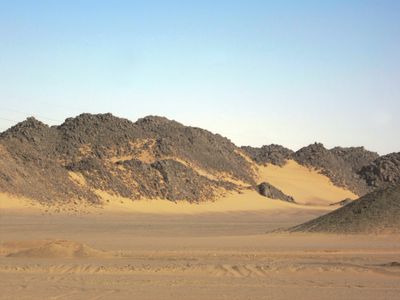
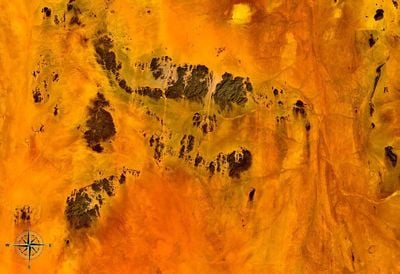
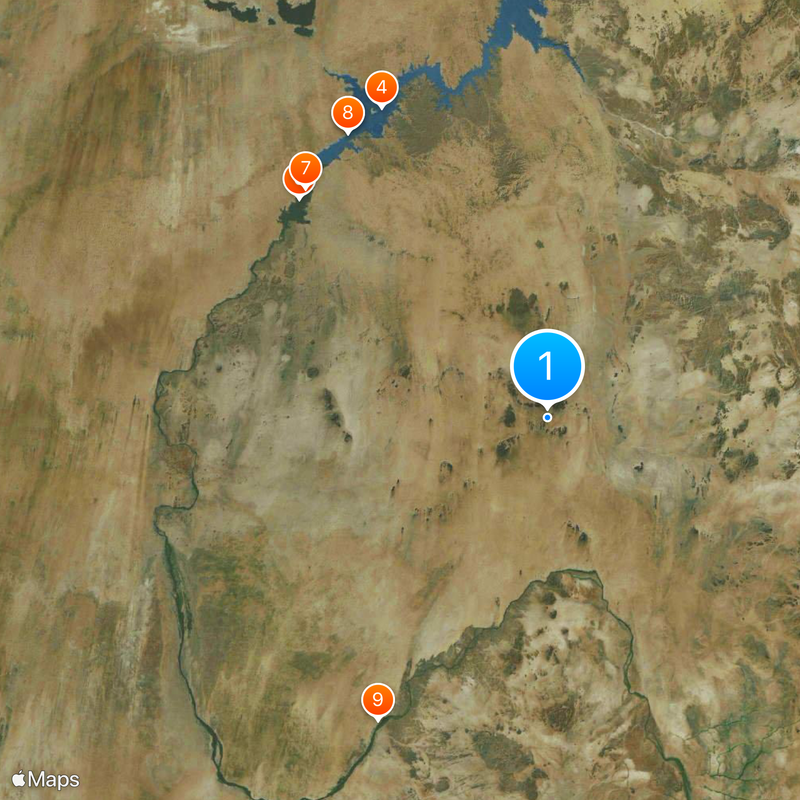
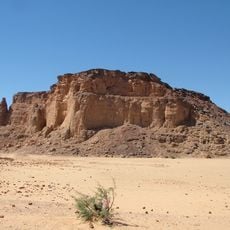
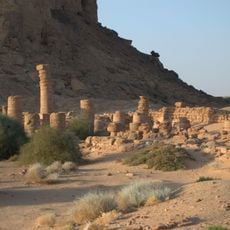
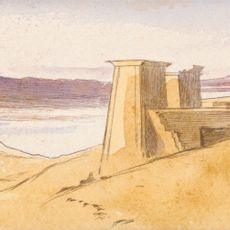
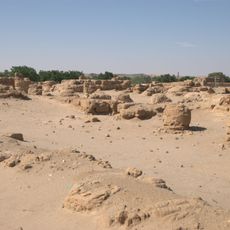
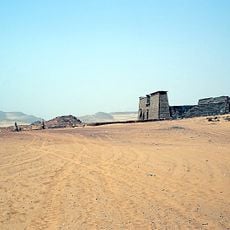
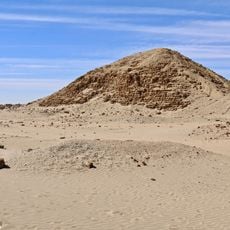
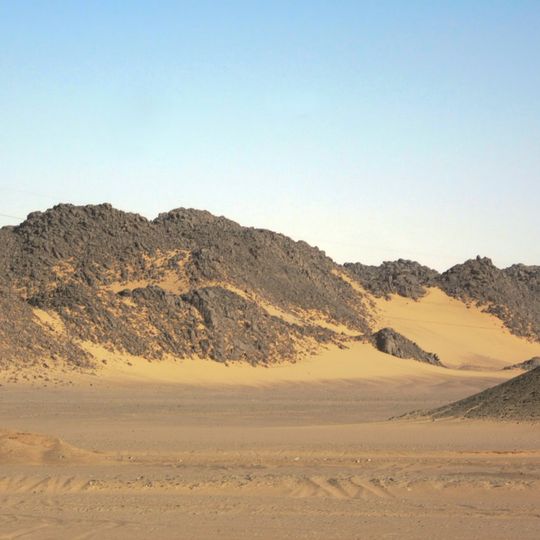
The Nubian Desert is a vast sandy landscape in northeastern Sudan stretching between the Nile River and the Red Sea. The terrain features rocky plateaus, rolling dunes, and seasonal watercourses that carve through the otherwise uniform expanse.
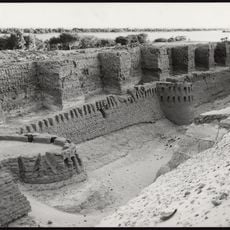
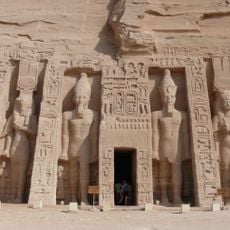
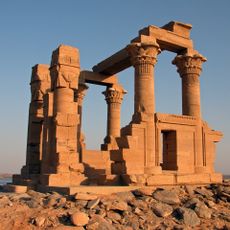
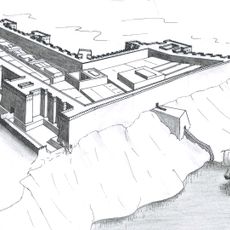
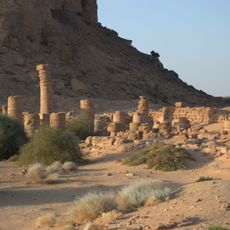
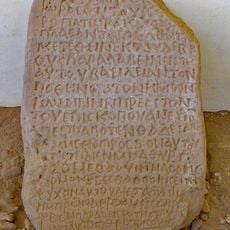
Ancient civilizations used this region as a crucial trade route to move goods and raw materials between distant territories. The pathways across the desert shaped economic and cultural connections that lasted for centuries.
For centuries, nomadic groups and settlements have adapted their way of life to the extreme heat and aridity of this vast landscape. Their presence shaped the region and remains visible in the scattered oases where communities continue to live today.
The best time to visit is between October and April when temperatures drop significantly and extended exploration becomes feasible. Visitors should prepare for harsh conditions and always carry adequate water and supplies.
A rare palm species called Medemia argun grows only in scattered oases and is found nowhere else in the surrounding region. These plants mark places where water and life persist in an otherwise arid landscape.
The community of curious travelers
AroundUs brings together thousands of curated places, local tips, and hidden gems, enriched daily by 90,892 contributors worldwide.