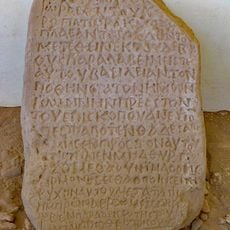
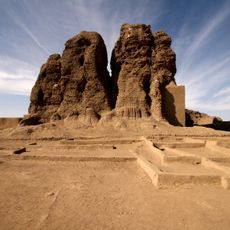
Sanam, Sudan, Archaeological site on the Nile bank near Merowe, Sudan
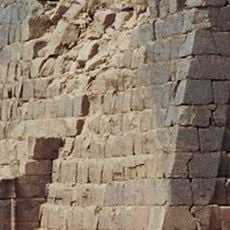
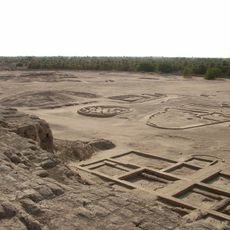
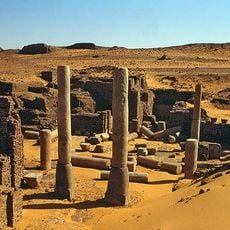
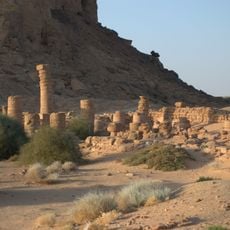
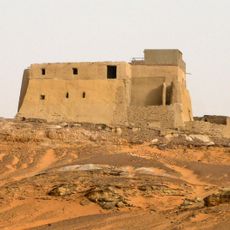
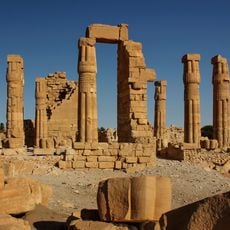
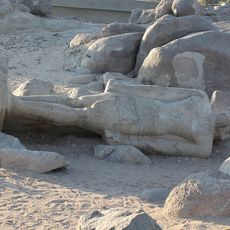
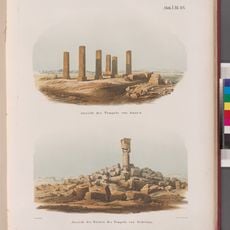
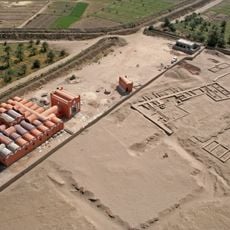
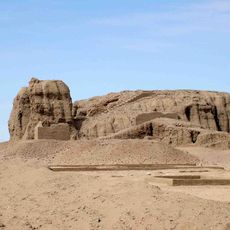
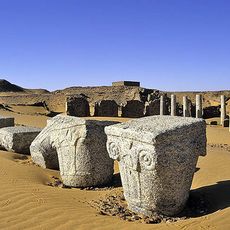
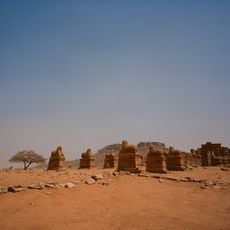
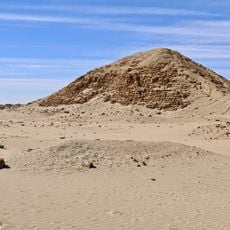
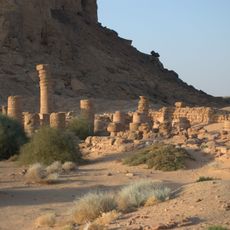
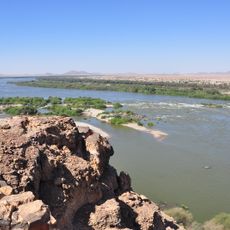
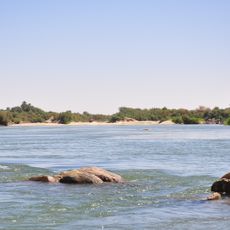
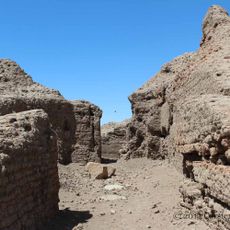
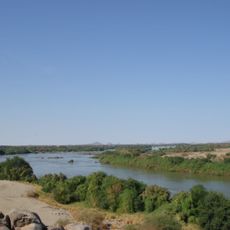
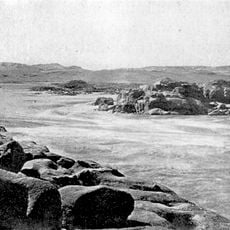
Sanam is an archaeological site on the Nile bank near Merowe containing temples and administrative buildings from ancient times. The structures spread across several hundred meters and reveal an organized settlement with both religious and economic functions.
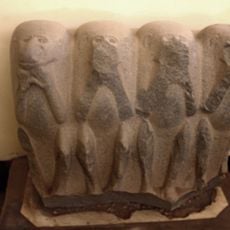
The site originated during the Napatan Period, a time of significant political influence in the region spanning 800 to 300 BC. The temple was built under King Taharqo and later reshaped by King Aspelta.
The burial ground reveals how ordinary people lived and were honored in death during ancient times. The graves show the social customs and burial practices of the period.
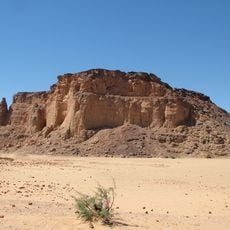
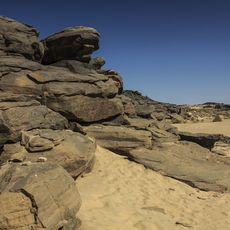
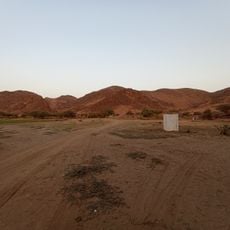
The location sits in an arid area near the Nile and is best visited during cooler months. Limited shade and facilities exist on-site, so prepare for extended sun exposure and heat.
Griffith called the largest structure at Sanam the Treasury: 267 metres long, with a courtyard ringed by 35 rooms. It held elephant tusks and a seal pointing to use from 747–716 to 593–568 BC, and goods were stored and redistributed from it. East of it lay SA.K 300, a 39 by 35 metre workshop with eleven rooms, nine opening onto a courtyard, where high-value goods were made.
The community of curious travelers
AroundUs brings together thousands of curated places, local tips, and hidden gems, enriched daily by 94,583 contributors worldwide.