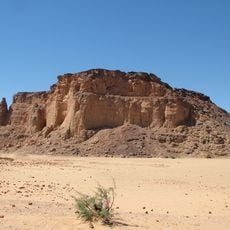
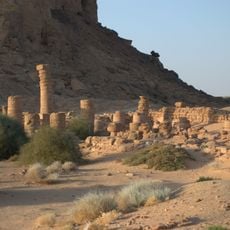
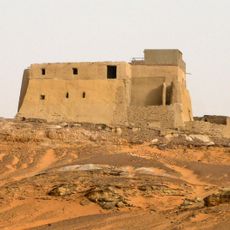
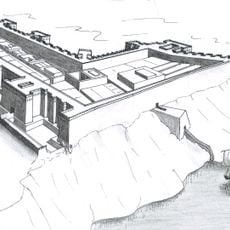
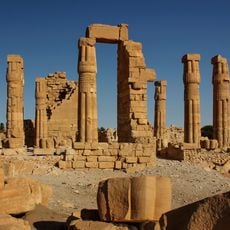
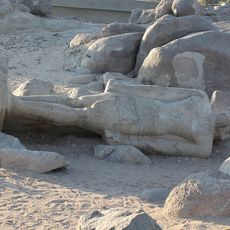
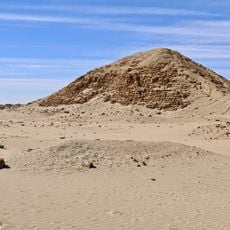
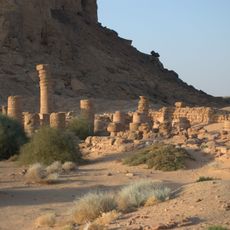
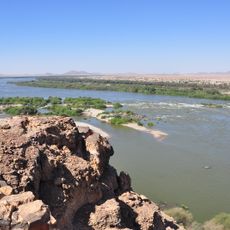
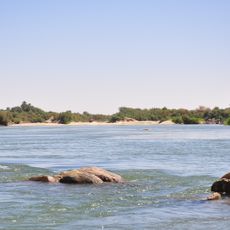
Doukki Gel, Archaeological site in Northern State, Sudan.
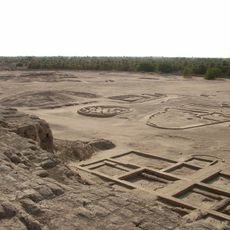
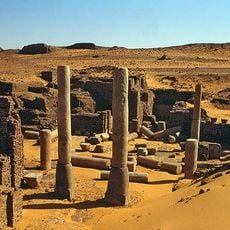
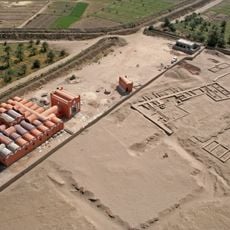
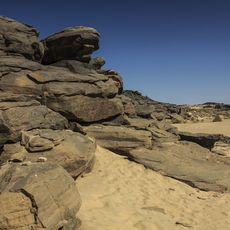
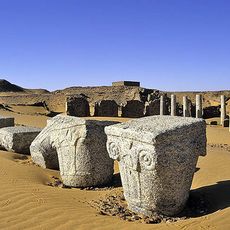
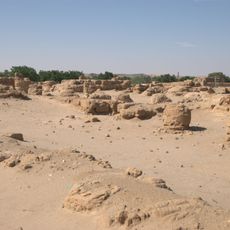
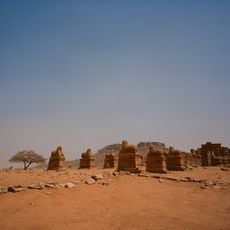
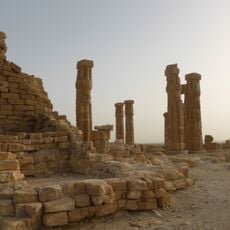
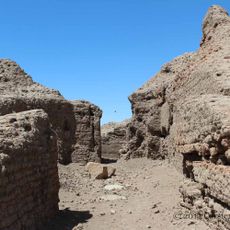
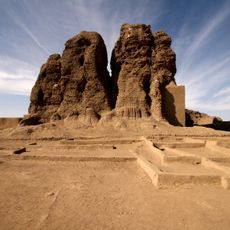
Doukki Gel, meaning "red hill" in a Nubian dialect, is an archaeological site in Northern State, Sudan, 700 metres from Kerma. It holds two superimposed cities: an Egyptian foundation with a massive mud-brick fortress and a temple of Amun, and beneath it an older city with circular and oval buildings protected by fortifications, dated around 1800 BCE.
Charles Bonnet's excavations at Doukki Gel began in the 1970s and have continued for over twenty years, revealing a circular-plan city older than the Egyptian occupation. Since 23 February 2013 the site has been the object of Swiss-French-Sudanese cooperation. The Egyptian city of Pnoubs, founded by the XVIII dynasty, was occupied from 1450 to 400 BCE.
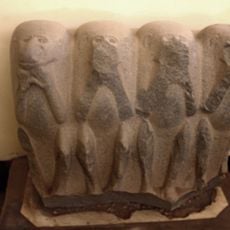
Excavated artifacts demonstrate the advanced craftsmanship of ancient Nubian societies through pottery works, tools, and agricultural implements found at the location.
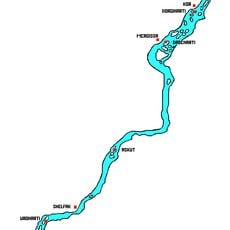
Doukki Gel lies 700 m from the Kerma site and about 1 km north of the ancient city, in Northern State. Since 23 February 2013 the two sites have been excavated under a Swiss-French-Sudanese cooperation led by Charles Bonnet, so access depends on the mission's work. Contact the excavation team or Sudanese antiquities authorities before travelling.
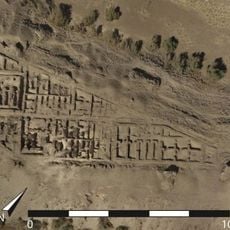
The circular buildings at Doukki Gel, dated around 1800 BCE, predate the Egyptian occupation and have no parallel in Egyptian or Kerma Nubian architecture. Archaeologists suggest they may have been built by a coalition people from neighbouring Africa who allied with Kerma against Egyptian expansion.
The community of curious travelers
AroundUs brings together thousands of curated places, local tips, and hidden gems, enriched daily by 93,438 contributors worldwide.