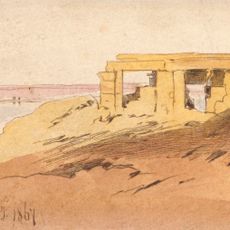
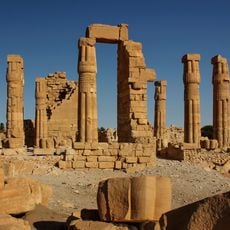
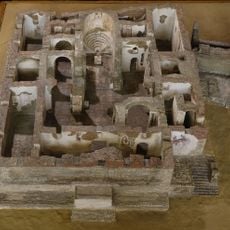
Uronarti, Archaeological site on an island in the Nile, Northern State, Sudan
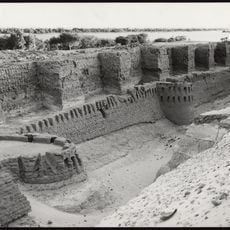
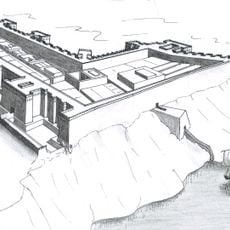
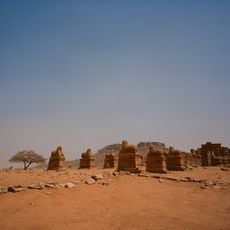
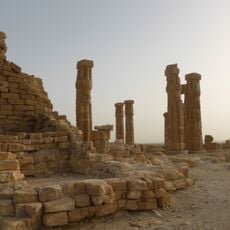
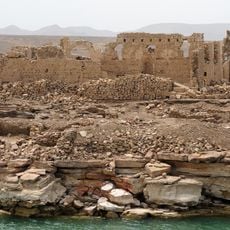
Uronarti is a triangular fortress on a rocky island in the Nile, built largely of sun-dried mud brick with outer walls 5 metres thick and originally 10 metres high. Its stone-paved streets, large granaries, governor's house and barracks follow the island's topography. The fort measures about 120 by 60 metres.
The fortress was founded during Egypt's Middle Kingdom and served as part of a defensive network protecting the Nile against threats from the south. It grew and changed over several centuries as different rulers strengthened and modified its structures.
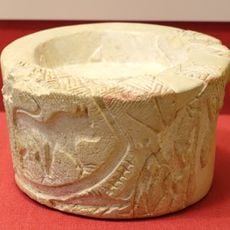
The name Uronarti comes from Nubian and means "Island of the King". Excavations found Nubian cooking pots alongside Egyptian bread moulds, showing interaction with local people even though no contemporary Nubian settlement is known nearby. Clay stamps depicting captives, a type found only at these fortresses, may have served as symbols.
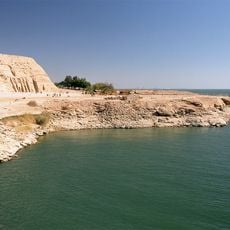
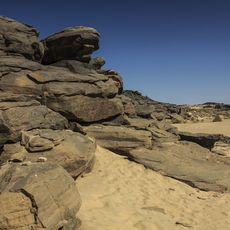
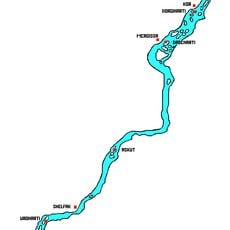
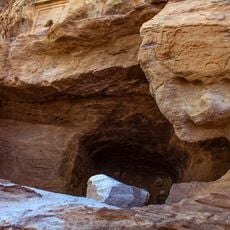
Uronarti lies in the Nile in Sudan's Northern State, not Egypt, and is reached by boat; there is no ferry from Aswan or Abu Simbel. The island is in the Batn-El-Hajar, the Belly of Rocks, where the Nile runs through a narrow passage. The fortress stands on the rocky northern end, while Site FC lies about 250 m south of its walls near the east shore. Low water exposes more of the riverside structures.
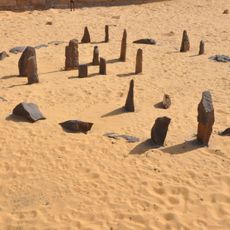
Site FC, about 250 m south of the fortress walls, was found in 2012 and partly dug in 2013 and 2015. Its at least 25 dry-stone huts of local stone, some round and 2.5 to 4 m across, held hearths and windbreaks shielding large storage jars. Its poorer pottery differs from the fortress assemblage.
The community of curious travelers
AroundUs brings together thousands of curated places, local tips, and hidden gems, enriched daily by 93,861 contributors worldwide.