Lake Nubia, reservoir in Sudan
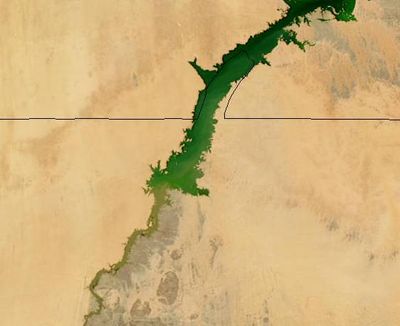
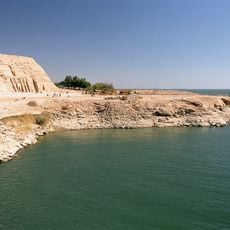
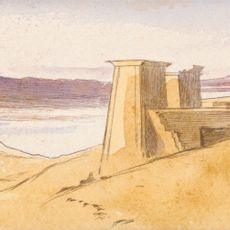
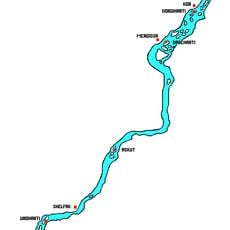
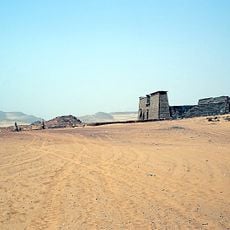
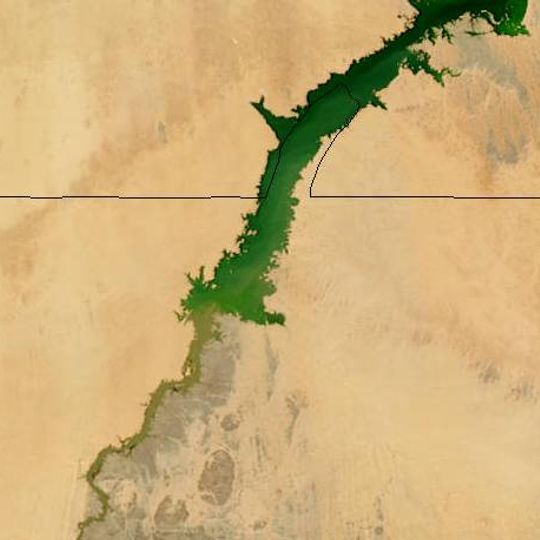
Lake Nubia is a large reservoir that straddles the border between Sudan and Egypt, created when the Aswan High Dam was built on the Nile River. The calm water stretches across a landscape of desert terrain with sparse vegetation and scattered rocky formations.
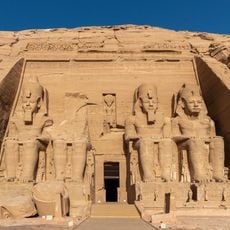
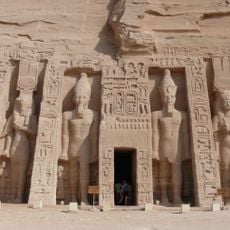
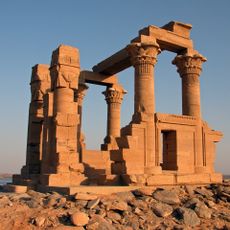
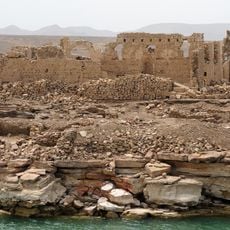
The lake was formed in the mid-20th century when the Aswan High Dam was completed, transforming the Nile River into a massive water storage system. The dam's construction resulted in the flooding of settlements and ancient sites that now rest beneath the water.
The lake is named after the historical region of Nubia and reflects the local population's deep connection to the Nile. Daily life here revolves around fishing and farming, practices that have shaped communities for generations and remain central to how people work and live along the shores.
The lake is best explored on foot along the shoreline, where you can observe fishing villages and the simple landscape around you. Visitors should prepare for hot daytime temperatures and use the cooler early morning or evening hours for exploring.
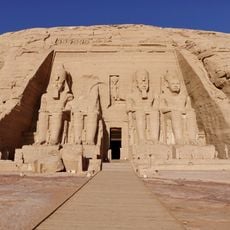
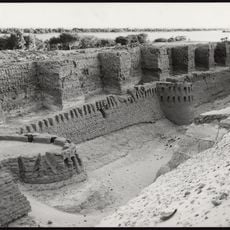
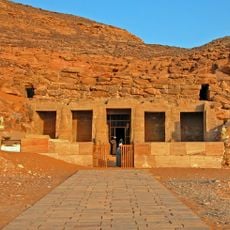
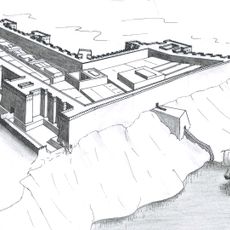
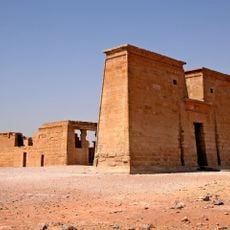
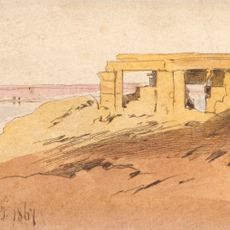
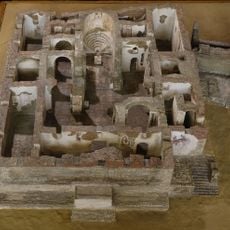
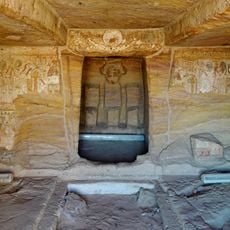
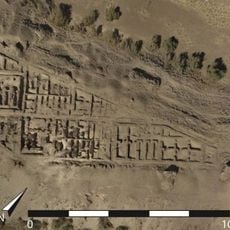
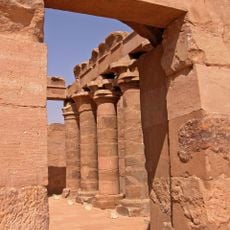
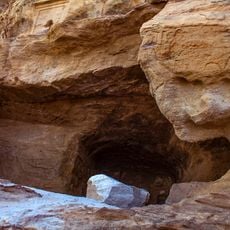
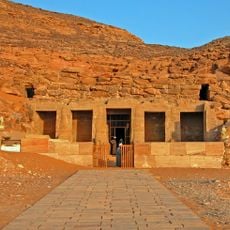
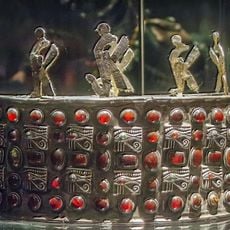
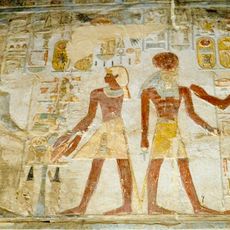
Submerged ruins of ancient temples and settlements lie beneath the water and become partially visible when water levels drop, revealing the long history of civilizations that once flourished along the Nile. These archaeological remains tell stories of cultures that shaped the region over centuries.
The community of curious travelers
AroundUs brings together thousands of curated places, local tips, and hidden gems, enriched daily by 90,807 contributors worldwide.