Wadi es-Sebua, Archaeological complex in Aswan Governorate, Egypt
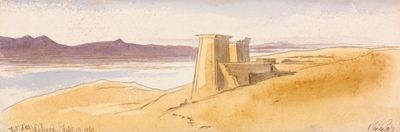
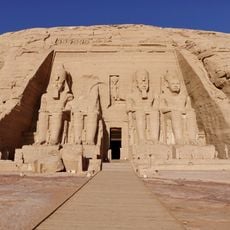
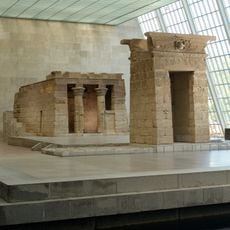
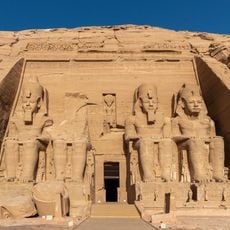
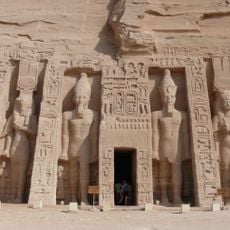
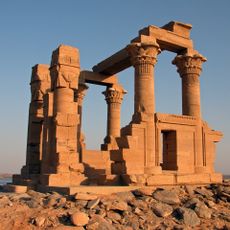
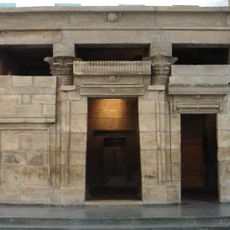
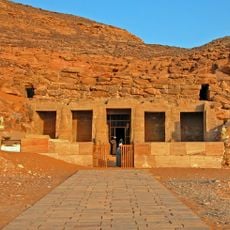
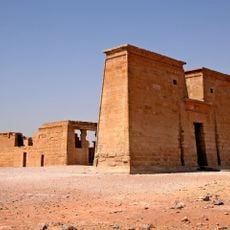
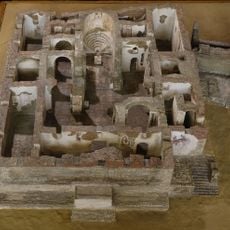
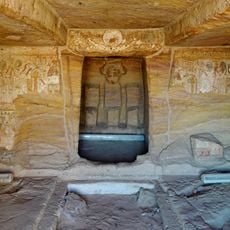
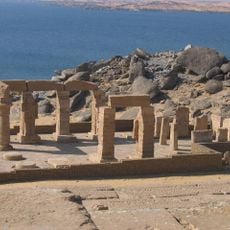
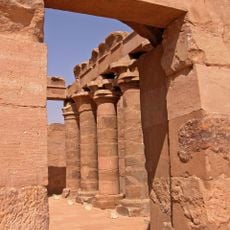
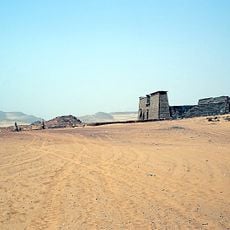
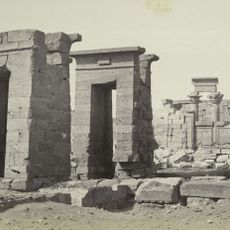
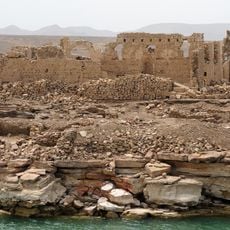
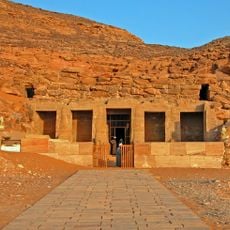
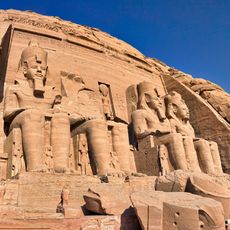
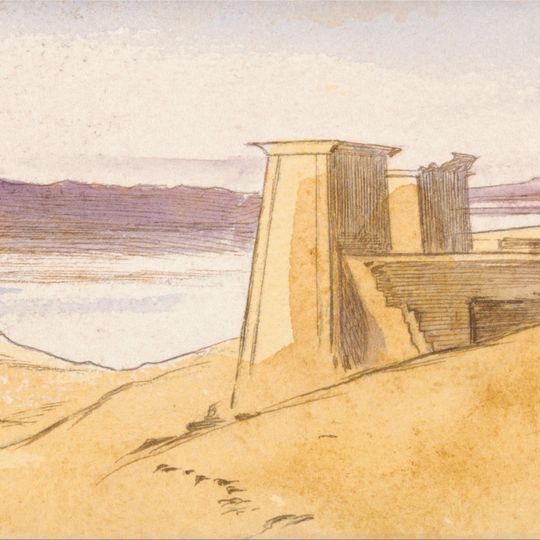
Wadi es-Sebua is an archaeological complex in Aswan Governorate, Egypt, made up of three Nubian temples: the main temple of Ramesses II, the temple of Dakka, and the temple of Maharraqa. The site features stone pylons, columned courts, and inner sanctuaries decorated with carved reliefs across their walls and ceilings.
The main temple was built during the reign of Ramesses II and dedicated to Amun-Ra as well as to the pharaoh himself as a god. When the Aswan High Dam was constructed in the 1960s and Lake Nasser began to rise, all three temples were moved to their current location to keep them above water.
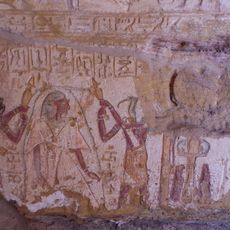
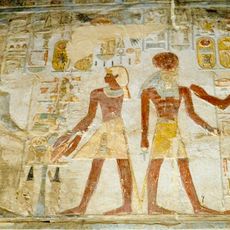
The row of sphinxes leading to the main temple entrance shows figures with human faces and falcon bodies, a combination rarely seen in Egyptian temple art. Inside, the reliefs show Ramesses II performing offering scenes before various gods, giving a direct sense of how religious ceremonies were staged here.
The site sits on the shore of Lake Nasser and is largely open, allowing visitors to move freely between the three temples. Going early in the morning is a good idea since the heat in this area can become very strong by midday.
When the area was Christianized in the 6th century, monks covered the ancient reliefs with a layer of plaster to hide the Egyptian gods depicted on the walls. That same plaster layer ended up shielding the carvings from erosion, preserving them in far better condition than if they had been left exposed.
The community of curious travelers
AroundUs brings together thousands of curated places, local tips, and hidden gems, enriched daily by 92,863 contributors worldwide.