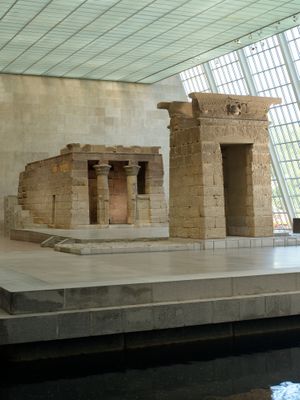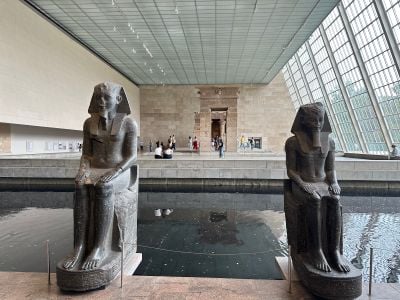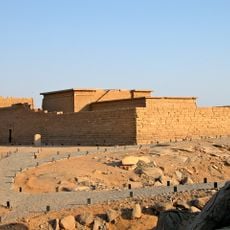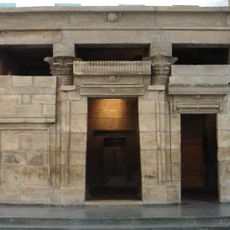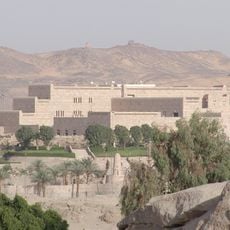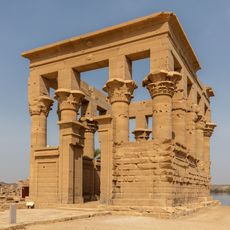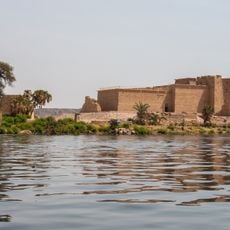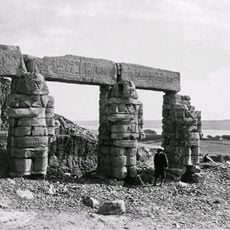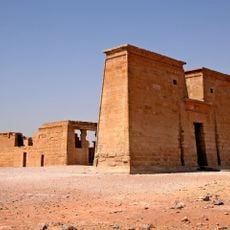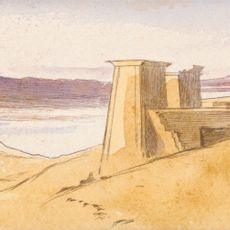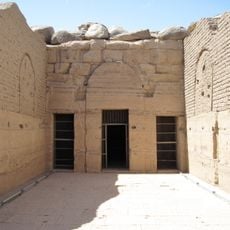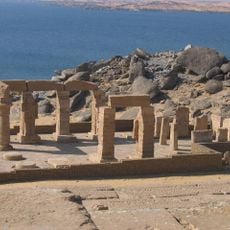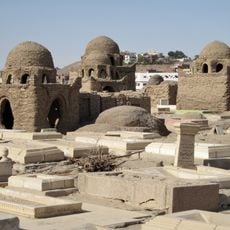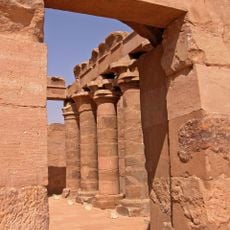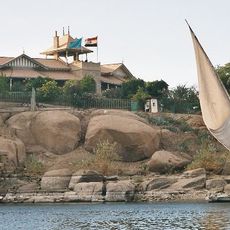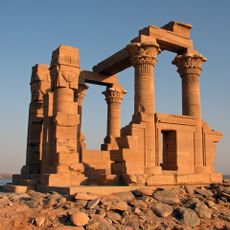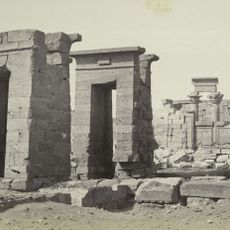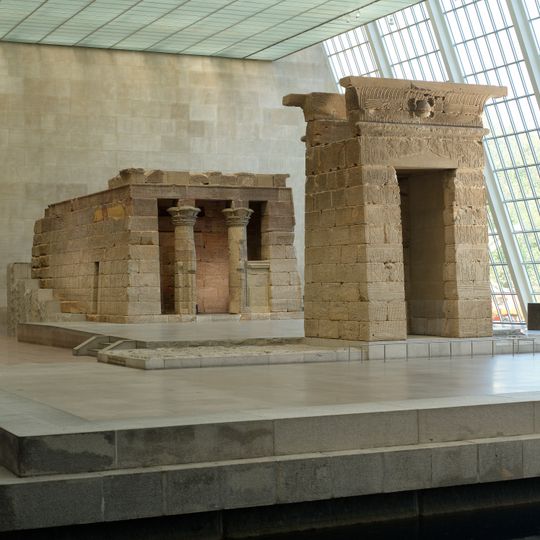
Temple of Dendur, Egyptian temple from Nubia at Metropolitan Museum of Art, United States.
The Temple of Dendur is an ancient sandstone structure with three connected chambers whose walls are decorated with carved reliefs showing Egyptian deities and the Roman Emperor Augustus. The building measures around 35 feet (11 meters) tall and demonstrates the skilled craftsmanship of its ancient builders.
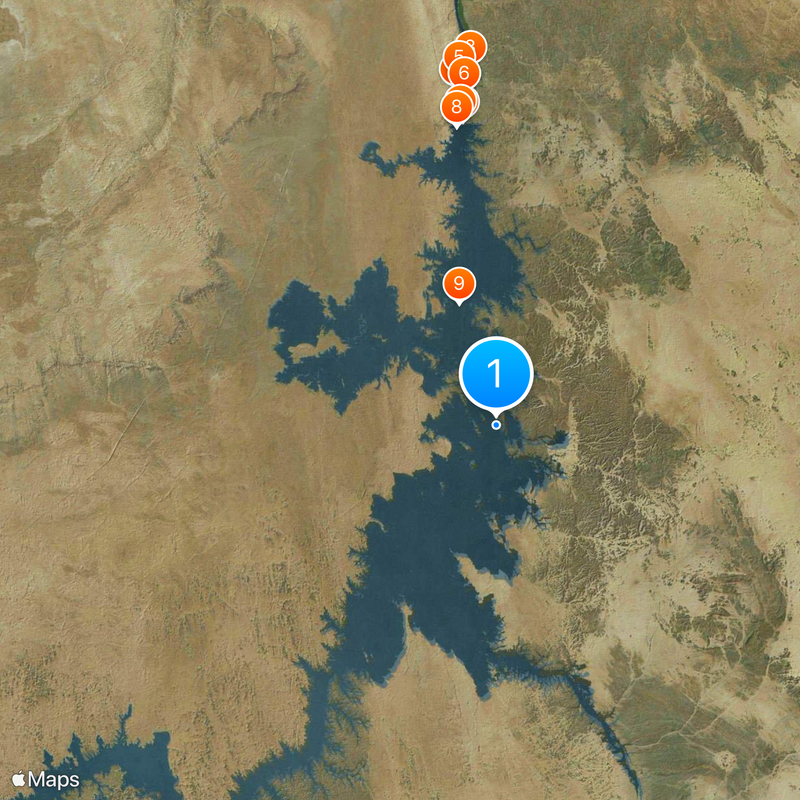
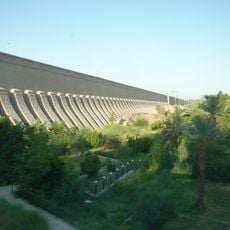
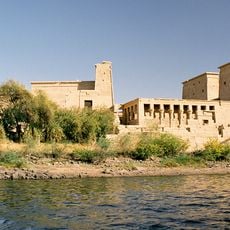
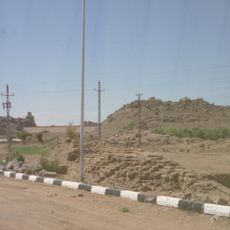
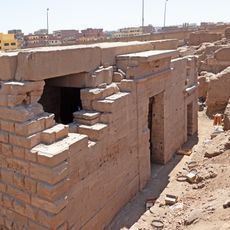
The temple was completed around 10 BCE under Emperor Augustus and originally stood in ancient Nubia. It was dismantled in 1962 and brought to the United States when construction of the Aswan High Dam threatened to flood its original location.
The walls display offerings to the goddess Isis and to two brothers from Nubia, Pedesi and Pihor, who were honored as divine figures in the local community. These carvings reveal the spiritual beliefs and religious practices that mattered to people in this ancient region.
The temple is housed in the Sackler Wing gallery at the Metropolitan Museum of Art, where controlled temperature and humidity protect it from damage. Visitors can take their time examining the carved reliefs from different angles and distances, as the carefully maintained environment ensures the structure's continued preservation.
Before arriving in New York, the temple bore carved names and marks left by visitors in the 1800s on its sandstone walls. Some of these scratches remain visible today, serving as a reminder of how people once treated ancient sites differently than they do now.
The community of curious travelers
AroundUs brings together thousands of curated places, local tips, and hidden gems, enriched daily by 92,887 contributors worldwide.