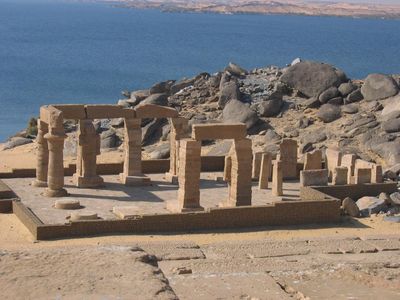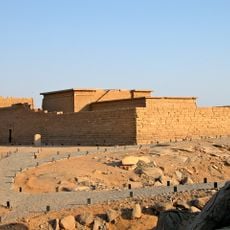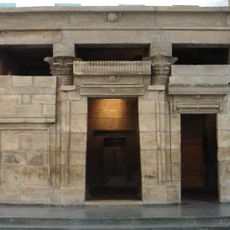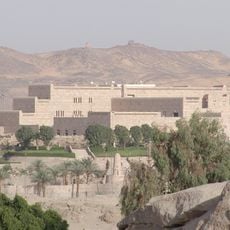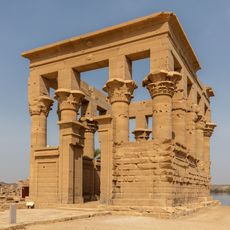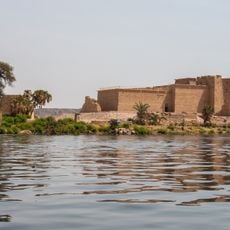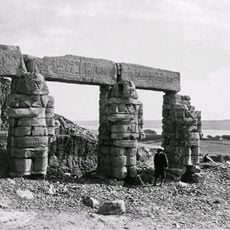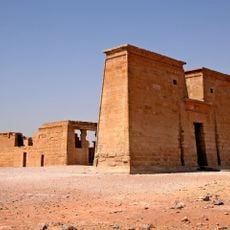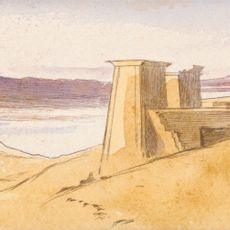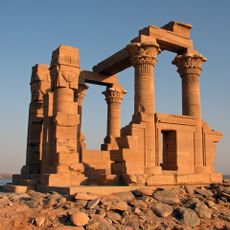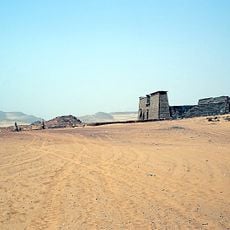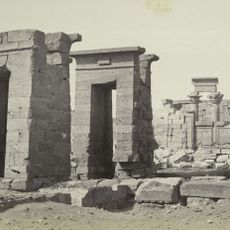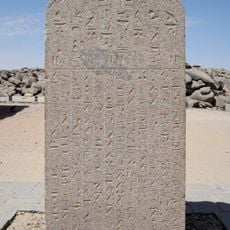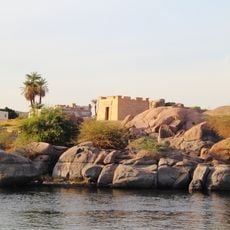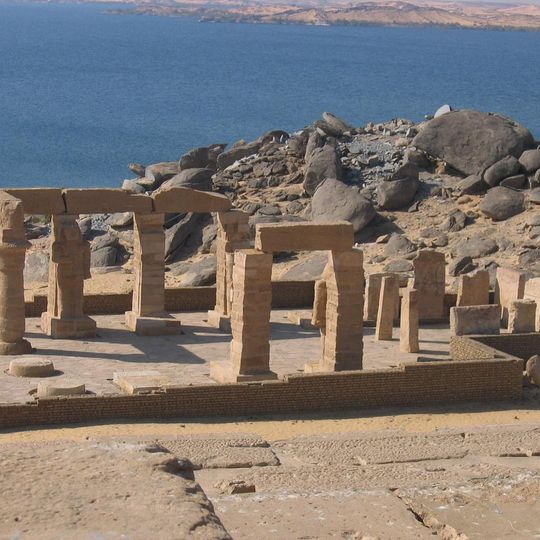
Gerf Hussein, Archaeological temple site near Aswan, Egypt
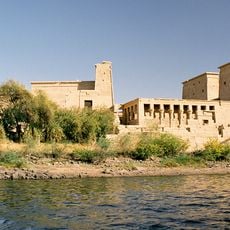
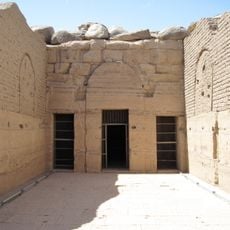
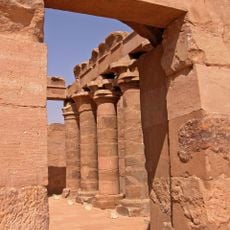
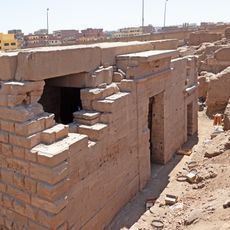
Gerf Hussein is an ancient Egyptian temple in Nubia, south of Aswan, built partly into the rock and partly as a free-standing structure. The free-standing section opens with a colonnaded courtyard featuring large pillar statues of the pharaoh, while the rock-cut section extends deeper into the sandstone cliff behind it.
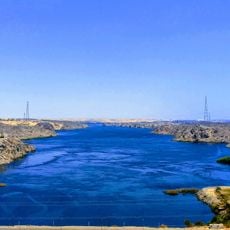
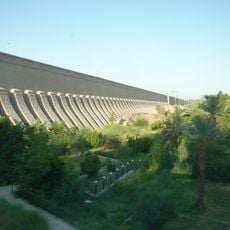
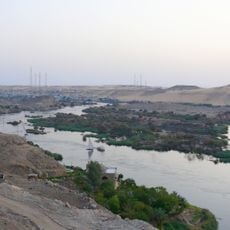
The temple was built during the reign of Ramesses II by Setau, his Viceroy of Nubia, as part of a series of temples the pharaoh commissioned along the Nile. When the Aswan High Dam was completed in the 1960s, the rising waters of Lake Nasser flooded most of the complex.
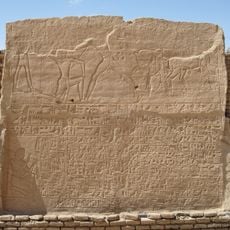
The temple was dedicated to Ptah, Re-Harakhty, and Ramesses II himself, making it a place where the pharaoh was worshipped as a god alongside other deities. Visitors can still see reliefs showing the ruler presented in the same way as the gods honored at the site.
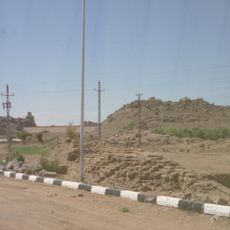
The site can only be reached by boat from Aswan, so it is worth arranging the trip in advance. The area is fully exposed to the sun with no shade, so bringing water and covering up well are both necessary.
Unlike most of the rescued Nubian temples, Gerf Hussein was only partially saved: a few of its carvings and elements were moved to the New Kalabsha open-air museum, but the bulk of the complex remains permanently under the waters of Lake Nasser. This means that what visitors see today is only a fragment of what the original site once was.
The community of curious travelers
AroundUs brings together thousands of curated places, local tips, and hidden gems, enriched daily by 90,866 contributors worldwide.