Famine Stela, Ancient stone inscription on Sehel Island, Egypt
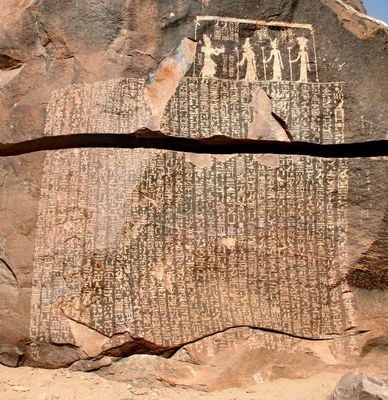
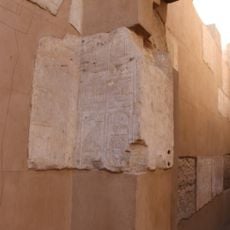
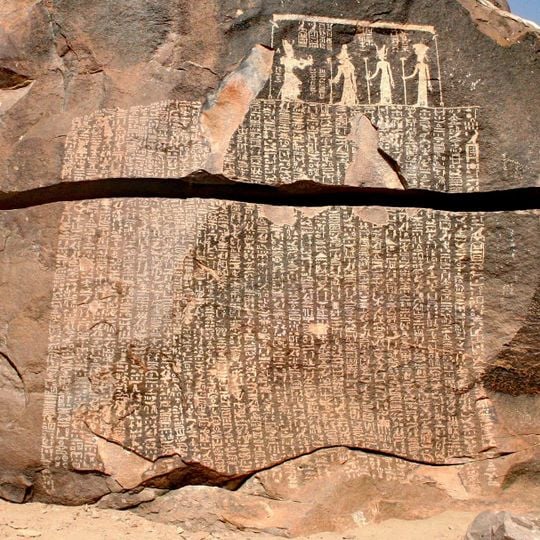
The Famine Stela is an inscription carved into natural granite on Sehel Island with 32 columns of hieroglyphic text and detailed scenes showing deities and royal offerings. The monument displays carefully carved depictions that document both religious and administrative aspects of ancient Egyptian civilization.
The monument dates to the Ptolemaic period and records a seven-year drought during the reign of Pharaoh Djoser in the Third Dynasty of Egypt. The inscription connects events from a much earlier time with this later recording, showing how significant that dry period remained in Egyptian memory.
The stone shows three Egyptian deities - Khnum, Satis, and Anuket - receiving offerings from Pharaoh Djoser, with priests and officials standing around them. This scene reveals how ancient Egyptians honored their gods and what role the pharaoh played as a link between the divine and human worlds.
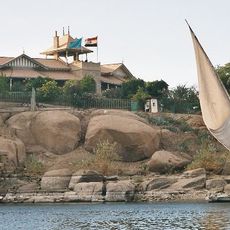
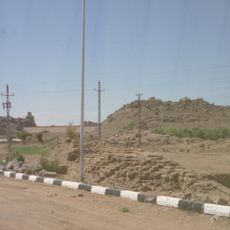
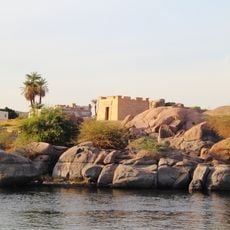
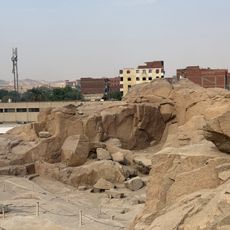
To reach the inscription, visitors must take a boat from Aswan to Sehel Island, with morning hours offering the best light for reading the hieroglyphs. Sturdy shoes are advisable since granite can be slippery after rain and the path crosses rocky terrain.
A natural fissure runs horizontally through the rock surface, interrupting the carved text at several points with visible gaps. These damages caused by granite's geology show that even the most valuable records of antiquity were exposed to natural forces.
The community of curious travelers
AroundUs brings together thousands of curated places, local tips, and hidden gems, enriched daily by 91,664 contributors worldwide.