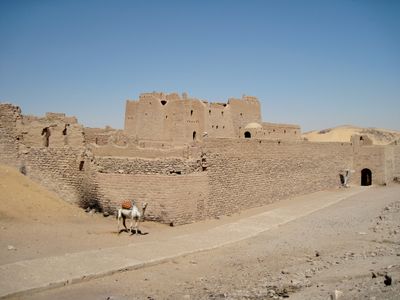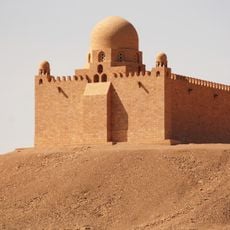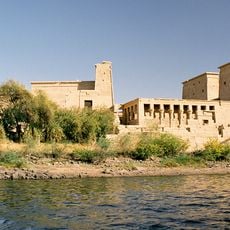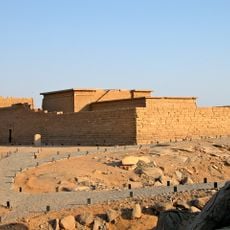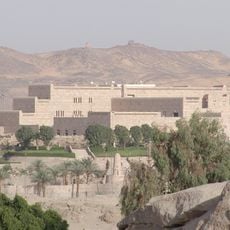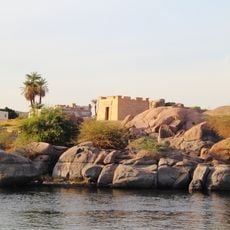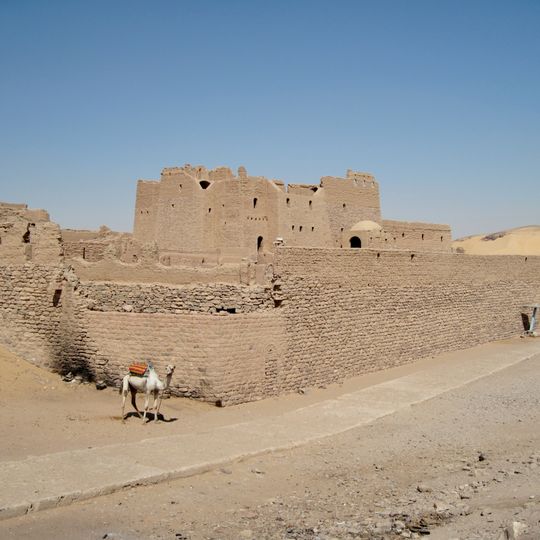
Saint Simeon Monastery, 7th century monastery ruins near Aswan, Egypt
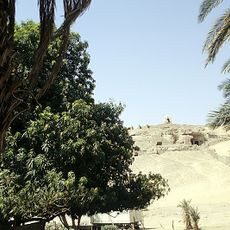
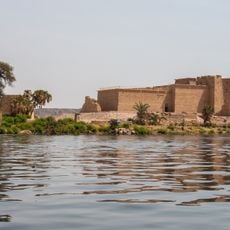
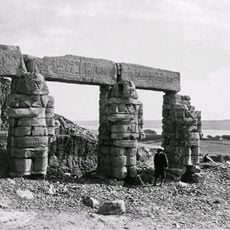
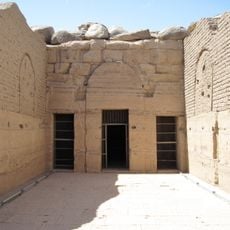
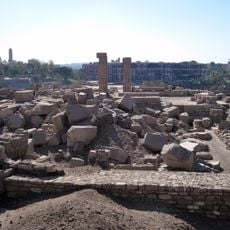
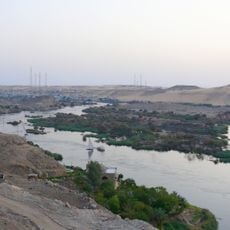
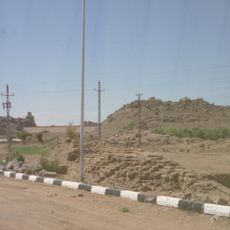
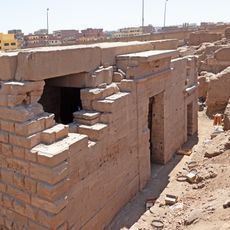
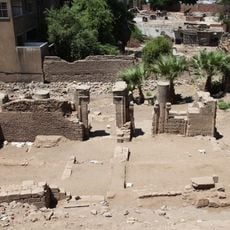
The Monastery of Saint Simeon is a 7th-century structure on the west bank of the Nile near Aswan, featuring stone walls, rooms, and standing columns throughout its layout. The site preserves the arrangement of a fortified monastic settlement with distinct areas for living and worship.
Built in the 7th century and dedicated to a revered religious figure, the monastery housed a large monastic community within its walls. Its destruction came in the late 12th century, marking the end of monastic life at the site.
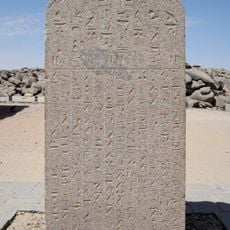
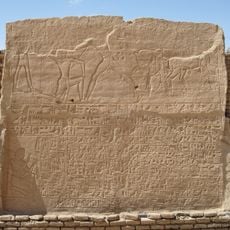
The monastery was a hub for spreading Christianity across the region, with monks departing from here on missions to neighboring lands. The evidence of their religious work remains visible in inscriptions carved into the walls.
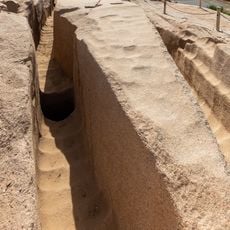
Visit in early morning or late afternoon when the sun is lower and the ruins are cooler and better lit. Sturdy footwear and plenty of water are essential, as the terrain is uneven and includes staircases throughout the site.
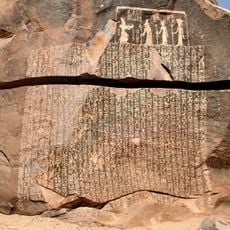
Ancient scratches and marks can be found on the inner walls, including inscriptions left by a Muslim visitor who passed through before the site was destroyed. These graffiti offer insight into the diverse people who traveled to this sacred place.
The community of curious travelers
AroundUs brings together thousands of curated places, local tips, and hidden gems, enriched daily by 91,807 contributors worldwide.