Nile, River system in northeastern Africa.
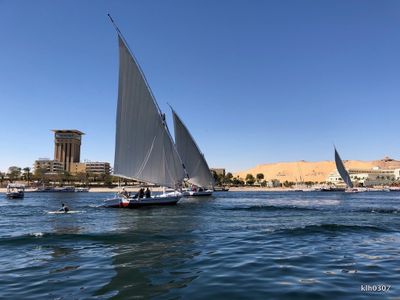
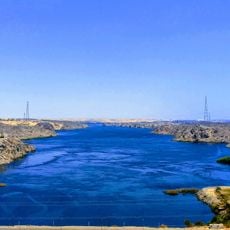
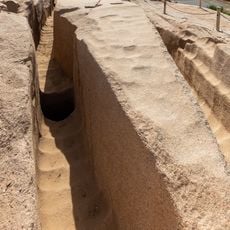
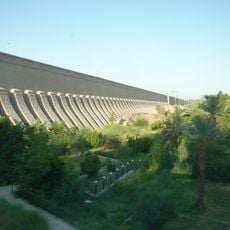
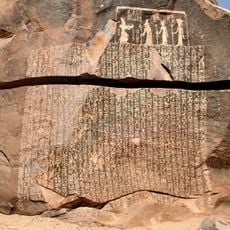
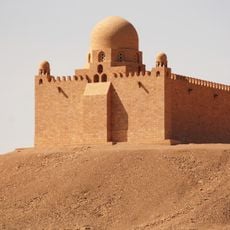
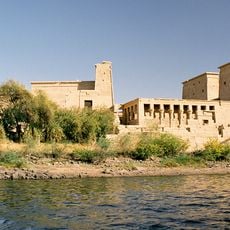
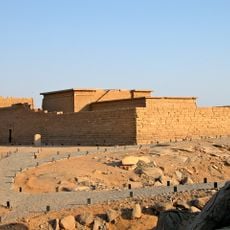
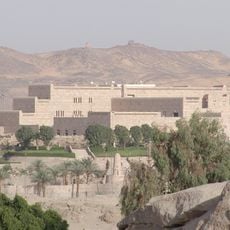
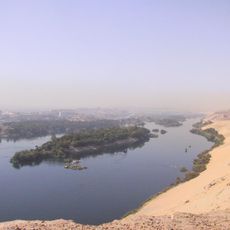
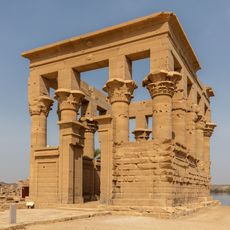
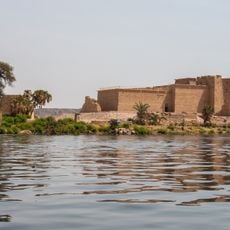
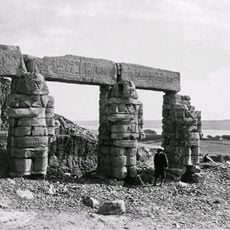
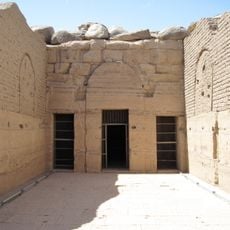
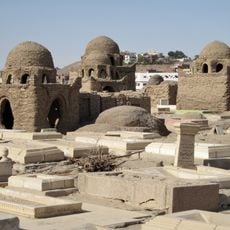
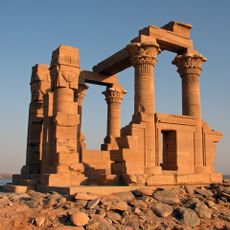
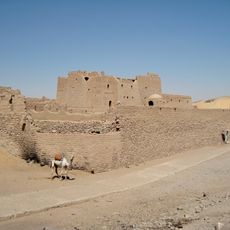
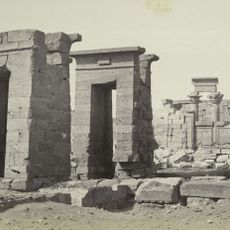
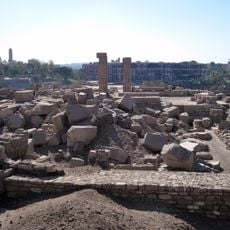
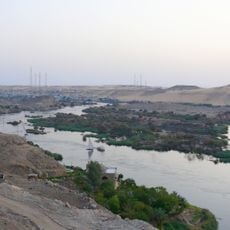
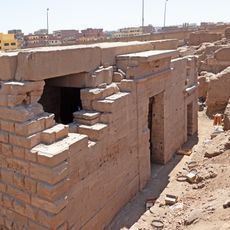
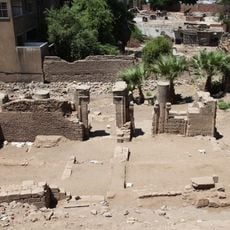
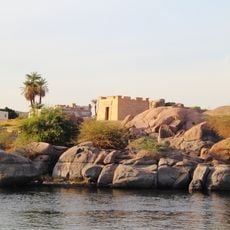
The Nile is a major river system in northeastern Africa, flowing northward through multiple countries and creating fertile valleys along its path. Its banks are lined with ancient temples, tombs, and settlements that reveal how civilizations developed beside these waters.
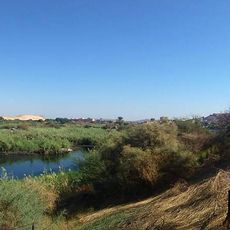
The river was essential to the rise of Egyptian civilization, with people settling along its banks and depending on its yearly floods for survival. These regular inundations brought fertile soil and water that sustained agriculture and prosperity across many centuries.
For ancient Egyptians, the river was the center of life, shaping agriculture, religion, and daily routines for thousands of years. People gathered along its banks for trade, fishing, and ceremonies that connected their communities and beliefs to the water itself.
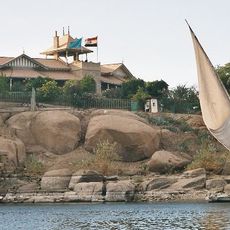
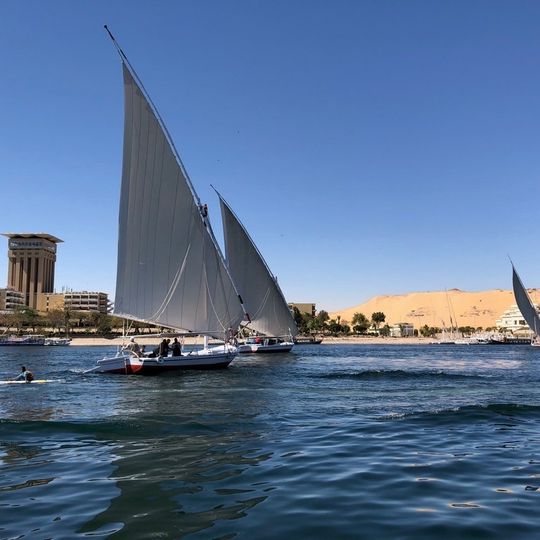
Visitors can explore the river best by boat, with cruises and ferries connecting distant sections in a few days. Hotels, restaurants, and landing spots are found in towns along the banks, making it easy to move between areas and see different landscapes.
The river is fed by two major sources: the White Nile from East Africa and the Blue Nile from the Ethiopian highlands, which merge at different points. Early explorers spent decades searching for these headwaters, making their discovery one of the great geographical achievements of the 19th century.
The community of curious travelers
AroundUs brings together thousands of curated places, local tips, and hidden gems, enriched daily by 91,804 contributors worldwide.