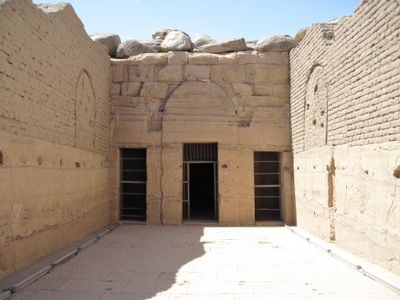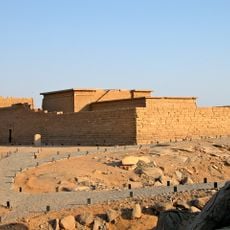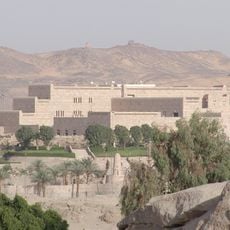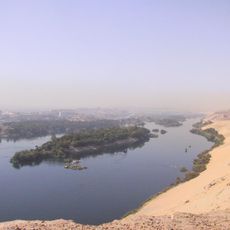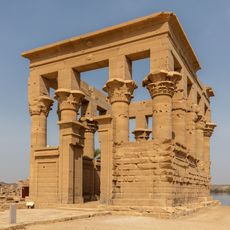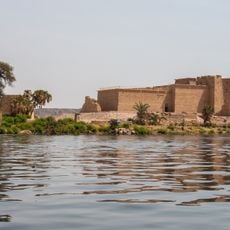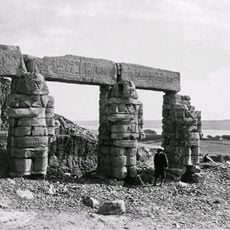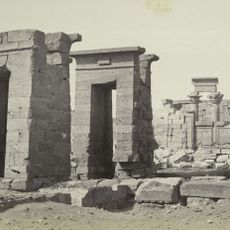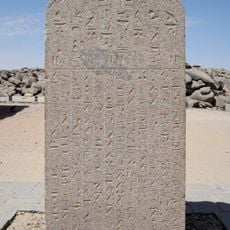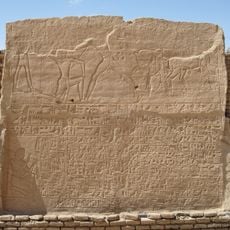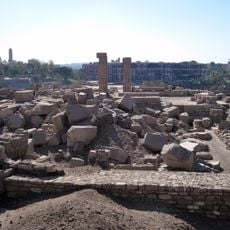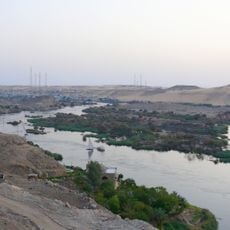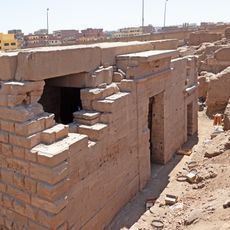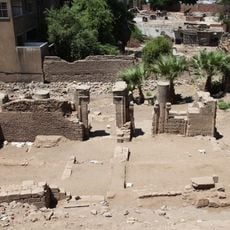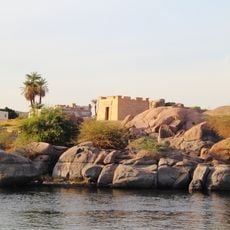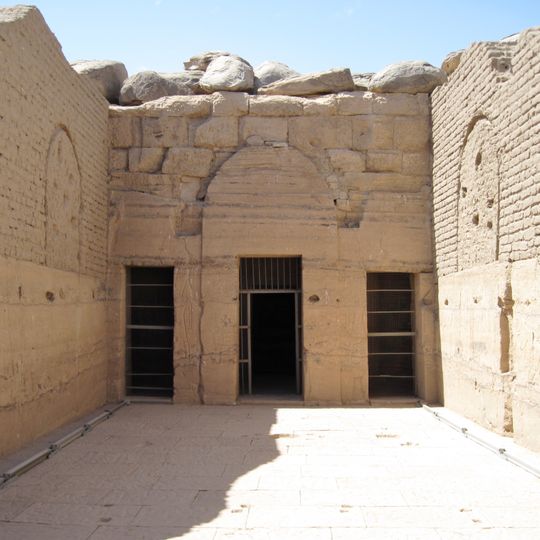
Temple of Beit el-Wali, Egyptian temple of Ramesses II in Nubia, Egypt.
The Temple of Beit el-Wali is a rock-cut temple built for Ramesses II in Nubia, decorated with carved reliefs and painted scenes throughout its chambers. Its walls display battle depictions and religious processions, showing the pharaoh alongside family members and divine figures.
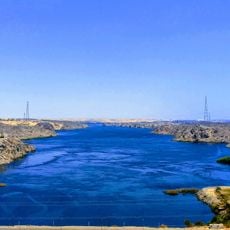
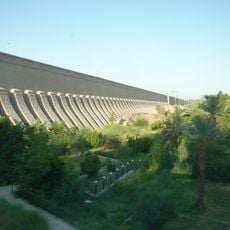
This temple was built during Ramesses II's reign in the 13th century BCE and originally stood carved into a riverbank cliff near Nubia's border. It was relocated to higher ground in the 1960s to protect it from flooding caused by the construction of the Aswan Dam.
The interior walls show scenes of tributes from Nubia, with Ramesses II and his sons receiving offerings from local rulers. These carved images reveal how the pharaoh viewed his relationship with lands to the south.
The best way to visit is by joining a tour from Aswan, where guides explain the carvings and the temple's history along the way. The site is exposed to sun, so wear comfortable shoes and bring water for your time exploring the interiors and surrounding areas.
The inner chambers still retain original paint on their walls, showing colors that ancient Egyptian artists once applied to the carved scenes. These faded pigments offer visitors a rare glimpse into how the temple actually appeared thousands of years ago.
The community of curious travelers
AroundUs brings together thousands of curated places, local tips, and hidden gems, enriched daily by 91,880 contributors worldwide.