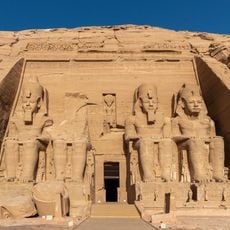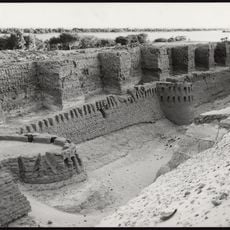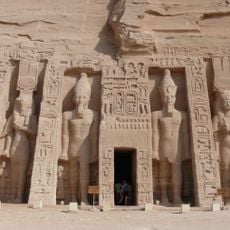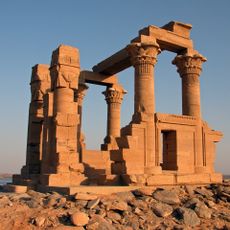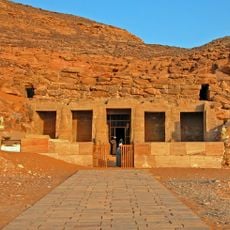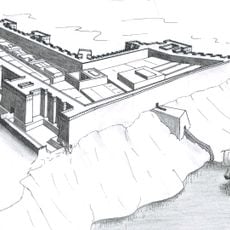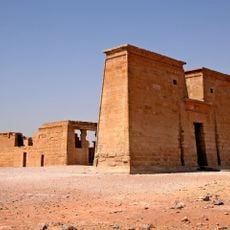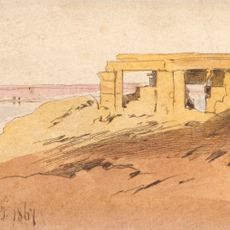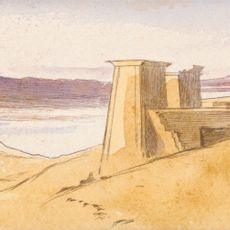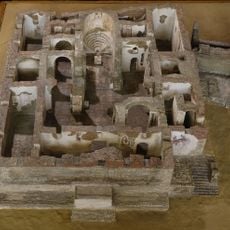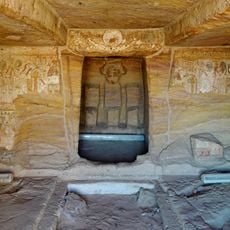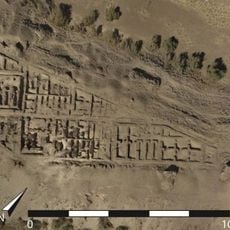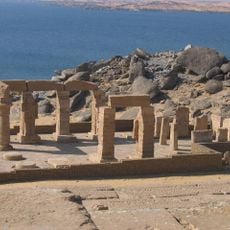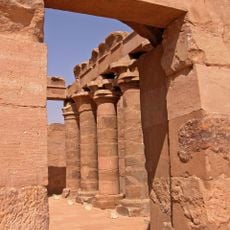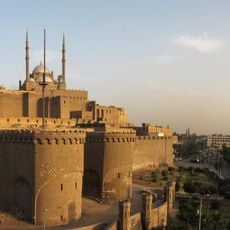
Qustul, Archaeological cemetery in Aswan Governorate, Egypt.
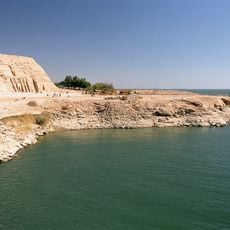
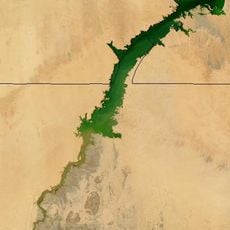
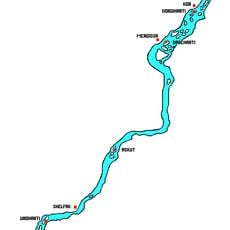
Qustul is an archaeological site in Lower Nubia, located on the eastern bank of the Nile and containing burial grounds from several periods of ancient history. The site now lies fully submerged under Lake Nasser, which formed after the construction of the Aswan High Dam.
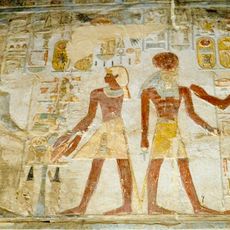
Qustul was first used during the early A-Group culture, one of the oldest known communities in Nubia, and later served as a burial place during the New Kingdom and X-Group periods. The site was excavated in the early 1960s before the rising waters of Lake Nasser permanently covered it.
The graves at Qustul show how early Nubian communities treated their dead and what objects they considered worth taking into the afterlife. The grave goods range from everyday pottery to finely crafted items that reflect the social standing of those buried there.
The site itself cannot be visited since it lies beneath Lake Nasser, but objects recovered during excavations are on display in Egyptian museums, including in Cairo. Planning a visit to these collections is the only way to see the finds from this location today.
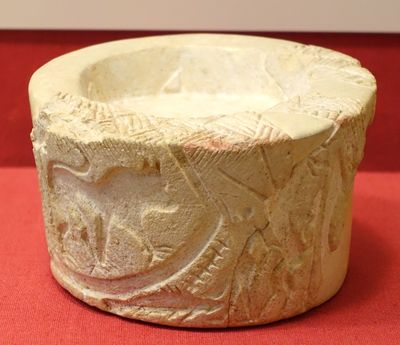
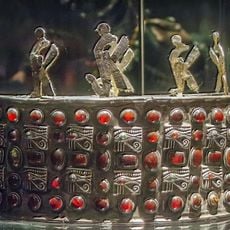
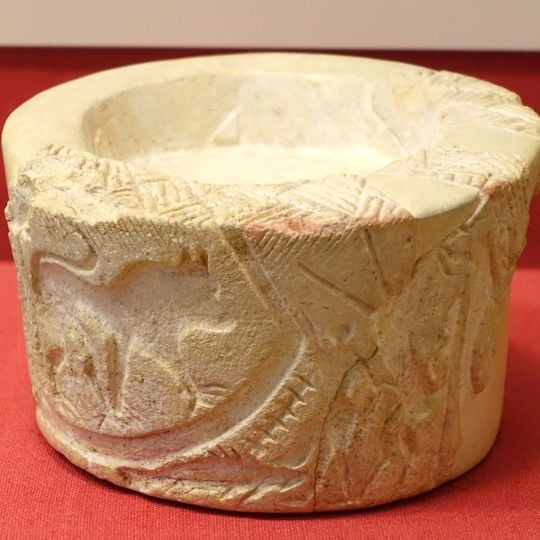
The Qustul incense burner, found in an early burial, carries royal symbols that appear in Nubia before they became common in Egypt, sparking a long debate among researchers about where the concept of pharaonic rulership first developed. This single object has shaped decades of discussion about the origins of kingship in the Nile Valley.
The community of curious travelers
AroundUs brings together thousands of curated places, local tips, and hidden gems, enriched daily by 91,693 contributors worldwide.