Kumma, Archaeological fortification site in Northern Sudan
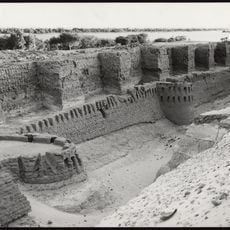
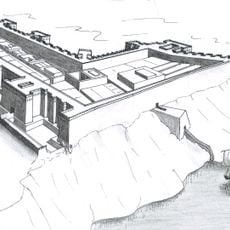
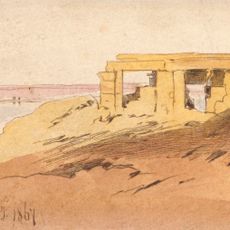
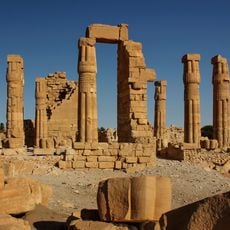
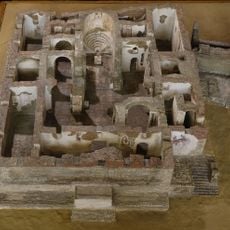
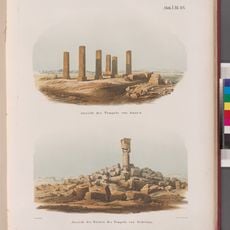
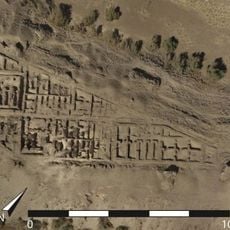
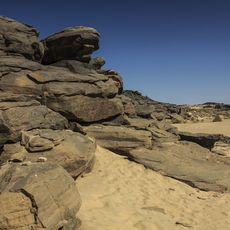
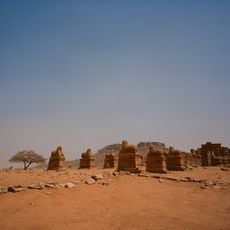
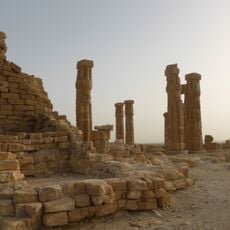
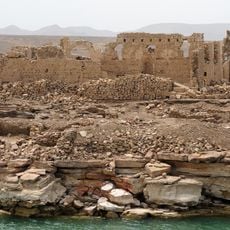
Kumma is an Egyptian fortification on the eastern bank of the Nile built from stone with substantial defensive walls, internal chambers, and multiple levels constructed over time. The structure reveals clear military design features and was positioned to control movement along the river.
Kumma was founded in the mid-12th Dynasty of ancient Egypt as a fortress in Nubia. It was built by Pharaoh Sesostris III, who reigned from 1878 to 1839 BC, together with the fortress of Semna on the opposite bank. The two forts guarded the border between Egypt and the southern lands.
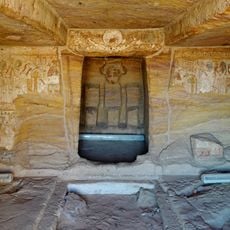
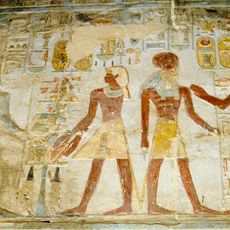
The name Kumma is not Egyptian; the site is also called Semna East, paired with Semna on the opposite bank. The temple of Khnum, the ram-headed god of the First Cataract, stood here; it was salvaged and rebuilt in the National Museum of Sudan in Khartoum, where its blocks can be seen today.
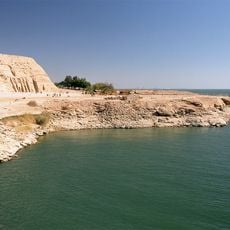
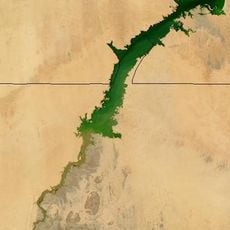
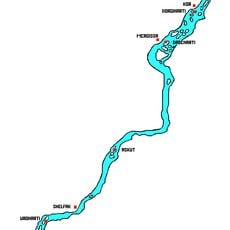
Kumma lies on the eastern bank of the Nile, about 365 km south of Aswan and 35 km southwest of the Second Cataract, opposite Semna. Both sites are now under Lake Nubia, so there is nothing to walk through at the location itself. To see the salvaged temple of Khnum, go to the National Museum of Sudan in Khartoum.
The temple of Khnum at Kumma was dismantled and rebuilt in the National Museum of Sudan in Khartoum before Lake Nubia covered the site. The fort itself now lies under the lake, so the museum is where its carved blocks can be seen.
The community of curious travelers
AroundUs brings together thousands of curated places, local tips, and hidden gems, enriched daily by 93,405 contributors worldwide.