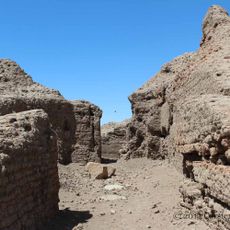
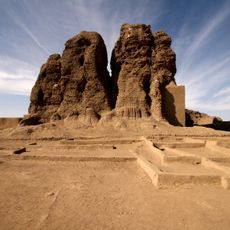
Sedeinga, Archaeological site near River Nile, Sudan.
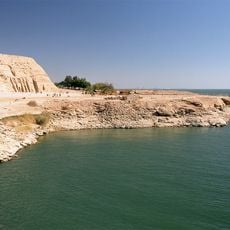
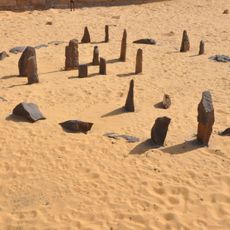
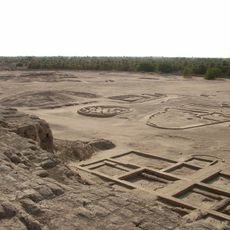
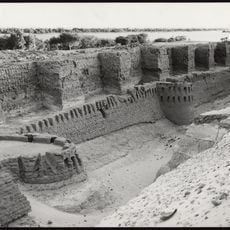
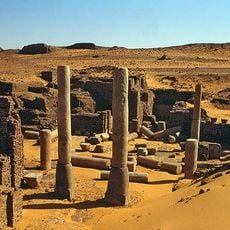
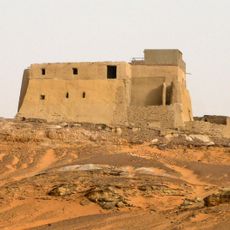
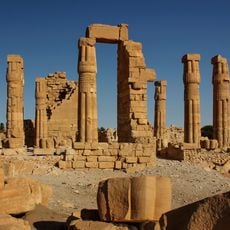
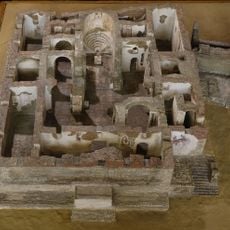
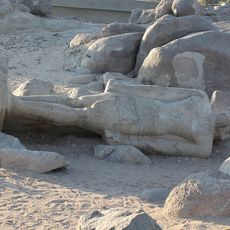
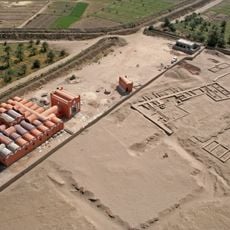
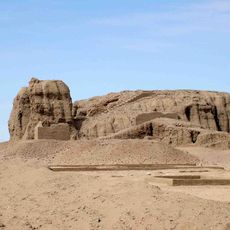
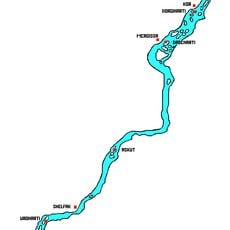
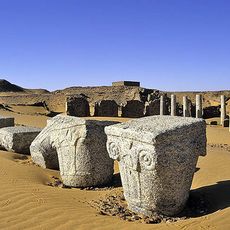
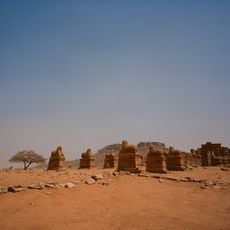
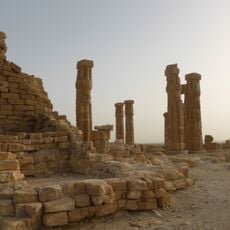
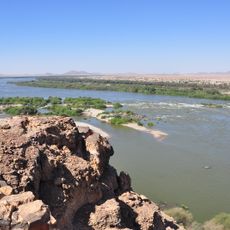
Sedeinga is an archaeological site on the west bank of the Nile in northern Sudan, about 15 km from Soleb. It holds a necropolis of some 25 hectares with thousands of burial chambers and the bases of at least 80 small pyramids, built of stone blocks over round masonry chambers. The pyramids range from 6.7 m to 75 cm wide. A temple dedicated to Queen Tiye, wife of Amenhotep III, stands at the site.
Sedeinga was occupied sporadically from Neolithic times to the 18th Dynasty, and its main necropolis was used over several centuries. The pyramids date to the late Meroitic period, around 1 BCE, when the site lay isolated from Meroë on a trade route to Middle Egypt. A large tomb west of the temple, radiocarbon-dated to the 2nd century BCE, may have held a Kushite royal.
The site's name derives from the Meroitic word for the temple of Queen Tiyi, wife of Amenhotep III, built here under Hathor's guise. Many funerary stelae and artifacts were dedicated to high-ranking women, reflecting Nubia's matrilineal society. Some stelae still retain their blue pigment.
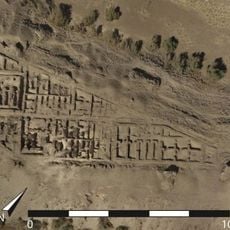
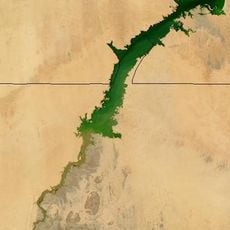
The necropolis covers about 25 hectares on the west bank of the Nile, roughly 15 km from Soleb and 100 km north of the third cataract. The pyramids are low stone bases, some only 75 cm wide, so look down as well as up. The temple of Queen Tiyi stands apart from the tombs; magnetic surveys in 2018-2019 found no trace of the accompanying town.
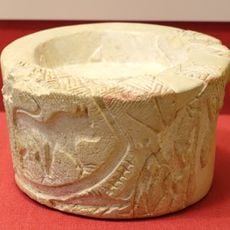
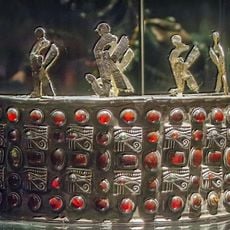
Among the finds at Sedeinga is a chapel lintel bearing the Egyptian goddess Maat, the first known image of her with features departing from traditional Egyptian types. The necropolis also yielded the largest collection of Meroitic inscriptions ever found, some stelae still holding their blue pigment.
The community of curious travelers
AroundUs brings together thousands of curated places, local tips, and hidden gems, enriched daily by 93,361 contributors worldwide.