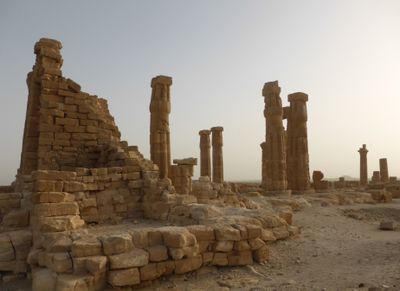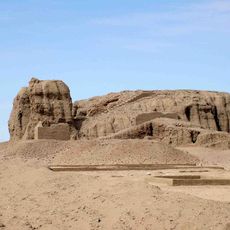
Temple of Soleb, Ancient Egyptian temple complex in Nubia, Sudan.
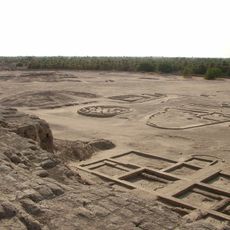
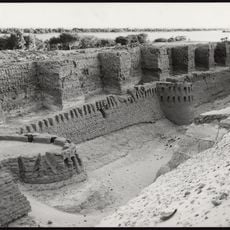
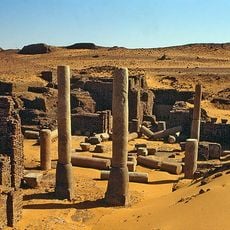
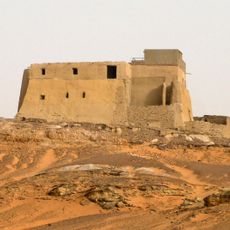
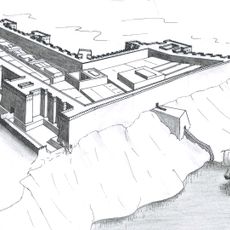
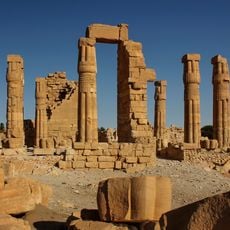
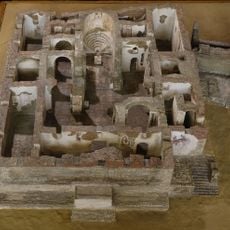
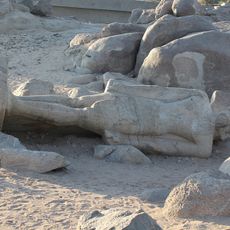
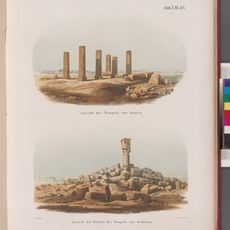
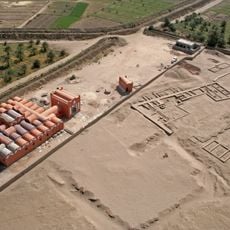
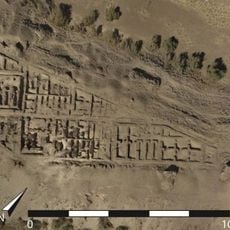
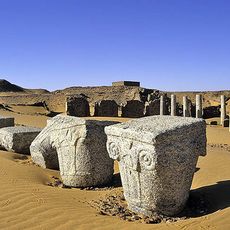
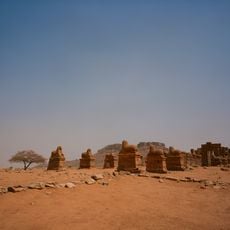
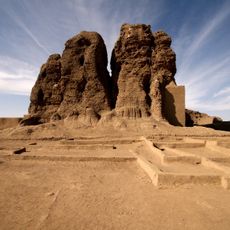
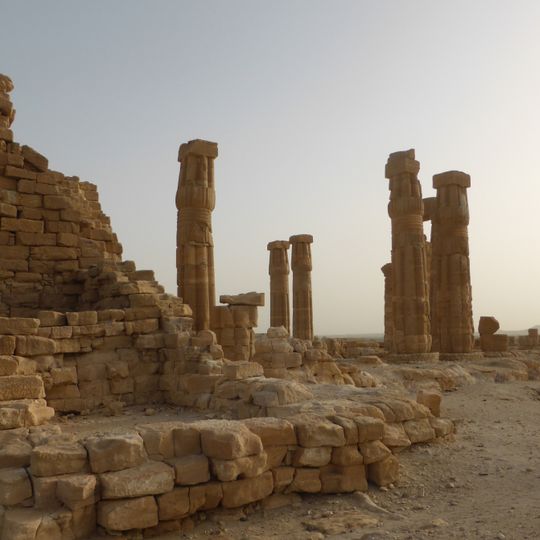
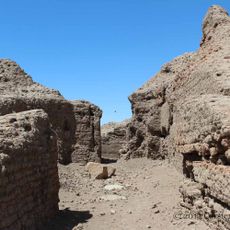
The Temple of Soleb is a religious building made of sandstone with multiple columned halls, sanctuaries, and entrances arranged in a planned layout. The structures show the typical arrangement of Egyptian temples with central spaces and decorated walls throughout.
A pharaoh named Amenhotep III had this temple built around 1400 BCE and dedicated it to the god Amun-Re. Over the centuries, it grew into a major shrine where pilgrims came to make offerings and pray.
The temple walls show carved figures of priests and worshippers during religious ceremonies, giving a window into how ancient Egyptians practiced their faith. These images help visitors understand how important this place was to the people who came here to pray.
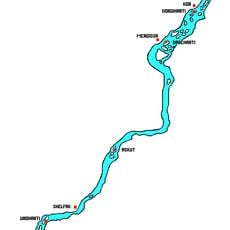
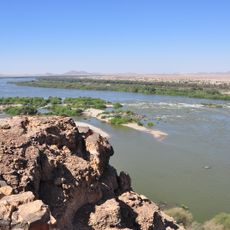
A visit requires crossing the Nile by boat, since the access roads are limited and local guidance is useful. Visitors should be prepared for basic conditions and check the weather beforehand.
The temple's orientation differs from the typical cardinal directions, suggesting the builders may have aligned it to specific star positions or celestial events. This feature shows the sophisticated knowledge ancient Egyptians had about the sky.
Location: Nubia
GPS coordinates: 20.43636,30.33406
Latest update: December 6, 2025 17:47
Sudan offers photographers a substantial mix of ancient monuments, desert formations and river landscapes. The country contains more than 200 pyramids at Meroe, Nuri and El-Kurru that differ markedly from their Egyptian counterparts. These Nubian structures rise from the desert with few visitors present, allowing unobstructed shooting. The National Museum of Sudan in Khartoum and the museums at Kerma and Karima display artifacts from the kingdoms of Kush and Meroe. Archaeological sites including Jebel Barkal, Soleb Temple, Naqa and Al-Musawwarat es-Sufra document the region's historical position as a crossroads of African and Mediterranean cultures. The confluence of the Blue and White Nile in Khartoum creates a distinct dividing line between differently colored waters. Tuti Island and Sabaloka Gorge provide perspectives on the river environment. The Nubian Desert, Bayuda Desert with its volcanic cones and the Kassala Mountains present different desert settings. At the Red Sea port of Suakin, 19th-century coral stone buildings slowly deteriorate, while Sanganeb National Park gives access to coral reefs. The markets of Omdurman and Kassala, along with the Sufi shrine at Sheikh Hamad-al Nil, record contemporary Sudanese life. These locations provide substantial photographic opportunities in a country that receives considerably fewer tourists than its neighbors.
Lake Nasser
278.9 km
Nabta Playa
221.7 km
Kerma kingdom
93.4 km
Buhen
192 km
Cemetery 117
201 km
Old Dongola
250.1 km
Throne Hall of Dongola
250 km
Semna
135.4 km
Soleb
345 m
Faras Cathedral
228.7 km
Qustul
240.2 km
Tombos
82.1 km
Sedeinga
5.8 km
Kerma Museum
93.4 km
Uronarti
139.1 km
Kumma
135.4 km
Lake Nubia
197.9 km
Doukki Gel
89 km
Sabu-Jaddi
60.9 km
Askut
155.2 km
Kirche der Granitsäulen
249.8 km
Sesebi
42.4 km
Jebel Dosha
7.9 km
Kor
181.4 km
Ballana
240.5 km
Third cataract of the Nile
75.4 km
Eastern Deffufa
92.7 km
Western deffufa
93.3 kmReviews
Visited this place? Tap the stars to rate it and share your experience / photos with the community! Try now! You can cancel it anytime.
Discover hidden gems everywhere you go!
From secret cafés to breathtaking viewpoints, skip the crowded tourist spots and find places that match your style. Our app makes it easy with voice search, smart filtering, route optimization, and insider tips from travelers worldwide. Download now for the complete mobile experience.
A unique approach to discovering new places❞
— Le Figaro
All the places worth exploring❞
— France Info
A tailor-made excursion in just a few clicks❞
— 20 Minutes