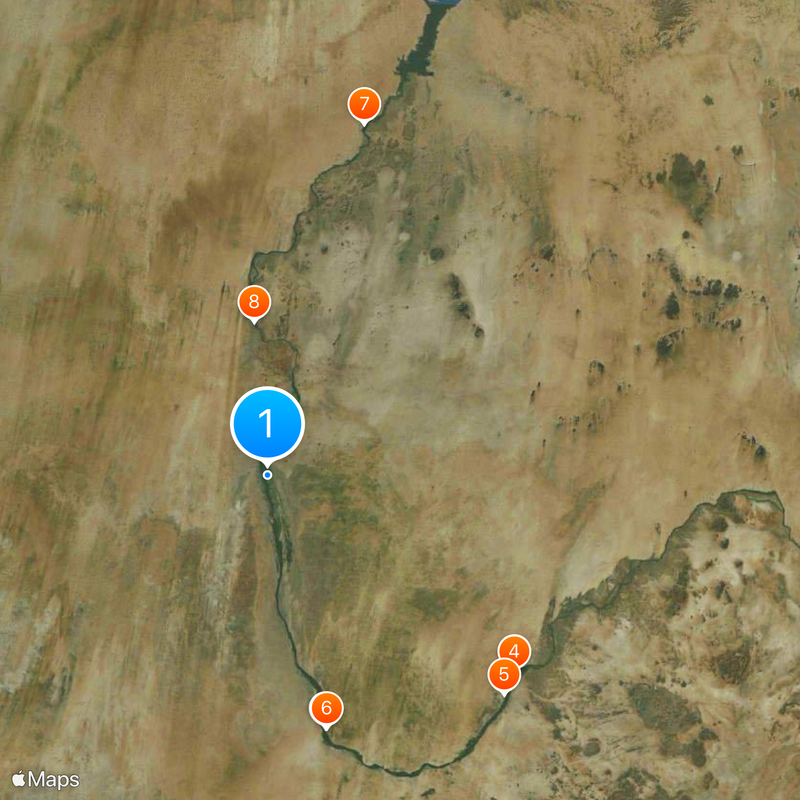
Kerma kingdom, Archaeological site along the Nile River, Sudan
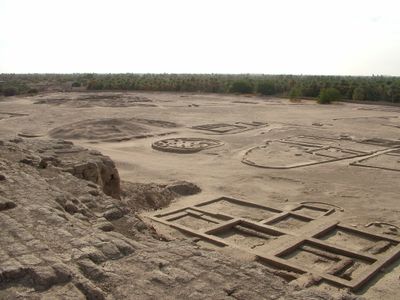
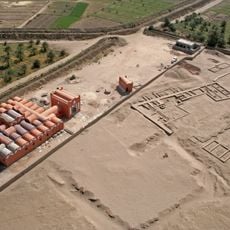
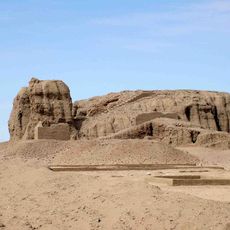
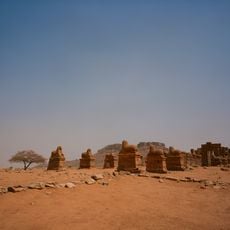
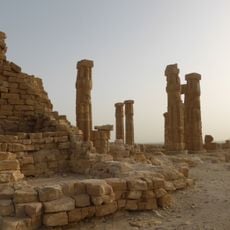
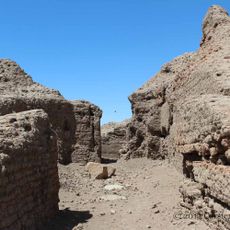
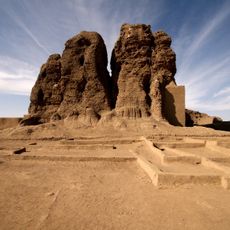
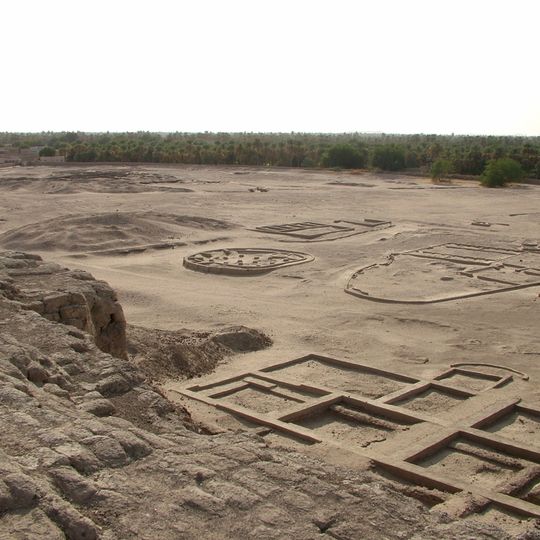
The ancient kingdom of Kerma is an archaeological site along the Nile in Sudan, preserving traces of an African civilization south of Egypt. The complex includes two large mud-brick structures known as the Western and Eastern Deffufa, along with sprawling cemeteries holding thousands of burials.
The settlement arose around 2500 BCE as a trading post for gold, ivory, and cattle between Africa and the Mediterranean world. The kingdom grew into a powerful rival to Egypt until it fell to Pharaoh Thutmose I in 1504 BCE.
The African name refers to three successive settlement phases, whose inhabitants buried their dead in round or rectangular pits with personal belongings. These graves show a strong belief in an afterlife and the local tradition of using cattle skulls as offerings.
A small museum at the entrance displays finds from the excavations, including pottery and jewelry. Visitors should arrive early in the morning, as the desert sun becomes very intense by midday and there is little shade available.
The largest burial mound measures roughly 90 m (295 ft) across and was originally surrounded by a wooden palisade fence. Archaeologists found within it the remains of hundreds of people who followed the ruler into the grave.
The community of curious travelers
AroundUs brings together thousands of curated places, local tips, and hidden gems, enriched daily by 91,936 contributors worldwide.