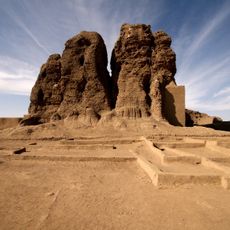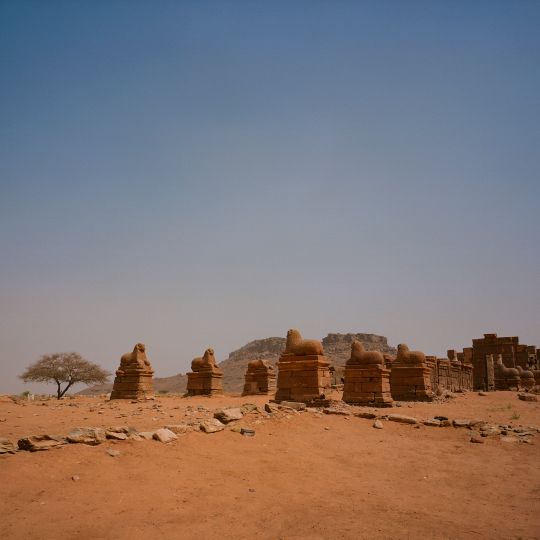
Sesebi, Archaeological site in Northern State, Sudan.
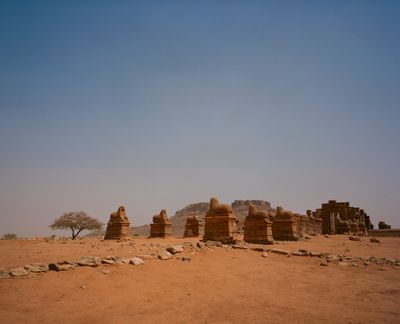
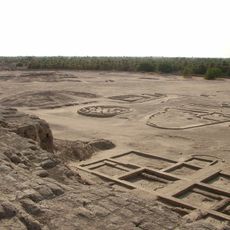
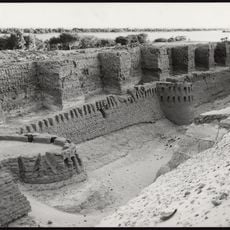
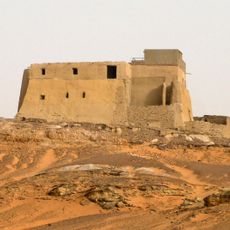
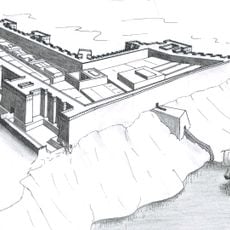
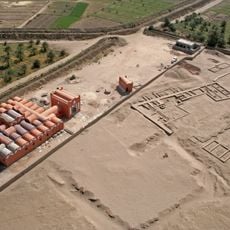
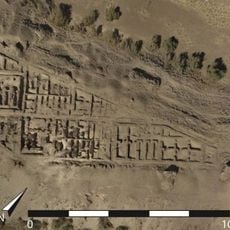
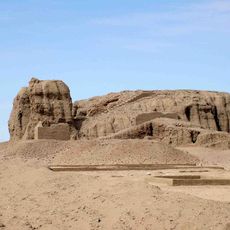
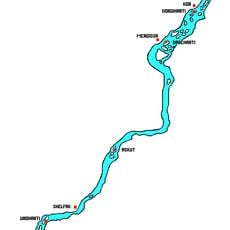
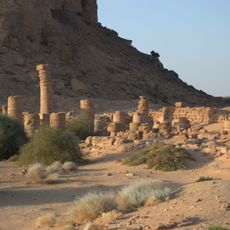
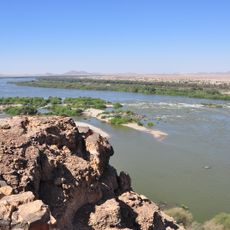
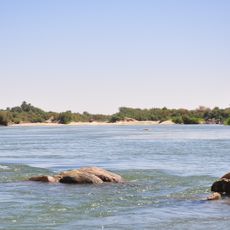
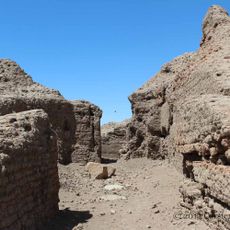
Sesebi is an archaeological site in northern Sudan containing the remains of an ancient settlement spread across the western bank of the Nile River. The excavations reveal a planned street network with residential blocks and a significant temple complex, preserving the layout of an organized community.
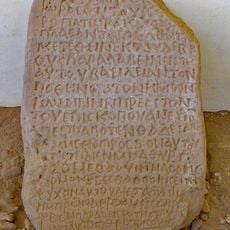
The settlement was founded under an Egyptian pharaoh who undertook major religious reforms and organized the territory under special administration. In later dynasties, the temples received decorations and additions, showing that this place remained important over a long period.
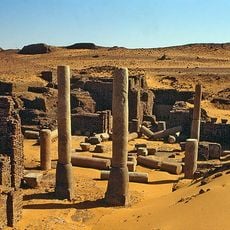
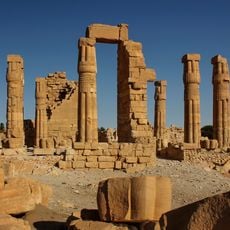
The main temple shows chapels devoted to different Egyptian gods, and their arrangement reveals how religious spaces were organized in that era. The way the chapels are positioned around a central court reflects how people of that time thought about sacred spaces.
The site sits on the western bank of the Nile in a remote area, so it is important to inform yourself about local conditions and access routes before visiting. A flashlight and water are helpful when exploring the ruins and temple structures.
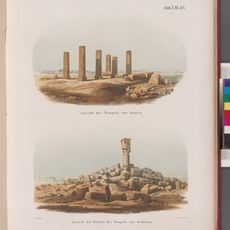
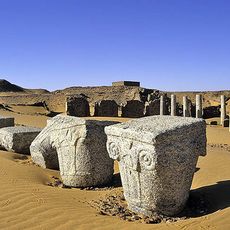
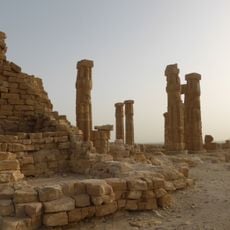
Several original columns from the central chapel remain standing upright today, bearing decorations added over different historical periods. These columns show how later rulers continued to honor the place by leaving their own marks on it.
The community of curious travelers
AroundUs brings together thousands of curated places, local tips, and hidden gems, enriched daily by 92,846 contributors worldwide.