Jebel Barkal, Sacred mountain and archaeological complex in Northern State, Sudan
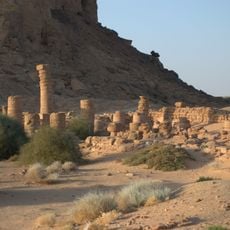
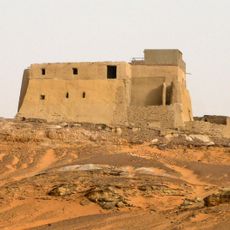
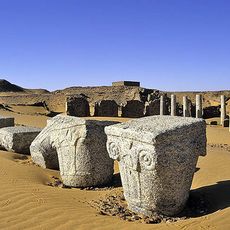
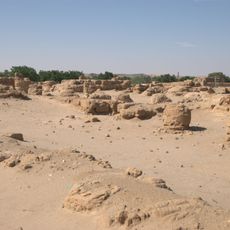
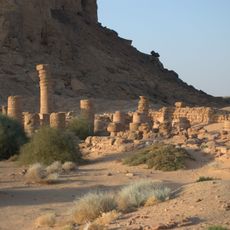
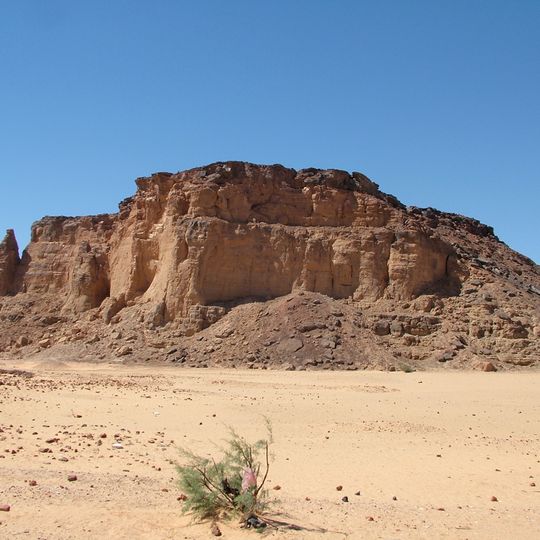
Jebel Barkal is a sandstone ridge that rises over 100 meters above the Nile River, with temples, pyramids, and palace ruins scattered across roughly 100 hectares of desert. The structures date from different periods and spread across the hillside and surrounding plain at the mountain's base.
Egyptian rulers built a fortified settlement here around 1450 BCE and constructed temples dedicated to Amun to mark their southern reach. Later, Nubian kings took control of the site and maintained it as a major religious center for over 1000 years.
Local people still consider the Temple of Amun sacred. The name Napata, given to the city at the mountain's foot, comes from the Egyptian occupation. The carved and painted chambers of the Temple of Mut are the best preserved of the site's sanctuaries.
It is best to visit in the early morning while temperatures are cooler, as afternoon heat becomes intense and shade is scarce across the site. Wear sturdy shoes, bring plenty of water, and protect yourself from the sun when walking over the rocky and uneven ground.
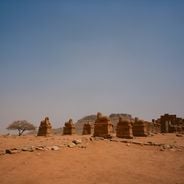
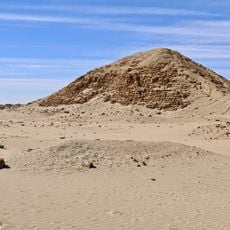
The eight royal pyramids at Jebel Barkal were built between the 3rd century BCE and the 1st century CE, among them Bar. 2 of King Teriqas (c. 29–25 BCE) and Bar. 4, attributed to Queen Amanirenas. Most Kushite royal burials of the same era went instead to Nuri, 9 km northeast, so this group is an exception whose reason the sources leave open.
The community of curious travelers
AroundUs brings together thousands of curated places, local tips, and hidden gems, enriched daily by 93,401 contributors worldwide.