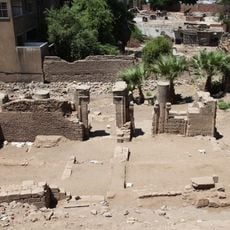
Wadi el-Hudi, Archaeological site and valley southeast of Aswan, Egypt
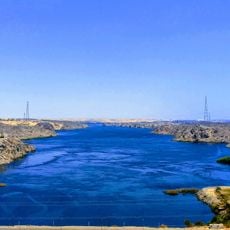
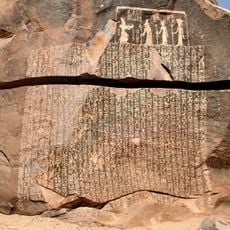
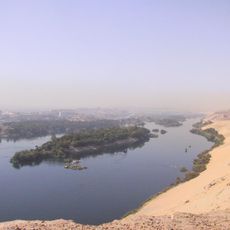
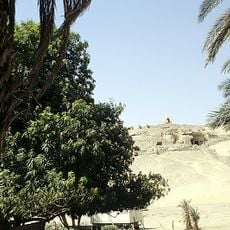
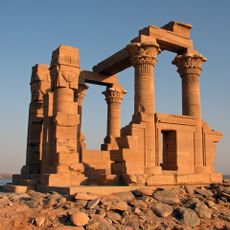
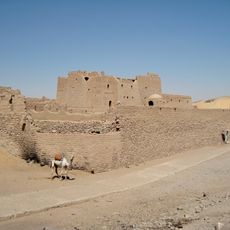
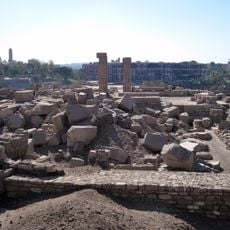
Wadi el-Hudi is a valley and archaeological site in Egypt's Eastern Desert, located about 100 miles southeast of Aswan. The location contains the remains of ancient settlements built with dry stone, mining areas, and numerous inscriptions carved into the surrounding rock faces.
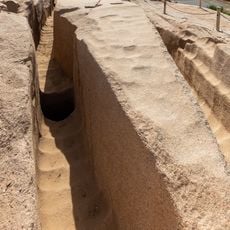
Mining operations began here during Egypt's Middle Kingdom period when workers extracted stones valued by the ruling class. This location remained active for centuries, with evidence showing that extraction and settlement continued across multiple periods of Egyptian history.
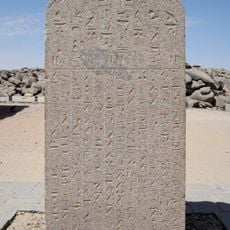
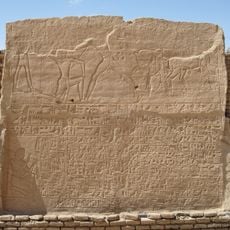
The rock carvings here document how Egyptian officials and workers from further south interacted during their time mining together. These inscriptions reveal details about daily tasks and the relationships that developed between different groups working at this location.
This remote desert location requires sturdy footwear and plenty of water, as the terrain is rough and sun exposure is intense. Plan your visit for cooler months between October and April when desert conditions are more manageable for walking and exploring the scattered sites.
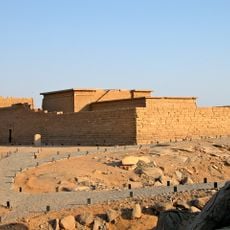
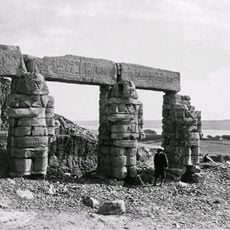
Some of the dry-stone walls still stand over 6 feet (2 meters) tall, revealing how solid the ancient construction methods were. Pottery fragments and everyday objects remain scattered around these ruins, offering glimpses into how people lived and worked at this remote location.
The community of curious travelers
AroundUs brings together thousands of curated places, local tips, and hidden gems, enriched daily by 90,754 contributors worldwide.