Soleb, Archaeological site in Nubia, Sudan
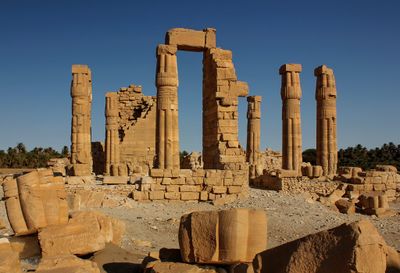
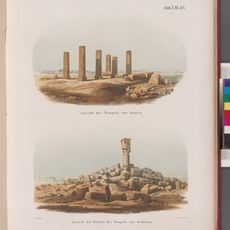
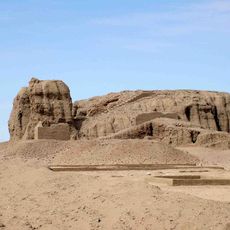
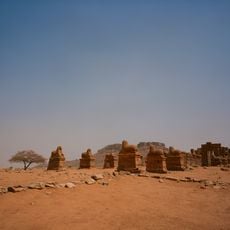
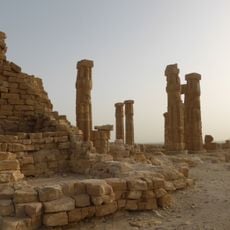
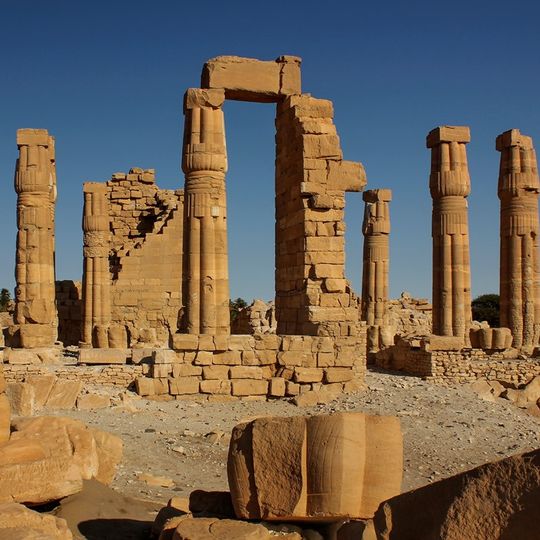
Soleb is a temple complex on the west bank of the Nile in Nubia with multiple courtyards and large stone columns covered in detailed inscriptions. The site stretches across considerable space and displays the typical layout of entrance areas, open courtyards, and enclosed sanctuaries.
The complex was built under Pharaoh Amenhotep III around 1390 to 1350 BC and originally served as a sanctuary for the god Amun-Ra. The site was constructed during a period when Egyptian power was widespread in Nubia and temples served as tools of political control.
The temple walls display hieroglyphic inscriptions showing royal ceremonies and religious rituals of ancient Egypt. These carvings reveal how the ruling powers used this place to demonstrate their connection to the gods.
Visits generally require advance planning and are best arranged through organized tours departing from major cities. The cooler months offer the most comfortable visiting conditions, and travelers should bring plenty of water and sun protection since the site offers limited facilities.
The hypostyle hall columns contain carved records of foreign territories and peoples captured during military campaigns of the time. These inscribed names and images offer a rare glimpse into the warfare and territorial expansion of that era.
The community of curious travelers
AroundUs brings together thousands of curated places, local tips, and hidden gems, enriched daily by 92,176 contributors worldwide.