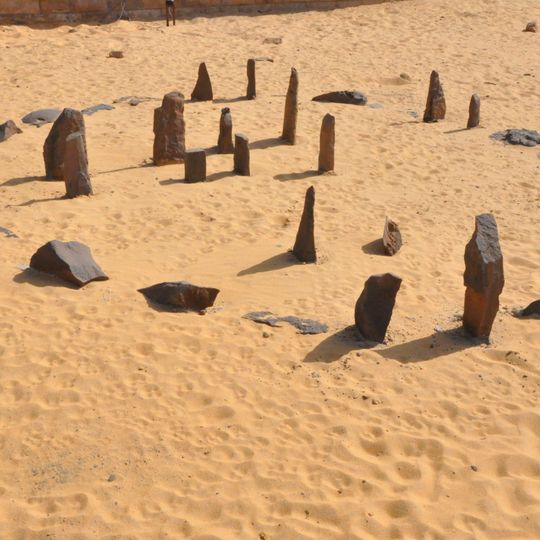
Nabta Playa, Ancient archaeological site in Nubian Desert, Egypt
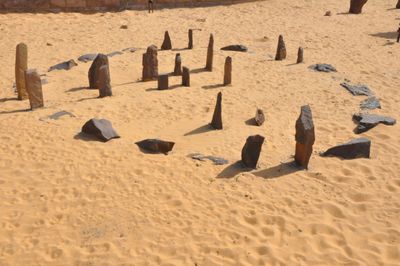
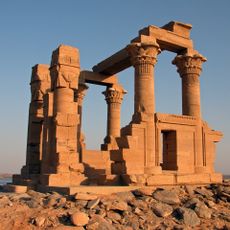
Nabta Playa is an archaeological site in the Nubian Desert of southwestern Egypt, where stone circles and upright rocks lie in a dried lakebed. The arrangement includes several scattered stone settings that form geometric patterns and spread across a wide area.
Cattle-herding nomads erected these stone structures during the Neolithic period around 7000 years before the common era. The community returned repeatedly to this location until climate changes made the area uninhabitable.
The sky-watching tradition of the people here depended on regular study of the night heavens. This knowledge fed into planning their seasonal migrations and rituals.
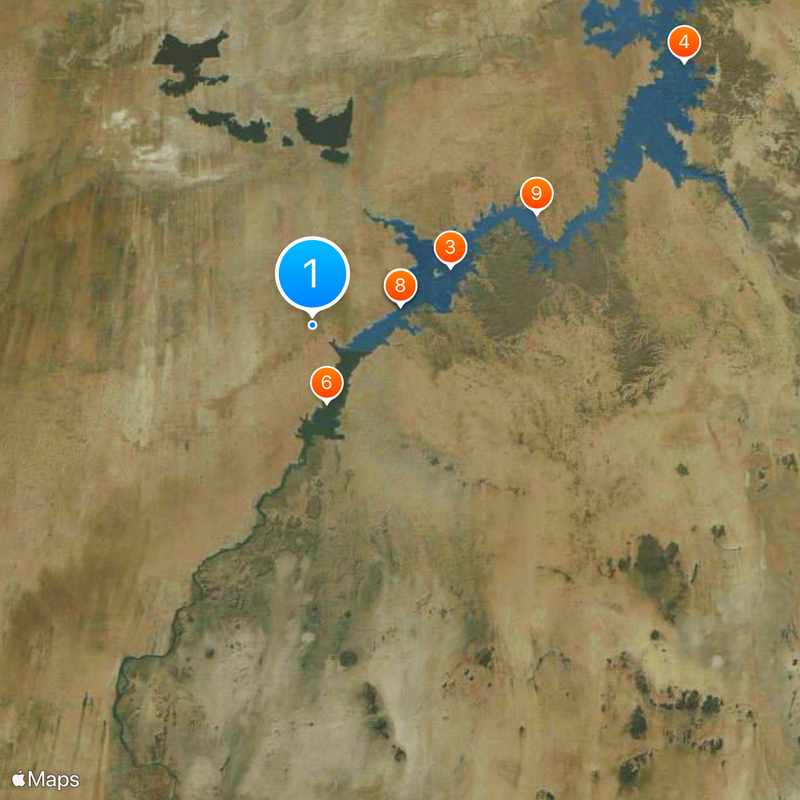
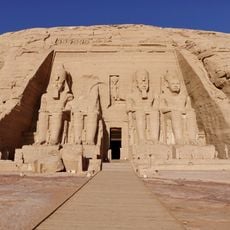
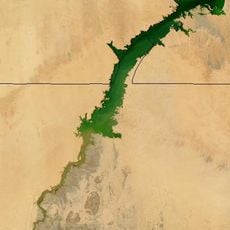
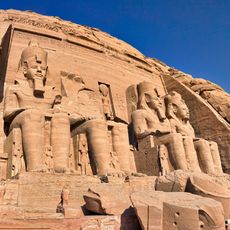
The journey leads about 100 kilometers west of Abu Simbel through desert terrain and requires a four-wheel-drive vehicle with an experienced driver. Water and sun protection are essential, as shade and facilities are absent.
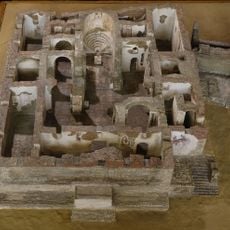
Some of the stone blocks contain cattle burials alongside human remains, pointing to a close spiritual bond between herds and herders. The placement of the stones follows celestial directions linked to specific stars.
The community of curious travelers
AroundUs brings together thousands of curated places, local tips, and hidden gems, enriched daily by 91,700 contributors worldwide.