Askut, Archaeological fortress near Second Cataract of Nile, Egypt
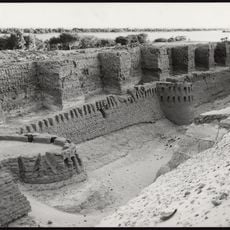
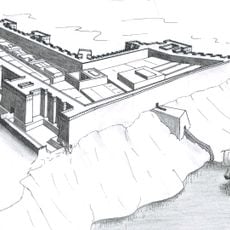
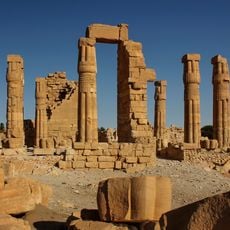
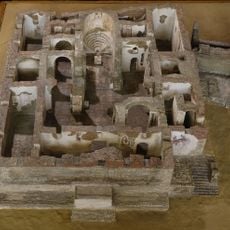
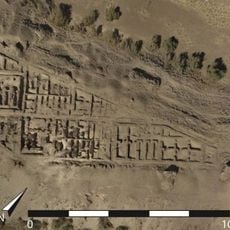
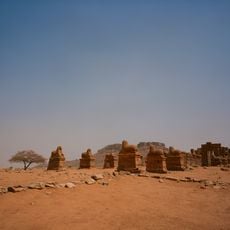
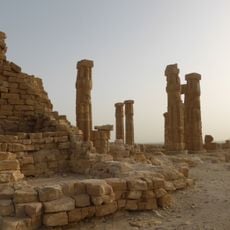
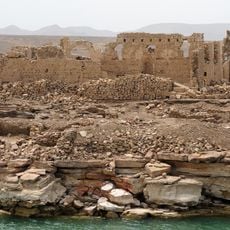
Askut is a rectangular fortress near the Second Cataract of the Nile in Egypt, measuring about 77 by 87 meters with defensive walls over 5 meters thick. The structure contains multiple storage rooms and residential chambers, indicating it served both as a military post and a place where people settled with their families.
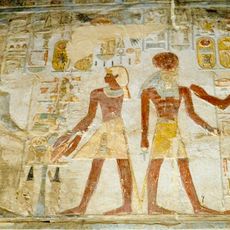
Built during the Middle Kingdom by Pharaoh Sesostris III, the fortress was part of a defensive network controlling trade between Egypt and Nubia. Over time it transitioned from purely military use to a mixed settlement supporting both administration and household life.
The fortress developed as a meeting place where Egyptian soldiers and Nubian residents exchanged daily practices and crafts. Pottery styles from both cultures appear mixed in the same archaeological layers, showing how communities lived and worked side by side.
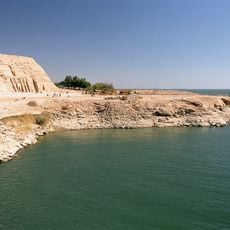
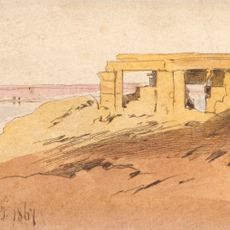
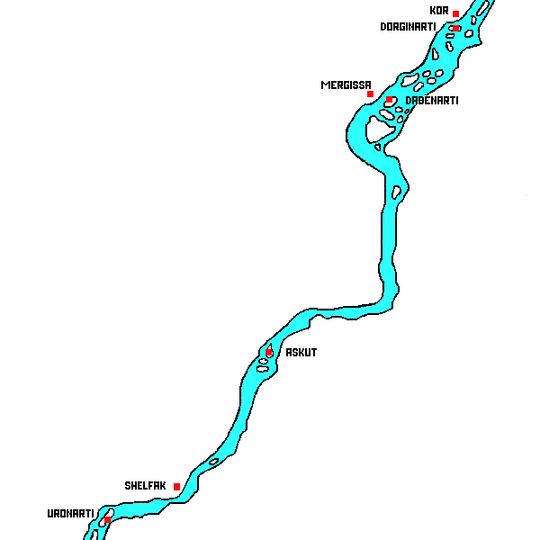
The site sits in a remote location along the Nile with rocky islands and rapids nearby, making access challenging even for experienced travelers. Visitors should plan carefully and seek advice locally about the best seasons and routes to reach this area safely.
Excavations uncovered evidence of bread and beer production inside the fortress, revealing how people created daily staples on site. These discoveries show that residents did not rely entirely on supplies from elsewhere but produced food within the walls themselves.
The community of curious travelers
AroundUs brings together thousands of curated places, local tips, and hidden gems, enriched daily by 92,863 contributors worldwide.