Temple of Amun, Jebel Barkal, Ancient Egyptian temple complex at Jebel Barkal, Sudan
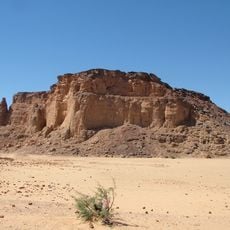
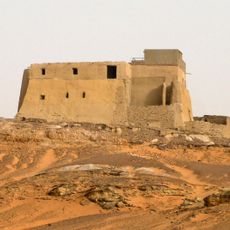
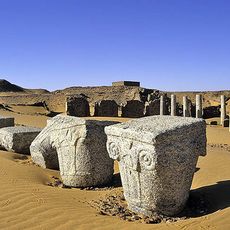
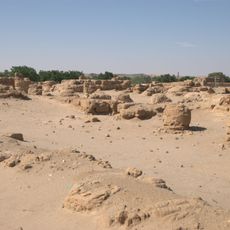
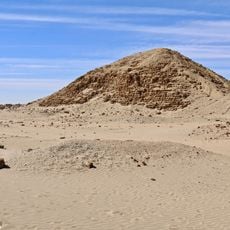
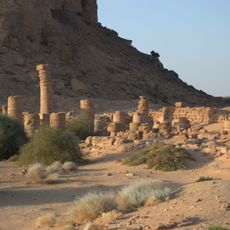
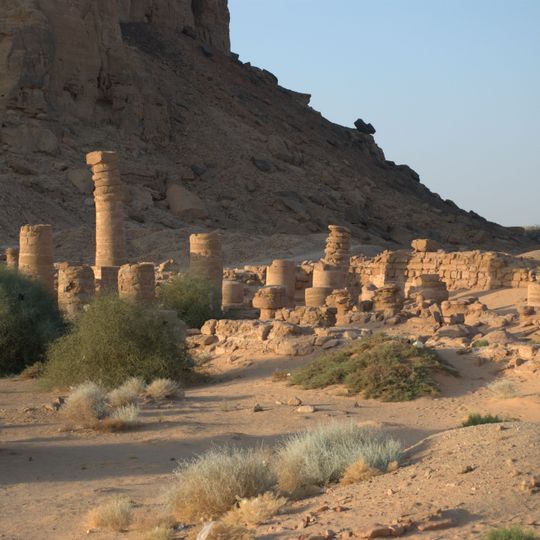
The Temple of Amun stands at the base of a distinctive 98-meter sandstone butte that rises sharply above the Nile floodplain. The complex features several courtyards, columned halls, and inner sanctuaries arranged in succession, with walls decorated in carved reliefs showing gods and sacred scenes.
The temple was built during the reign of Pharaoh Thutmose III around 1450 BCE as a major religious center for the Egyptian state. It was later enlarged and renovated by successive rulers including Ramses II and the Kushite king Natakamani, who left their own marks on the structure.
The temple served as a major religious center where Egyptian and Kushite rulers gathered to honor Amun through ceremonies and offerings. Ordinary pilgrims traveled here seeking blessings and divine favor, making it one of the most sacred destinations in the ancient world.
The site is located roughly 400 kilometers north of Khartoum near the town of Karima and is best explored on foot wearing sturdy shoes. Visiting early in the morning or late in the afternoon helps avoid the strongest midday heat and provides better lighting for viewing the carved stone walls.
The sandstone butte of Jebel Barkal resembles a royal cobra wearing the Egyptian White Crown when viewed from certain angles, a resemblance the ancient builders interpreted as a sign from the divine. This natural formation was so meaningful that the mountain itself became as sacred as the temple structures built at its base.
The community of curious travelers
AroundUs brings together thousands of curated places, local tips, and hidden gems, enriched daily by 91,794 contributors worldwide.