Kerma, Archaeological settlement in Northern State, Sudan
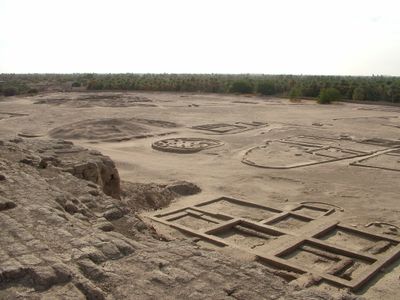
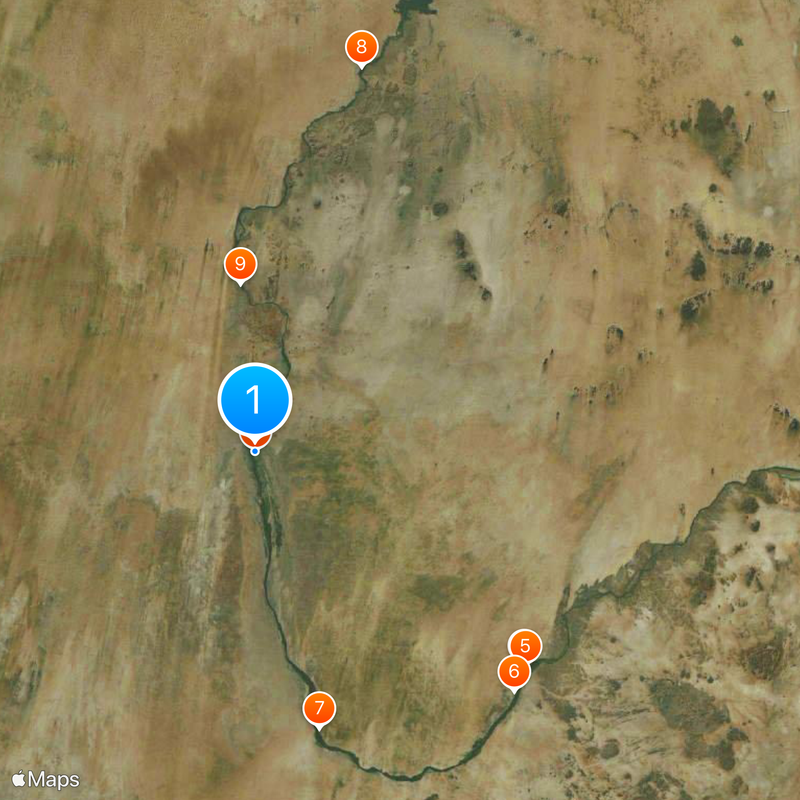
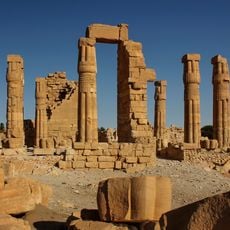
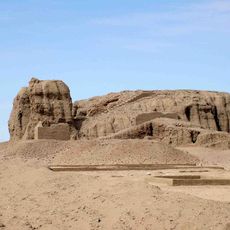
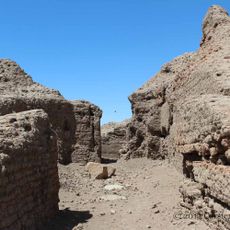
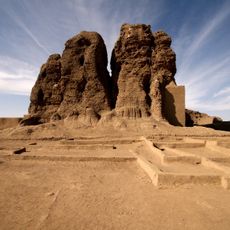
Kerma is an archaeological settlement in Northern State, Sudan, and was once the center of a powerful kingdom along the Nile. The Western Deffufa, a massive adobe brick temple, rises about 20 meters (65 feet) above the landscape and serves as the landmark of the site.
The city reached its height between roughly 2500 BC and 1500 BC and served as the capital of the first independent kingdom in Nubia. Its importance declined when Egyptian forces conquered the region and the kingdom eventually collapsed.
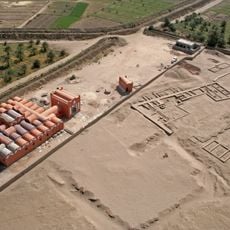
The museum nearby displays seven restored black granite statues of Nubian rulers, discovered at the Dukki Gel site. These sculptures bear typical crowns and insignia, giving a sense of how power and royal authority were represented in Nubia.
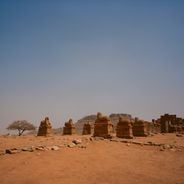
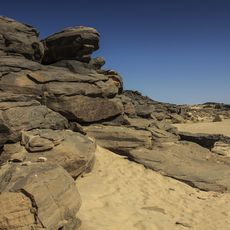
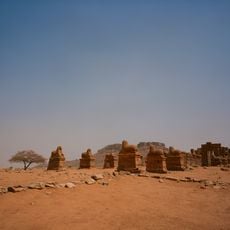
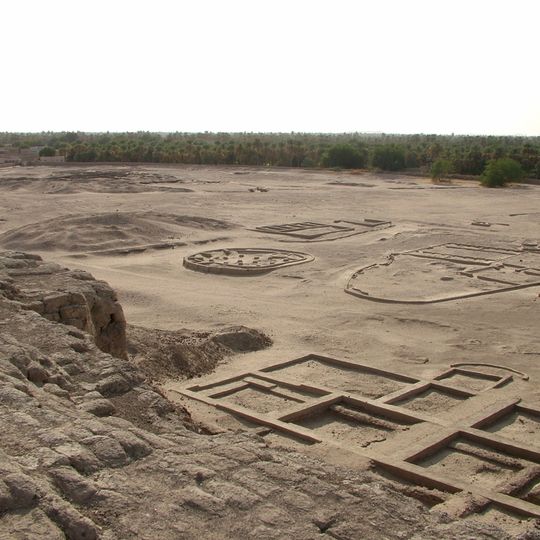
Visitors can explore the extensive burial ground, where over 30,000 ancient burials were found, reflecting social differences through size and arrangement. The site lies in open desert terrain and requires sun protection and enough water for the walk.
Archaeologists found evidence of copper processing here dating to around 2200 BC, among the earliest examples of metalworking in northeastern Africa. These workshops suggest that inhabitants possessed advanced craft skills and maintained trade contacts.
The community of curious travelers
AroundUs brings together thousands of curated places, local tips, and hidden gems, enriched daily by 92,901 contributors worldwide.