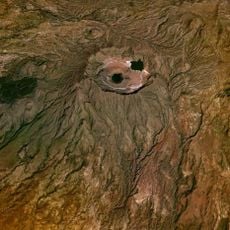
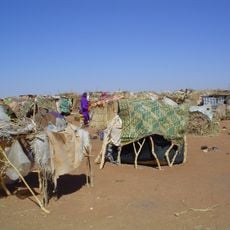
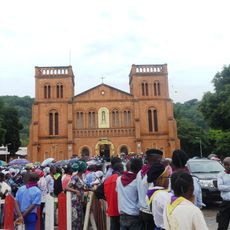
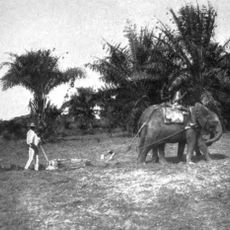
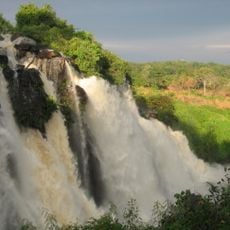
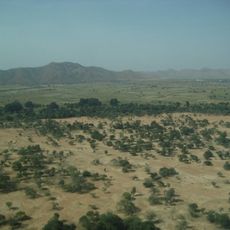
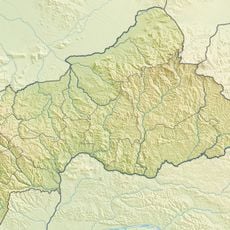
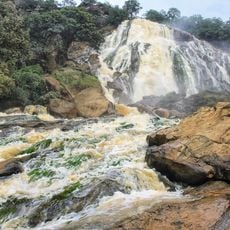
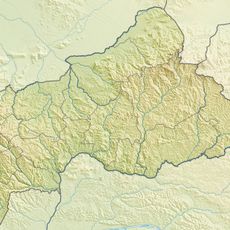
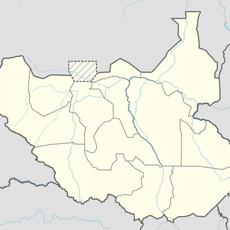
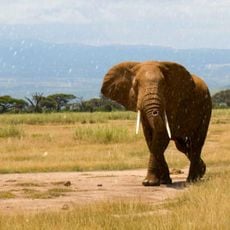
Manovo-Gounda St. Floris National Park, UNESCO World Heritage Site in Bamingui-Bangoran Prefecture, Central African Republic.
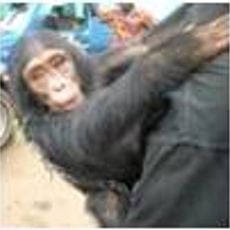
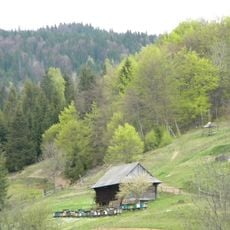
Manovo-Gounda St. Floris National Park encompasses savannas, forests, and seasonal wetlands that host African wildlife from antelopes to elephants and large predators. The varied landscapes create overlapping zones where different species find suitable conditions to survive.
The park was inscribed as a UNESCO World Heritage Site in 1988 for the diversity of life within it. By then, civil wars in neighbouring Sudan and Chad had fuelled poaching: elephants said to number 80,000 fell to a few thousand, and black rhinos from over 6,000 to about ten. After the shooting of four park staff in early 1997, the site was placed on the List of World Heritage in Danger that year.
The park's name combines the Manovo River on its western edge, the Gounda, and St. Floris, a name carried over from the colonial-era hunting reserve. The Ndélé-Birao road crosses the park, and the northern floodplains along the Aouk and Kameur rivers flood each rainy season without drying out in the dry season, drawing an estimated 10,000 to 15,000 shoebills.
Visiting requires careful planning due to its remote location, unpredictable weather, and the need for experienced guides to navigate the terrain safely. Allow extra time for travel and expect conditions to vary significantly depending on the season.
The northern floodplains along the Bahr Kameur and Bahr Aouk rivers support more than 300 bird species, including pelicans and African fish eagles. These water areas serve as essential stopping points for migratory birds making their seasonal journeys across the continent.
The community of curious travelers
AroundUs brings together thousands of curated places, local tips, and hidden gems, enriched daily by 92,766 contributors worldwide.