See the monuments around you in AROpen chests in the app
Around Us is built for your phone — point your camera at the streets and discover the monuments and places around you in augmented reality.Around Us is built for your phone — chests unlock when you walk, explore and capture nearby places.
Attractions and Monuments in Quebec City & Surroundings
The main monuments and tourist sites of Quebec, including the city's fortifications, historical buildings, public squares, museums, monuments, and natural areas. Sites like the Château Frontenac, Dufferin Terrace, and Montmorency Falls showcase the history and architectural heritage of the city. Walkways, parks, and cultural spaces offer views over the Saint Lawrence River and the surrounding landscapes.
Attractions and Monuments in Quebec City & Surroundings
The main monuments and tourist sites of Quebec, including the city's fortifications, historical buildings, public squares, museums, monuments, and natural areas. Sites like the Château Frontenac, Dufferin Terrace, and Montmorency Falls showcase the history and architectural heritage of the city. Walkways, parks, and cultural spaces offer views over the Saint Lawrence River and the surrounding landscapes.
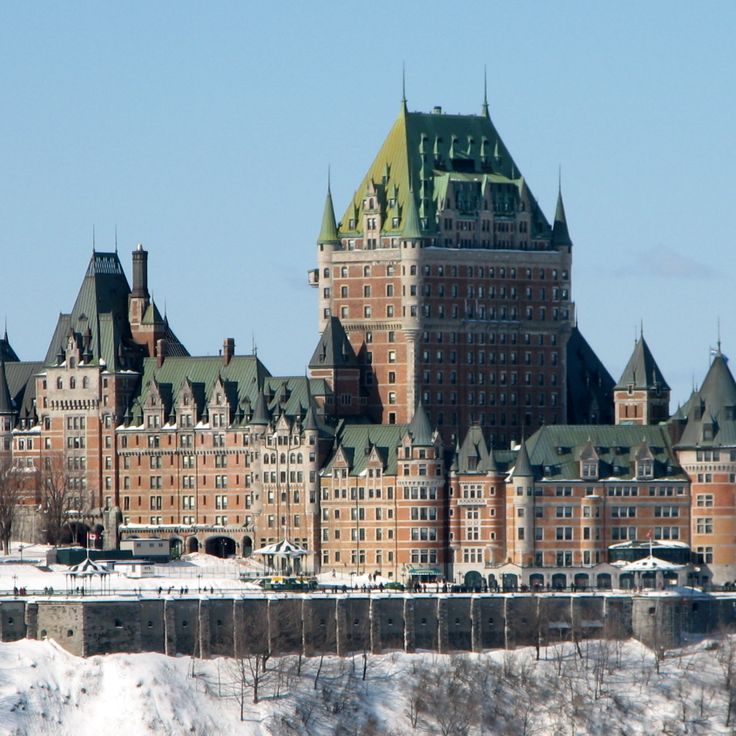
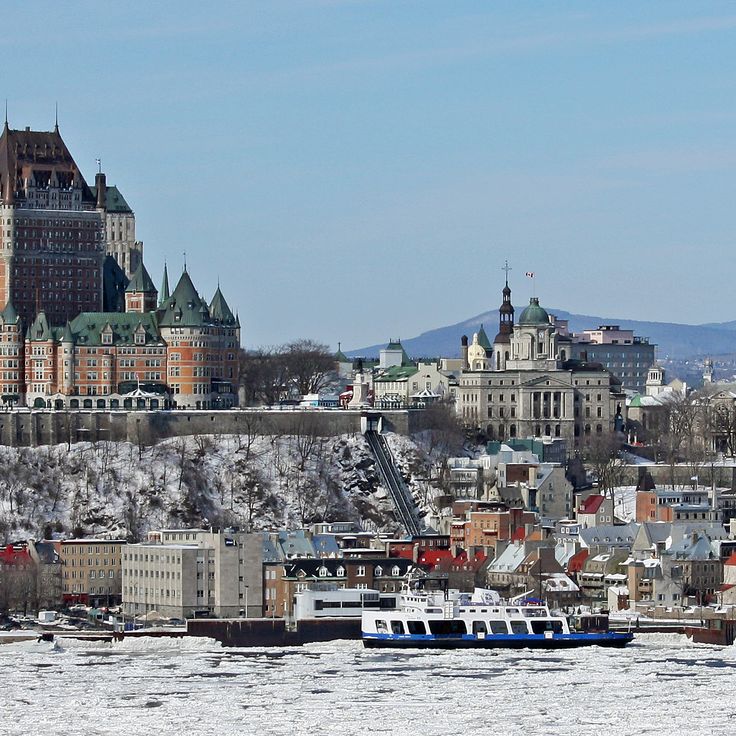
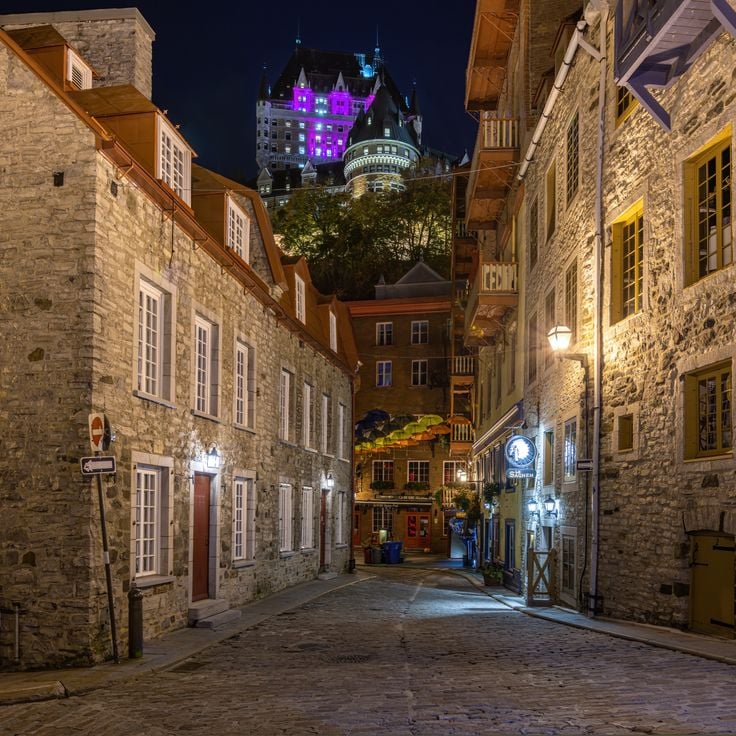
This French chateau-style building rises on Cap Diamant and dominates the skyline of Quebec. The Château Frontenac was built in 1893 by Canadian Pacific as a luxury hotel and remains one of Canada's most recognizable structures. The turreted facade with copper roofs combines French Renaissance and Scottish baronial elements. The hotel stands within the fortified Old Town and overlooks the Saint Lawrence River. The architecture follows the design of Bruce Price and underwent several expansions. The Château has operated as a hotel since opening and houses restaurants and event spaces.
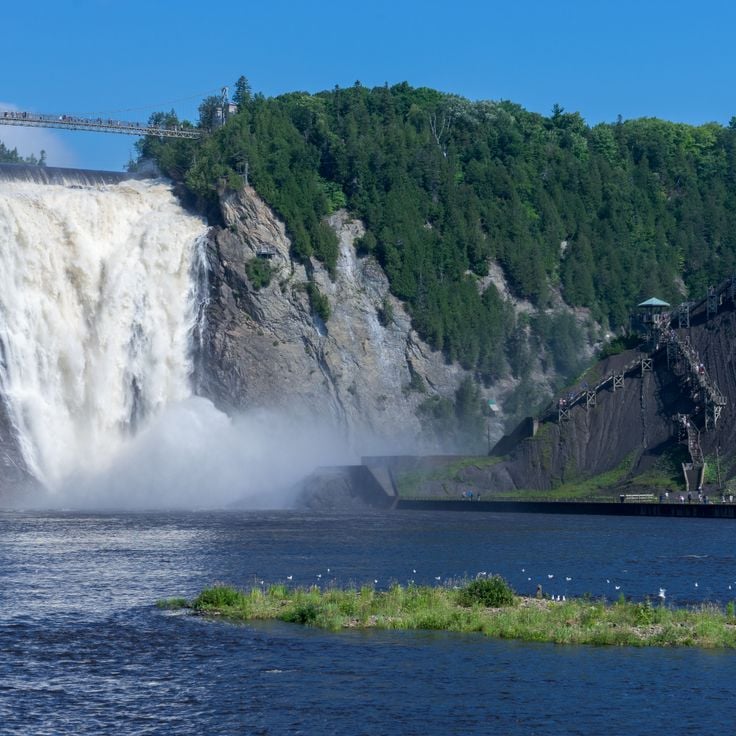
This waterfall is located northeast of Quebec City and offers various perspectives on the cascading water. At 272 feet (83 meters) in height, Montmorency Falls is taller than Niagara Falls. Visitors can use staircases and walkways to reach different viewing points. A suspension bridge spans the top of the falls and provides views of the gorge and the Saint Lawrence River. A cable car connects the lower and upper areas of the site. The park also includes historic buildings and interpretation centers that explain the geology and history of the region. This natural attraction is a major part of the tourist offerings around Quebec City.
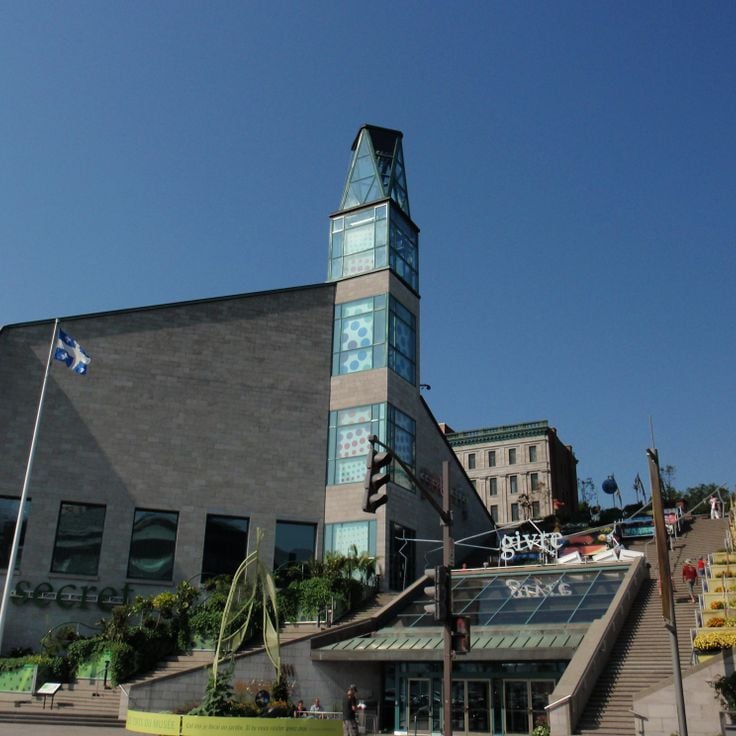
This museum on Dalhousie Street presents the history and culture of Quebec alongside rotating international exhibitions. The permanent collections document the region's development from early settlement to modern times, featuring everyday objects, historical artifacts, and ethnographic displays. Changing exhibitions explore themes from various world cultures and time periods. The Museum of Civilization provides visitors with insight into Quebec's social evolution and cultural connections through objects, multimedia installations, and educational programs that illustrate how communities have shaped and been shaped by their environment over centuries.
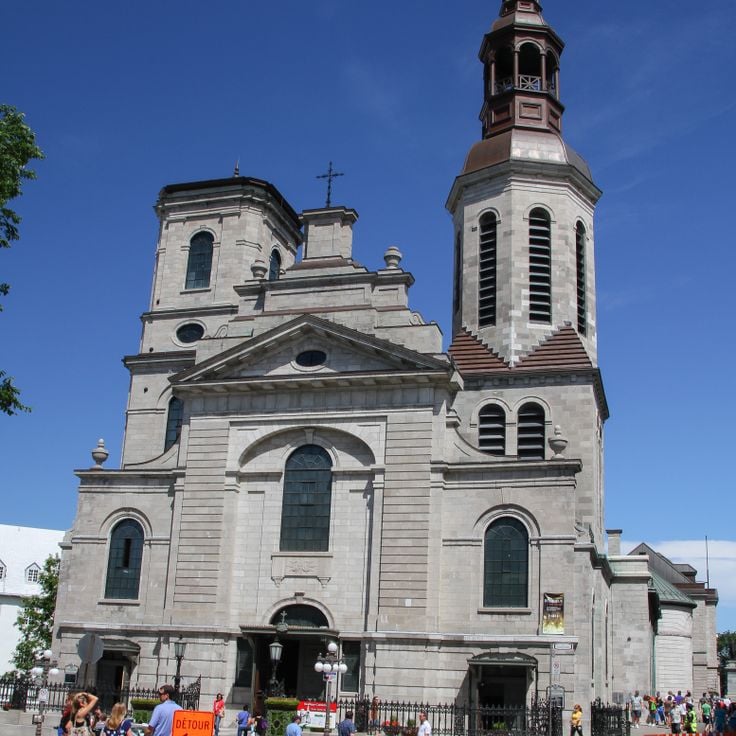
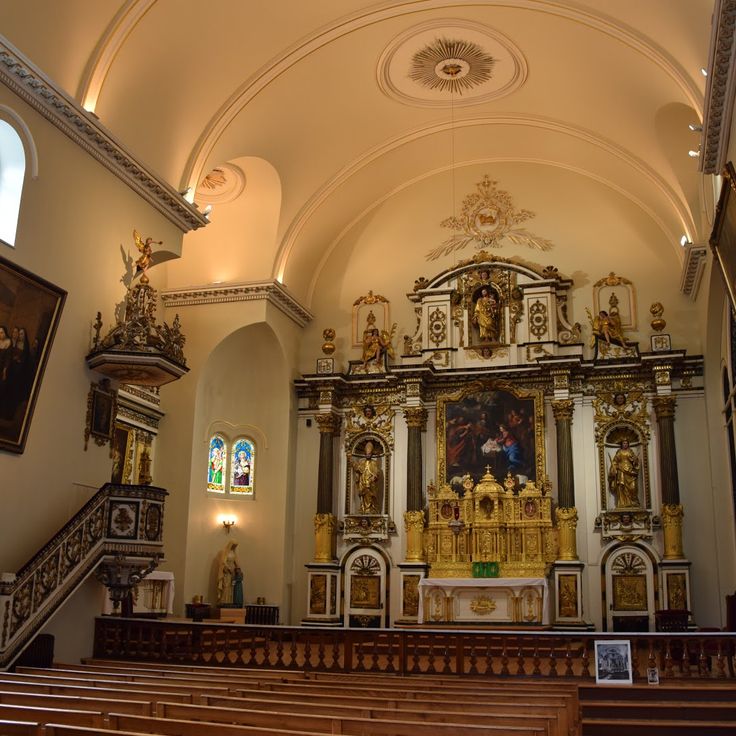
Notre-Dame de Québec Basilica-Cathedral was established in 1647 as the first Catholic church in North America. Rebuilt following the 1759 bombardments, this cathedral now houses a chapel, a crypt, and stained glass windows. The building documents the religious history of Quebec City and its architectural development since the colonial period. This cathedral stands in the historic district and forms an important part of the city's built heritage. The crypt contains burial sites of bishops and governors of New France.
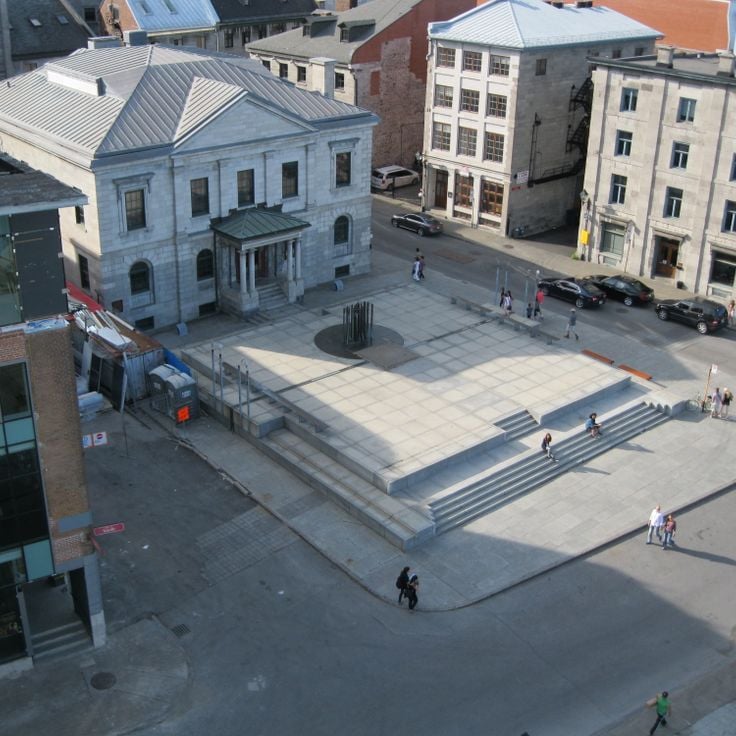
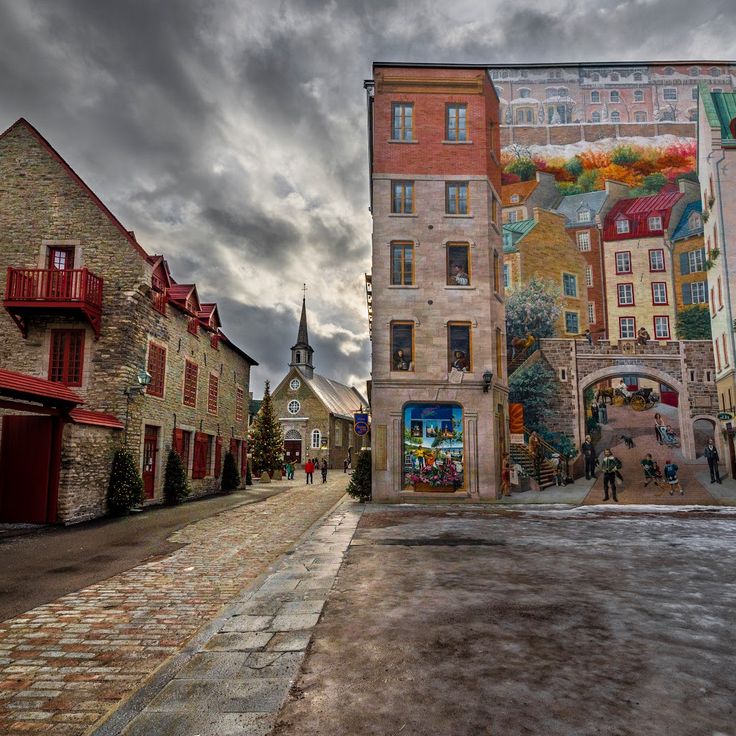
This 17th-century square served as the commercial heart of New France and marks the birthplace of French civilization in North America. The Notre-Dame-des-Victoires Church overlooks the cobblestone plaza, surrounded by restored colonial era houses. Place Royale documents Quebec's early trading history through interpretation centers presenting archaeological findings and settlement development. The square connects Quebec's fortified upper town with the historic port district along the St. Lawrence River.
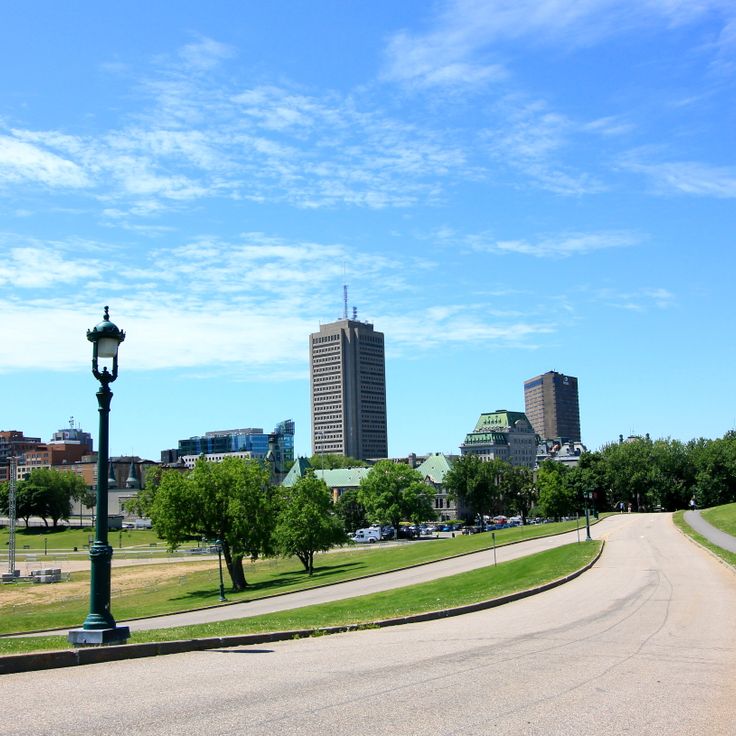
This large public park in the center of Quebec was the site of the 1759 battle between French and British armies. The Plains of Abraham span 267 acres (108 hectares) and form part of the city's most important historical sites. The park features walking trails, monuments, and interpretive panels that commemorate the military events that shaped North American history. As part of Quebec's fortifications and architectural heritage, this space complements the city's historical buildings, museums, and public squares. Visitors can walk along the paths and enjoy views of the Saint Lawrence River while exploring the historical significance of this location.
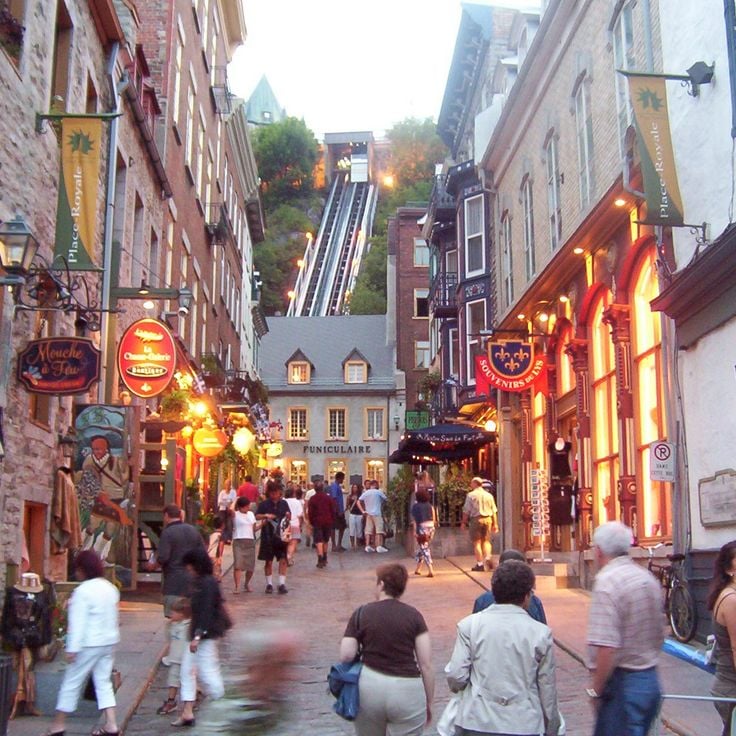
This historic district lies between the Saint Lawrence River and the cliffs of Cap Diamant, preserving the built form of the French colonial settlement. The cobblestone streets wind through a network of 17th and 18th century structures that originally served as residences, warehouses, and workshops for early merchants and craftspeople. Lower Town forms the oldest section of Quebec and demonstrates the evolution from a trading post to a permanent settlement. The streets follow the natural terrain between the river and the cliff face, while the surviving stone buildings document the architectural characteristics of the Nouvelle-France period.
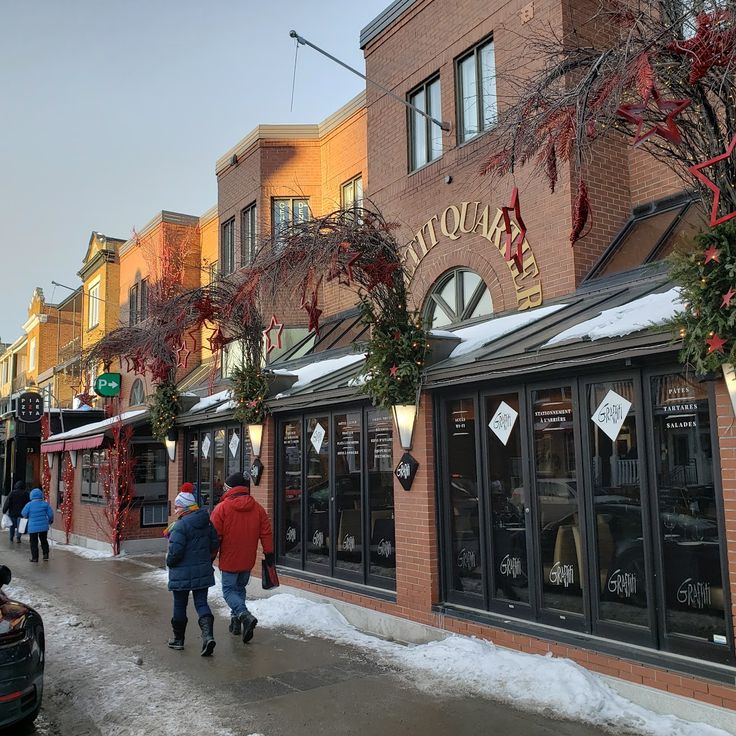
The Petit-Champlain District is a historic commercial area dating from the 17th century, located at the base of Cap Diamant in Quebec's Lower Town. This district preserves stone houses, art galleries, and cafes along narrow streets that reflect the city's early colonial architecture. The streets of this neighborhood connect to the fortifications and historical buildings of the Upper Town through staircases and the Funiculaire du Vieux-Québec. The district sits near Place Royale and provides access to the cultural and architectural landmarks of the Old City. Shops and restaurants within the restored buildings serve both residents and visitors exploring Quebec's colonial heritage.
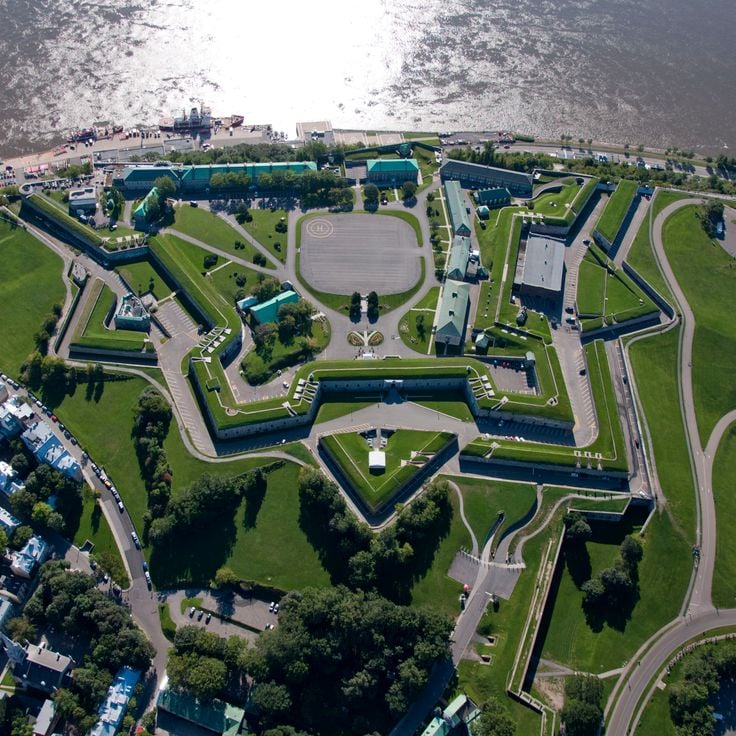
This fortification has served as a military defense structure since the early 19th century and contains ramparts, barracks, guard posts, and several museums across an area of 570 acres (2.3 square kilometers). The Citadel of Quebec documents the military history of the city through preserved buildings, exhibitions on garrison life, and ceremonies by the Canadian Armed Forces. As part of the city's fortifications, the site provides insight into Quebec's strategic importance during the colonial and post-colonial periods, as well as views over the Saint Lawrence River.
This marine center features indoor and outdoor pools that display fish, marine mammals, and invertebrates from freshwater and saltwater environments. The facility forms part of Quebec City's tourist infrastructure, complementing the historical and architectural sites of the collection with a focus on aquatic wildlife. Visitors can explore different marine ecosystems, including species from the Saint Lawrence River and arctic waters. The center offers educational programs and exhibits that provide insight into underwater life and the conservation of marine habitats, serving as a recreational and learning destination for families and tourists.
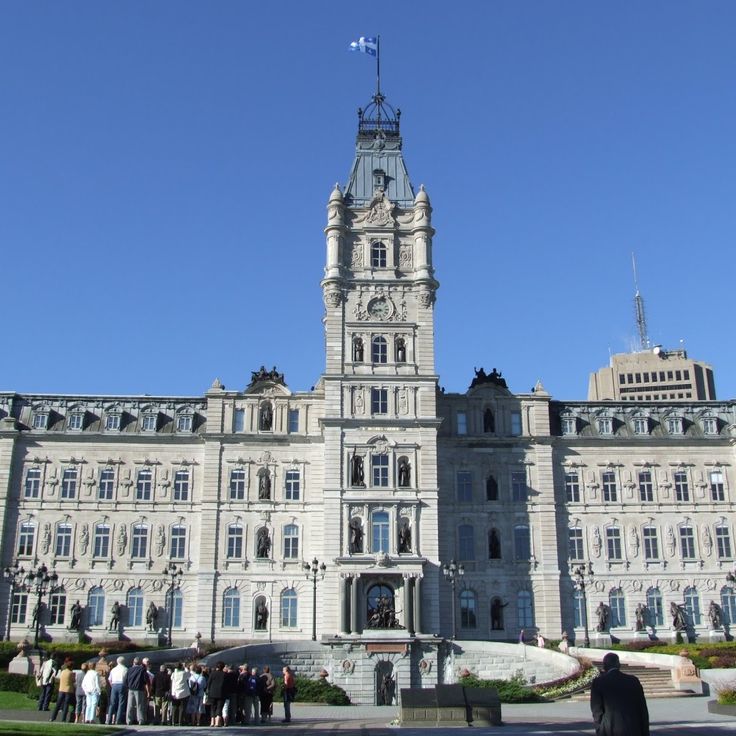
This Second Empire style government building was constructed between 1877 and 1886 and serves as the seat of the National Assembly of Quebec. The facade is adorned with 26 bronze statues representing significant figures from Quebec's history. The Parliament Building is located in the historic district of Quebec City and contributes to the architectural identity of the city. As part of the province's historical heritage, it provides visitors with insight into the political history and institutional development of Quebec.
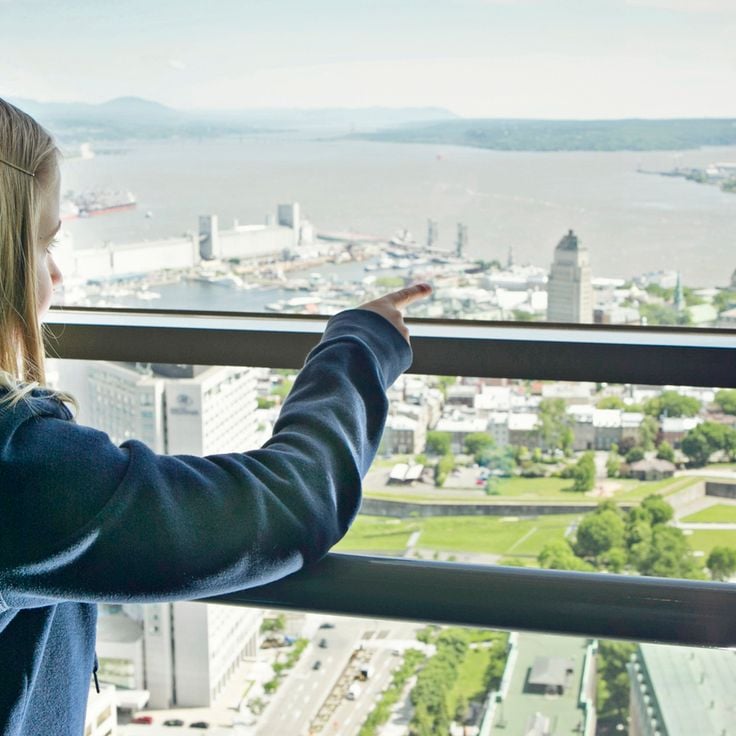
The Observatoire de la Capitale provides an observation platform at 725 feet (221 meters) elevation with a circular view over Quebec City, the Saint Lawrence River, and the surrounding valleys. From this vantage point, the view extends across the historic Old Town with its fortifications, the architecture of Upper and Lower Town, and the natural landscapes along the riverbanks. Located in the Édifice Marie-Guyart, the platform offers a comprehensive overview of the urban structure and geographic setting of the city.
This inclined railway has transported visitors between Rue du Petit-Champlain in the lower town and Dufferin Terrace in the upper town since 1879. The funicular overcomes an elevation difference of about 200 feet (60 meters) along the cliff face that defines the historic center of Quebec City. The system has been rebuilt and modernized several times while maintaining its role as an important link for residents and tourists. The ride provides views of the lower town and the Saint Lawrence River. This funicular connects two significant areas of the fortified city and facilitates access between the different levels of the historic district.
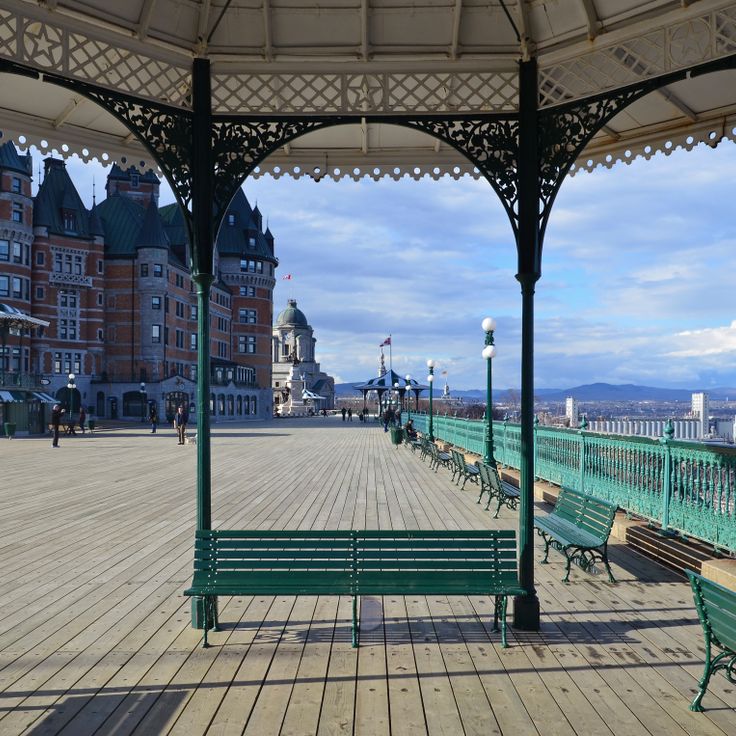
This 425-meter (1,394-foot) wooden boardwalk runs alongside the Château Frontenac and provides views over the Saint Lawrence River. Dufferin Terrace was built in the late 19th century on the remains of old fortifications and connects the Upper Town to the Citadel. Along the walkway stand historic cannons, benches, and pavilions. The terrace serves as a gathering point in the old city and provides access to various vantage points overlooking the river and the opposite shores. During winter, a portion of the terrace is converted into a toboggan run.
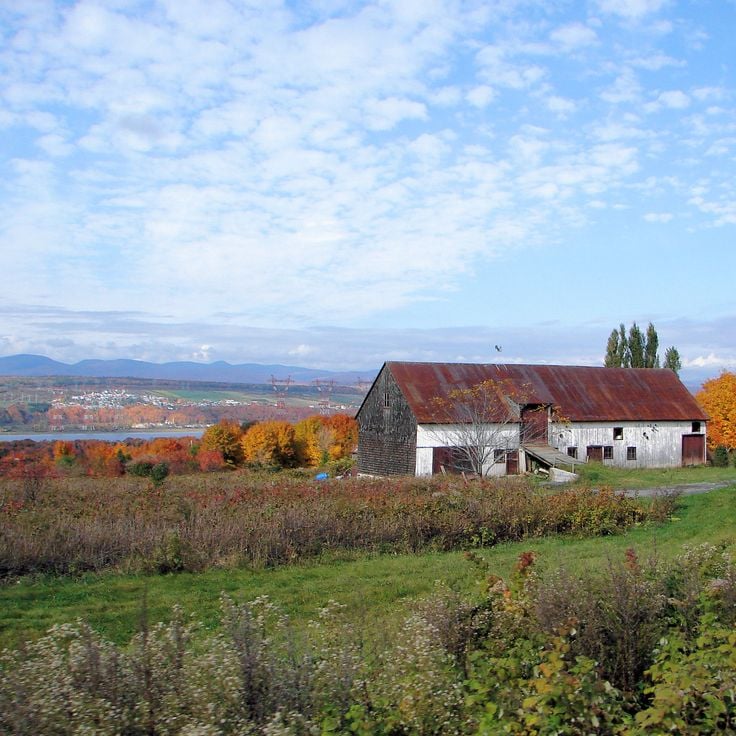
This island in the Saint Lawrence River encompasses six municipalities with farms, orchards, and maple groves extending over 21 miles (34 kilometers). Orleans Island preserves agricultural traditions and rural architecture from the French colonial period. Visitors can drive along the ring road through historic villages, sample local products such as wine, cider, and maple syrup, and enjoy views of Quebec City and the river. The area features churches from the 17th and 18th centuries, art galleries, and farm markets.
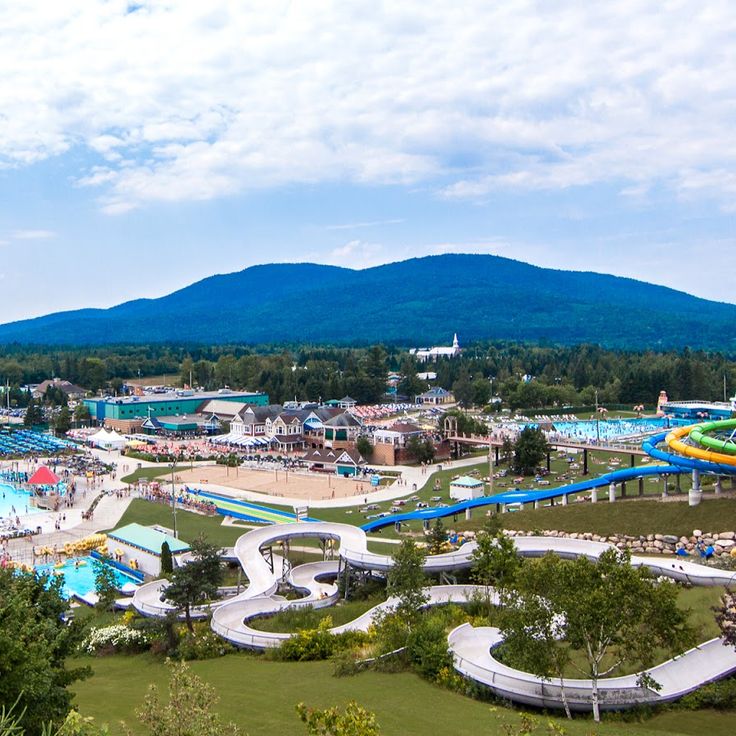
This year-round recreation center sits on expansive grounds north of Quebec City and ranks among the major attractions in the region. During summer months, Valcartier Vacation Village operates a water park featuring numerous slides, wave pools, and water play structures, while in winter it transforms into a snow sports area with illuminated tubing runs. The facility provides families with varied activities throughout the year and complements the historical and cultural offerings of Quebec City with a modern recreational destination. With its seasonal facilities, Valcartier Vacation Village has established itself as a popular destination for visitors to the region.
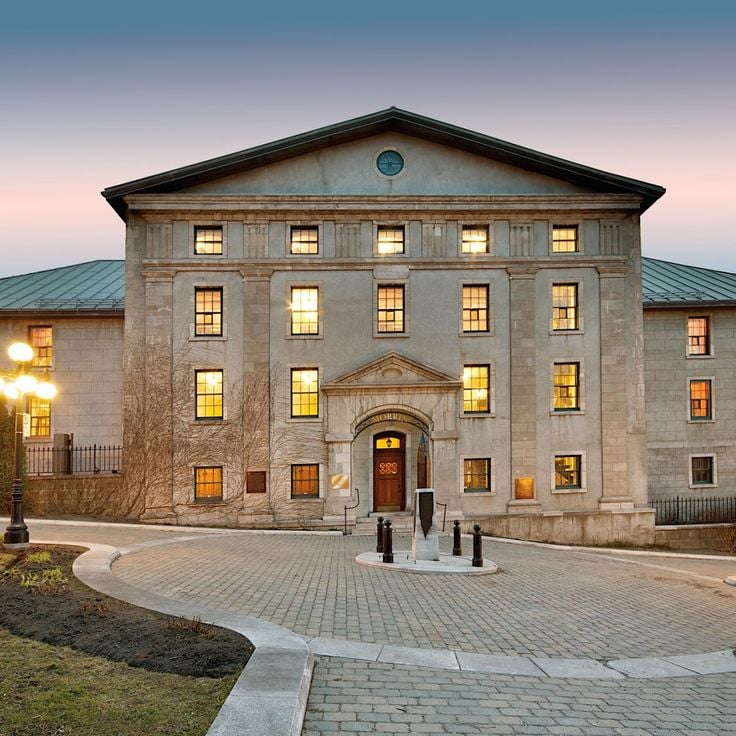
The Morrin Centre is a 19th-century building that originally served as a prison and later functioned as a college. Today it operates as a center for English-speaking culture in Quebec, housing a historic library and exhibition rooms. The facility preserves the history of the city's English-speaking community and offers visitors insight into its former use as a detention facility and educational institution.
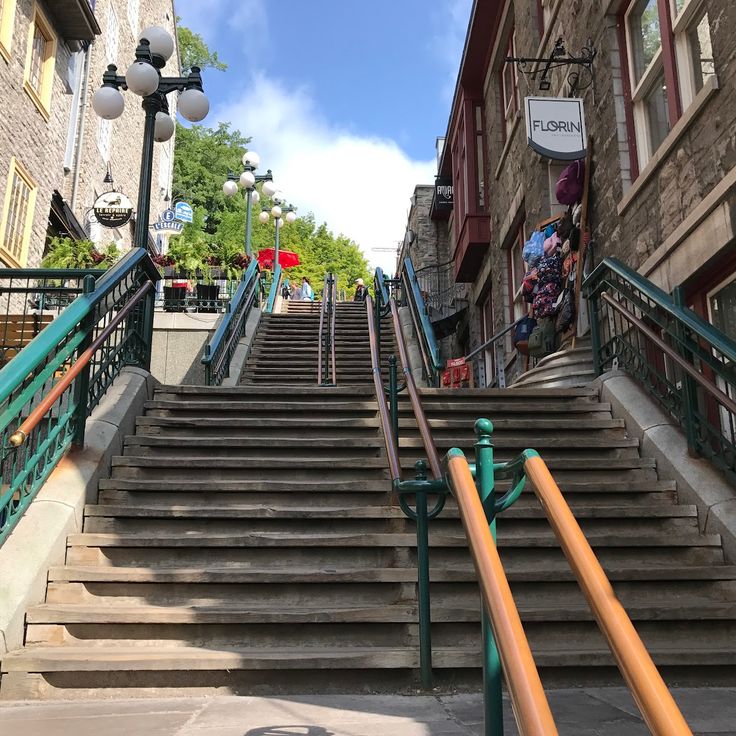
This historic wooden staircase with 59 steps dates from the French colonial period and connects Rue du Petit-Champlain to Côte de la Montagne. The Breakneck Stairs represent one of the preserved elements of Quebec City's urban structure and illustrate the necessity of connecting the different elevation levels of the old town. The staircase received its name due to its steep incline and narrow construction. It provides pedestrians with direct access between the lower town and the upper district, forming a functional component of the historic pathway network.
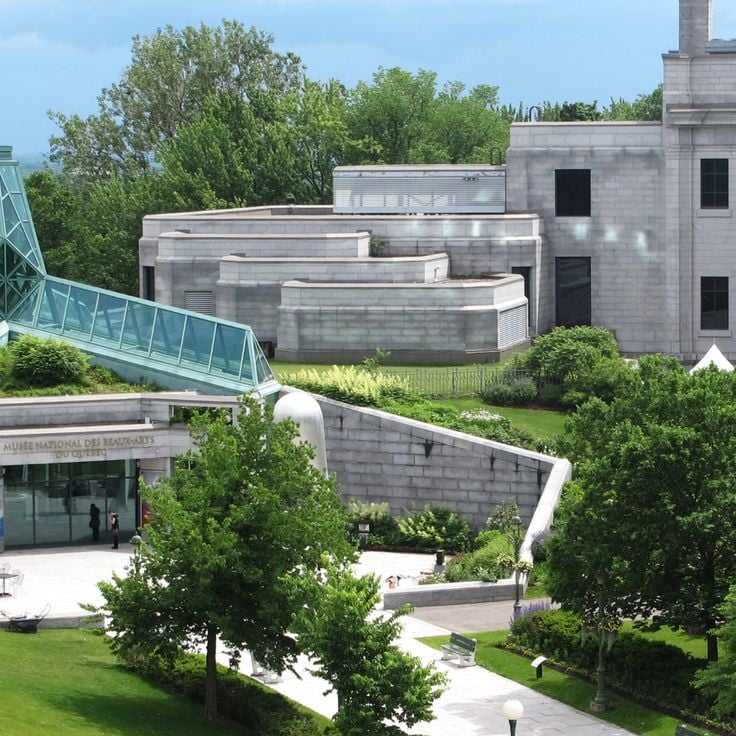
The Musée national des beaux-arts du Québec is an art museum in Battlefields Park that presents a comprehensive collection of Quebec art from the 17th century to the present day. This museum houses paintings, sculptures, photographs, and decorative arts that document the artistic development of the region. The collections include works by significant Quebec artists as well as international loans. The museum spans multiple interconnected buildings, including historic structures and contemporary additions. As a major cultural institution in Quebec City, the museum offers exhibitions that convey the artistic heritage of the province. Its location in Battlefields Park allows visitors to experience art and nature in close proximity. The permanent collection contains more than 40,000 works representing the evolution of visual arts in Quebec and beyond.
This 17th-century port area lies along the Saint Lawrence River and includes Louise Basin, a marina, restaurants, and a public market. The Old Port connects Quebec's maritime history with modern facilities and provides access to waterfront promenades and docking areas. The historic wharves once served as the city's commercial center and now host recreational and cultural offerings. Visitors can walk along the waterfront, explore local products at the market, or take in views of the river. The area combines historic port architecture with contemporary dining and maritime activities and forms part of the historic center of Quebec City.
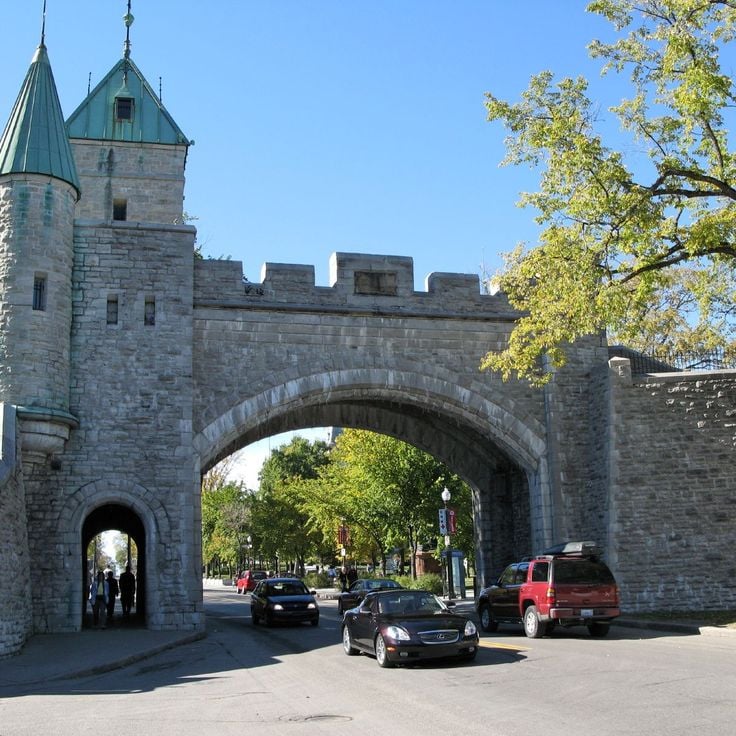
The Fortifications of Quebec form a 2.9-mile (4.6-kilometer) stone defensive structure built between 1608 and 1871, enclosing the historic center of the city. These military constructions are part of Quebec's architectural heritage and document the strategic importance of the city during the French and British colonial periods. As part of the city's fortifications, they include walls, bastions, gates, and defensive installations that controlled the Saint Lawrence River and surrounding areas. The fortifications represent a significant historical testimony to military architecture in North America.
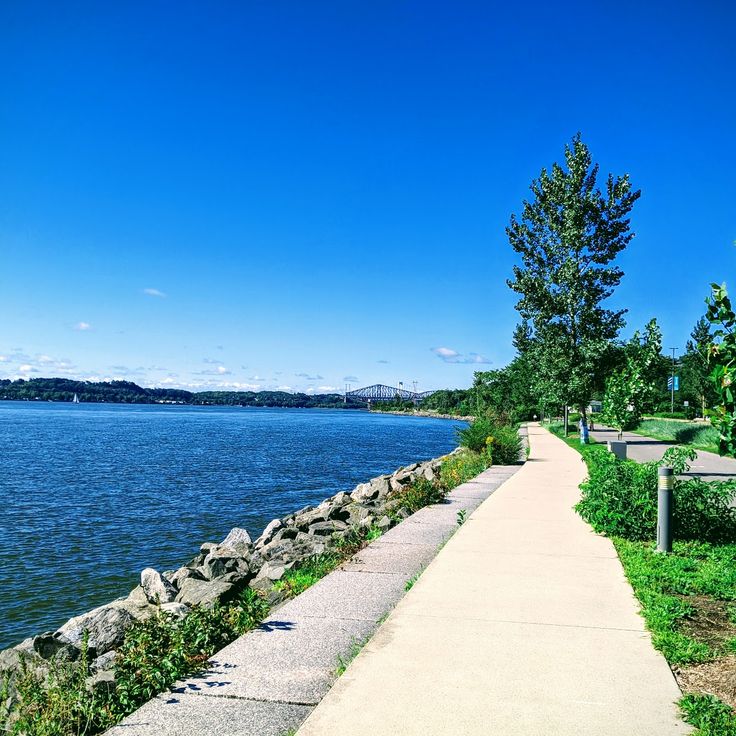
This waterfront promenade extends for 2.5 miles (4 kilometers) along the Saint Lawrence River, connecting historic neighborhoods with contemporary recreational areas. The Promenade Samuel-De Champlain features bike paths, walking trails, and themed gardens that showcase the natural environment of the Quebec region. A wooden observation tower provides views of the river and surrounding landscapes. The site includes several parks and public spaces accessible to visitors and residents. This green corridor complements the historic fortifications and monuments of Quebec City by offering a modern urban waterfront space.
This public square in Old Quebec lies between the Saint-Jean Gate and Kent Gate, serving as a social gathering point throughout the year. During winter, the square transforms into a refrigerated ice rink that draws locals and visitors for skating. In warmer months, Place D'Youville becomes an outdoor performance space hosting concerts, festivals, and other cultural presentations. The square's location within the historic fortifications makes it an accessible hub for public gatherings, complementing the architectural and cultural sites of the city.
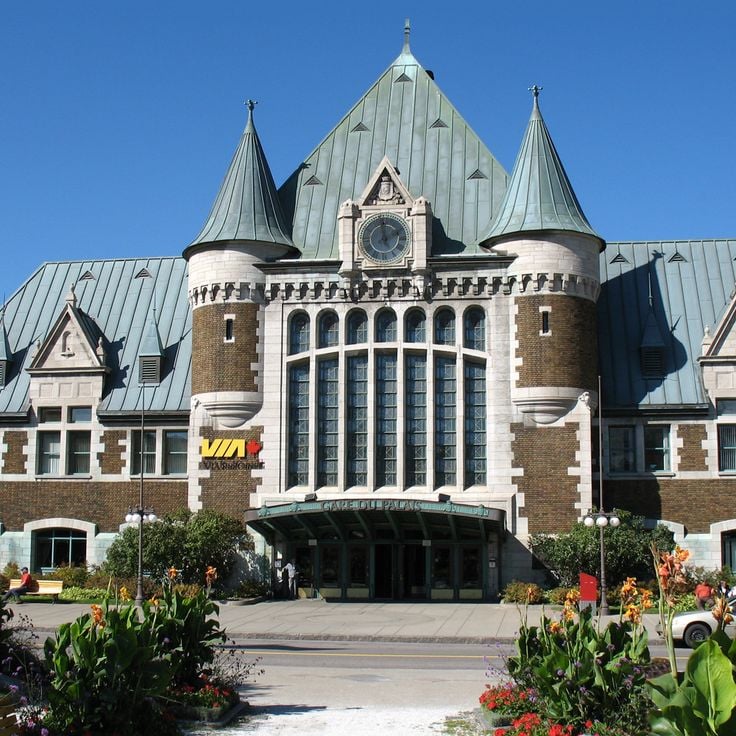
This railway station built in 1915 connects the city with regional and intercity train routes and bus services. Gare du Palais features castle-style architecture with copper roofing and a central clock that complements the historical heritage of Quebec City. The building serves as a transportation hub for travelers exploring the fortified city and surrounding regions along the Saint Lawrence River. The architecture reflects early 20th-century design and fits within the context of the historic Old Town structures.
This 310-meter-long wooden walkway runs along the cliff connecting Dufferin Terrace to the Plains of Abraham. The Governors' Walk was built along the cliff face and features several lookout points offering views of the Saint Lawrence River. Stairs along the route provide access to different levels of Quebec City's historic fortifications. The path follows the natural topography of the cliff and serves as a link between major historical sites in the city.
This mural on Place Royale covers 4,520 square feet (420 square meters) and depicts figures and significant events from Quebec's history since its founding. The fresco complements the historical monuments of the old city and provides an overview of the city's development from the 17th century to the present day. The scenes show important moments in the city's history and document changes in urban life over four centuries. The mural is located on one of the city's oldest public squares and forms part of the architectural and cultural sites that present Quebec's historical heritage.
This museum is located in the Ursuline Monastery and displays collections of religious objects, artworks, and documents about girls' education since 1639. The Ursulines Museum preserves the heritage of the Ursulines, who played an important role in Quebec history. The exhibitions present liturgical items, historical textiles, and artifacts from the daily life of the religious community. Visitors gain insight into the development of education in New France and the contributions of the sisters to the cultural and spiritual growth of the colony.
This main street of Quebec City leads from the Parliament Building to the Plains of Abraham and is lined with Victorian houses from the 19th century. Grande Allée features numerous restaurants, cafés, and terraces housed in restored historical buildings. The street connects the modern government district with the historical fortifications and serves as a popular promenade for walking and dining. As one of the most representative streets of the city, it showcases the architectural evolution of Quebec from the 19th century to the present day and provides access to several historical sites and parks.
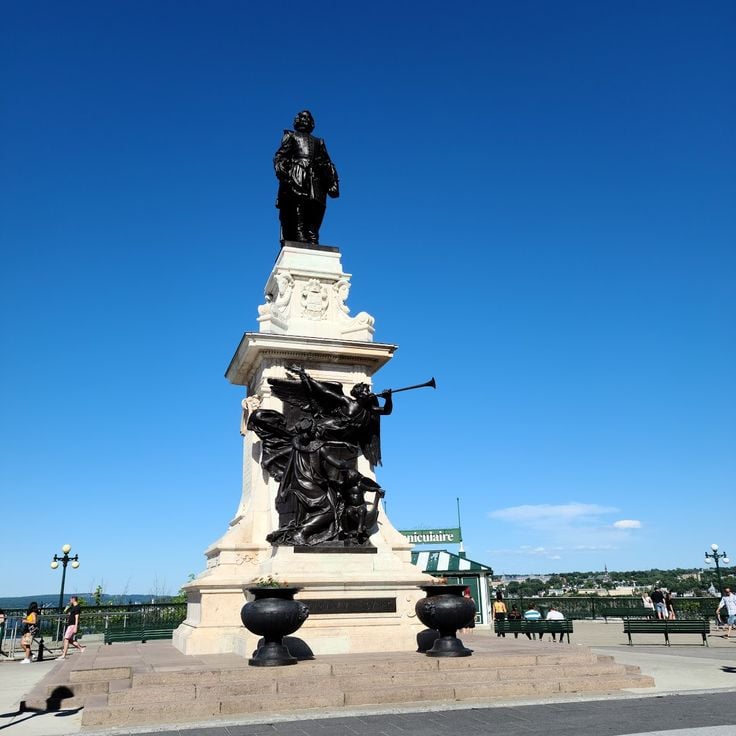
The Champlain Monument on Dufferin Terrace is a bronze statue of Samuel de Champlain, founder of Quebec, depicted holding a map. Inaugurated in 1898, the monument stands on a pedestal adorned with historic decorations and commemorates Champlain's role in establishing the French colony in North America. The statue forms a central point on the terrace overlooking the Saint Lawrence River and complements the architectural and historical heritage of Quebec's fortified city.
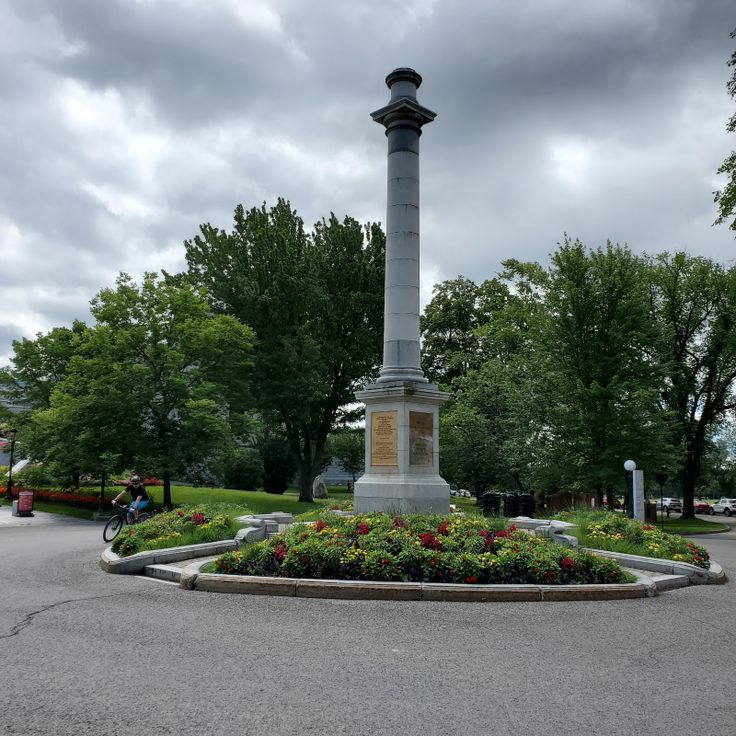
This granite monument was erected in 1828 in the Governors' Garden and commemorates the two generals who died in 1759 during the Battle of the Plains of Abraham. The 66-foot (20-meter) obelisk bears a Latin inscription honoring British General James Wolfe and French General Louis-Joseph de Montcalm. The monument stands in the historic garden area next to the Château Frontenac and marks an important turning point in Canadian history. The site provides visitors with a quiet place to reflect on these historical events.
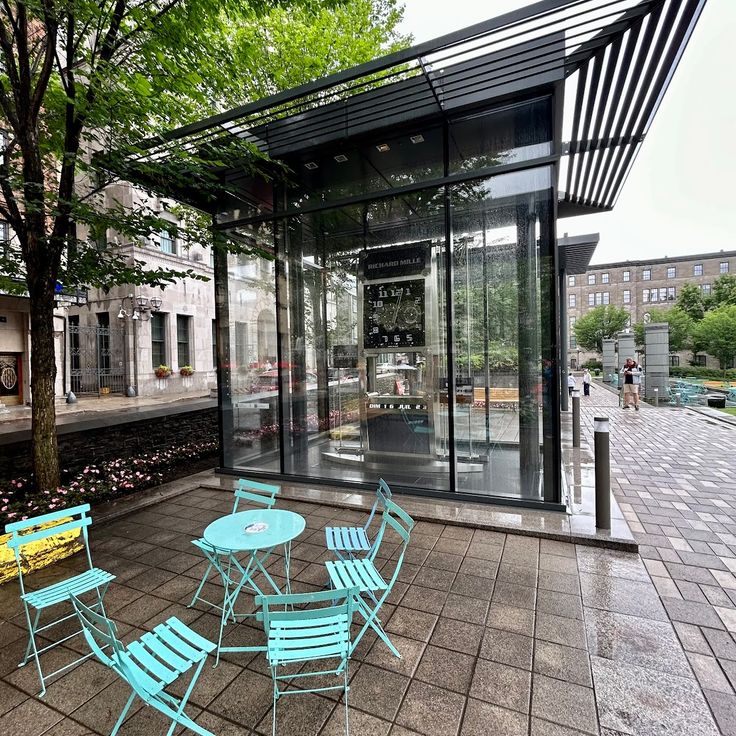
This precision clock with a height of 11 feet (3.5 meters) was installed in 1989 and is a gift from the Swiss canton of Jura to Quebec. The Horloge du Jura symbolizes the historical and cultural connections between Switzerland and the Canadian province. The timepiece stands in a public space within the city and commemorates the shared francophone heritage and diplomatic relations between the two regions. As a functional work of art, it contributes to the collection of attractions and monuments that document the heritage and international ties of Quebec City.
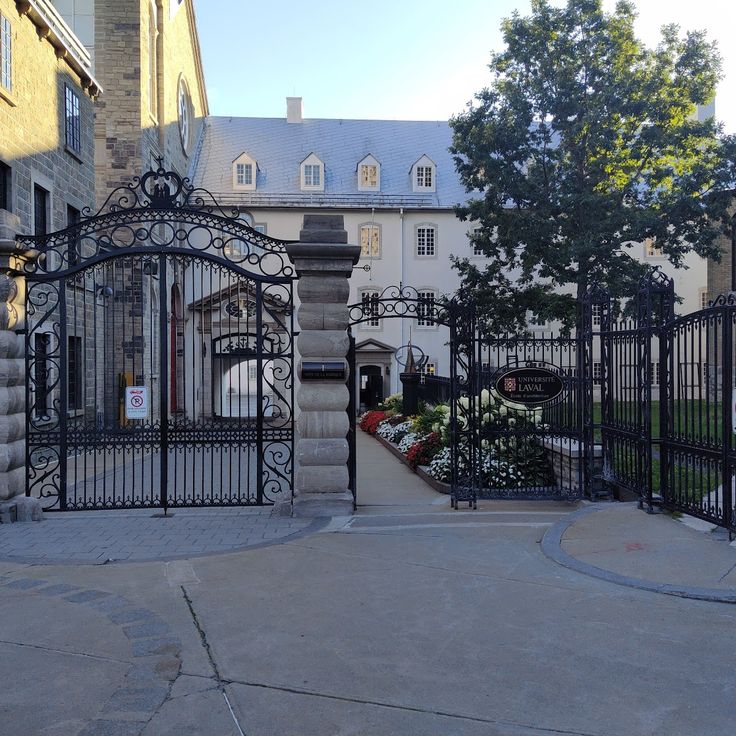
This seminary was founded in 1663 and served as the first institution for higher education in North America. The buildings preserve their French colonial architecture in the historic center of Quebec. For over three centuries, the seminary trained priests and contributed to the development of the Catholic Church in New France. The complex includes several interconnected buildings with interior courtyards and chapels. The architectural ensemble demonstrates the adaptation of European building traditions to North American climatic conditions and forms an essential part of the city's architectural heritage.
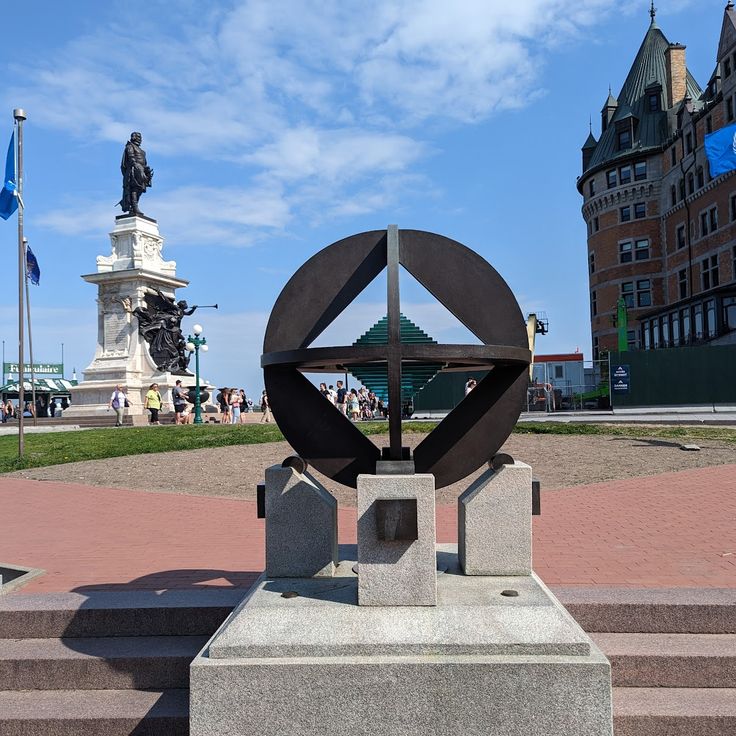
This monument made of bronze, granite, and glass was erected in 1985 to commemorate the recognition of Old Quebec as a UNESCO World Heritage Site. The structure stands as a symbol of the special status given to the city's historic fortifications and colonial architecture. Located near other significant sites such as the Château Frontenac and Dufferin Terrace, the monument is among the structures that represent the architectural heritage of Quebec City.
This French chateau-style building rises on Cap Diamant and dominates the skyline of Quebec. The Château Frontenac was built in 1893 by Canadian Pacific as a luxury hotel and remains one of Canada's most recognizable structures. The turreted facade with copper roofs combines French Renaissance and Scottish baronial elements. The hotel stands within the fortified Old Town and overlooks the Saint Lawrence River. The architecture follows the design of Bruce Price and underwent several expansions. The Château has operated as a hotel since opening and houses restaurants and event spaces.
This waterfall is located northeast of Quebec City and offers various perspectives on the cascading water. At 272 feet (83 meters) in height, Montmorency Falls is taller than Niagara Falls. Visitors can use staircases and walkways to reach different viewing points. A suspension bridge spans the top of the falls and provides views of the gorge and the Saint Lawrence River. A cable car connects the lower and upper areas of the site. The park also includes historic buildings and interpretation centers that explain the geology and history of the region. This natural attraction is a major part of the tourist offerings around Quebec City.
This museum on Dalhousie Street presents the history and culture of Quebec alongside rotating international exhibitions. The permanent collections document the region's development from early settlement to modern times, featuring everyday objects, historical artifacts, and ethnographic displays. Changing exhibitions explore themes from various world cultures and time periods. The Museum of Civilization provides visitors with insight into Quebec's social evolution and cultural connections through objects, multimedia installations, and educational programs that illustrate how communities have shaped and been shaped by their environment over centuries.
Notre-Dame de Québec Basilica-Cathedral was established in 1647 as the first Catholic church in North America. Rebuilt following the 1759 bombardments, this cathedral now houses a chapel, a crypt, and stained glass windows. The building documents the religious history of Quebec City and its architectural development since the colonial period. This cathedral stands in the historic district and forms an important part of the city's built heritage. The crypt contains burial sites of bishops and governors of New France.
This 17th-century square served as the commercial heart of New France and marks the birthplace of French civilization in North America. The Notre-Dame-des-Victoires Church overlooks the cobblestone plaza, surrounded by restored colonial era houses. Place Royale documents Quebec's early trading history through interpretation centers presenting archaeological findings and settlement development. The square connects Quebec's fortified upper town with the historic port district along the St. Lawrence River.
This large public park in the center of Quebec was the site of the 1759 battle between French and British armies. The Plains of Abraham span 267 acres (108 hectares) and form part of the city's most important historical sites. The park features walking trails, monuments, and interpretive panels that commemorate the military events that shaped North American history. As part of Quebec's fortifications and architectural heritage, this space complements the city's historical buildings, museums, and public squares. Visitors can walk along the paths and enjoy views of the Saint Lawrence River while exploring the historical significance of this location.
This historic district lies between the Saint Lawrence River and the cliffs of Cap Diamant, preserving the built form of the French colonial settlement. The cobblestone streets wind through a network of 17th and 18th century structures that originally served as residences, warehouses, and workshops for early merchants and craftspeople. Lower Town forms the oldest section of Quebec and demonstrates the evolution from a trading post to a permanent settlement. The streets follow the natural terrain between the river and the cliff face, while the surviving stone buildings document the architectural characteristics of the Nouvelle-France period.
The Petit-Champlain District is a historic commercial area dating from the 17th century, located at the base of Cap Diamant in Quebec's Lower Town. This district preserves stone houses, art galleries, and cafes along narrow streets that reflect the city's early colonial architecture. The streets of this neighborhood connect to the fortifications and historical buildings of the Upper Town through staircases and the Funiculaire du Vieux-Québec. The district sits near Place Royale and provides access to the cultural and architectural landmarks of the Old City. Shops and restaurants within the restored buildings serve both residents and visitors exploring Quebec's colonial heritage.
This fortification has served as a military defense structure since the early 19th century and contains ramparts, barracks, guard posts, and several museums across an area of 570 acres (2.3 square kilometers). The Citadel of Quebec documents the military history of the city through preserved buildings, exhibitions on garrison life, and ceremonies by the Canadian Armed Forces. As part of the city's fortifications, the site provides insight into Quebec's strategic importance during the colonial and post-colonial periods, as well as views over the Saint Lawrence River.
This marine center features indoor and outdoor pools that display fish, marine mammals, and invertebrates from freshwater and saltwater environments. The facility forms part of Quebec City's tourist infrastructure, complementing the historical and architectural sites of the collection with a focus on aquatic wildlife. Visitors can explore different marine ecosystems, including species from the Saint Lawrence River and arctic waters. The center offers educational programs and exhibits that provide insight into underwater life and the conservation of marine habitats, serving as a recreational and learning destination for families and tourists.
This Second Empire style government building was constructed between 1877 and 1886 and serves as the seat of the National Assembly of Quebec. The facade is adorned with 26 bronze statues representing significant figures from Quebec's history. The Parliament Building is located in the historic district of Quebec City and contributes to the architectural identity of the city. As part of the province's historical heritage, it provides visitors with insight into the political history and institutional development of Quebec.
The Observatoire de la Capitale provides an observation platform at 725 feet (221 meters) elevation with a circular view over Quebec City, the Saint Lawrence River, and the surrounding valleys. From this vantage point, the view extends across the historic Old Town with its fortifications, the architecture of Upper and Lower Town, and the natural landscapes along the riverbanks. Located in the Édifice Marie-Guyart, the platform offers a comprehensive overview of the urban structure and geographic setting of the city.
This inclined railway has transported visitors between Rue du Petit-Champlain in the lower town and Dufferin Terrace in the upper town since 1879. The funicular overcomes an elevation difference of about 200 feet (60 meters) along the cliff face that defines the historic center of Quebec City. The system has been rebuilt and modernized several times while maintaining its role as an important link for residents and tourists. The ride provides views of the lower town and the Saint Lawrence River. This funicular connects two significant areas of the fortified city and facilitates access between the different levels of the historic district.
This 425-meter (1,394-foot) wooden boardwalk runs alongside the Château Frontenac and provides views over the Saint Lawrence River. Dufferin Terrace was built in the late 19th century on the remains of old fortifications and connects the Upper Town to the Citadel. Along the walkway stand historic cannons, benches, and pavilions. The terrace serves as a gathering point in the old city and provides access to various vantage points overlooking the river and the opposite shores. During winter, a portion of the terrace is converted into a toboggan run.
This island in the Saint Lawrence River encompasses six municipalities with farms, orchards, and maple groves extending over 21 miles (34 kilometers). Orleans Island preserves agricultural traditions and rural architecture from the French colonial period. Visitors can drive along the ring road through historic villages, sample local products such as wine, cider, and maple syrup, and enjoy views of Quebec City and the river. The area features churches from the 17th and 18th centuries, art galleries, and farm markets.
This year-round recreation center sits on expansive grounds north of Quebec City and ranks among the major attractions in the region. During summer months, Valcartier Vacation Village operates a water park featuring numerous slides, wave pools, and water play structures, while in winter it transforms into a snow sports area with illuminated tubing runs. The facility provides families with varied activities throughout the year and complements the historical and cultural offerings of Quebec City with a modern recreational destination. With its seasonal facilities, Valcartier Vacation Village has established itself as a popular destination for visitors to the region.
The Morrin Centre is a 19th-century building that originally served as a prison and later functioned as a college. Today it operates as a center for English-speaking culture in Quebec, housing a historic library and exhibition rooms. The facility preserves the history of the city's English-speaking community and offers visitors insight into its former use as a detention facility and educational institution.
This historic wooden staircase with 59 steps dates from the French colonial period and connects Rue du Petit-Champlain to Côte de la Montagne. The Breakneck Stairs represent one of the preserved elements of Quebec City's urban structure and illustrate the necessity of connecting the different elevation levels of the old town. The staircase received its name due to its steep incline and narrow construction. It provides pedestrians with direct access between the lower town and the upper district, forming a functional component of the historic pathway network.
The Musée national des beaux-arts du Québec is an art museum in Battlefields Park that presents a comprehensive collection of Quebec art from the 17th century to the present day. This museum houses paintings, sculptures, photographs, and decorative arts that document the artistic development of the region. The collections include works by significant Quebec artists as well as international loans. The museum spans multiple interconnected buildings, including historic structures and contemporary additions. As a major cultural institution in Quebec City, the museum offers exhibitions that convey the artistic heritage of the province. Its location in Battlefields Park allows visitors to experience art and nature in close proximity. The permanent collection contains more than 40,000 works representing the evolution of visual arts in Quebec and beyond.
This 17th-century port area lies along the Saint Lawrence River and includes Louise Basin, a marina, restaurants, and a public market. The Old Port connects Quebec's maritime history with modern facilities and provides access to waterfront promenades and docking areas. The historic wharves once served as the city's commercial center and now host recreational and cultural offerings. Visitors can walk along the waterfront, explore local products at the market, or take in views of the river. The area combines historic port architecture with contemporary dining and maritime activities and forms part of the historic center of Quebec City.
The Fortifications of Quebec form a 2.9-mile (4.6-kilometer) stone defensive structure built between 1608 and 1871, enclosing the historic center of the city. These military constructions are part of Quebec's architectural heritage and document the strategic importance of the city during the French and British colonial periods. As part of the city's fortifications, they include walls, bastions, gates, and defensive installations that controlled the Saint Lawrence River and surrounding areas. The fortifications represent a significant historical testimony to military architecture in North America.
This waterfront promenade extends for 2.5 miles (4 kilometers) along the Saint Lawrence River, connecting historic neighborhoods with contemporary recreational areas. The Promenade Samuel-De Champlain features bike paths, walking trails, and themed gardens that showcase the natural environment of the Quebec region. A wooden observation tower provides views of the river and surrounding landscapes. The site includes several parks and public spaces accessible to visitors and residents. This green corridor complements the historic fortifications and monuments of Quebec City by offering a modern urban waterfront space.
This public square in Old Quebec lies between the Saint-Jean Gate and Kent Gate, serving as a social gathering point throughout the year. During winter, the square transforms into a refrigerated ice rink that draws locals and visitors for skating. In warmer months, Place D'Youville becomes an outdoor performance space hosting concerts, festivals, and other cultural presentations. The square's location within the historic fortifications makes it an accessible hub for public gatherings, complementing the architectural and cultural sites of the city.
This railway station built in 1915 connects the city with regional and intercity train routes and bus services. Gare du Palais features castle-style architecture with copper roofing and a central clock that complements the historical heritage of Quebec City. The building serves as a transportation hub for travelers exploring the fortified city and surrounding regions along the Saint Lawrence River. The architecture reflects early 20th-century design and fits within the context of the historic Old Town structures.
This 310-meter-long wooden walkway runs along the cliff connecting Dufferin Terrace to the Plains of Abraham. The Governors' Walk was built along the cliff face and features several lookout points offering views of the Saint Lawrence River. Stairs along the route provide access to different levels of Quebec City's historic fortifications. The path follows the natural topography of the cliff and serves as a link between major historical sites in the city.
This mural on Place Royale covers 4,520 square feet (420 square meters) and depicts figures and significant events from Quebec's history since its founding. The fresco complements the historical monuments of the old city and provides an overview of the city's development from the 17th century to the present day. The scenes show important moments in the city's history and document changes in urban life over four centuries. The mural is located on one of the city's oldest public squares and forms part of the architectural and cultural sites that present Quebec's historical heritage.
This museum is located in the Ursuline Monastery and displays collections of religious objects, artworks, and documents about girls' education since 1639. The Ursulines Museum preserves the heritage of the Ursulines, who played an important role in Quebec history. The exhibitions present liturgical items, historical textiles, and artifacts from the daily life of the religious community. Visitors gain insight into the development of education in New France and the contributions of the sisters to the cultural and spiritual growth of the colony.
This main street of Quebec City leads from the Parliament Building to the Plains of Abraham and is lined with Victorian houses from the 19th century. Grande Allée features numerous restaurants, cafés, and terraces housed in restored historical buildings. The street connects the modern government district with the historical fortifications and serves as a popular promenade for walking and dining. As one of the most representative streets of the city, it showcases the architectural evolution of Quebec from the 19th century to the present day and provides access to several historical sites and parks.
The Champlain Monument on Dufferin Terrace is a bronze statue of Samuel de Champlain, founder of Quebec, depicted holding a map. Inaugurated in 1898, the monument stands on a pedestal adorned with historic decorations and commemorates Champlain's role in establishing the French colony in North America. The statue forms a central point on the terrace overlooking the Saint Lawrence River and complements the architectural and historical heritage of Quebec's fortified city.
This granite monument was erected in 1828 in the Governors' Garden and commemorates the two generals who died in 1759 during the Battle of the Plains of Abraham. The 66-foot (20-meter) obelisk bears a Latin inscription honoring British General James Wolfe and French General Louis-Joseph de Montcalm. The monument stands in the historic garden area next to the Château Frontenac and marks an important turning point in Canadian history. The site provides visitors with a quiet place to reflect on these historical events.
This precision clock with a height of 11 feet (3.5 meters) was installed in 1989 and is a gift from the Swiss canton of Jura to Quebec. The Horloge du Jura symbolizes the historical and cultural connections between Switzerland and the Canadian province. The timepiece stands in a public space within the city and commemorates the shared francophone heritage and diplomatic relations between the two regions. As a functional work of art, it contributes to the collection of attractions and monuments that document the heritage and international ties of Quebec City.
This seminary was founded in 1663 and served as the first institution for higher education in North America. The buildings preserve their French colonial architecture in the historic center of Quebec. For over three centuries, the seminary trained priests and contributed to the development of the Catholic Church in New France. The complex includes several interconnected buildings with interior courtyards and chapels. The architectural ensemble demonstrates the adaptation of European building traditions to North American climatic conditions and forms an essential part of the city's architectural heritage.
This monument made of bronze, granite, and glass was erected in 1985 to commemorate the recognition of Old Quebec as a UNESCO World Heritage Site. The structure stands as a symbol of the special status given to the city's historic fortifications and colonial architecture. Located near other significant sites such as the Château Frontenac and Dufferin Terrace, the monument is among the structures that represent the architectural heritage of Quebec City.
This French chateau-style building rises on Cap Diamant and dominates the skyline of Quebec. The Château Frontenac was built in 1893 by Canadian Pacific as a luxury hotel and remains one of Canada's most recognizable structures. The turreted facade with copper roofs combines French Renaissance and Scottish baronial elements. The hotel stands within the fortified Old Town and overlooks the Saint Lawrence River. The architecture follows the design of Bruce Price and underwent several expansions. The Château has operated as a hotel since opening and houses restaurants and event spaces.
This waterfall is located northeast of Quebec City and offers various perspectives on the cascading water. At 272 feet (83 meters) in height, Montmorency Falls is taller than Niagara Falls. Visitors can use staircases and walkways to reach different viewing points. A suspension bridge spans the top of the falls and provides views of the gorge and the Saint Lawrence River. A cable car connects the lower and upper areas of the site. The park also includes historic buildings and interpretation centers that explain the geology and history of the region. This natural attraction is a major part of the tourist offerings around Quebec City.
This museum on Dalhousie Street presents the history and culture of Quebec alongside rotating international exhibitions. The permanent collections document the region's development from early settlement to modern times, featuring everyday objects, historical artifacts, and ethnographic displays. Changing exhibitions explore themes from various world cultures and time periods. The Museum of Civilization provides visitors with insight into Quebec's social evolution and cultural connections through objects, multimedia installations, and educational programs that illustrate how communities have shaped and been shaped by their environment over centuries.
Notre-Dame de Québec Basilica-Cathedral was established in 1647 as the first Catholic church in North America. Rebuilt following the 1759 bombardments, this cathedral now houses a chapel, a crypt, and stained glass windows. The building documents the religious history of Quebec City and its architectural development since the colonial period. This cathedral stands in the historic district and forms an important part of the city's built heritage. The crypt contains burial sites of bishops and governors of New France.
This 17th-century square served as the commercial heart of New France and marks the birthplace of French civilization in North America. The Notre-Dame-des-Victoires Church overlooks the cobblestone plaza, surrounded by restored colonial era houses. Place Royale documents Quebec's early trading history through interpretation centers presenting archaeological findings and settlement development. The square connects Quebec's fortified upper town with the historic port district along the St. Lawrence River.
This large public park in the center of Quebec was the site of the 1759 battle between French and British armies. The Plains of Abraham span 267 acres (108 hectares) and form part of the city's most important historical sites. The park features walking trails, monuments, and interpretive panels that commemorate the military events that shaped North American history. As part of Quebec's fortifications and architectural heritage, this space complements the city's historical buildings, museums, and public squares. Visitors can walk along the paths and enjoy views of the Saint Lawrence River while exploring the historical significance of this location.
This historic district lies between the Saint Lawrence River and the cliffs of Cap Diamant, preserving the built form of the French colonial settlement. The cobblestone streets wind through a network of 17th and 18th century structures that originally served as residences, warehouses, and workshops for early merchants and craftspeople. Lower Town forms the oldest section of Quebec and demonstrates the evolution from a trading post to a permanent settlement. The streets follow the natural terrain between the river and the cliff face, while the surviving stone buildings document the architectural characteristics of the Nouvelle-France period.
The Petit-Champlain District is a historic commercial area dating from the 17th century, located at the base of Cap Diamant in Quebec's Lower Town. This district preserves stone houses, art galleries, and cafes along narrow streets that reflect the city's early colonial architecture. The streets of this neighborhood connect to the fortifications and historical buildings of the Upper Town through staircases and the Funiculaire du Vieux-Québec. The district sits near Place Royale and provides access to the cultural and architectural landmarks of the Old City. Shops and restaurants within the restored buildings serve both residents and visitors exploring Quebec's colonial heritage.
This fortification has served as a military defense structure since the early 19th century and contains ramparts, barracks, guard posts, and several museums across an area of 570 acres (2.3 square kilometers). The Citadel of Quebec documents the military history of the city through preserved buildings, exhibitions on garrison life, and ceremonies by the Canadian Armed Forces. As part of the city's fortifications, the site provides insight into Quebec's strategic importance during the colonial and post-colonial periods, as well as views over the Saint Lawrence River.
This marine center features indoor and outdoor pools that display fish, marine mammals, and invertebrates from freshwater and saltwater environments. The facility forms part of Quebec City's tourist infrastructure, complementing the historical and architectural sites of the collection with a focus on aquatic wildlife. Visitors can explore different marine ecosystems, including species from the Saint Lawrence River and arctic waters. The center offers educational programs and exhibits that provide insight into underwater life and the conservation of marine habitats, serving as a recreational and learning destination for families and tourists.
This Second Empire style government building was constructed between 1877 and 1886 and serves as the seat of the National Assembly of Quebec. The facade is adorned with 26 bronze statues representing significant figures from Quebec's history. The Parliament Building is located in the historic district of Quebec City and contributes to the architectural identity of the city. As part of the province's historical heritage, it provides visitors with insight into the political history and institutional development of Quebec.
The Observatoire de la Capitale provides an observation platform at 725 feet (221 meters) elevation with a circular view over Quebec City, the Saint Lawrence River, and the surrounding valleys. From this vantage point, the view extends across the historic Old Town with its fortifications, the architecture of Upper and Lower Town, and the natural landscapes along the riverbanks. Located in the Édifice Marie-Guyart, the platform offers a comprehensive overview of the urban structure and geographic setting of the city.
This inclined railway has transported visitors between Rue du Petit-Champlain in the lower town and Dufferin Terrace in the upper town since 1879. The funicular overcomes an elevation difference of about 200 feet (60 meters) along the cliff face that defines the historic center of Quebec City. The system has been rebuilt and modernized several times while maintaining its role as an important link for residents and tourists. The ride provides views of the lower town and the Saint Lawrence River. This funicular connects two significant areas of the fortified city and facilitates access between the different levels of the historic district.
This 425-meter (1,394-foot) wooden boardwalk runs alongside the Château Frontenac and provides views over the Saint Lawrence River. Dufferin Terrace was built in the late 19th century on the remains of old fortifications and connects the Upper Town to the Citadel. Along the walkway stand historic cannons, benches, and pavilions. The terrace serves as a gathering point in the old city and provides access to various vantage points overlooking the river and the opposite shores. During winter, a portion of the terrace is converted into a toboggan run.
This island in the Saint Lawrence River encompasses six municipalities with farms, orchards, and maple groves extending over 21 miles (34 kilometers). Orleans Island preserves agricultural traditions and rural architecture from the French colonial period. Visitors can drive along the ring road through historic villages, sample local products such as wine, cider, and maple syrup, and enjoy views of Quebec City and the river. The area features churches from the 17th and 18th centuries, art galleries, and farm markets.
This year-round recreation center sits on expansive grounds north of Quebec City and ranks among the major attractions in the region. During summer months, Valcartier Vacation Village operates a water park featuring numerous slides, wave pools, and water play structures, while in winter it transforms into a snow sports area with illuminated tubing runs. The facility provides families with varied activities throughout the year and complements the historical and cultural offerings of Quebec City with a modern recreational destination. With its seasonal facilities, Valcartier Vacation Village has established itself as a popular destination for visitors to the region.
The Morrin Centre is a 19th-century building that originally served as a prison and later functioned as a college. Today it operates as a center for English-speaking culture in Quebec, housing a historic library and exhibition rooms. The facility preserves the history of the city's English-speaking community and offers visitors insight into its former use as a detention facility and educational institution.
This historic wooden staircase with 59 steps dates from the French colonial period and connects Rue du Petit-Champlain to Côte de la Montagne. The Breakneck Stairs represent one of the preserved elements of Quebec City's urban structure and illustrate the necessity of connecting the different elevation levels of the old town. The staircase received its name due to its steep incline and narrow construction. It provides pedestrians with direct access between the lower town and the upper district, forming a functional component of the historic pathway network.
The Musée national des beaux-arts du Québec is an art museum in Battlefields Park that presents a comprehensive collection of Quebec art from the 17th century to the present day. This museum houses paintings, sculptures, photographs, and decorative arts that document the artistic development of the region. The collections include works by significant Quebec artists as well as international loans. The museum spans multiple interconnected buildings, including historic structures and contemporary additions. As a major cultural institution in Quebec City, the museum offers exhibitions that convey the artistic heritage of the province. Its location in Battlefields Park allows visitors to experience art and nature in close proximity. The permanent collection contains more than 40,000 works representing the evolution of visual arts in Quebec and beyond.
This 17th-century port area lies along the Saint Lawrence River and includes Louise Basin, a marina, restaurants, and a public market. The Old Port connects Quebec's maritime history with modern facilities and provides access to waterfront promenades and docking areas. The historic wharves once served as the city's commercial center and now host recreational and cultural offerings. Visitors can walk along the waterfront, explore local products at the market, or take in views of the river. The area combines historic port architecture with contemporary dining and maritime activities and forms part of the historic center of Quebec City.
The Fortifications of Quebec form a 2.9-mile (4.6-kilometer) stone defensive structure built between 1608 and 1871, enclosing the historic center of the city. These military constructions are part of Quebec's architectural heritage and document the strategic importance of the city during the French and British colonial periods. As part of the city's fortifications, they include walls, bastions, gates, and defensive installations that controlled the Saint Lawrence River and surrounding areas. The fortifications represent a significant historical testimony to military architecture in North America.
This waterfront promenade extends for 2.5 miles (4 kilometers) along the Saint Lawrence River, connecting historic neighborhoods with contemporary recreational areas. The Promenade Samuel-De Champlain features bike paths, walking trails, and themed gardens that showcase the natural environment of the Quebec region. A wooden observation tower provides views of the river and surrounding landscapes. The site includes several parks and public spaces accessible to visitors and residents. This green corridor complements the historic fortifications and monuments of Quebec City by offering a modern urban waterfront space.
This public square in Old Quebec lies between the Saint-Jean Gate and Kent Gate, serving as a social gathering point throughout the year. During winter, the square transforms into a refrigerated ice rink that draws locals and visitors for skating. In warmer months, Place D'Youville becomes an outdoor performance space hosting concerts, festivals, and other cultural presentations. The square's location within the historic fortifications makes it an accessible hub for public gatherings, complementing the architectural and cultural sites of the city.
This railway station built in 1915 connects the city with regional and intercity train routes and bus services. Gare du Palais features castle-style architecture with copper roofing and a central clock that complements the historical heritage of Quebec City. The building serves as a transportation hub for travelers exploring the fortified city and surrounding regions along the Saint Lawrence River. The architecture reflects early 20th-century design and fits within the context of the historic Old Town structures.
This 310-meter-long wooden walkway runs along the cliff connecting Dufferin Terrace to the Plains of Abraham. The Governors' Walk was built along the cliff face and features several lookout points offering views of the Saint Lawrence River. Stairs along the route provide access to different levels of Quebec City's historic fortifications. The path follows the natural topography of the cliff and serves as a link between major historical sites in the city.
This mural on Place Royale covers 4,520 square feet (420 square meters) and depicts figures and significant events from Quebec's history since its founding. The fresco complements the historical monuments of the old city and provides an overview of the city's development from the 17th century to the present day. The scenes show important moments in the city's history and document changes in urban life over four centuries. The mural is located on one of the city's oldest public squares and forms part of the architectural and cultural sites that present Quebec's historical heritage.
This museum is located in the Ursuline Monastery and displays collections of religious objects, artworks, and documents about girls' education since 1639. The Ursulines Museum preserves the heritage of the Ursulines, who played an important role in Quebec history. The exhibitions present liturgical items, historical textiles, and artifacts from the daily life of the religious community. Visitors gain insight into the development of education in New France and the contributions of the sisters to the cultural and spiritual growth of the colony.
This main street of Quebec City leads from the Parliament Building to the Plains of Abraham and is lined with Victorian houses from the 19th century. Grande Allée features numerous restaurants, cafés, and terraces housed in restored historical buildings. The street connects the modern government district with the historical fortifications and serves as a popular promenade for walking and dining. As one of the most representative streets of the city, it showcases the architectural evolution of Quebec from the 19th century to the present day and provides access to several historical sites and parks.
The Champlain Monument on Dufferin Terrace is a bronze statue of Samuel de Champlain, founder of Quebec, depicted holding a map. Inaugurated in 1898, the monument stands on a pedestal adorned with historic decorations and commemorates Champlain's role in establishing the French colony in North America. The statue forms a central point on the terrace overlooking the Saint Lawrence River and complements the architectural and historical heritage of Quebec's fortified city.
This granite monument was erected in 1828 in the Governors' Garden and commemorates the two generals who died in 1759 during the Battle of the Plains of Abraham. The 66-foot (20-meter) obelisk bears a Latin inscription honoring British General James Wolfe and French General Louis-Joseph de Montcalm. The monument stands in the historic garden area next to the Château Frontenac and marks an important turning point in Canadian history. The site provides visitors with a quiet place to reflect on these historical events.
This precision clock with a height of 11 feet (3.5 meters) was installed in 1989 and is a gift from the Swiss canton of Jura to Quebec. The Horloge du Jura symbolizes the historical and cultural connections between Switzerland and the Canadian province. The timepiece stands in a public space within the city and commemorates the shared francophone heritage and diplomatic relations between the two regions. As a functional work of art, it contributes to the collection of attractions and monuments that document the heritage and international ties of Quebec City.
This seminary was founded in 1663 and served as the first institution for higher education in North America. The buildings preserve their French colonial architecture in the historic center of Quebec. For over three centuries, the seminary trained priests and contributed to the development of the Catholic Church in New France. The complex includes several interconnected buildings with interior courtyards and chapels. The architectural ensemble demonstrates the adaptation of European building traditions to North American climatic conditions and forms an essential part of the city's architectural heritage.
This monument made of bronze, granite, and glass was erected in 1985 to commemorate the recognition of Old Quebec as a UNESCO World Heritage Site. The structure stands as a symbol of the special status given to the city's historic fortifications and colonial architecture. Located near other significant sites such as the Château Frontenac and Dufferin Terrace, the monument is among the structures that represent the architectural heritage of Quebec City.