See the monuments around you in AROpen chests in the app
Around Us is built for your phone — point your camera at the streets and discover the monuments and places around you in augmented reality.Around Us is built for your phone — chests unlock when you walk, explore and capture nearby places.
Tourist destinations in Tunisia: colorful medinas, Mediterranean beaches, white villages
Tunisia offers many places worth seeing. This collection includes sites that show what the country truly has. There are coastlines along the Mediterranean with deep blues, desert areas in the Sahara, and villages built over many centuries. You can find ancient ruins that tell about the past, markets where daily life moves with the vendors and visitors, and green oases hidden in the desert. Each place has its own story and character.
These sites reveal the style of building, the landscapes, and how the local people live. You will see white and blue walls in seaside villages, palm groves in the desert, and open spaces where people still gather today as they have for a long time. Visiting these spots helps you understand how geography and history have shaped Tunisia and its people.
Tourist destinations in Tunisia: colorful medinas, Mediterranean beaches, white villages
Tunisia offers many places worth seeing. This collection includes sites that show what the country truly has. There are coastlines along the Mediterranean with deep blues, desert areas in the Sahara, and villages built over many centuries. You can find ancient ruins that tell about the past, markets where daily life moves with the vendors and visitors, and green oases hidden in the desert. Each place has its own story and character.
These sites reveal the style of building, the landscapes, and how the local people live. You will see white and blue walls in seaside villages, palm groves in the desert, and open spaces where people still gather today as they have for a long time. Visiting these spots helps you understand how geography and history have shaped Tunisia and its people.
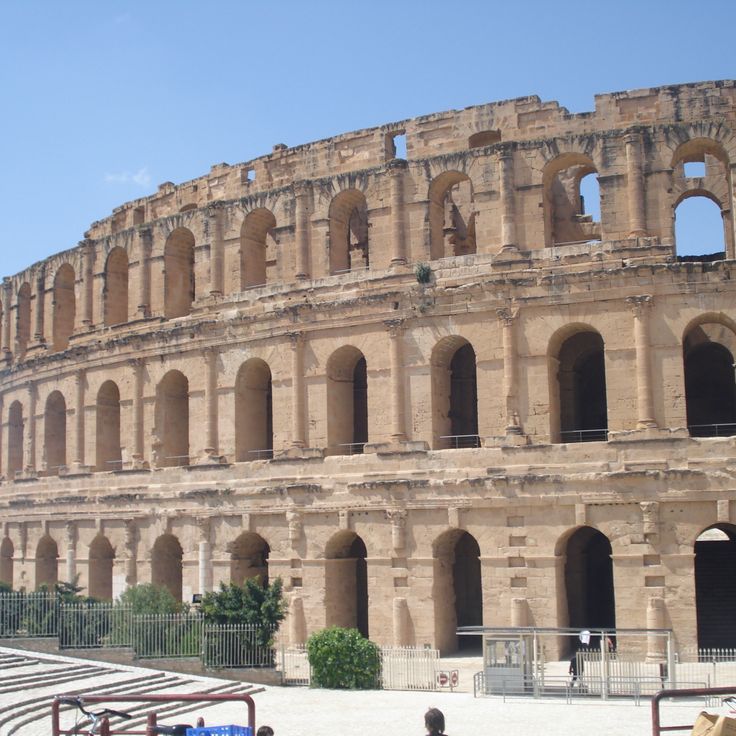
The amphitheater of El Djem is a Roman structure from the 3rd century that rises over three levels with arcades reaching 35 meters in height. This building shows the construction skills of the Romans and was once a place where people gathered for events and entertainment. The structure still stands today, allowing visitors to imagine the life of that era. Walking through the passages, you can see the details of how it was built and understand the engineering knowledge of those ancient builders.
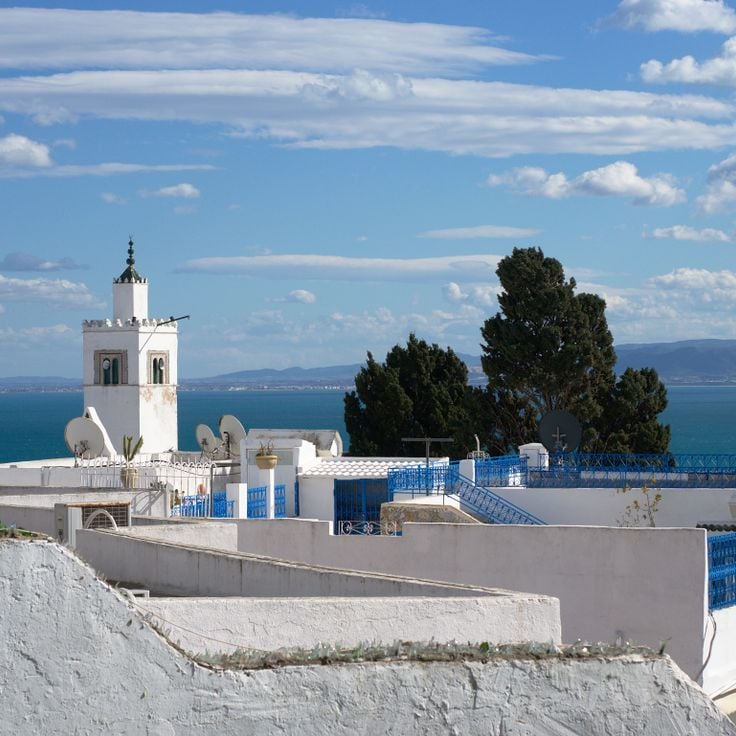
Sidi Bou Saïd is a village perched on a hilltop overlooking the sea. The houses have white walls and blue doors and windows that catch the light. Narrow streets wind between the buildings, and from many corners you can see the water below. People here move through their days at a gentle pace, and craftspeople sell their goods in small shops. The village shows how people have lived on this coast for centuries.
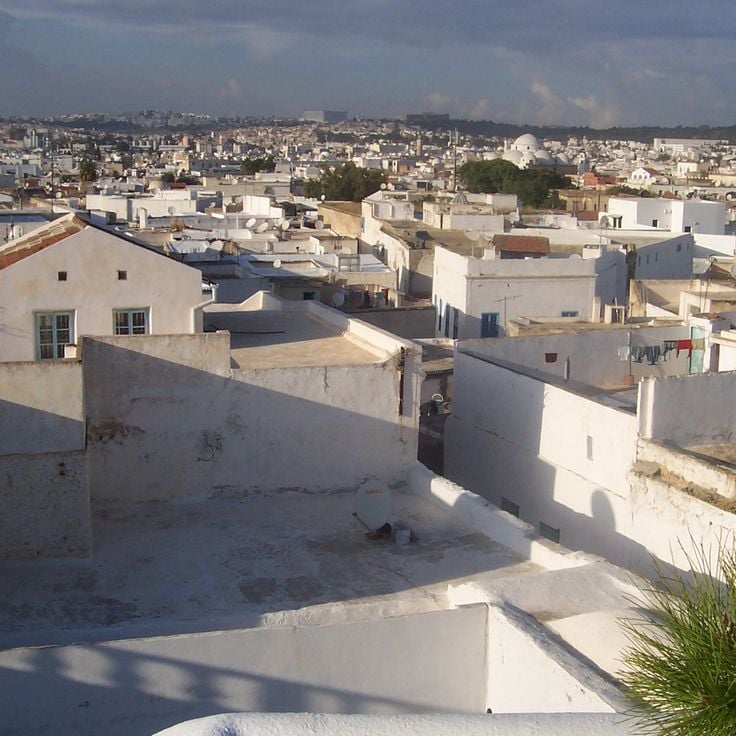
The Medina of Tunis is the historic core of the city, with narrow streets that wind like a maze through the old quarters. Here you find mosques with their distinctive minarets, palaces showing detailed craftsmanship, and bustling souks where merchants display their goods. Many buildings date from the 12th century and beyond, revealing layers of architecture built over generations. Walking through the Medina, you encounter whitewashed and blue-painted facades, hear merchants calling out, and smell spices and leather. This is where daily life has unfolded in much the same way for centuries, with people gathering in public squares and workshops operating in small rooms along the street.
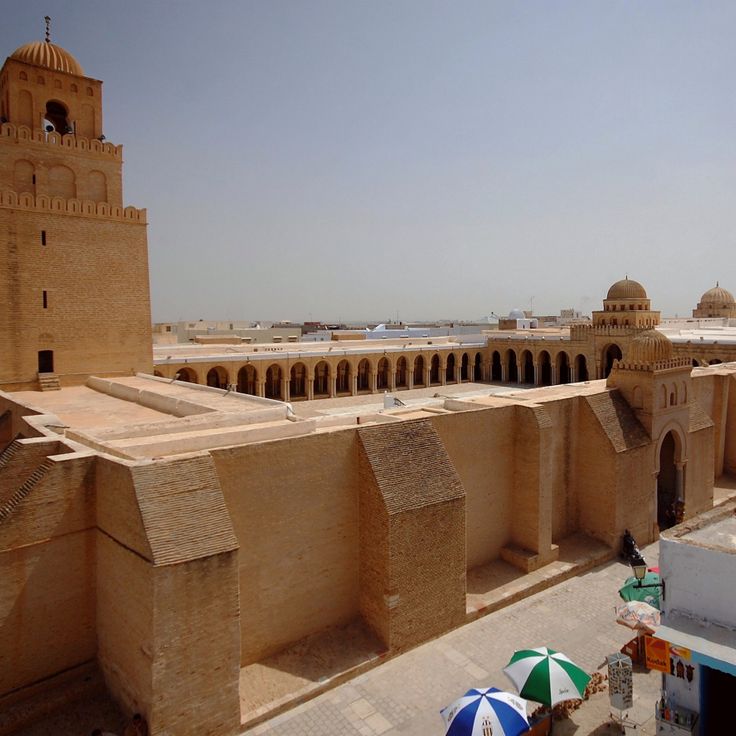
The Great Mosque of Kairouan has been a center of Islamic faith for more than 1300 years. This building shows a remarkable blend of architectural styles that developed over many centuries. The courtyard is surrounded by columns taken from ancient temples, and the minaret rises above the city. Inside, the many columns and the mihrab with its detailed patterns create a sense of depth and movement. This structure tells the story of North Africa through its stones and designs.
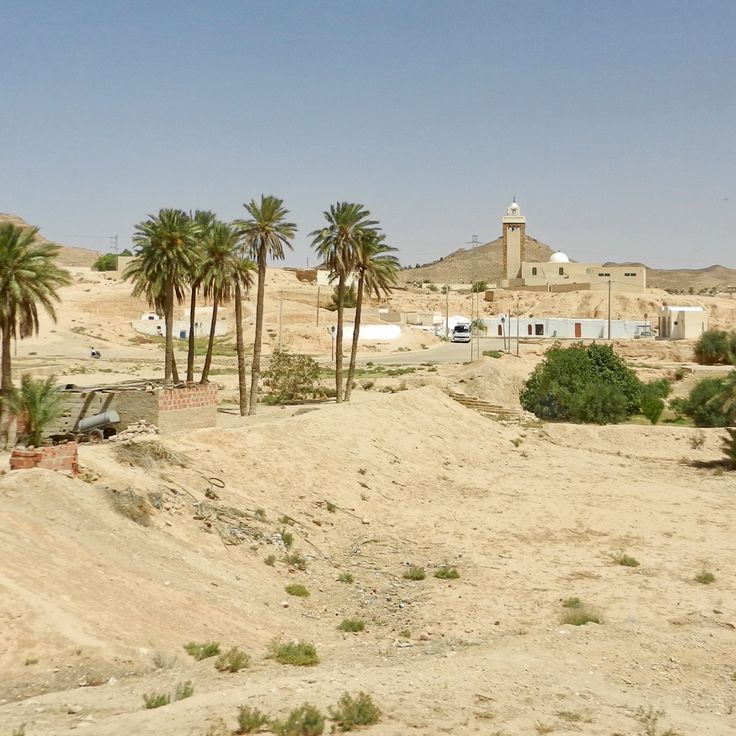
Matmata is a village built in a way unlike most places. The homes here are dug down into the ground rather than built on top of it. These underground houses stay cool in summer and warm in winter. The village shows how people in this region have lived for centuries, adapting to the hot climate and harsh conditions of southern Tunisia. Walking through Matmata, you see deep courtyards carved into the earth and doorways that lead downward into homes. It is a place where you can understand how people have shaped their houses to suit their surroundings.
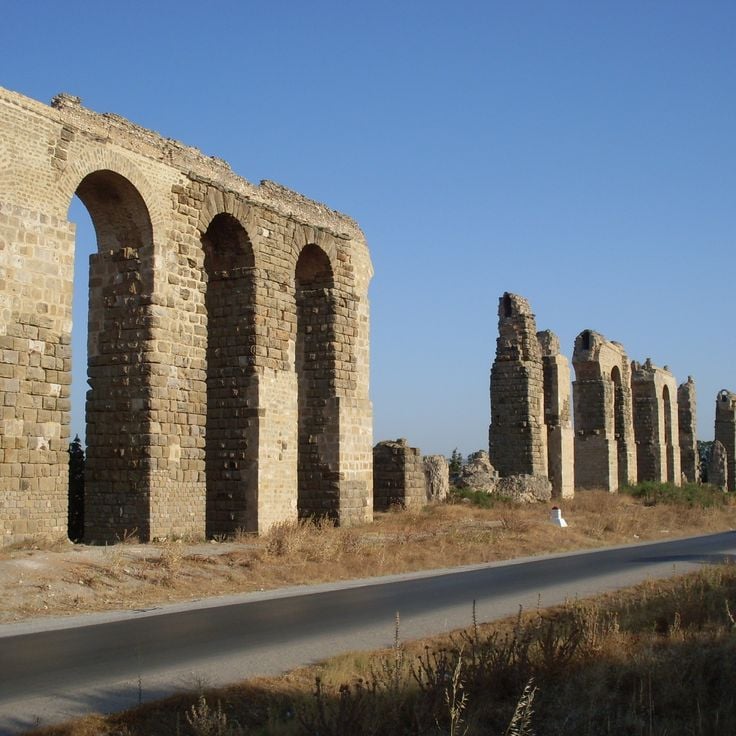
The Aqueduc de Zaghouan is a Roman aqueduct whose remains stand in a natural setting. This structure shows how the Romans transported water across long distances using advanced engineering techniques. The aqueduct sits within Zaghouan's landscape and reveals how essential water systems were to ancient cities. Visitors can observe the construction and design of this ancient engineering achievement and learn about its importance to the region's history.
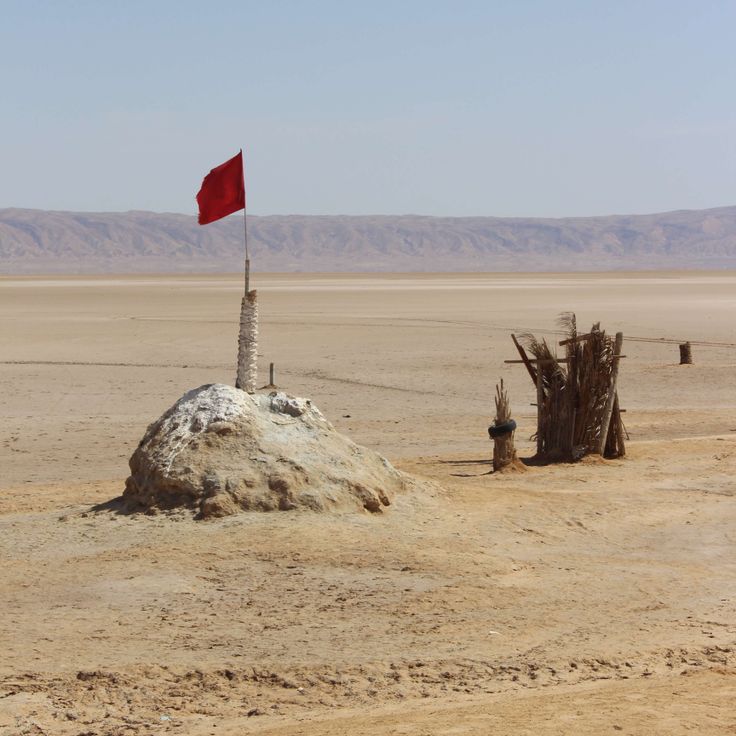
Chott el Djerid near Tozeur is a vast salt lake stretching across a flat plain. The water is shallow and very salty, and its surface shimmers in the sun. On hot days, mirages appear as the air bends above the ground, making the horizon blur and shift. White salt crystals coat parts of the shoreline, giving the landscape an otherworldly quality. This lake is part of the Sahara and shows how varied desert environments can be.
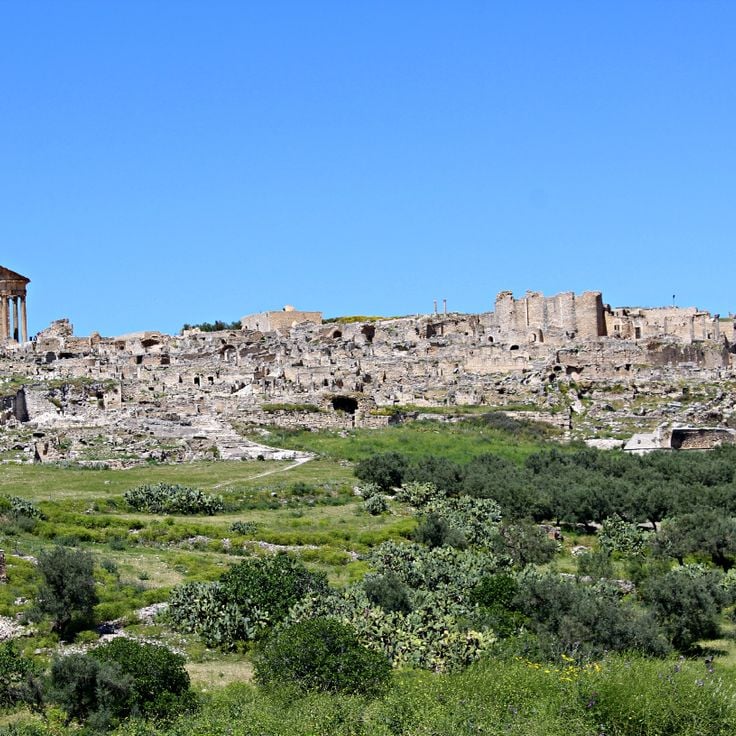
Dougga is the site of an ancient city where you can walk among the ruins left behind by Romans and earlier inhabitants. The remains of theaters, temples, and houses are still visible. Stone walls and fragments tell the story of a place where people once lived, worked, and gathered. The ruins sit on a hillside, and as you explore them, you begin to understand how life unfolded here hundreds of years ago and what made this city matter to the people who built it.
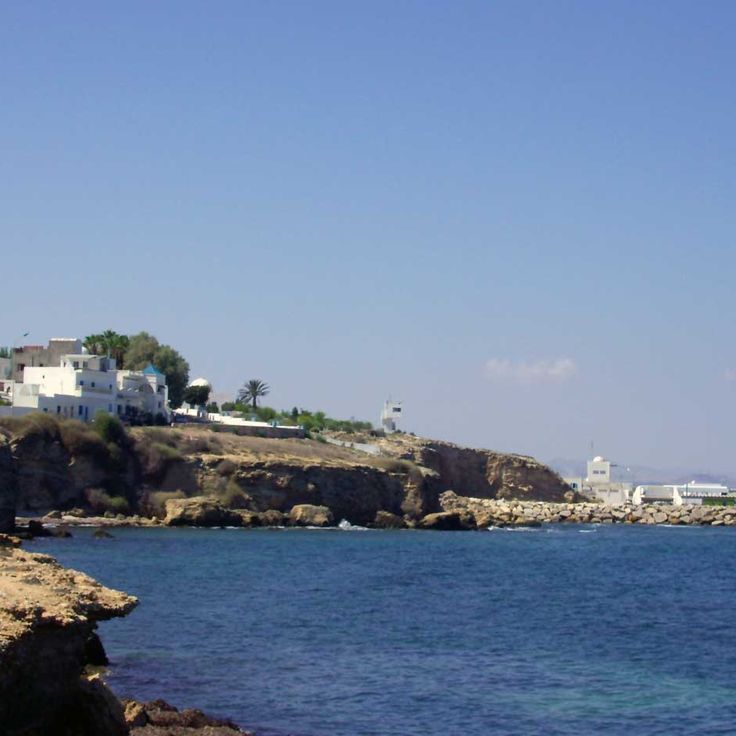
This coastal village in Sousse displays the characteristic architecture of Tunisian seaside towns, with whitewashed walls and blue doors throughout its streets. Narrow alleyways wind through residential areas where daily life unfolds and small shops line the way. The village sits beside the Mediterranean, blending regional history with the everyday rhythms of its residents.
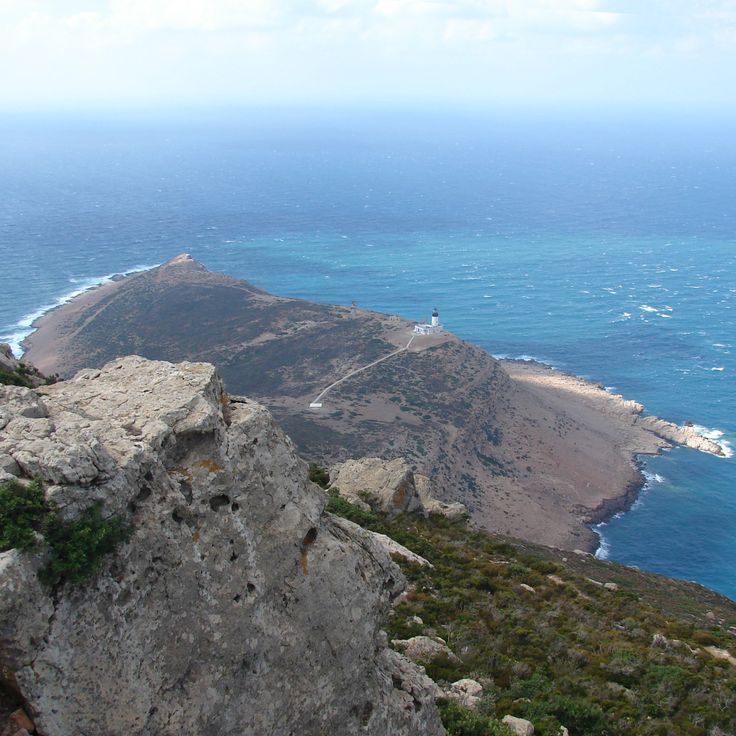
Cap Bon is a peninsula near Nabeul that extends into the Mediterranean Sea. This region attracts visitors with its clear waters and verdant landscapes. You will find sandy beaches here, small fishing villages where life follows the rhythm of the sea, and citrus groves covering the hillsides. People here live by fishing and cultivating fruit, as they have done for generations. The cape offers views of the sea, which appears particularly deep blue in this area, and it is a place where you can see how nature and human activity are intertwined.
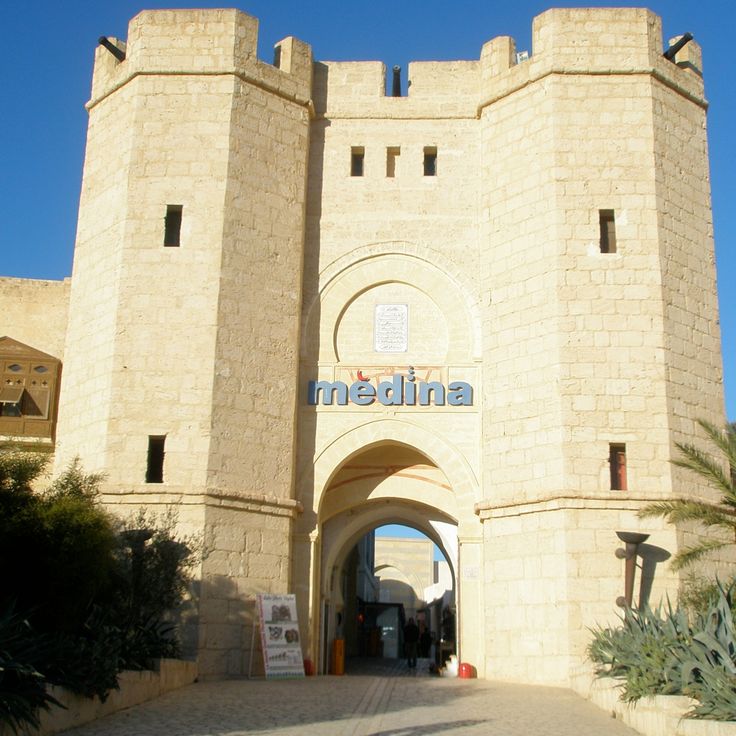
Hammamet's medina is a fortified old town on the Tunisian coast. It displays traditional architecture with white and blue houses, narrow streets, and hidden courtyards. From the walls, you can see the Mediterranean Sea. The medina contains old mosques, craft shops, and spaces where people gather as they have for centuries. Archaeological traces tell the story of this city's long past.
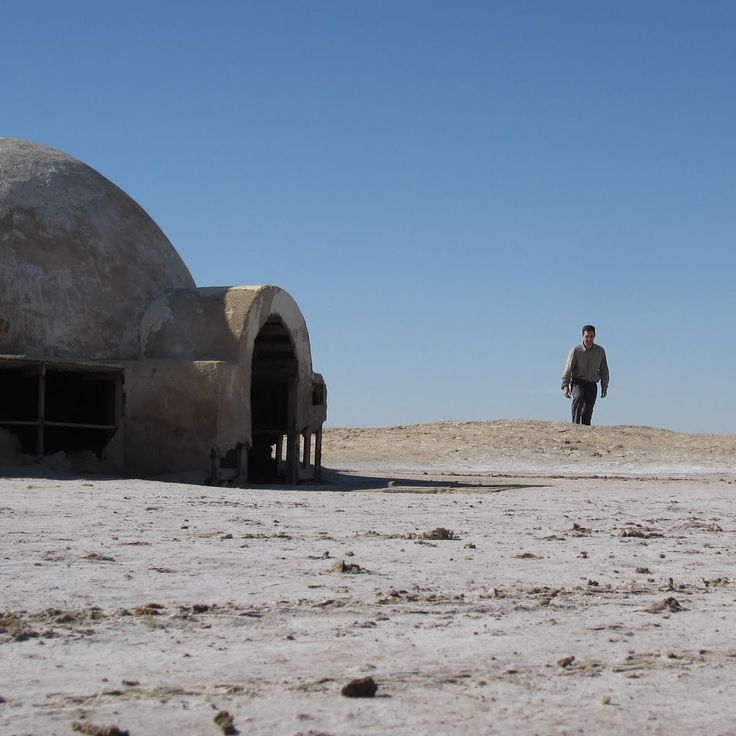
The Star Wars filming location in Tataouine sits in the heart of Tunisia's southern desert landscape. This site was used for scenes from the famous film saga and draws movie enthusiasts from around the world. The structures built for production still stand in the desert today, reminding visitors of the scenes captured here. You can see the sets and props that were specially created, and experience the harsh terrain surrounding them. The location offers a window into filmmaking history and how a major production operated in this remote region.
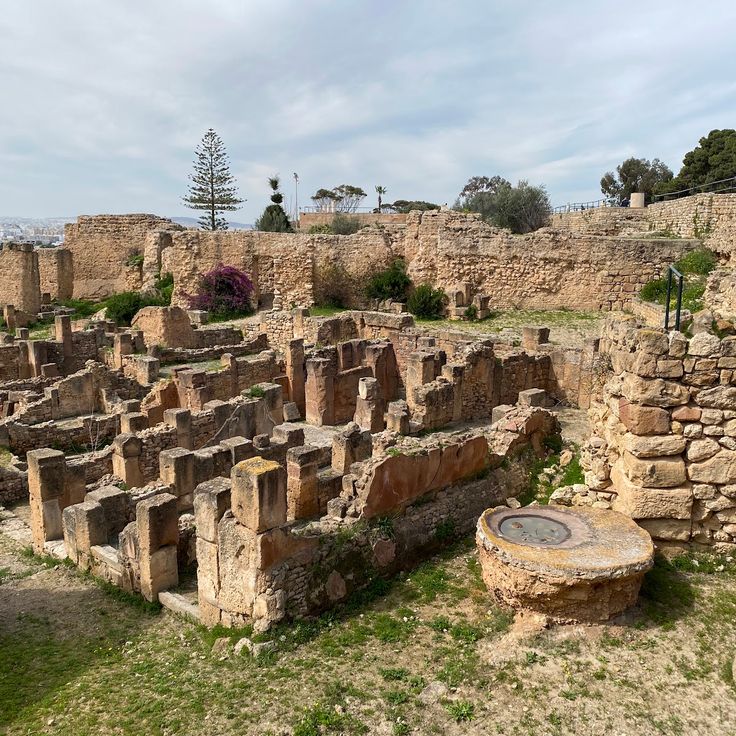
Carthage is a historical site on the coast where you can see the remains of an ancient city. The ruins sit on hillsides overlooking the Mediterranean Sea and tell the story of a time when this city was one of the most powerful in the region. Walking around, you discover foundations of old buildings, mosaics, and statues. The site shows how people lived and worked here thousands of years ago. The mix of history and sea views makes Carthage a place where the past feels present.
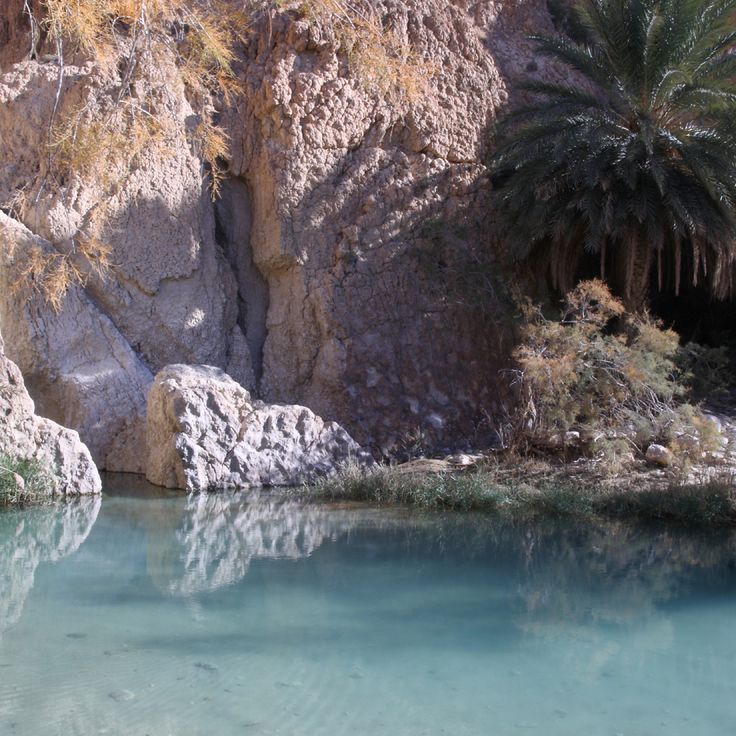
The Chebika mountain oasis in Tamerza is a surprising place in Tunisia's desert landscape. Water flows over rocks here, creating small waterfalls, while palm trees grow in this dry region. This location shows how people and nature live together in harsh conditions. The paths lead through green areas among the stones, and you can see how water makes life possible in the desert. This village is one of the places that demonstrates how Tunisians have lived and built in extreme environments for centuries.
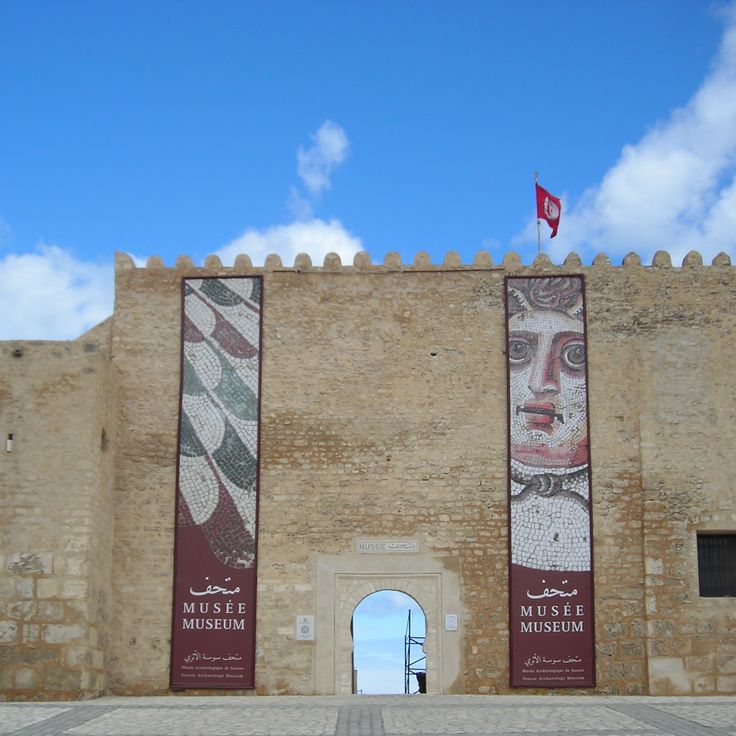
The Archaeological Museum of Sousse holds one of the world's largest collections of mosaics. These mosaics depict scenes of daily life, mythological stories, and religious themes from Roman times. As you walk through the halls, you see how skilled craftsmen once arranged tiny stones into large images. The museum shows you how people in this region lived, what they believed in, and what mattered to them. The mosaics are like windows into the past.
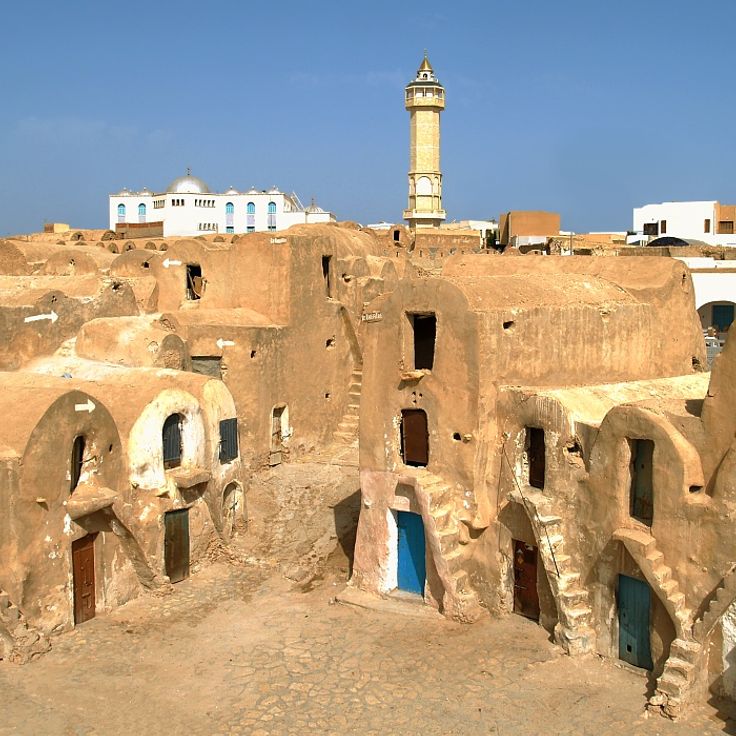
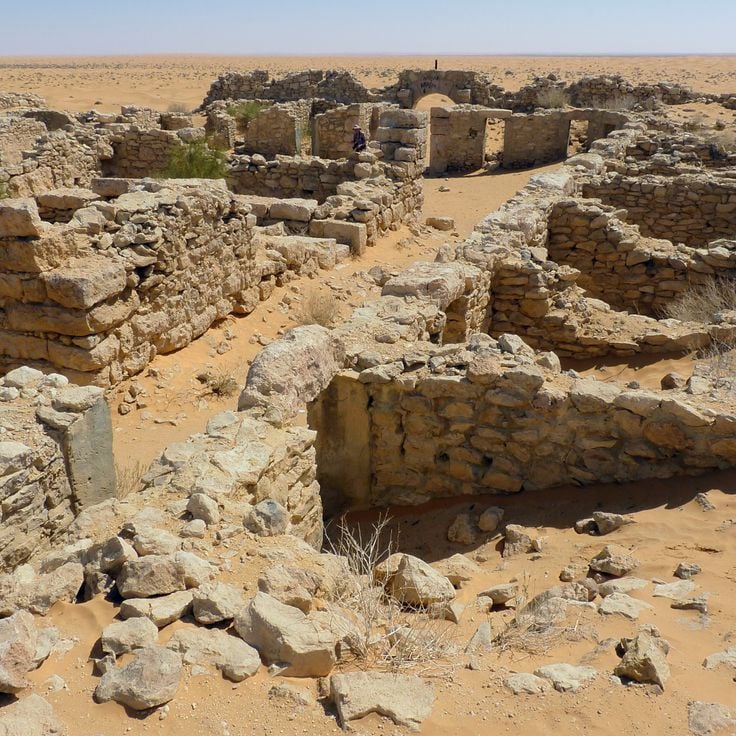
The Ksar of Medenine consists of stacked grain storage structures built into terraces. These buildings were used for centuries by Berber families as warehouses for grain and other goods. The ksar shows how people organized their lives and protected their resources in a practical way. Walking through the narrow passages and seeing the stacked chambers gives you a real sense of how families once managed their daily needs and stored food for the year ahead.
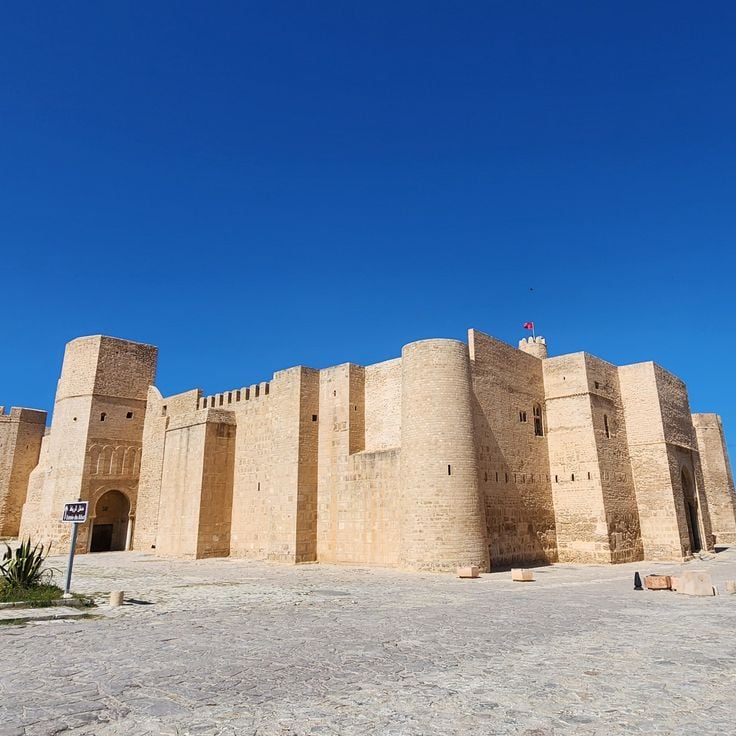
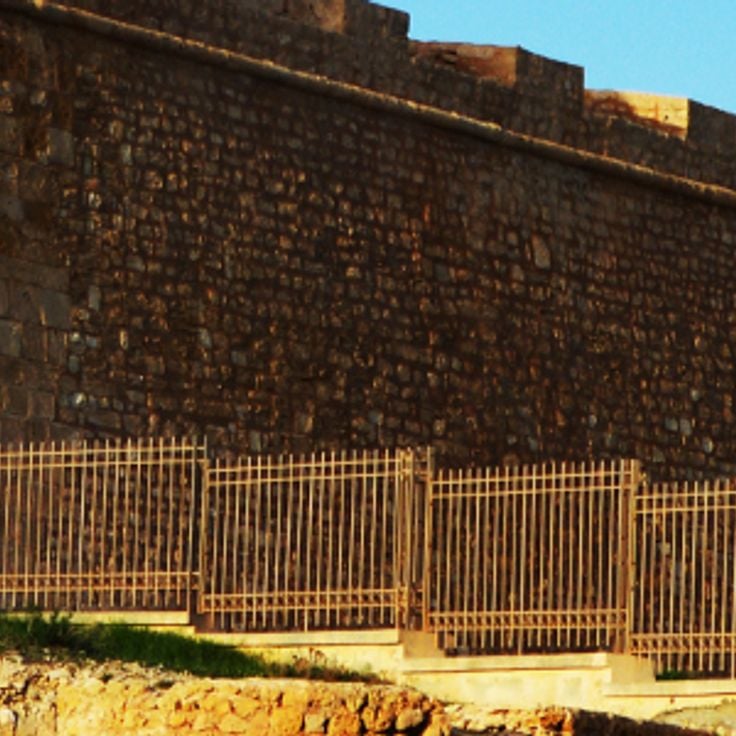
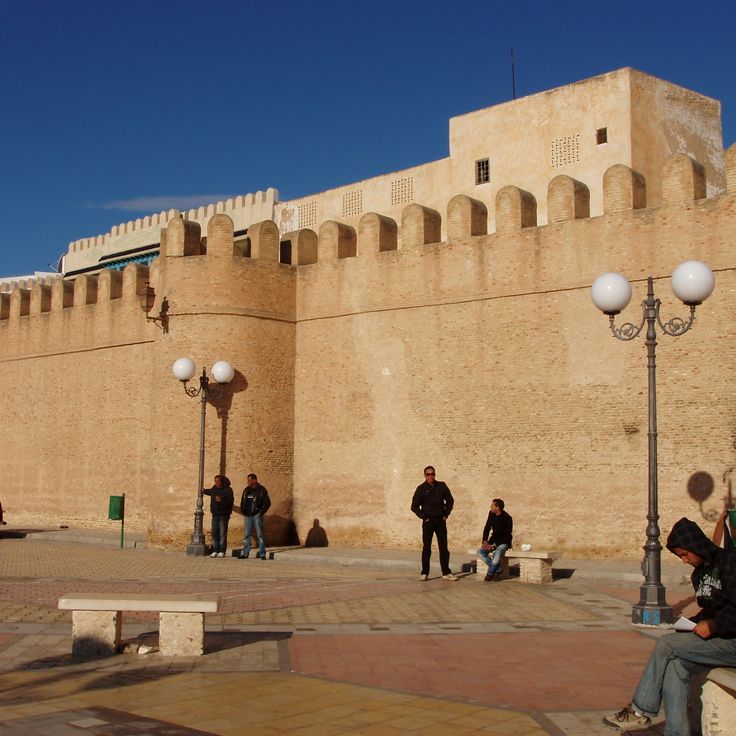
The Ribat of Monastir shows how people in earlier times built structures for both defense and religious purposes. This fortified building sits on the coast and once served as an important post to protect the area. The thick walls and towers reveal the skill of those who constructed it. Walking through its rooms, you sense the practical design meant to withstand attacks and harsh conditions. This site demonstrates the kind of architecture that shaped Tunisia's past and continues to tell its story today.
Lake Ichkeul is an important wetland near Bizerte that the UNESCO recognizes for its rich variety of bird species. The waters of the lake attract thousands of birds, especially during cooler months when migratory birds arrive from the north. The shores are covered with reeds and vegetation that provide birds with places to rest and nest. This lake shows how important natural spaces are for life and how nature works in Tunisia.
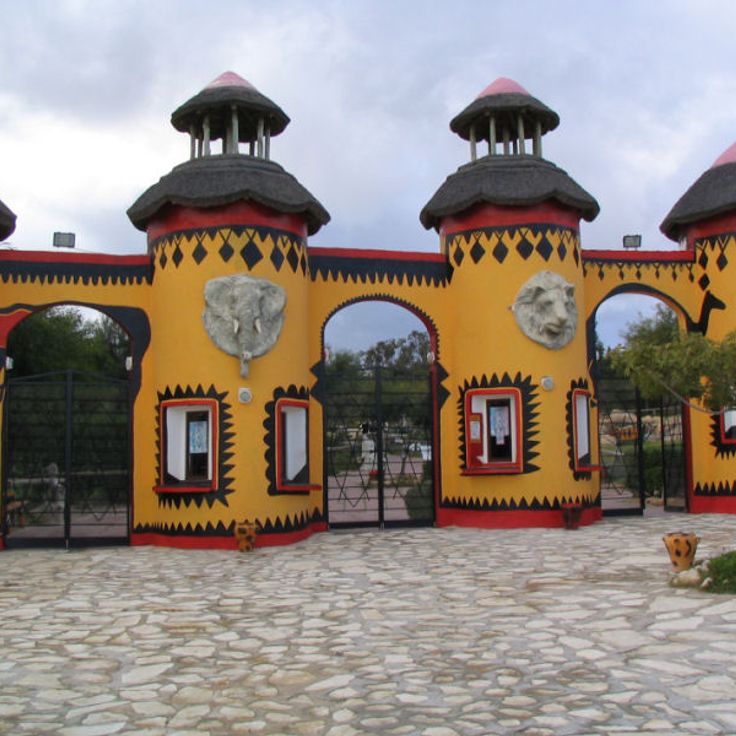
This animal park in Bouficha lets visitors get close to exotic animals from around the world. You can walk through different areas and see various species living in environments that resemble their natural habitats. The park offers something for everyone, from children learning about wildlife to adults interested in conservation. It gives you a real sense of the diversity of animal life.
The Old Town of Mahdia is a historic neighborhood with narrow streets lined with shops displaying local crafts. These winding paths take you through the heart of this ancient quarter, where artisan work remains central to daily life. The shops showcase products and techniques passed down through generations. As you walk through, you can see how people in this coastal city work and interact with one another.
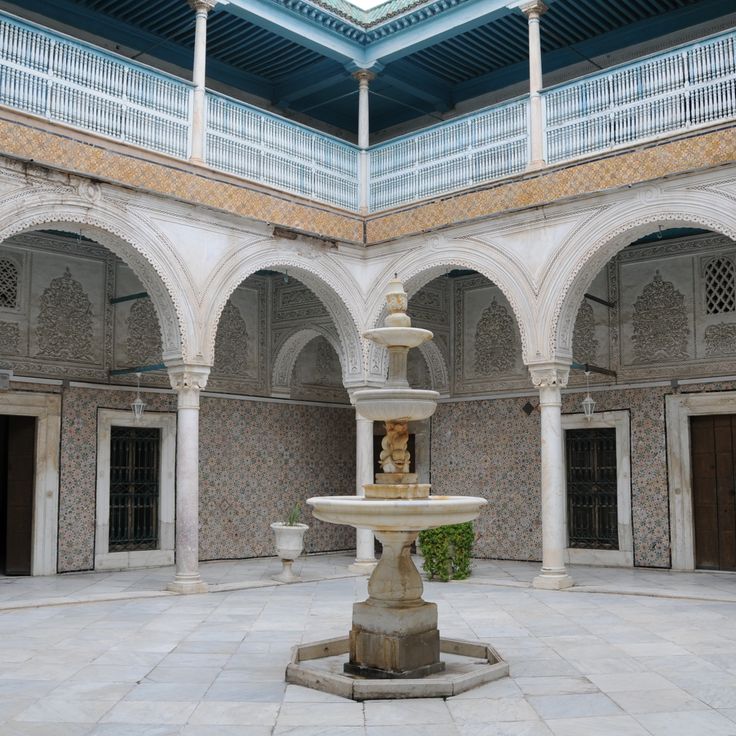
Dar Ben Abdallah in Tunis is a 17th century palace that now serves as a museum. It shows how Tunisians lived in traditional times. The rooms display furniture, clothing, and objects from everyday life. Visitors walk through spaces decorated with colorful wall paintings and tile work. An inner courtyard features a fountain and columns where people could gather. The museum gives you a sense of the customs and way of life that shaped Tunisian culture for centuries.
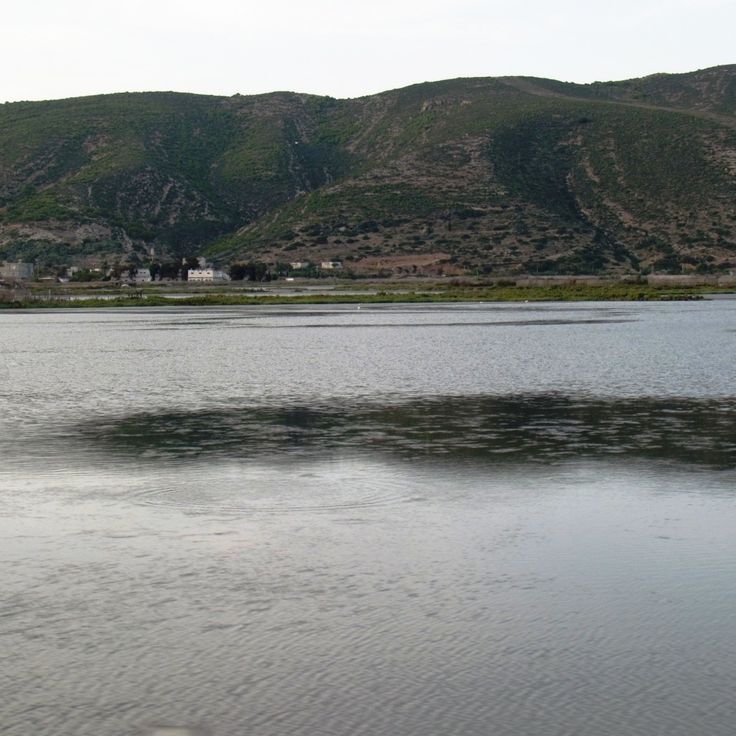
Ghar El Melh Lagoon is a coastal body of water that supports diverse wildlife and is home to an active fishing community. This lagoon shows how the sea and land meet in Tunisia and how people here have made their living from the water for generations. Fishing shapes the rhythm of daily life, and you see boats and nets everywhere. The lagoon also attracts birds and sea creatures that find food and shelter here. It is a place where nature and human work are closely intertwined.
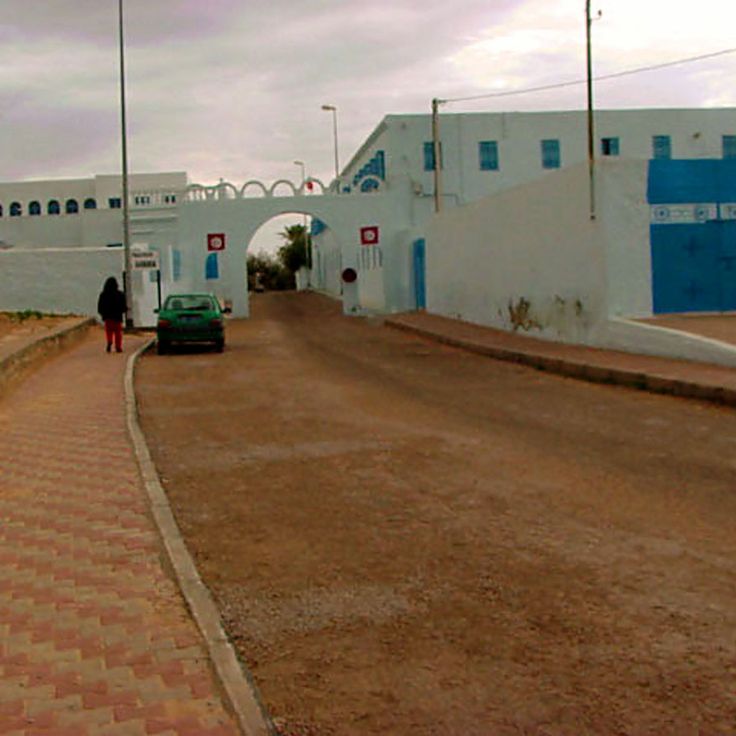
The Synagogue El Ghriba on Djerba is an ancient place of worship that holds great importance for Jewish pilgrims. The building reflects the long history of the Jewish community on the island. Visitors find spaces that have been used for prayer and religious observance for centuries. The architecture and furnishings tell the story of traditions passed down through generations.
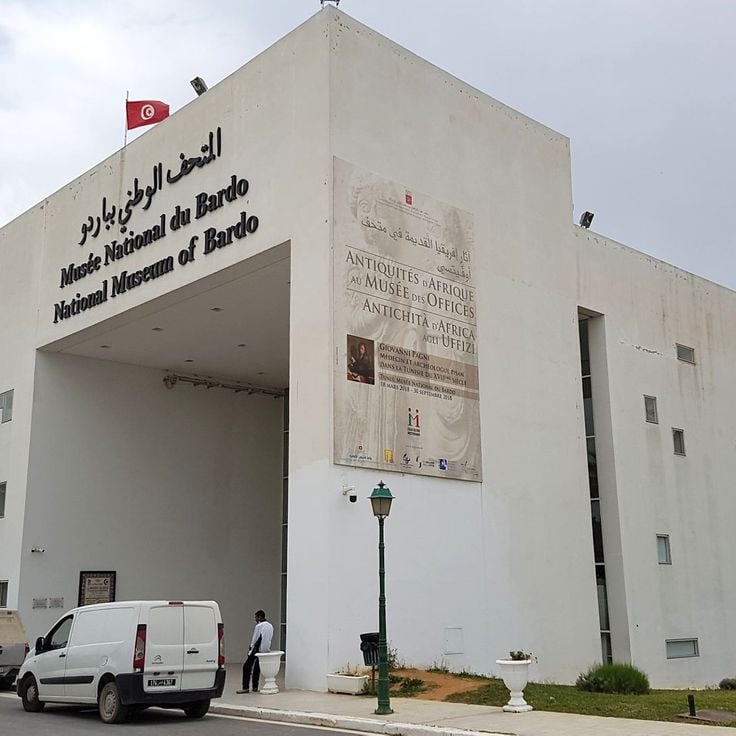
The National Museum of Bardo in Tunis holds art and objects from different periods of Tunisian history. You will find mosaics, sculptures, and other pieces that show how people lived here from Roman times through the Islamic period. The collection tells stories of the communities that once inhabited this region and how they created their worlds. Walking through the rooms gives you a sense of how layered and varied the past of this country really is.
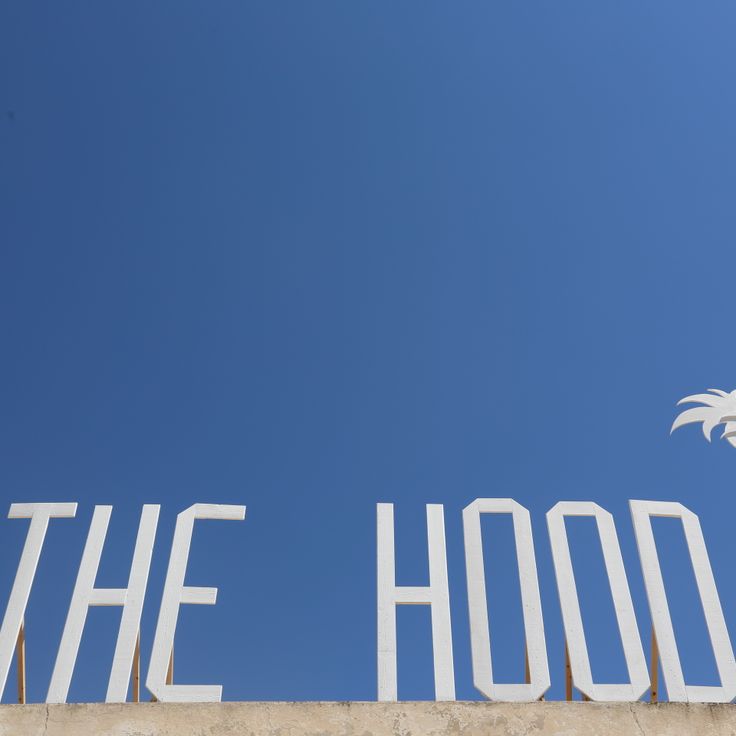
Djerbahood is a location on Djerba where artists from around the world have created artwork on buildings and walls outdoors. Colorful murals cover the streets and structures throughout the site. This artistic space shows how international creators have shaped the island and transformed a traditional village through contemporary artistic expression. Walking through the streets, visitors can discover the different styles and techniques used by the artists who worked here.
Hergla is a coastal village with traditional houses built close together facing the sea. The houses here have white walls and narrow streets that lead down to the water. Fishing remains central to daily life, and you can see boats pulled up on the beach. The village has a simple, timeless character that shows how people have lived along this coast for centuries.
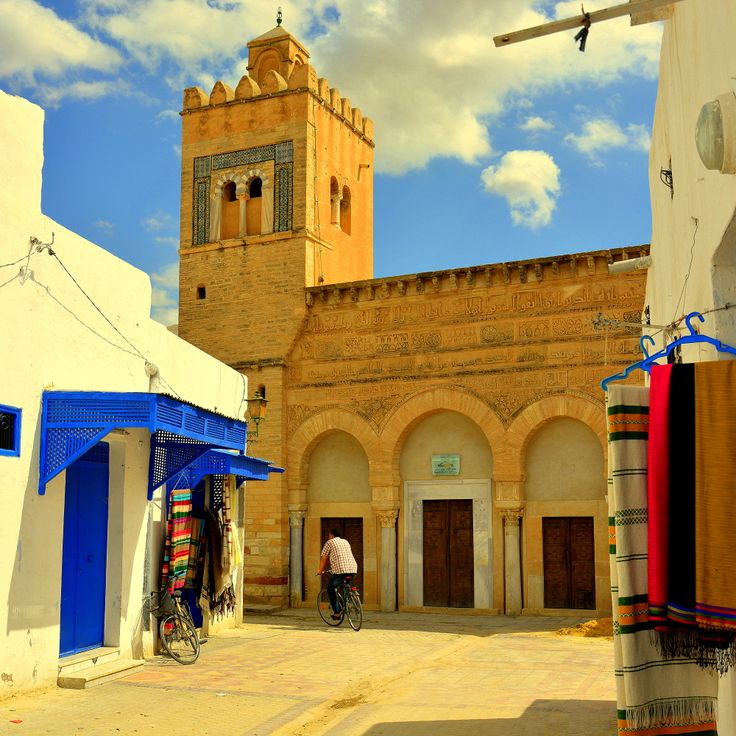
The Mosque of the Three Doors in Kairouan stands out for its three carefully crafted entrance doors. Built with skilled stonework and woodwork, this mosque shows how artisans worked in earlier centuries. Walking through this site, you notice the attention to detail in every part of the structure. It sits within the old city and reflects the religious life and building traditions that have shaped Kairouan over time.
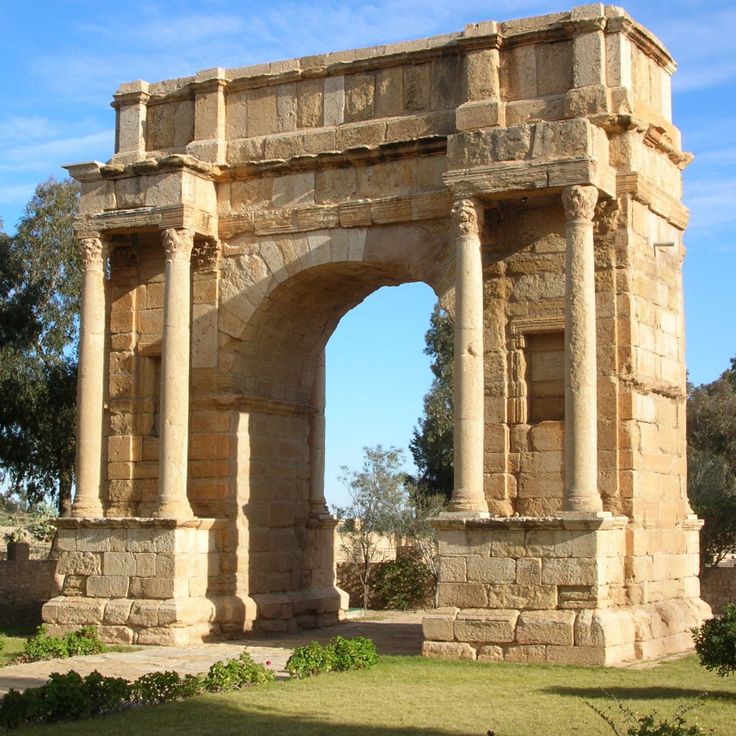
The Uthina archaeological site preserves the remains of a Roman city whose structure has survived through the centuries. Walking through this place, you encounter ruins that show how people lived and built 2000 years ago. The site was once an important trading hub, and the standing walls and building foundations still reveal details of daily life from that era. You can see how the city was organized and what mattered to the people who lived here.
Ksar Ghilane oasis sits in southern Tunisia and shows how life thrives in the Sahara desert. Hot springs feed this green island surrounded by sand, where palm trees provide shade and water flows cool and clear. Visitors come to ride camels across the dunes and soak in natural hot pools that bubble up from deep underground. The place brings together the harsh beauty of the desert with the comfort of a working oasis.
The medina of Kairouan contains many historical sites that reflect the development of Islamic culture. Its narrow streets are lined with old houses built around courtyards, mosques, and markets where craftspeople sell their wares. Walking through these passages, you see how people live and work in spaces that have existed for centuries. The architecture shows the traditions and ways of life that shaped this important city.
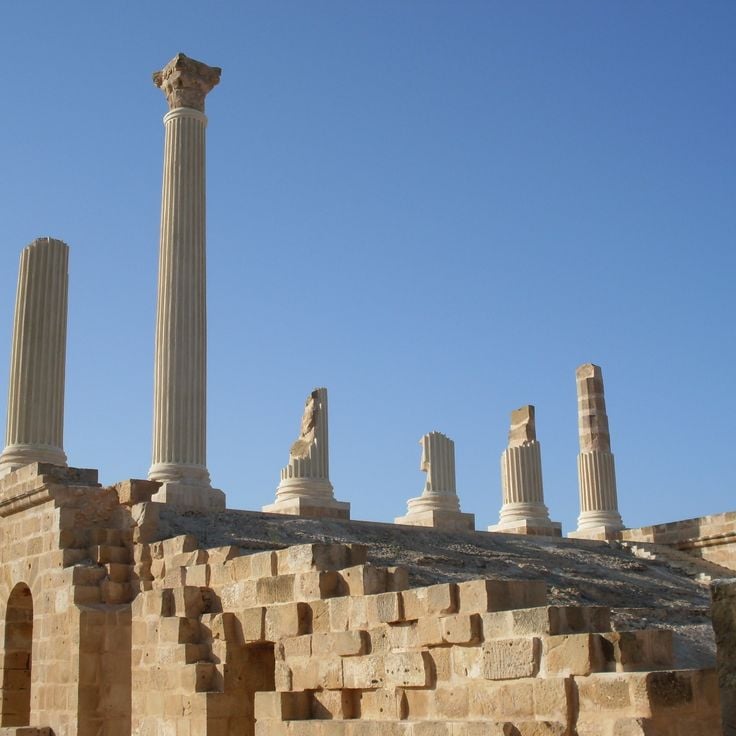
The ancient Roman city of Sbeitla was once an important administrative center. Today, visitors find a large forum and several well-preserved temples from Roman times. The ruins show how the city was organized and how people lived there. You can walk through old streets and see the foundations of buildings constructed many centuries ago. The temples impress with their size and architectural style. This place tells the story of a thriving Roman settlement in North Africa.
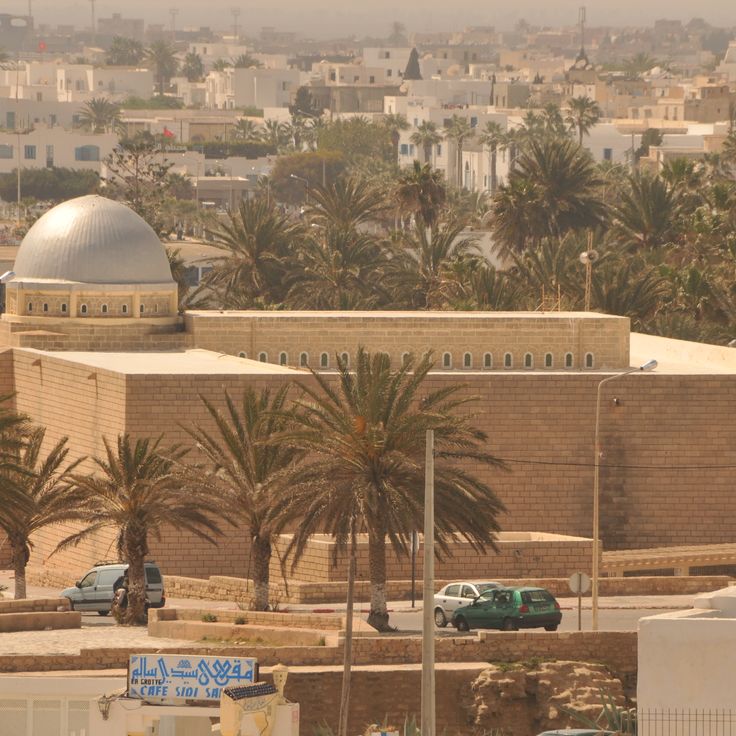
The Great Mosque of Mahdia is a historic building with distinctive Fatimid-era architecture. It stands in the coastal city of Mahdia and shows the building style that has inspired people across centuries. When you walk through its spaces, you notice the craftsmanship and the intentions of those who created it. The mosque is a place where you feel Tunisia's history directly and understand how important this site is to the people living there.
The amphitheater of El Djem is a Roman structure from the 3rd century that rises over three levels with arcades reaching 35 meters in height. This building shows the construction skills of the Romans and was once a place where people gathered for events and entertainment. The structure still stands today, allowing visitors to imagine the life of that era. Walking through the passages, you can see the details of how it was built and understand the engineering knowledge of those ancient builders.
Sidi Bou Saïd is a village perched on a hilltop overlooking the sea. The houses have white walls and blue doors and windows that catch the light. Narrow streets wind between the buildings, and from many corners you can see the water below. People here move through their days at a gentle pace, and craftspeople sell their goods in small shops. The village shows how people have lived on this coast for centuries.
The Medina of Tunis is the historic core of the city, with narrow streets that wind like a maze through the old quarters. Here you find mosques with their distinctive minarets, palaces showing detailed craftsmanship, and bustling souks where merchants display their goods. Many buildings date from the 12th century and beyond, revealing layers of architecture built over generations. Walking through the Medina, you encounter whitewashed and blue-painted facades, hear merchants calling out, and smell spices and leather. This is where daily life has unfolded in much the same way for centuries, with people gathering in public squares and workshops operating in small rooms along the street.
The Great Mosque of Kairouan has been a center of Islamic faith for more than 1300 years. This building shows a remarkable blend of architectural styles that developed over many centuries. The courtyard is surrounded by columns taken from ancient temples, and the minaret rises above the city. Inside, the many columns and the mihrab with its detailed patterns create a sense of depth and movement. This structure tells the story of North Africa through its stones and designs.
Matmata is a village built in a way unlike most places. The homes here are dug down into the ground rather than built on top of it. These underground houses stay cool in summer and warm in winter. The village shows how people in this region have lived for centuries, adapting to the hot climate and harsh conditions of southern Tunisia. Walking through Matmata, you see deep courtyards carved into the earth and doorways that lead downward into homes. It is a place where you can understand how people have shaped their houses to suit their surroundings.
The Aqueduc de Zaghouan is a Roman aqueduct whose remains stand in a natural setting. This structure shows how the Romans transported water across long distances using advanced engineering techniques. The aqueduct sits within Zaghouan's landscape and reveals how essential water systems were to ancient cities. Visitors can observe the construction and design of this ancient engineering achievement and learn about its importance to the region's history.
Chott el Djerid near Tozeur is a vast salt lake stretching across a flat plain. The water is shallow and very salty, and its surface shimmers in the sun. On hot days, mirages appear as the air bends above the ground, making the horizon blur and shift. White salt crystals coat parts of the shoreline, giving the landscape an otherworldly quality. This lake is part of the Sahara and shows how varied desert environments can be.
Dougga is the site of an ancient city where you can walk among the ruins left behind by Romans and earlier inhabitants. The remains of theaters, temples, and houses are still visible. Stone walls and fragments tell the story of a place where people once lived, worked, and gathered. The ruins sit on a hillside, and as you explore them, you begin to understand how life unfolded here hundreds of years ago and what made this city matter to the people who built it.
This coastal village in Sousse displays the characteristic architecture of Tunisian seaside towns, with whitewashed walls and blue doors throughout its streets. Narrow alleyways wind through residential areas where daily life unfolds and small shops line the way. The village sits beside the Mediterranean, blending regional history with the everyday rhythms of its residents.
Cap Bon is a peninsula near Nabeul that extends into the Mediterranean Sea. This region attracts visitors with its clear waters and verdant landscapes. You will find sandy beaches here, small fishing villages where life follows the rhythm of the sea, and citrus groves covering the hillsides. People here live by fishing and cultivating fruit, as they have done for generations. The cape offers views of the sea, which appears particularly deep blue in this area, and it is a place where you can see how nature and human activity are intertwined.
Hammamet's medina is a fortified old town on the Tunisian coast. It displays traditional architecture with white and blue houses, narrow streets, and hidden courtyards. From the walls, you can see the Mediterranean Sea. The medina contains old mosques, craft shops, and spaces where people gather as they have for centuries. Archaeological traces tell the story of this city's long past.
The Star Wars filming location in Tataouine sits in the heart of Tunisia's southern desert landscape. This site was used for scenes from the famous film saga and draws movie enthusiasts from around the world. The structures built for production still stand in the desert today, reminding visitors of the scenes captured here. You can see the sets and props that were specially created, and experience the harsh terrain surrounding them. The location offers a window into filmmaking history and how a major production operated in this remote region.
Carthage is a historical site on the coast where you can see the remains of an ancient city. The ruins sit on hillsides overlooking the Mediterranean Sea and tell the story of a time when this city was one of the most powerful in the region. Walking around, you discover foundations of old buildings, mosaics, and statues. The site shows how people lived and worked here thousands of years ago. The mix of history and sea views makes Carthage a place where the past feels present.
The Chebika mountain oasis in Tamerza is a surprising place in Tunisia's desert landscape. Water flows over rocks here, creating small waterfalls, while palm trees grow in this dry region. This location shows how people and nature live together in harsh conditions. The paths lead through green areas among the stones, and you can see how water makes life possible in the desert. This village is one of the places that demonstrates how Tunisians have lived and built in extreme environments for centuries.
The Archaeological Museum of Sousse holds one of the world's largest collections of mosaics. These mosaics depict scenes of daily life, mythological stories, and religious themes from Roman times. As you walk through the halls, you see how skilled craftsmen once arranged tiny stones into large images. The museum shows you how people in this region lived, what they believed in, and what mattered to them. The mosaics are like windows into the past.
The Ksar of Medenine consists of stacked grain storage structures built into terraces. These buildings were used for centuries by Berber families as warehouses for grain and other goods. The ksar shows how people organized their lives and protected their resources in a practical way. Walking through the narrow passages and seeing the stacked chambers gives you a real sense of how families once managed their daily needs and stored food for the year ahead.
The Ribat of Monastir shows how people in earlier times built structures for both defense and religious purposes. This fortified building sits on the coast and once served as an important post to protect the area. The thick walls and towers reveal the skill of those who constructed it. Walking through its rooms, you sense the practical design meant to withstand attacks and harsh conditions. This site demonstrates the kind of architecture that shaped Tunisia's past and continues to tell its story today.
Lake Ichkeul is an important wetland near Bizerte that the UNESCO recognizes for its rich variety of bird species. The waters of the lake attract thousands of birds, especially during cooler months when migratory birds arrive from the north. The shores are covered with reeds and vegetation that provide birds with places to rest and nest. This lake shows how important natural spaces are for life and how nature works in Tunisia.
This animal park in Bouficha lets visitors get close to exotic animals from around the world. You can walk through different areas and see various species living in environments that resemble their natural habitats. The park offers something for everyone, from children learning about wildlife to adults interested in conservation. It gives you a real sense of the diversity of animal life.
The Old Town of Mahdia is a historic neighborhood with narrow streets lined with shops displaying local crafts. These winding paths take you through the heart of this ancient quarter, where artisan work remains central to daily life. The shops showcase products and techniques passed down through generations. As you walk through, you can see how people in this coastal city work and interact with one another.
Dar Ben Abdallah in Tunis is a 17th century palace that now serves as a museum. It shows how Tunisians lived in traditional times. The rooms display furniture, clothing, and objects from everyday life. Visitors walk through spaces decorated with colorful wall paintings and tile work. An inner courtyard features a fountain and columns where people could gather. The museum gives you a sense of the customs and way of life that shaped Tunisian culture for centuries.
Ghar El Melh Lagoon is a coastal body of water that supports diverse wildlife and is home to an active fishing community. This lagoon shows how the sea and land meet in Tunisia and how people here have made their living from the water for generations. Fishing shapes the rhythm of daily life, and you see boats and nets everywhere. The lagoon also attracts birds and sea creatures that find food and shelter here. It is a place where nature and human work are closely intertwined.
The Synagogue El Ghriba on Djerba is an ancient place of worship that holds great importance for Jewish pilgrims. The building reflects the long history of the Jewish community on the island. Visitors find spaces that have been used for prayer and religious observance for centuries. The architecture and furnishings tell the story of traditions passed down through generations.
The National Museum of Bardo in Tunis holds art and objects from different periods of Tunisian history. You will find mosaics, sculptures, and other pieces that show how people lived here from Roman times through the Islamic period. The collection tells stories of the communities that once inhabited this region and how they created their worlds. Walking through the rooms gives you a sense of how layered and varied the past of this country really is.
Djerbahood is a location on Djerba where artists from around the world have created artwork on buildings and walls outdoors. Colorful murals cover the streets and structures throughout the site. This artistic space shows how international creators have shaped the island and transformed a traditional village through contemporary artistic expression. Walking through the streets, visitors can discover the different styles and techniques used by the artists who worked here.
Hergla is a coastal village with traditional houses built close together facing the sea. The houses here have white walls and narrow streets that lead down to the water. Fishing remains central to daily life, and you can see boats pulled up on the beach. The village has a simple, timeless character that shows how people have lived along this coast for centuries.
The Mosque of the Three Doors in Kairouan stands out for its three carefully crafted entrance doors. Built with skilled stonework and woodwork, this mosque shows how artisans worked in earlier centuries. Walking through this site, you notice the attention to detail in every part of the structure. It sits within the old city and reflects the religious life and building traditions that have shaped Kairouan over time.
The Uthina archaeological site preserves the remains of a Roman city whose structure has survived through the centuries. Walking through this place, you encounter ruins that show how people lived and built 2000 years ago. The site was once an important trading hub, and the standing walls and building foundations still reveal details of daily life from that era. You can see how the city was organized and what mattered to the people who lived here.
Ksar Ghilane oasis sits in southern Tunisia and shows how life thrives in the Sahara desert. Hot springs feed this green island surrounded by sand, where palm trees provide shade and water flows cool and clear. Visitors come to ride camels across the dunes and soak in natural hot pools that bubble up from deep underground. The place brings together the harsh beauty of the desert with the comfort of a working oasis.
The medina of Kairouan contains many historical sites that reflect the development of Islamic culture. Its narrow streets are lined with old houses built around courtyards, mosques, and markets where craftspeople sell their wares. Walking through these passages, you see how people live and work in spaces that have existed for centuries. The architecture shows the traditions and ways of life that shaped this important city.
The ancient Roman city of Sbeitla was once an important administrative center. Today, visitors find a large forum and several well-preserved temples from Roman times. The ruins show how the city was organized and how people lived there. You can walk through old streets and see the foundations of buildings constructed many centuries ago. The temples impress with their size and architectural style. This place tells the story of a thriving Roman settlement in North Africa.
The Great Mosque of Mahdia is a historic building with distinctive Fatimid-era architecture. It stands in the coastal city of Mahdia and shows the building style that has inspired people across centuries. When you walk through its spaces, you notice the craftsmanship and the intentions of those who created it. The mosque is a place where you feel Tunisia's history directly and understand how important this site is to the people living there.
The amphitheater of El Djem is a Roman structure from the 3rd century that rises over three levels with arcades reaching 35 meters in height. This building shows the construction skills of the Romans and was once a place where people gathered for events and entertainment. The structure still stands today, allowing visitors to imagine the life of that era. Walking through the passages, you can see the details of how it was built and understand the engineering knowledge of those ancient builders.
Sidi Bou Saïd is a village perched on a hilltop overlooking the sea. The houses have white walls and blue doors and windows that catch the light. Narrow streets wind between the buildings, and from many corners you can see the water below. People here move through their days at a gentle pace, and craftspeople sell their goods in small shops. The village shows how people have lived on this coast for centuries.
The Medina of Tunis is the historic core of the city, with narrow streets that wind like a maze through the old quarters. Here you find mosques with their distinctive minarets, palaces showing detailed craftsmanship, and bustling souks where merchants display their goods. Many buildings date from the 12th century and beyond, revealing layers of architecture built over generations. Walking through the Medina, you encounter whitewashed and blue-painted facades, hear merchants calling out, and smell spices and leather. This is where daily life has unfolded in much the same way for centuries, with people gathering in public squares and workshops operating in small rooms along the street.
The Great Mosque of Kairouan has been a center of Islamic faith for more than 1300 years. This building shows a remarkable blend of architectural styles that developed over many centuries. The courtyard is surrounded by columns taken from ancient temples, and the minaret rises above the city. Inside, the many columns and the mihrab with its detailed patterns create a sense of depth and movement. This structure tells the story of North Africa through its stones and designs.
Matmata is a village built in a way unlike most places. The homes here are dug down into the ground rather than built on top of it. These underground houses stay cool in summer and warm in winter. The village shows how people in this region have lived for centuries, adapting to the hot climate and harsh conditions of southern Tunisia. Walking through Matmata, you see deep courtyards carved into the earth and doorways that lead downward into homes. It is a place where you can understand how people have shaped their houses to suit their surroundings.
The Aqueduc de Zaghouan is a Roman aqueduct whose remains stand in a natural setting. This structure shows how the Romans transported water across long distances using advanced engineering techniques. The aqueduct sits within Zaghouan's landscape and reveals how essential water systems were to ancient cities. Visitors can observe the construction and design of this ancient engineering achievement and learn about its importance to the region's history.
Chott el Djerid near Tozeur is a vast salt lake stretching across a flat plain. The water is shallow and very salty, and its surface shimmers in the sun. On hot days, mirages appear as the air bends above the ground, making the horizon blur and shift. White salt crystals coat parts of the shoreline, giving the landscape an otherworldly quality. This lake is part of the Sahara and shows how varied desert environments can be.
Dougga is the site of an ancient city where you can walk among the ruins left behind by Romans and earlier inhabitants. The remains of theaters, temples, and houses are still visible. Stone walls and fragments tell the story of a place where people once lived, worked, and gathered. The ruins sit on a hillside, and as you explore them, you begin to understand how life unfolded here hundreds of years ago and what made this city matter to the people who built it.
This coastal village in Sousse displays the characteristic architecture of Tunisian seaside towns, with whitewashed walls and blue doors throughout its streets. Narrow alleyways wind through residential areas where daily life unfolds and small shops line the way. The village sits beside the Mediterranean, blending regional history with the everyday rhythms of its residents.
Cap Bon is a peninsula near Nabeul that extends into the Mediterranean Sea. This region attracts visitors with its clear waters and verdant landscapes. You will find sandy beaches here, small fishing villages where life follows the rhythm of the sea, and citrus groves covering the hillsides. People here live by fishing and cultivating fruit, as they have done for generations. The cape offers views of the sea, which appears particularly deep blue in this area, and it is a place where you can see how nature and human activity are intertwined.
Hammamet's medina is a fortified old town on the Tunisian coast. It displays traditional architecture with white and blue houses, narrow streets, and hidden courtyards. From the walls, you can see the Mediterranean Sea. The medina contains old mosques, craft shops, and spaces where people gather as they have for centuries. Archaeological traces tell the story of this city's long past.
The Star Wars filming location in Tataouine sits in the heart of Tunisia's southern desert landscape. This site was used for scenes from the famous film saga and draws movie enthusiasts from around the world. The structures built for production still stand in the desert today, reminding visitors of the scenes captured here. You can see the sets and props that were specially created, and experience the harsh terrain surrounding them. The location offers a window into filmmaking history and how a major production operated in this remote region.
Carthage is a historical site on the coast where you can see the remains of an ancient city. The ruins sit on hillsides overlooking the Mediterranean Sea and tell the story of a time when this city was one of the most powerful in the region. Walking around, you discover foundations of old buildings, mosaics, and statues. The site shows how people lived and worked here thousands of years ago. The mix of history and sea views makes Carthage a place where the past feels present.
The Chebika mountain oasis in Tamerza is a surprising place in Tunisia's desert landscape. Water flows over rocks here, creating small waterfalls, while palm trees grow in this dry region. This location shows how people and nature live together in harsh conditions. The paths lead through green areas among the stones, and you can see how water makes life possible in the desert. This village is one of the places that demonstrates how Tunisians have lived and built in extreme environments for centuries.
The Archaeological Museum of Sousse holds one of the world's largest collections of mosaics. These mosaics depict scenes of daily life, mythological stories, and religious themes from Roman times. As you walk through the halls, you see how skilled craftsmen once arranged tiny stones into large images. The museum shows you how people in this region lived, what they believed in, and what mattered to them. The mosaics are like windows into the past.
The Ksar of Medenine consists of stacked grain storage structures built into terraces. These buildings were used for centuries by Berber families as warehouses for grain and other goods. The ksar shows how people organized their lives and protected their resources in a practical way. Walking through the narrow passages and seeing the stacked chambers gives you a real sense of how families once managed their daily needs and stored food for the year ahead.
The Ribat of Monastir shows how people in earlier times built structures for both defense and religious purposes. This fortified building sits on the coast and once served as an important post to protect the area. The thick walls and towers reveal the skill of those who constructed it. Walking through its rooms, you sense the practical design meant to withstand attacks and harsh conditions. This site demonstrates the kind of architecture that shaped Tunisia's past and continues to tell its story today.
Lake Ichkeul is an important wetland near Bizerte that the UNESCO recognizes for its rich variety of bird species. The waters of the lake attract thousands of birds, especially during cooler months when migratory birds arrive from the north. The shores are covered with reeds and vegetation that provide birds with places to rest and nest. This lake shows how important natural spaces are for life and how nature works in Tunisia.
This animal park in Bouficha lets visitors get close to exotic animals from around the world. You can walk through different areas and see various species living in environments that resemble their natural habitats. The park offers something for everyone, from children learning about wildlife to adults interested in conservation. It gives you a real sense of the diversity of animal life.
The Old Town of Mahdia is a historic neighborhood with narrow streets lined with shops displaying local crafts. These winding paths take you through the heart of this ancient quarter, where artisan work remains central to daily life. The shops showcase products and techniques passed down through generations. As you walk through, you can see how people in this coastal city work and interact with one another.
Dar Ben Abdallah in Tunis is a 17th century palace that now serves as a museum. It shows how Tunisians lived in traditional times. The rooms display furniture, clothing, and objects from everyday life. Visitors walk through spaces decorated with colorful wall paintings and tile work. An inner courtyard features a fountain and columns where people could gather. The museum gives you a sense of the customs and way of life that shaped Tunisian culture for centuries.
Ghar El Melh Lagoon is a coastal body of water that supports diverse wildlife and is home to an active fishing community. This lagoon shows how the sea and land meet in Tunisia and how people here have made their living from the water for generations. Fishing shapes the rhythm of daily life, and you see boats and nets everywhere. The lagoon also attracts birds and sea creatures that find food and shelter here. It is a place where nature and human work are closely intertwined.
The Synagogue El Ghriba on Djerba is an ancient place of worship that holds great importance for Jewish pilgrims. The building reflects the long history of the Jewish community on the island. Visitors find spaces that have been used for prayer and religious observance for centuries. The architecture and furnishings tell the story of traditions passed down through generations.
The National Museum of Bardo in Tunis holds art and objects from different periods of Tunisian history. You will find mosaics, sculptures, and other pieces that show how people lived here from Roman times through the Islamic period. The collection tells stories of the communities that once inhabited this region and how they created their worlds. Walking through the rooms gives you a sense of how layered and varied the past of this country really is.
Djerbahood is a location on Djerba where artists from around the world have created artwork on buildings and walls outdoors. Colorful murals cover the streets and structures throughout the site. This artistic space shows how international creators have shaped the island and transformed a traditional village through contemporary artistic expression. Walking through the streets, visitors can discover the different styles and techniques used by the artists who worked here.
Hergla is a coastal village with traditional houses built close together facing the sea. The houses here have white walls and narrow streets that lead down to the water. Fishing remains central to daily life, and you can see boats pulled up on the beach. The village has a simple, timeless character that shows how people have lived along this coast for centuries.
The Mosque of the Three Doors in Kairouan stands out for its three carefully crafted entrance doors. Built with skilled stonework and woodwork, this mosque shows how artisans worked in earlier centuries. Walking through this site, you notice the attention to detail in every part of the structure. It sits within the old city and reflects the religious life and building traditions that have shaped Kairouan over time.
The Uthina archaeological site preserves the remains of a Roman city whose structure has survived through the centuries. Walking through this place, you encounter ruins that show how people lived and built 2000 years ago. The site was once an important trading hub, and the standing walls and building foundations still reveal details of daily life from that era. You can see how the city was organized and what mattered to the people who lived here.
Ksar Ghilane oasis sits in southern Tunisia and shows how life thrives in the Sahara desert. Hot springs feed this green island surrounded by sand, where palm trees provide shade and water flows cool and clear. Visitors come to ride camels across the dunes and soak in natural hot pools that bubble up from deep underground. The place brings together the harsh beauty of the desert with the comfort of a working oasis.
The medina of Kairouan contains many historical sites that reflect the development of Islamic culture. Its narrow streets are lined with old houses built around courtyards, mosques, and markets where craftspeople sell their wares. Walking through these passages, you see how people live and work in spaces that have existed for centuries. The architecture shows the traditions and ways of life that shaped this important city.
The ancient Roman city of Sbeitla was once an important administrative center. Today, visitors find a large forum and several well-preserved temples from Roman times. The ruins show how the city was organized and how people lived there. You can walk through old streets and see the foundations of buildings constructed many centuries ago. The temples impress with their size and architectural style. This place tells the story of a thriving Roman settlement in North Africa.
The Great Mosque of Mahdia is a historic building with distinctive Fatimid-era architecture. It stands in the coastal city of Mahdia and shows the building style that has inspired people across centuries. When you walk through its spaces, you notice the craftsmanship and the intentions of those who created it. The mosque is a place where you feel Tunisia's history directly and understand how important this site is to the people living there.