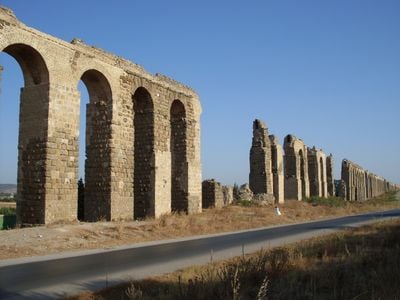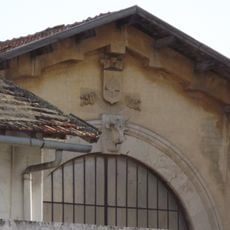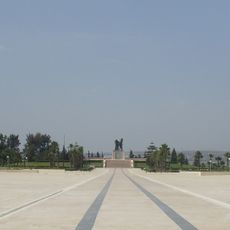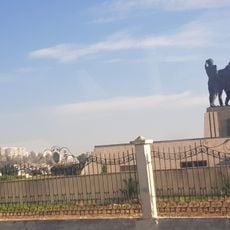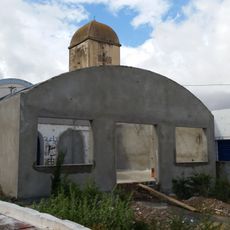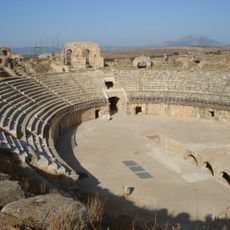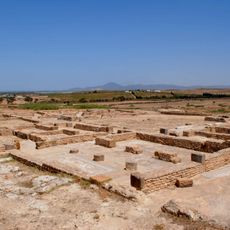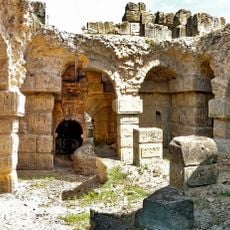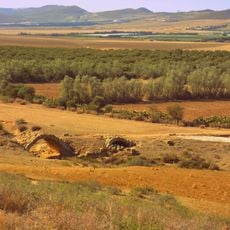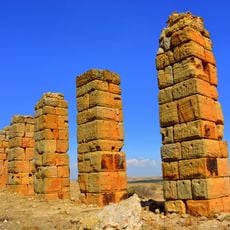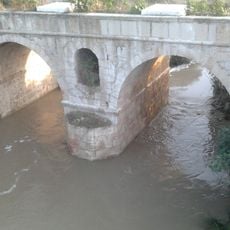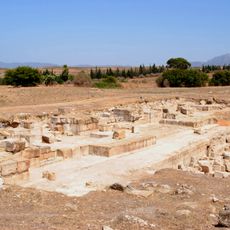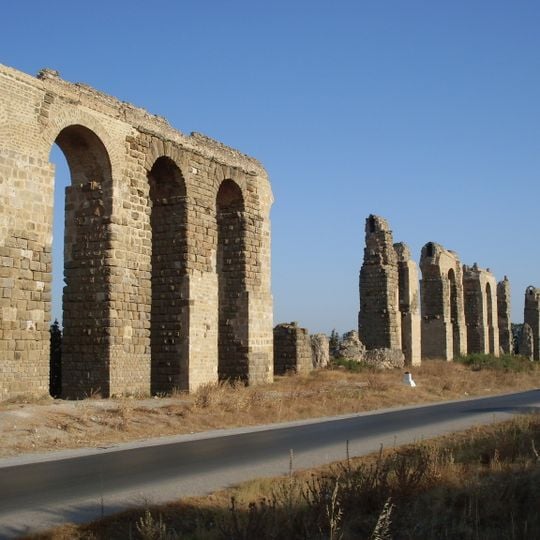
Aqueduct of Zaghouan, Roman aqueduct in Zaghouan, Tunisia.
The Aqueduct of Zaghouan is a Roman water system that spans a long distance and transported water from mountain springs to Carthage. The structure combines underground tunnels with stone arches built above ground.
Construction started in the second century under Emperor Hadrian to solve drought problems. The project connected the water source at Zaghouan with storage reservoirs in Carthage and demonstrated Roman engineering skill.
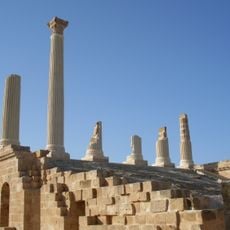
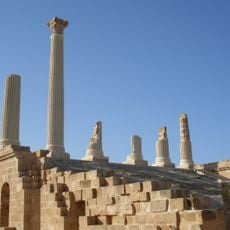
The sacred fountain at the source displays richly decorated architecture with columns, statue niches, and intricate mosaic floors. Visitors can see these details directly and understand how important this site was to people in ancient times.
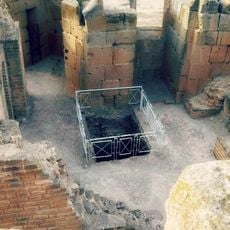
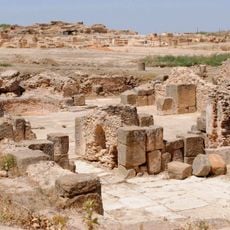
Visitors can examine different sections along the route that were built using various materials like stone, brick, and mud brick from different repair periods. It helps to wear comfortable shoes and plan time to explore multiple sites.
The system used a precise slope design to keep water flowing over long distances without needing pumps. This thoughtful engineering was a remarkable achievement of ancient Roman technology.
The community of curious travelers
AroundUs brings together thousands of curated places, local tips, and hidden gems, enriched daily by 92,047 contributors worldwide.