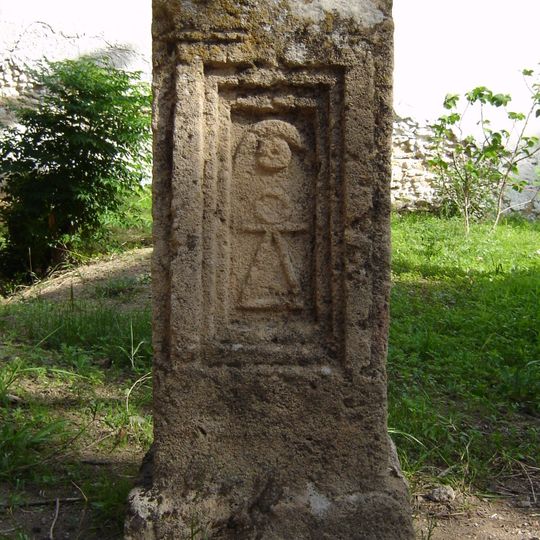
Tophet of Carthage, Ancient Punic burial ground in Carthage, Tunisia
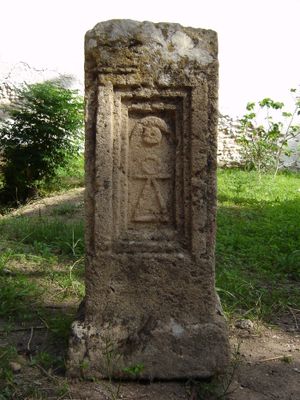
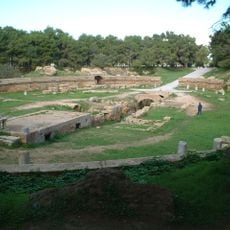
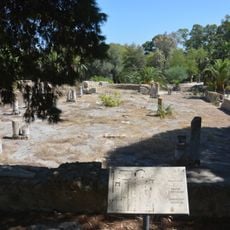
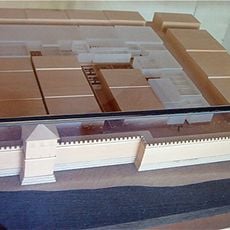
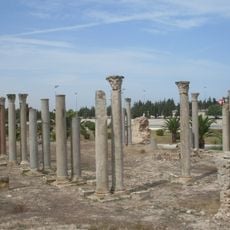
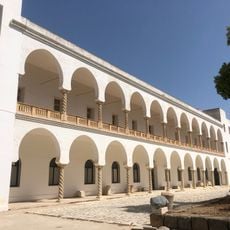
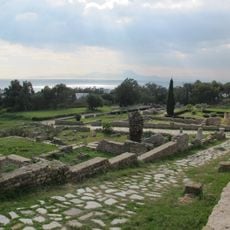
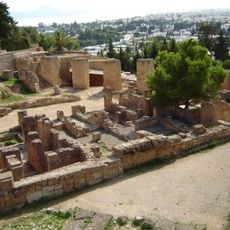
The Tophet of Carthage is a Phoenician sanctuary containing thousands of urns holding the cremated remains of children, arranged across the excavated grounds. Stone markers with religious inscriptions stand throughout, serving as monuments dedicated to the deities worshipped at this burial place.
The sanctuary began in the 9th century BC and remained in use for six centuries before the Roman destruction of Carthage in 146 BC brought activity to an end. This long period of continuous use shows how deeply rooted these burial practices were in Phoenician society.
The stone pillars at the site bear inscriptions and symbols showing what mattered most to Phoenician worshippers in their daily spiritual life. These carvings reveal the names of gods and the kinds of offerings that families made for their children.
The site is accessible on foot via well-maintained paths, and information boards are positioned throughout to explain what you are seeing. Comfortable footwear is recommended since you will be walking across uneven excavated ground.
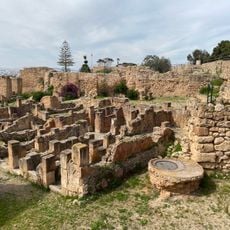
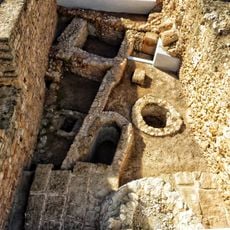
Excavations from 1976 to 1979 uncovered multiple burial layers dating to different time periods, revealing how burial practices evolved and changed over the centuries. This layering allowed archaeologists to track how religious beliefs and family practices shifted across generations.
The community of curious travelers
AroundUs brings together thousands of curated places, local tips, and hidden gems, enriched daily by 91,419 contributors worldwide.