See the monuments around you in AROpen chests in the app
Around Us is built for your phone — point your camera at the streets and discover the monuments and places around you in augmented reality.Around Us is built for your phone — chests unlock when you walk, explore and capture nearby places.
Historical Sites and Main Attractions of Philadelphia
Philadelphia contains major sites from the American founding era alongside diverse museums and urban architecture. The Old City holds Independence Hall and the Liberty Bell, while Independence National Historical Park encompasses several 18th-century buildings. Elfreth's Alley preserves colonial-era rowhouses, and Eastern State Penitentiary documents the history of incarceration.
The city maintains significant art collections including the Philadelphia Museum of Art, the Barnes Foundation and the Rodin Museum. The Franklin Institute focuses on science education, while the Academy of Natural Sciences presents natural history displays. The Museum of the American Revolution complements the historic sites downtown. Beyond the center lies Valley Forge National Historical Park, where Washington's army encamped during the winter of 1777-78.
Reading Terminal Market has offered regional produce and food stalls since 1893. Fairmount Park extends along the Schuylkill River and includes Shofuso Japanese House and Garden. Additional destinations include the Cathedral Basilica of Saints Peter and Paul, Edgar Allan Poe National Historic Site and Philadelphia's Magic Gardens with its mosaic artwork. One Liberty Observation Deck provides views across the cityscape, while the Rocky Statue outside the art museum references the film series.
Historical Sites and Main Attractions of Philadelphia
Philadelphia contains major sites from the American founding era alongside diverse museums and urban architecture. The Old City holds Independence Hall and the Liberty Bell, while Independence National Historical Park encompasses several 18th-century buildings. Elfreth's Alley preserves colonial-era rowhouses, and Eastern State Penitentiary documents the history of incarceration.
The city maintains significant art collections including the Philadelphia Museum of Art, the Barnes Foundation and the Rodin Museum. The Franklin Institute focuses on science education, while the Academy of Natural Sciences presents natural history displays. The Museum of the American Revolution complements the historic sites downtown. Beyond the center lies Valley Forge National Historical Park, where Washington's army encamped during the winter of 1777-78.
Reading Terminal Market has offered regional produce and food stalls since 1893. Fairmount Park extends along the Schuylkill River and includes Shofuso Japanese House and Garden. Additional destinations include the Cathedral Basilica of Saints Peter and Paul, Edgar Allan Poe National Historic Site and Philadelphia's Magic Gardens with its mosaic artwork. One Liberty Observation Deck provides views across the cityscape, while the Rocky Statue outside the art museum references the film series.
Saints Peter and Paul Basilica-Cathedral was built between 1846 and 1864 and stands as the largest Catholic church in Pennsylvania. The building features a green copper dome and Corinthian columns inspired by Italian Renaissance architecture. Inside, visitors find frescoes and stained glass windows that document the city's religious heritage. Located on Logan Square in the historic center, the cathedral continues to serve as an active place of worship and hosts religious ceremonies throughout the year.
Old City forms the historic core of Philadelphia, where cobblestone streets, red brick rowhouses and working gas lamps remain from the 18th century. This district contains major sites from American history, including Independence Hall, the Liberty Bell and Elfreth's Alley, the nation's oldest continuously inhabited residential street. Colonial architecture defines the streetscape, while museums, galleries and historic sites provide context for the founding of the United States. Restaurants and shops occupy restored colonial buildings, creating a district where historical character meets present-day activity.
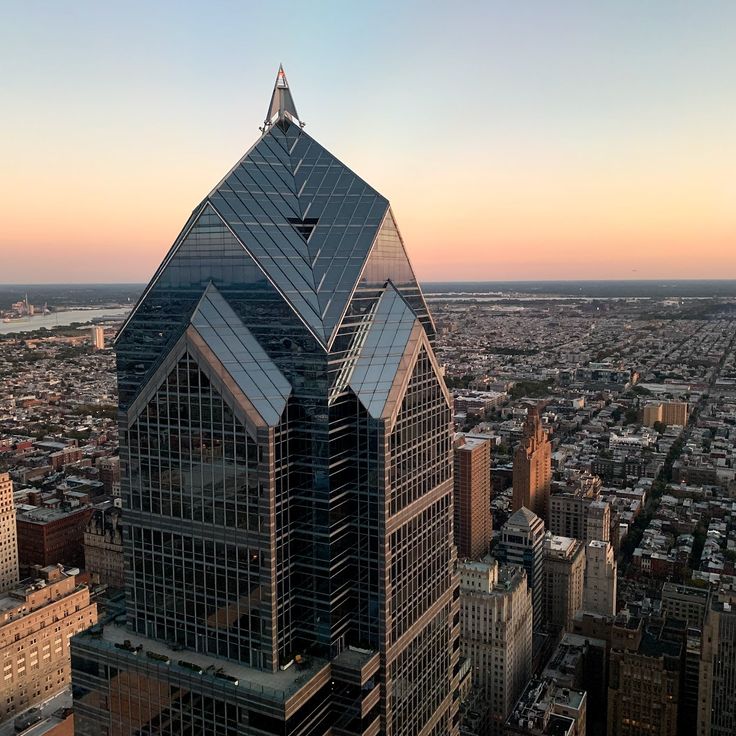
The observation deck on the 57th floor of One Liberty Tower stands at 883 feet (269 meters) and provides views over Philadelphia. This enclosed observatory offers a 360-degree perspective of the city and its surroundings. Visitors can see the street grid, historic neighborhoods and the city skyline from this vantage point. The platform is located in the building on Market Street, which ranks among the tallest structures in the city.
This bronze statue depicts Rocky Balboa in his famous victory pose with raised fists. Standing 10 feet (3 meters) tall, the sculpture was originally created for the film Rocky III and now stands at the base of the museum steps. The statue is the second most visited attraction in this area of the Philadelphia Museum of Art, after the film steps themselves.
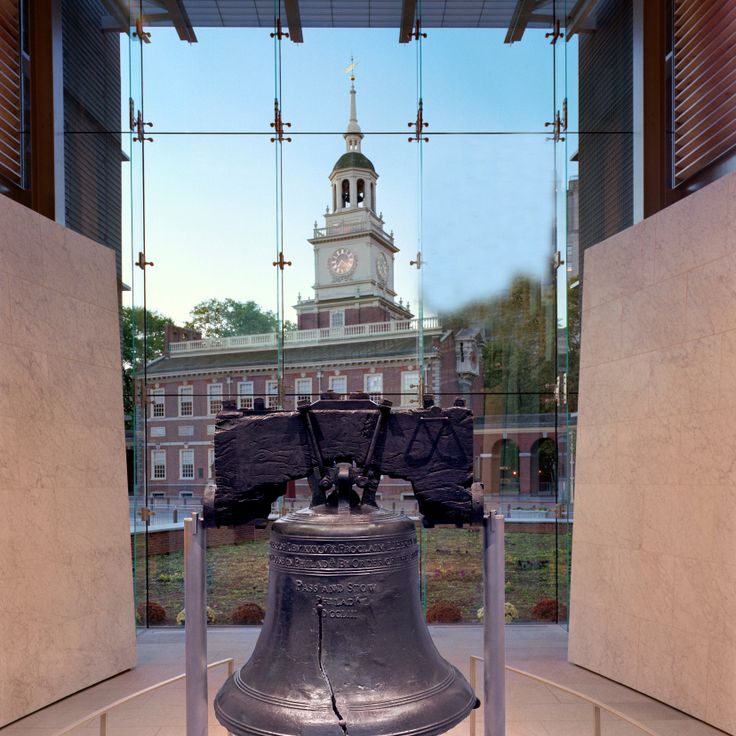
This 2,080-pound (943-kilogram) bronze bell, which cracked in 1846, represents a central symbol of the American War of Independence and stands in a dedicated pavilion at Independence National Historical Park, where thousands of visitors view it daily.
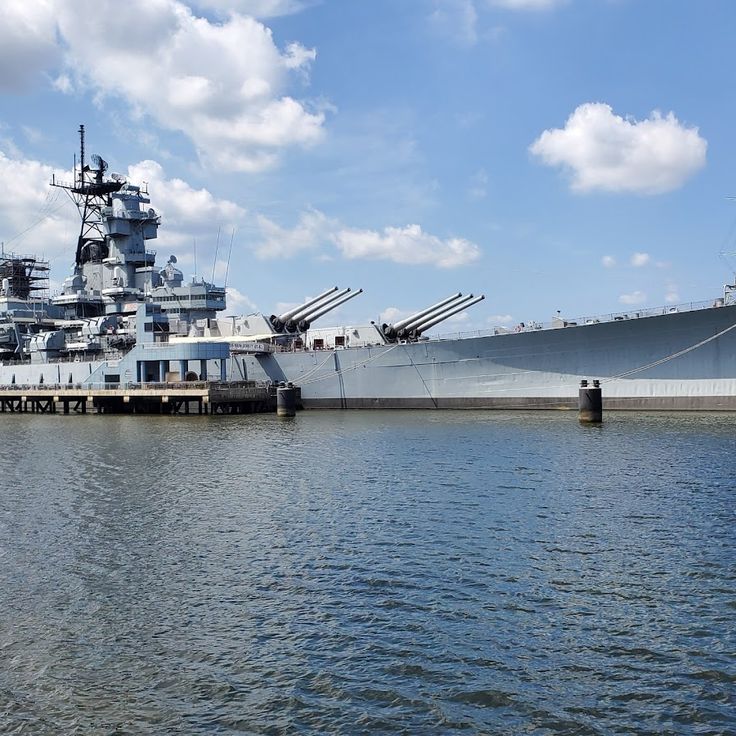
This Iowa-class battleship measures 887 feet (270 meters) in length and served during World War II, the Korean War and the Vietnam War. The USS New Jersey now operates as a museum ship in Camden on the Delaware River, providing insight into American naval history. Visitors can explore the decks, crew quarters, bridge and gun turrets.
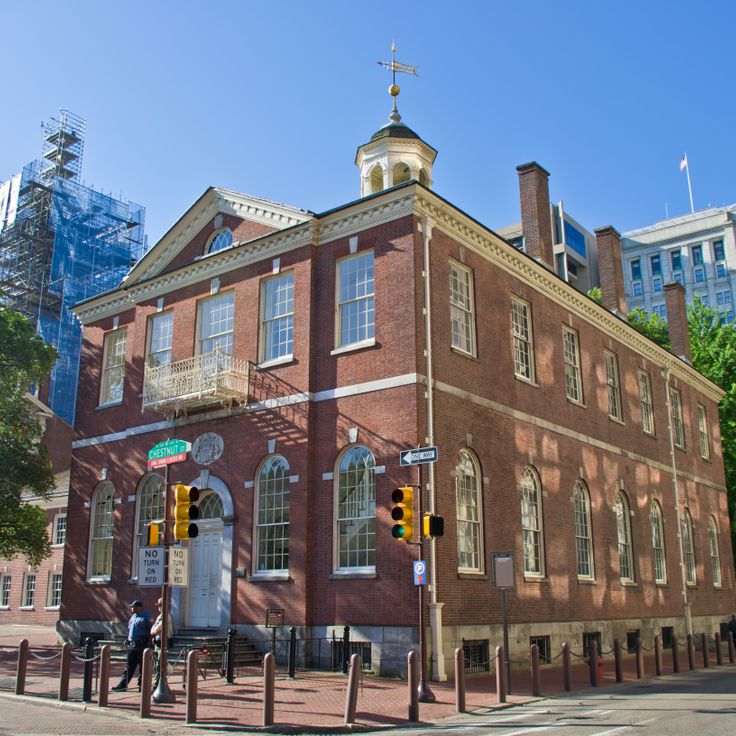
This red brick building completed in 1753 served as the meeting place where delegates signed the Declaration of Independence in 1776 and the Constitution in 1787. Independence Hall hosted sessions of the Second Continental Congress and the Constitutional Convention. The structure sits within Independence National Historical Park and contains the Assembly Room where the historic debates took place, along with several adjacent chambers displaying artifacts from the founding period of American government.
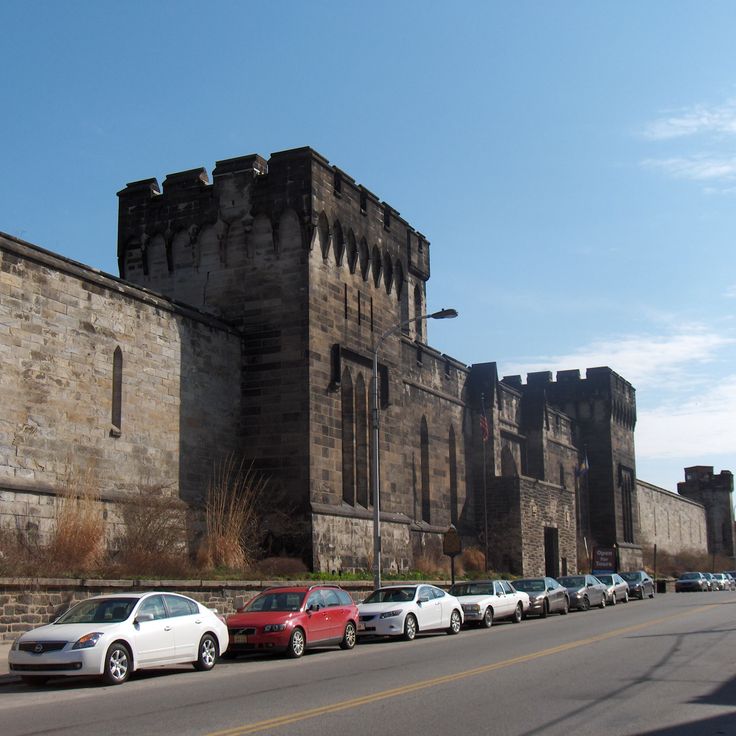
The Eastern State Penitentiary opened in 1829 as a revolutionary prison that introduced the solitary confinement system, keeping inmates in complete isolation. The facility features radial architecture with seven cellblocks extending from a central rotunda and housed more than 450 cells. After closing in 1971, the penitentiary reopened as a historic site in 1994, documenting the history of American incarceration and the conditions experienced by inmates, including Al Capone.
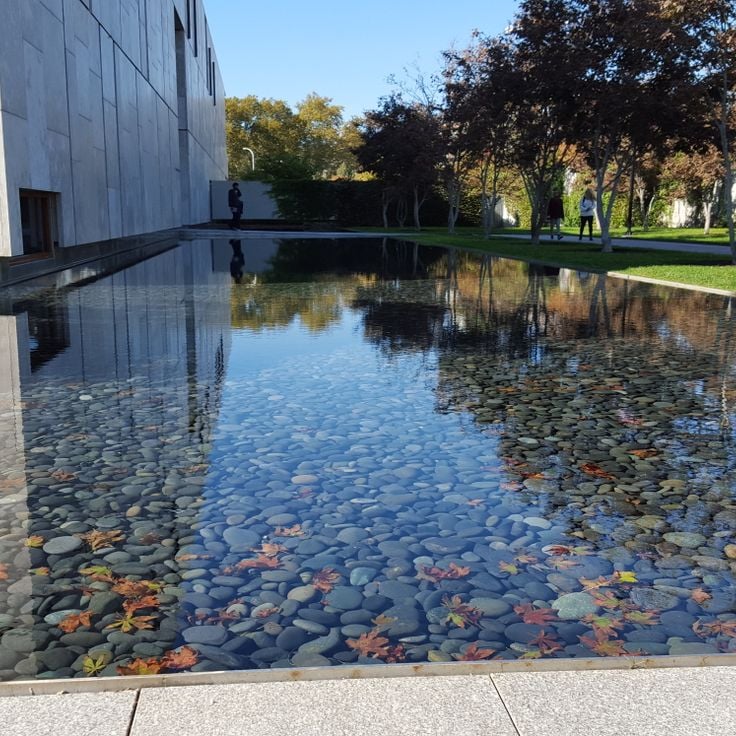
The Barnes Foundation brings together more than 4,000 works of post-impressionist and modern art, including the world's largest collection of Renoir paintings and major pieces by Cézanne, Matisse, Picasso and Van Gogh. The Philadelphia building, opened in 2012, displays the collection according to founder Albert C. Barnes' principles, combining paintings with decorative objects, African art and furniture in dense, thematic arrangements.
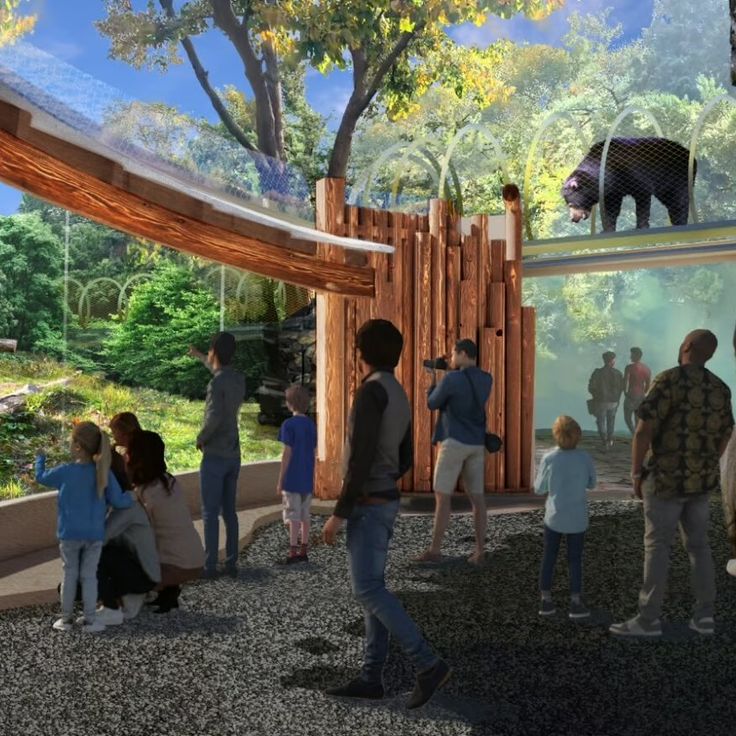
The Philadelphia Zoo opened in 1874 as the first zoological garden in the United States, establishing its place in the city's historical landscape. The facility houses approximately 1,300 animals representing some 340 species across 42 acres. Visitors can observe lions, giraffes, gorillas and numerous other species in enclosures designed to replicate their natural habitats. The Zoo360 trail system allows select animals to move above visitor areas through elevated tunnels and bridges.
Independence National Historical Park covers 50 acres (20 hectares) in central Philadelphia and brings together Independence Hall, the Liberty Bell and additional sites from the American Revolutionary period. The park grounds document the founding of the United States through authentic 18th-century buildings, including the Pennsylvania State House where the Declaration of Independence and Constitution were signed.
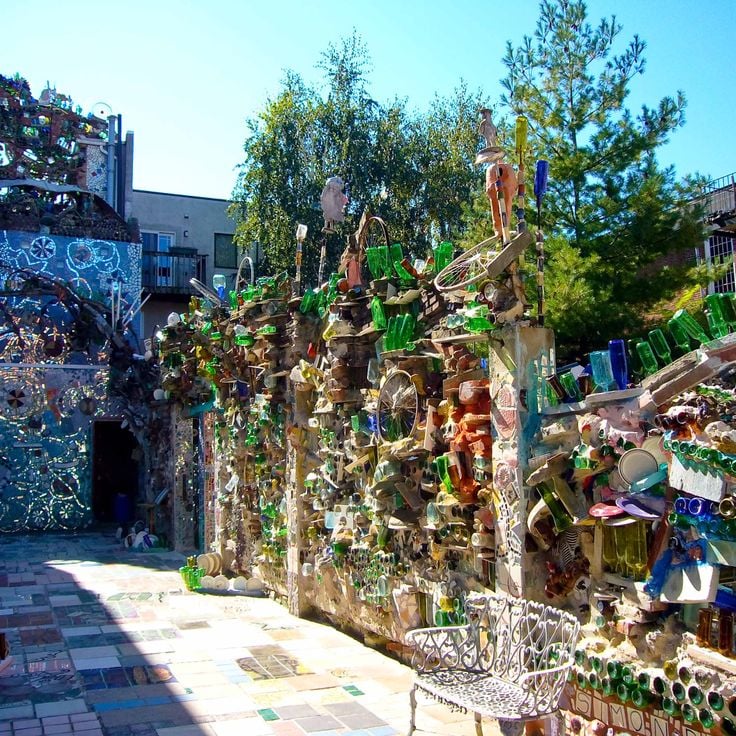
This 3,200-square-foot (300-square-meter) art gallery displays mosaics, sculptures and walkable passages created by artist Isaiah Zagar using found materials, mirrors and tiles. The site extends across several connected indoor and outdoor spaces, showcasing Zagar's work developed since the 1960s. Visitors can walk through rooms covered with artistic installations and examine the varied mosaic elements up close.
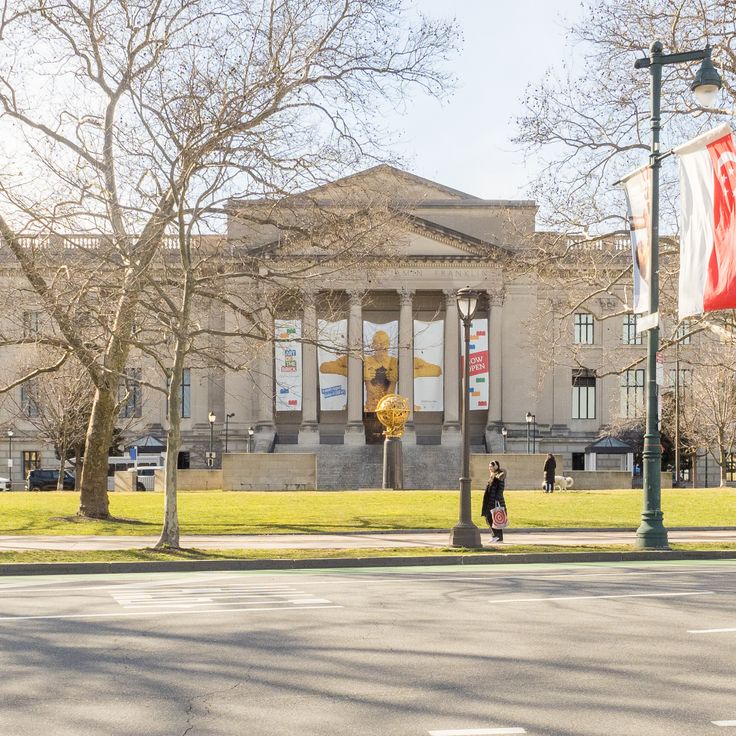
The Franklin Institute is a science center in central Philadelphia with interactive exhibits covering physics, biology and technology. Visitors can participate in hands-on experiments, watch laboratory demonstrations and visit the onsite planetarium, which presents astronomical programs for all ages.
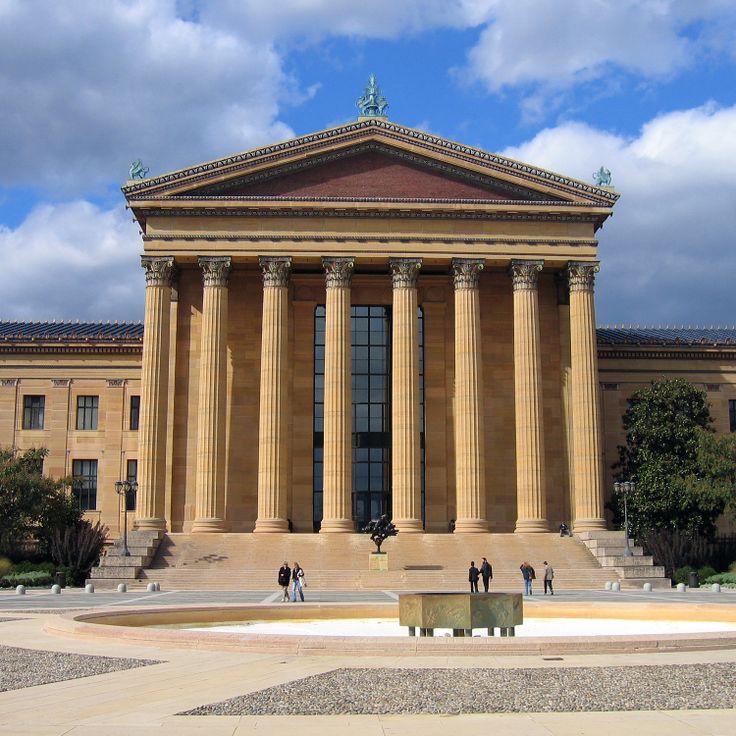
The Philadelphia Museum of Art, established in 1876, ranks among the largest art museums in the United States, housing over 240,000 works spanning multiple eras and continents. Its collections encompass European paintings from the medieval period to contemporary times, significant Asian sculptures and ceramics, and extensive holdings of American art. The museum also preserves a noteworthy collection of furniture, textiles, and armor. The neoclassical building sits atop Fairmount Hill, and its famous front steps offer sweeping views along the Benjamin Franklin Parkway toward the city center.
Citizens Bank Park has served as home to the Philadelphia Phillies since 2004, offering seating for 43,000 fans in a modern baseball stadium with views of the city skyline. The facility features an HD scoreboard, multiple dining options and a kids zone with interactive games. Located in the South Philadelphia Sports Complex, the ballpark hosts games and tours during the season from April through October.
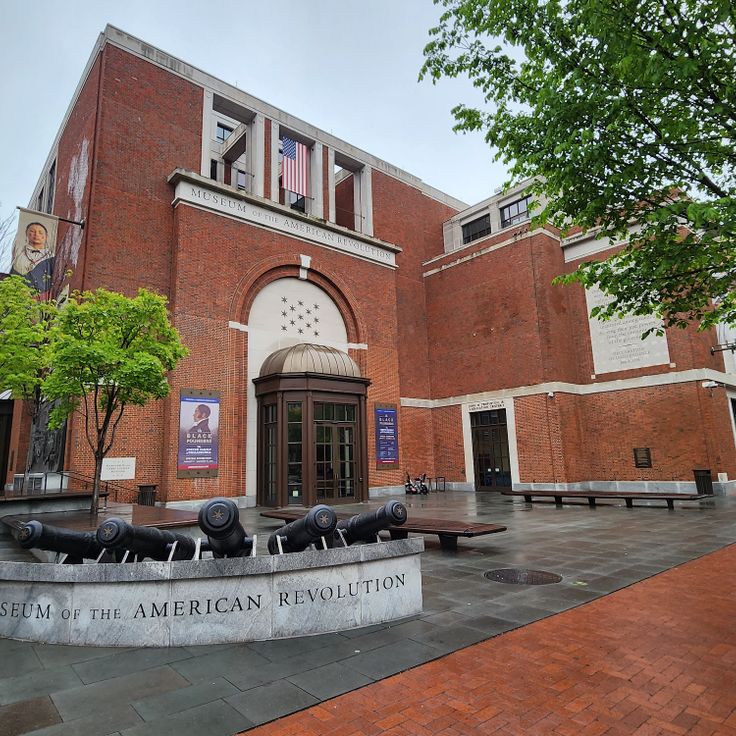
The Museum of the American Revolution examines the period between 1760 and 1783 that led to United States independence. Exhibits present objects, documents and interactive displays tracing the war's progression and the nation's formation. Visitors learn about military campaigns, political developments and daily experiences of people involved in this era. The collection includes weapons, uniforms, personal items and manuscripts that document the conflict and its aftermath.
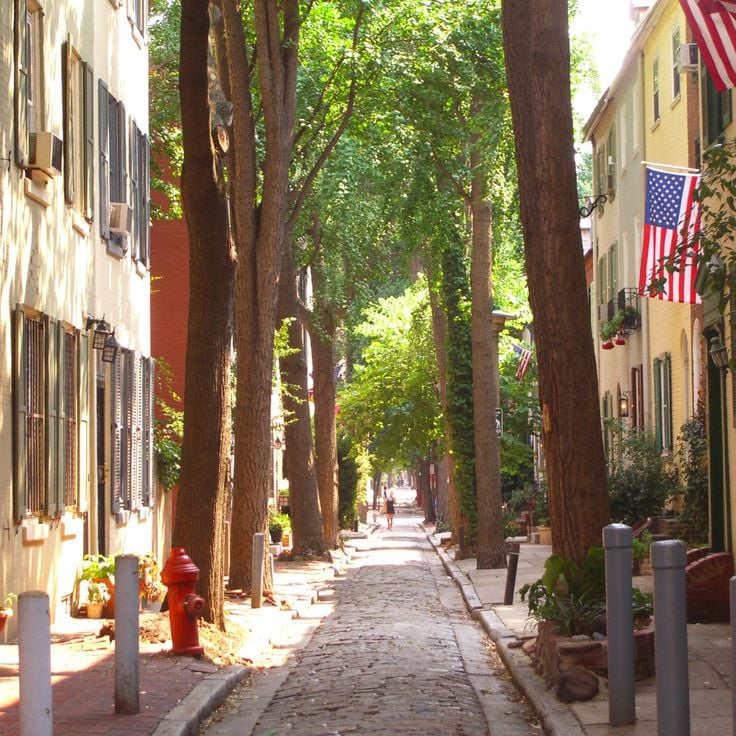
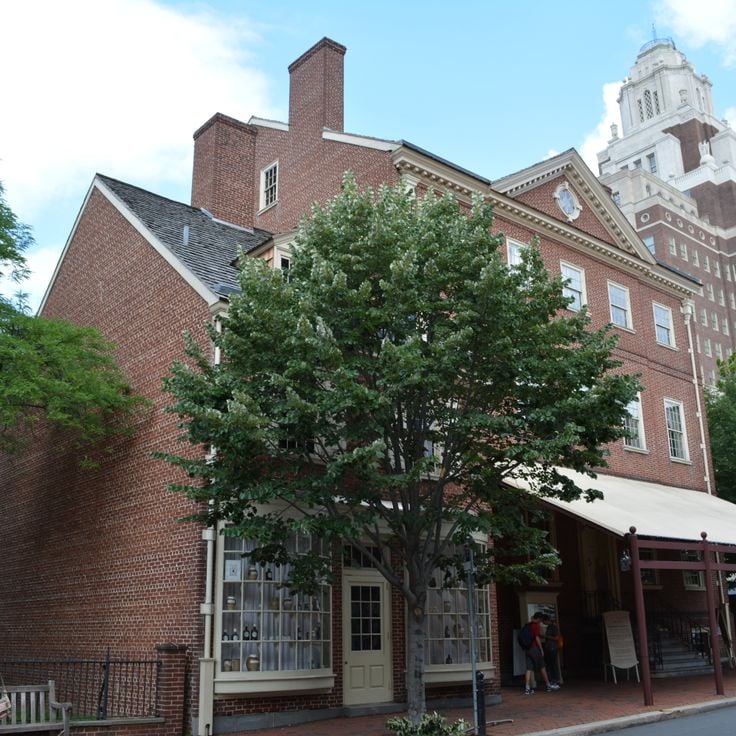
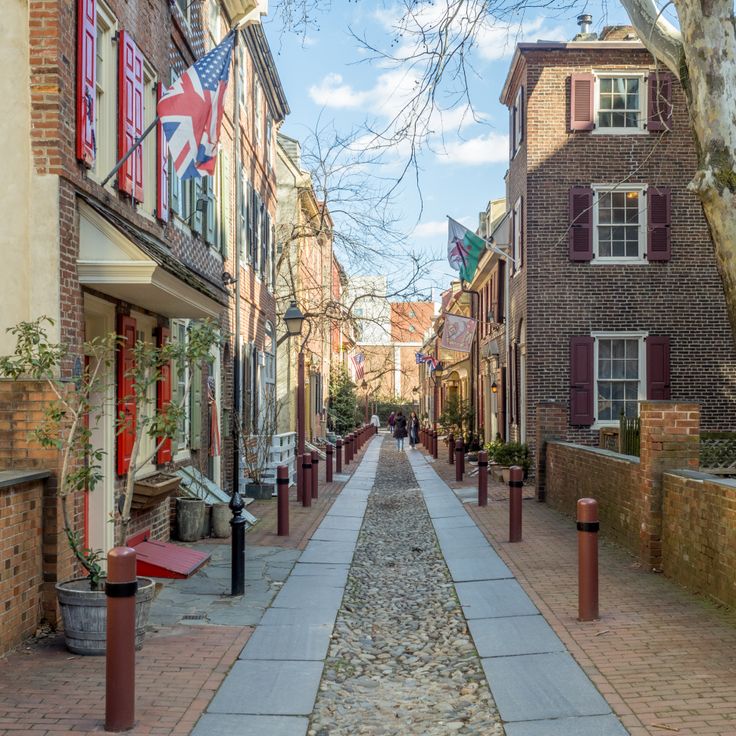
This narrow, cobblestoned street contains thirty-two houses built between 1702 and 1836, documenting the evolution of Philadelphia's early residential architecture. The street remains an inhabited residential area, displaying Georgian and Federal architectural styles with original brick facades, shutters and doorframes. Visitors can tour several of the historic residences that have been converted into museums.
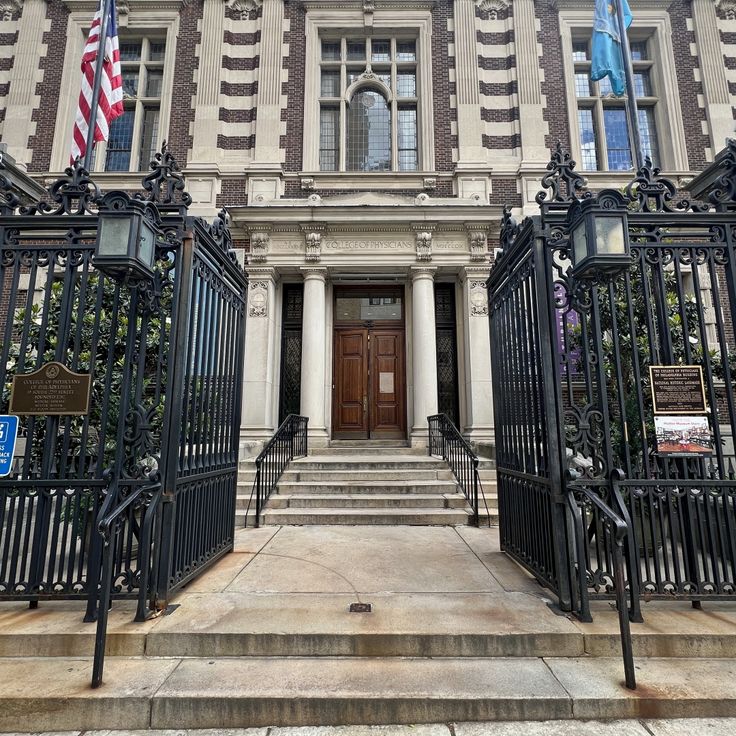
This medical museum at the College of Physicians displays anatomical specimens, historical surgical instruments and pathological models from the 19th century. The collection includes human skeletons, preserved organs and medical anomalies originally assembled for physician training. The museum documents the development of medicine and surgery in America.
This federal building served as the seat of the United States Congress from 1790 to 1800, when Philadelphia was the nation's capital. The two legislative chambers ratified the Bill of Rights here and made critical early decisions for the young republic. Congress Hall stands directly beside Independence Hall in Independence National Historical Park and presents reconstructed chambers that show the working environment of late 18th century senators and representatives.
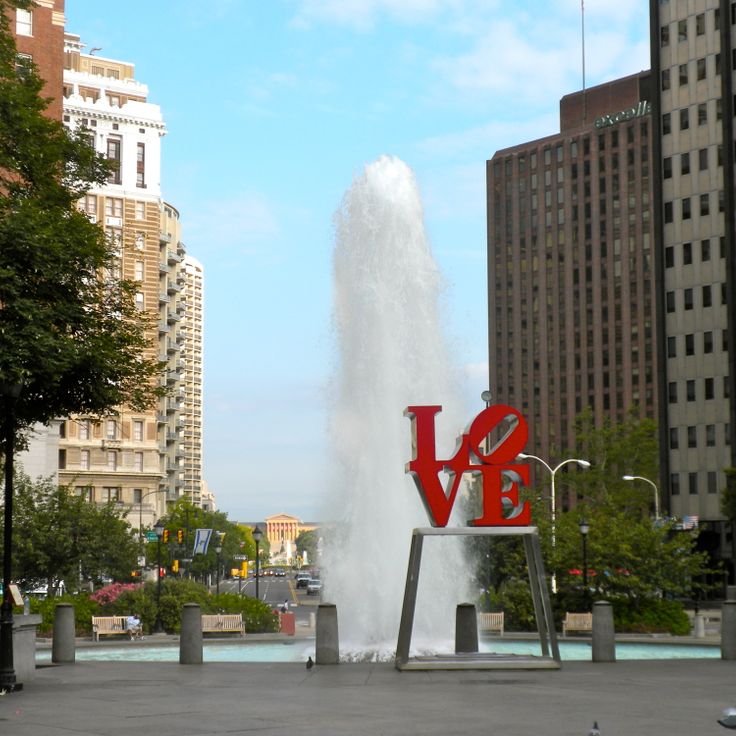
LOVE Park in the city center displays the famous red letter sculpture by artist Robert Indiana. The former John F. Kennedy Plaza sits across from City Hall and has served as a public gathering space since the 1960s, with the iconic sculpture permanently installed in 1976 and becoming one of Philadelphia's most photographed landmarks.
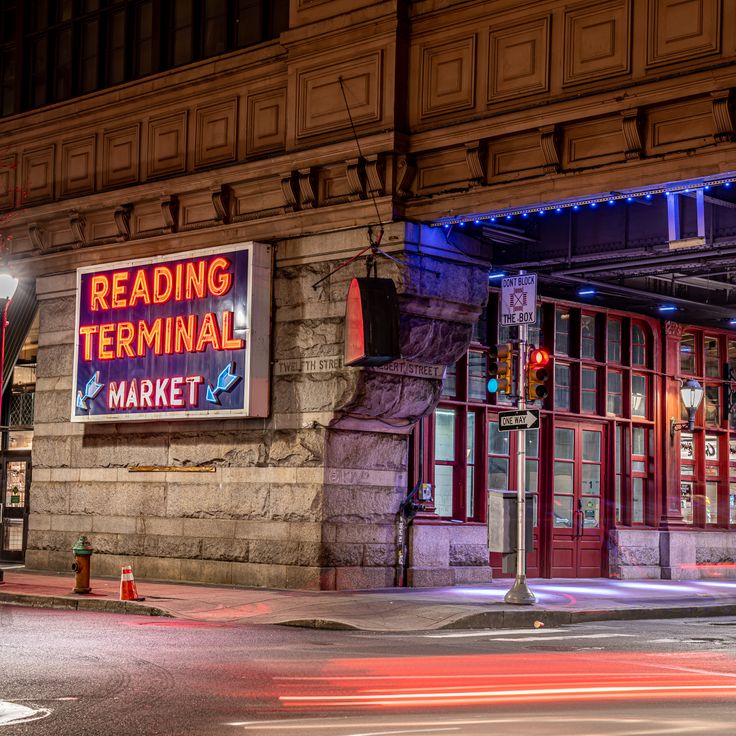
This public food market has operated in the former Reading Railroad Terminal since 1893, bringing together more than 80 vendors under one roof. The market hall preserves its 19th-century architecture with iron framework and high ceilings from the railroad era. Stalls offer meat, fish, cheese, fresh produce, baked goods and prepared foods representing various cuisines. Pennsylvania Dutch specialties stand alongside Asian and Middle Eastern vendors. The hall draws both local residents and visitors who shop the aisles or eat at counter seating throughout the space. The market opens daily except Sundays and sits in center city Philadelphia, two blocks east of City Hall.
Fairmount Park covers approximately 2,000 acres (800 hectares), making it the largest municipal green space in Philadelphia. The extensive grounds feature numerous hiking trails, public gardens and historic monuments. The park stretches along the Schuylkill River and includes several sections with distinct characteristics, from wooded hills to maintained lawns. Visitors find recreational opportunities for various activities including cycling, jogging and picnicking, while historic structures and sculptures throughout the grounds reflect the city's past.
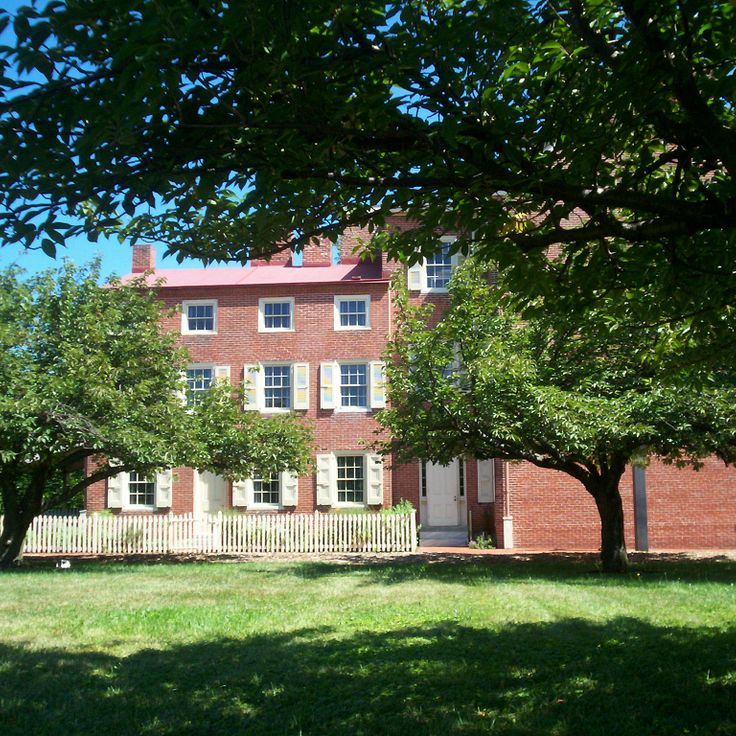
This three-story residence served as writer Edgar Allan Poe's home for six months and is now preserved as a National Historic Site. During his stay in Philadelphia between 1843 and 1844, Poe wrote several short stories and poems in this house. The rooms document the author's living conditions and provide insight into his productive period in the city.
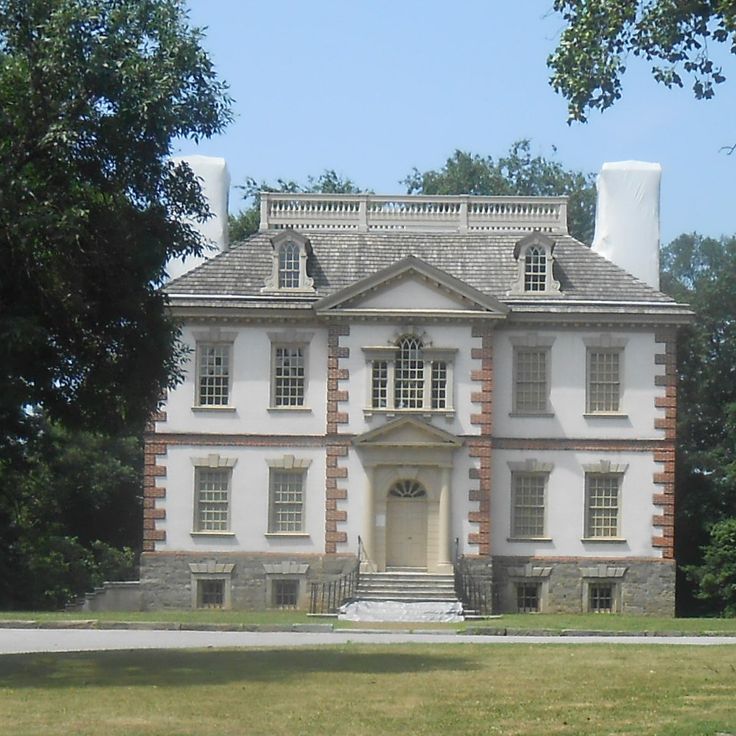
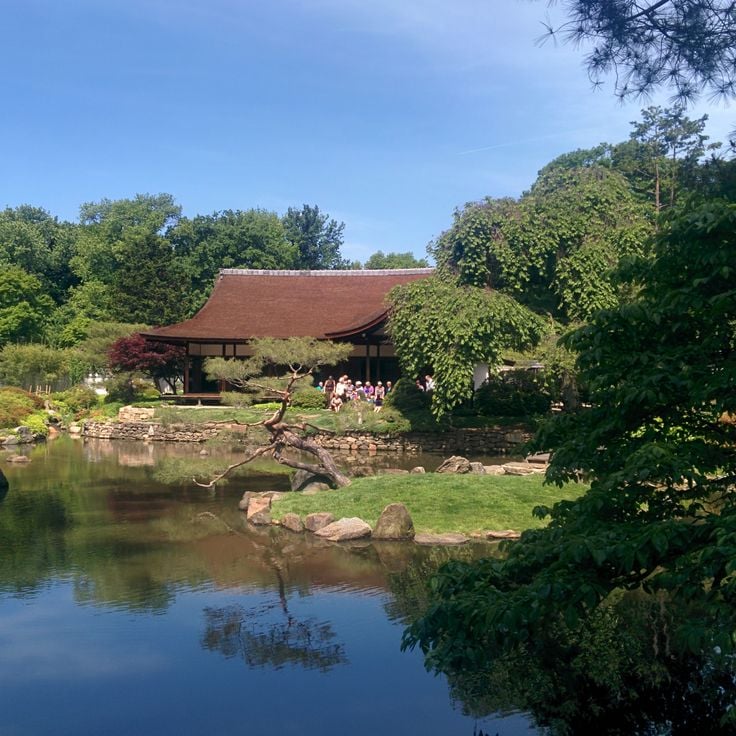
This 17th-century Japanese house was built in 1953 in Fairmount Park and displays traditional architecture with tatami mats and sliding doors. The garden includes ponds with koi carp, waterfalls and seasonal plantings that demonstrate Japanese garden design. The building serves as a museum and cultural center with rotating exhibitions on Japanese art and regular events such as tea ceremonies. Tours explain the significance of the architectural elements and garden layout.
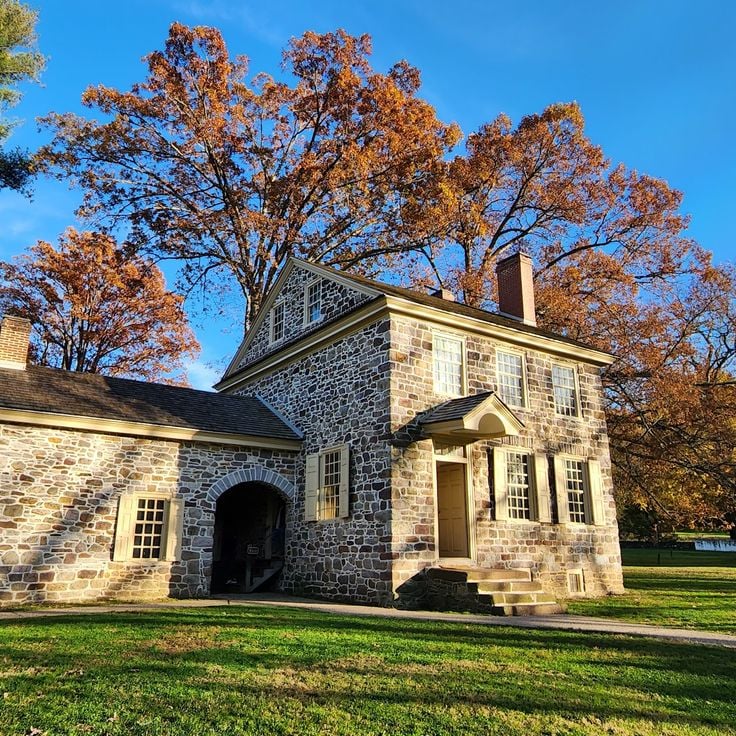
This 3,500-acre (1,400-hectare) site served as the Continental Army's winter encampment in 1777. The grounds preserve fortifications and period structures from the Revolutionary War.
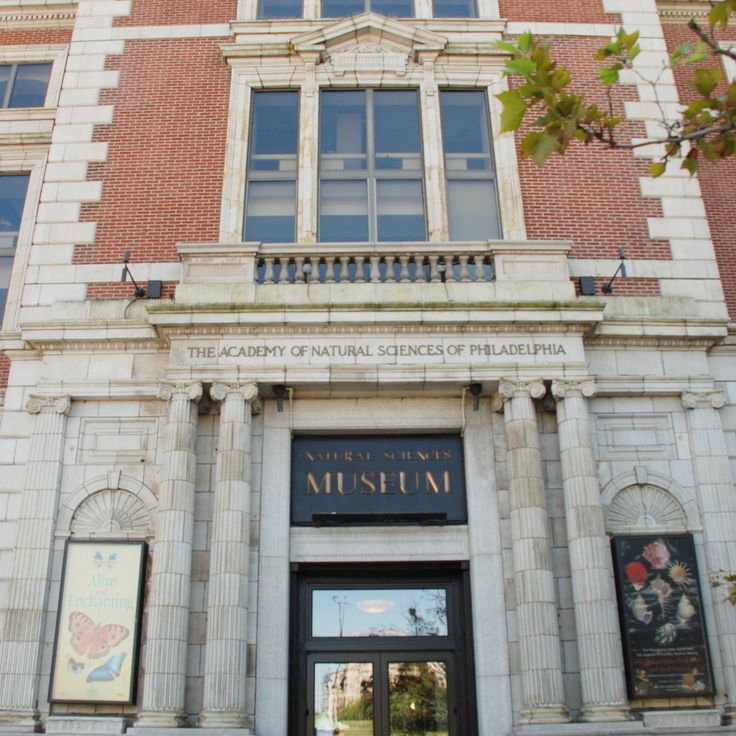
This scientific institution founded in 1812 displays collections of dinosaur fossils, butterflies and minerals. The museum conducts research in biology and geology while sharing natural science knowledge through public exhibitions. The dinosaur collection includes complete skeletons and reconstructed scenes from prehistoric periods.
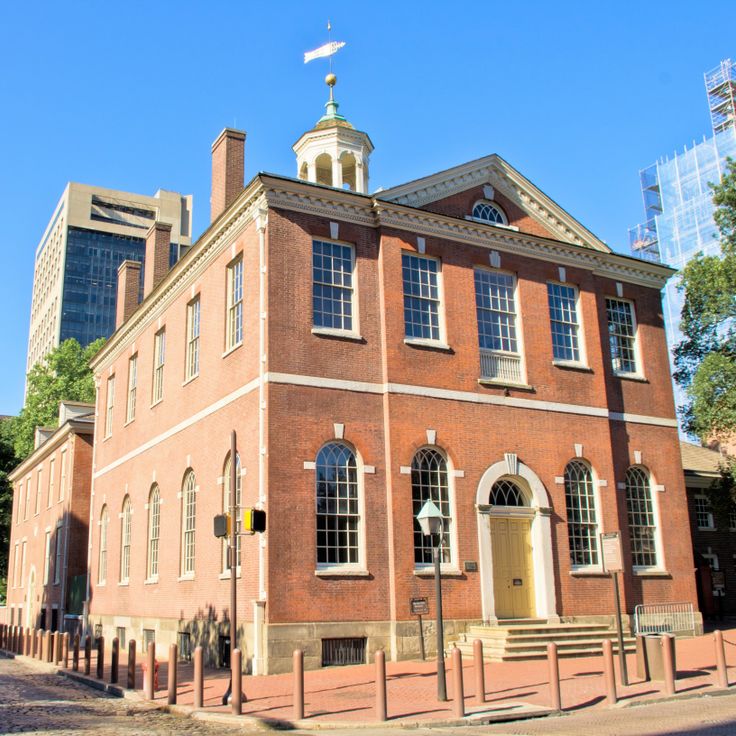
Carpenters Hall was built in 1774 and served as the meeting site for the First Continental Congress, where colonial delegates coordinated their response to British taxation policies and laid groundwork for the eventual Declaration of Independence. The building belonged to the Carpenters Company of Philadelphia and now operates as a museum displaying period furniture, tools and documents from the pre-Revolutionary era.
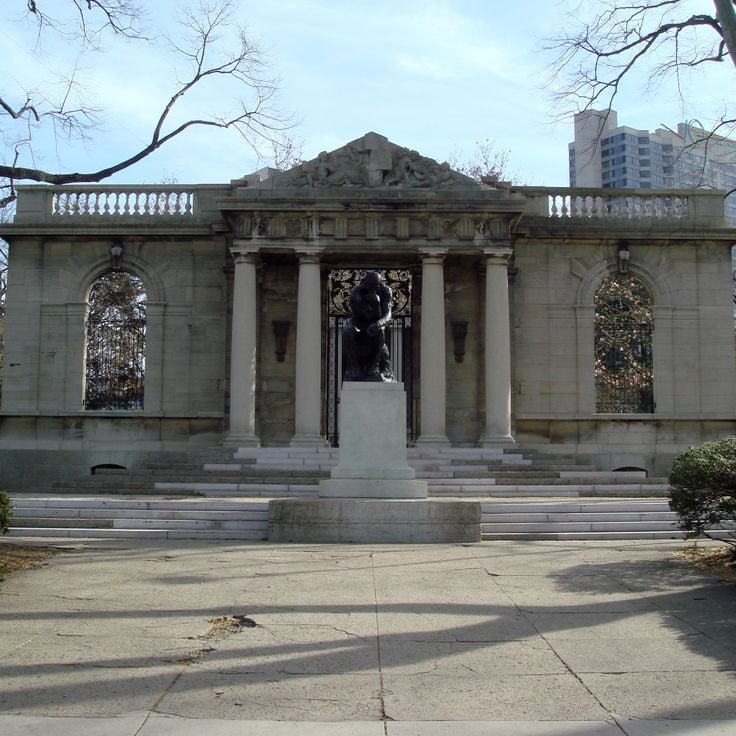
The Rodin Museum holds the largest collection of Auguste Rodin's sculptures and drawings outside France, with more than 120 works. The exhibition includes recognized pieces such as The Thinker and The Burghers of Calais, along with numerous other bronze sculptures, plaster models and graphic works by the French sculptor. Opened in 1929, this museum was designed by architect Paul Philippe Cret and features a sculpture garden created by Jacques Gréber.
Saints Peter and Paul Basilica-Cathedral was built between 1846 and 1864 and stands as the largest Catholic church in Pennsylvania. The building features a green copper dome and Corinthian columns inspired by Italian Renaissance architecture. Inside, visitors find frescoes and stained glass windows that document the city's religious heritage. Located on Logan Square in the historic center, the cathedral continues to serve as an active place of worship and hosts religious ceremonies throughout the year.
Old City forms the historic core of Philadelphia, where cobblestone streets, red brick rowhouses and working gas lamps remain from the 18th century. This district contains major sites from American history, including Independence Hall, the Liberty Bell and Elfreth's Alley, the nation's oldest continuously inhabited residential street. Colonial architecture defines the streetscape, while museums, galleries and historic sites provide context for the founding of the United States. Restaurants and shops occupy restored colonial buildings, creating a district where historical character meets present-day activity.
The observation deck on the 57th floor of One Liberty Tower stands at 883 feet (269 meters) and provides views over Philadelphia. This enclosed observatory offers a 360-degree perspective of the city and its surroundings. Visitors can see the street grid, historic neighborhoods and the city skyline from this vantage point. The platform is located in the building on Market Street, which ranks among the tallest structures in the city.
This bronze statue depicts Rocky Balboa in his famous victory pose with raised fists. Standing 10 feet (3 meters) tall, the sculpture was originally created for the film Rocky III and now stands at the base of the museum steps. The statue is the second most visited attraction in this area of the Philadelphia Museum of Art, after the film steps themselves.
This 2,080-pound (943-kilogram) bronze bell, which cracked in 1846, represents a central symbol of the American War of Independence and stands in a dedicated pavilion at Independence National Historical Park, where thousands of visitors view it daily.
This Iowa-class battleship measures 887 feet (270 meters) in length and served during World War II, the Korean War and the Vietnam War. The USS New Jersey now operates as a museum ship in Camden on the Delaware River, providing insight into American naval history. Visitors can explore the decks, crew quarters, bridge and gun turrets.
This red brick building completed in 1753 served as the meeting place where delegates signed the Declaration of Independence in 1776 and the Constitution in 1787. Independence Hall hosted sessions of the Second Continental Congress and the Constitutional Convention. The structure sits within Independence National Historical Park and contains the Assembly Room where the historic debates took place, along with several adjacent chambers displaying artifacts from the founding period of American government.
The Eastern State Penitentiary opened in 1829 as a revolutionary prison that introduced the solitary confinement system, keeping inmates in complete isolation. The facility features radial architecture with seven cellblocks extending from a central rotunda and housed more than 450 cells. After closing in 1971, the penitentiary reopened as a historic site in 1994, documenting the history of American incarceration and the conditions experienced by inmates, including Al Capone.
The Barnes Foundation brings together more than 4,000 works of post-impressionist and modern art, including the world's largest collection of Renoir paintings and major pieces by Cézanne, Matisse, Picasso and Van Gogh. The Philadelphia building, opened in 2012, displays the collection according to founder Albert C. Barnes' principles, combining paintings with decorative objects, African art and furniture in dense, thematic arrangements.
The Philadelphia Zoo opened in 1874 as the first zoological garden in the United States, establishing its place in the city's historical landscape. The facility houses approximately 1,300 animals representing some 340 species across 42 acres. Visitors can observe lions, giraffes, gorillas and numerous other species in enclosures designed to replicate their natural habitats. The Zoo360 trail system allows select animals to move above visitor areas through elevated tunnels and bridges.
Independence National Historical Park covers 50 acres (20 hectares) in central Philadelphia and brings together Independence Hall, the Liberty Bell and additional sites from the American Revolutionary period. The park grounds document the founding of the United States through authentic 18th-century buildings, including the Pennsylvania State House where the Declaration of Independence and Constitution were signed.
This 3,200-square-foot (300-square-meter) art gallery displays mosaics, sculptures and walkable passages created by artist Isaiah Zagar using found materials, mirrors and tiles. The site extends across several connected indoor and outdoor spaces, showcasing Zagar's work developed since the 1960s. Visitors can walk through rooms covered with artistic installations and examine the varied mosaic elements up close.
The Franklin Institute is a science center in central Philadelphia with interactive exhibits covering physics, biology and technology. Visitors can participate in hands-on experiments, watch laboratory demonstrations and visit the onsite planetarium, which presents astronomical programs for all ages.
The Philadelphia Museum of Art, established in 1876, ranks among the largest art museums in the United States, housing over 240,000 works spanning multiple eras and continents. Its collections encompass European paintings from the medieval period to contemporary times, significant Asian sculptures and ceramics, and extensive holdings of American art. The museum also preserves a noteworthy collection of furniture, textiles, and armor. The neoclassical building sits atop Fairmount Hill, and its famous front steps offer sweeping views along the Benjamin Franklin Parkway toward the city center.
Citizens Bank Park has served as home to the Philadelphia Phillies since 2004, offering seating for 43,000 fans in a modern baseball stadium with views of the city skyline. The facility features an HD scoreboard, multiple dining options and a kids zone with interactive games. Located in the South Philadelphia Sports Complex, the ballpark hosts games and tours during the season from April through October.
The Museum of the American Revolution examines the period between 1760 and 1783 that led to United States independence. Exhibits present objects, documents and interactive displays tracing the war's progression and the nation's formation. Visitors learn about military campaigns, political developments and daily experiences of people involved in this era. The collection includes weapons, uniforms, personal items and manuscripts that document the conflict and its aftermath.
This narrow, cobblestoned street contains thirty-two houses built between 1702 and 1836, documenting the evolution of Philadelphia's early residential architecture. The street remains an inhabited residential area, displaying Georgian and Federal architectural styles with original brick facades, shutters and doorframes. Visitors can tour several of the historic residences that have been converted into museums.
This medical museum at the College of Physicians displays anatomical specimens, historical surgical instruments and pathological models from the 19th century. The collection includes human skeletons, preserved organs and medical anomalies originally assembled for physician training. The museum documents the development of medicine and surgery in America.
This federal building served as the seat of the United States Congress from 1790 to 1800, when Philadelphia was the nation's capital. The two legislative chambers ratified the Bill of Rights here and made critical early decisions for the young republic. Congress Hall stands directly beside Independence Hall in Independence National Historical Park and presents reconstructed chambers that show the working environment of late 18th century senators and representatives.
LOVE Park in the city center displays the famous red letter sculpture by artist Robert Indiana. The former John F. Kennedy Plaza sits across from City Hall and has served as a public gathering space since the 1960s, with the iconic sculpture permanently installed in 1976 and becoming one of Philadelphia's most photographed landmarks.
This public food market has operated in the former Reading Railroad Terminal since 1893, bringing together more than 80 vendors under one roof. The market hall preserves its 19th-century architecture with iron framework and high ceilings from the railroad era. Stalls offer meat, fish, cheese, fresh produce, baked goods and prepared foods representing various cuisines. Pennsylvania Dutch specialties stand alongside Asian and Middle Eastern vendors. The hall draws both local residents and visitors who shop the aisles or eat at counter seating throughout the space. The market opens daily except Sundays and sits in center city Philadelphia, two blocks east of City Hall.
Fairmount Park covers approximately 2,000 acres (800 hectares), making it the largest municipal green space in Philadelphia. The extensive grounds feature numerous hiking trails, public gardens and historic monuments. The park stretches along the Schuylkill River and includes several sections with distinct characteristics, from wooded hills to maintained lawns. Visitors find recreational opportunities for various activities including cycling, jogging and picnicking, while historic structures and sculptures throughout the grounds reflect the city's past.
This three-story residence served as writer Edgar Allan Poe's home for six months and is now preserved as a National Historic Site. During his stay in Philadelphia between 1843 and 1844, Poe wrote several short stories and poems in this house. The rooms document the author's living conditions and provide insight into his productive period in the city.
This 17th-century Japanese house was built in 1953 in Fairmount Park and displays traditional architecture with tatami mats and sliding doors. The garden includes ponds with koi carp, waterfalls and seasonal plantings that demonstrate Japanese garden design. The building serves as a museum and cultural center with rotating exhibitions on Japanese art and regular events such as tea ceremonies. Tours explain the significance of the architectural elements and garden layout.
This 3,500-acre (1,400-hectare) site served as the Continental Army's winter encampment in 1777. The grounds preserve fortifications and period structures from the Revolutionary War.
This scientific institution founded in 1812 displays collections of dinosaur fossils, butterflies and minerals. The museum conducts research in biology and geology while sharing natural science knowledge through public exhibitions. The dinosaur collection includes complete skeletons and reconstructed scenes from prehistoric periods.
Carpenters Hall was built in 1774 and served as the meeting site for the First Continental Congress, where colonial delegates coordinated their response to British taxation policies and laid groundwork for the eventual Declaration of Independence. The building belonged to the Carpenters Company of Philadelphia and now operates as a museum displaying period furniture, tools and documents from the pre-Revolutionary era.
The Rodin Museum holds the largest collection of Auguste Rodin's sculptures and drawings outside France, with more than 120 works. The exhibition includes recognized pieces such as The Thinker and The Burghers of Calais, along with numerous other bronze sculptures, plaster models and graphic works by the French sculptor. Opened in 1929, this museum was designed by architect Paul Philippe Cret and features a sculpture garden created by Jacques Gréber.
Saints Peter and Paul Basilica-Cathedral was built between 1846 and 1864 and stands as the largest Catholic church in Pennsylvania. The building features a green copper dome and Corinthian columns inspired by Italian Renaissance architecture. Inside, visitors find frescoes and stained glass windows that document the city's religious heritage. Located on Logan Square in the historic center, the cathedral continues to serve as an active place of worship and hosts religious ceremonies throughout the year.
Old City forms the historic core of Philadelphia, where cobblestone streets, red brick rowhouses and working gas lamps remain from the 18th century. This district contains major sites from American history, including Independence Hall, the Liberty Bell and Elfreth's Alley, the nation's oldest continuously inhabited residential street. Colonial architecture defines the streetscape, while museums, galleries and historic sites provide context for the founding of the United States. Restaurants and shops occupy restored colonial buildings, creating a district where historical character meets present-day activity.
The observation deck on the 57th floor of One Liberty Tower stands at 883 feet (269 meters) and provides views over Philadelphia. This enclosed observatory offers a 360-degree perspective of the city and its surroundings. Visitors can see the street grid, historic neighborhoods and the city skyline from this vantage point. The platform is located in the building on Market Street, which ranks among the tallest structures in the city.
This bronze statue depicts Rocky Balboa in his famous victory pose with raised fists. Standing 10 feet (3 meters) tall, the sculpture was originally created for the film Rocky III and now stands at the base of the museum steps. The statue is the second most visited attraction in this area of the Philadelphia Museum of Art, after the film steps themselves.
This 2,080-pound (943-kilogram) bronze bell, which cracked in 1846, represents a central symbol of the American War of Independence and stands in a dedicated pavilion at Independence National Historical Park, where thousands of visitors view it daily.
This Iowa-class battleship measures 887 feet (270 meters) in length and served during World War II, the Korean War and the Vietnam War. The USS New Jersey now operates as a museum ship in Camden on the Delaware River, providing insight into American naval history. Visitors can explore the decks, crew quarters, bridge and gun turrets.
This red brick building completed in 1753 served as the meeting place where delegates signed the Declaration of Independence in 1776 and the Constitution in 1787. Independence Hall hosted sessions of the Second Continental Congress and the Constitutional Convention. The structure sits within Independence National Historical Park and contains the Assembly Room where the historic debates took place, along with several adjacent chambers displaying artifacts from the founding period of American government.
The Eastern State Penitentiary opened in 1829 as a revolutionary prison that introduced the solitary confinement system, keeping inmates in complete isolation. The facility features radial architecture with seven cellblocks extending from a central rotunda and housed more than 450 cells. After closing in 1971, the penitentiary reopened as a historic site in 1994, documenting the history of American incarceration and the conditions experienced by inmates, including Al Capone.
The Barnes Foundation brings together more than 4,000 works of post-impressionist and modern art, including the world's largest collection of Renoir paintings and major pieces by Cézanne, Matisse, Picasso and Van Gogh. The Philadelphia building, opened in 2012, displays the collection according to founder Albert C. Barnes' principles, combining paintings with decorative objects, African art and furniture in dense, thematic arrangements.
The Philadelphia Zoo opened in 1874 as the first zoological garden in the United States, establishing its place in the city's historical landscape. The facility houses approximately 1,300 animals representing some 340 species across 42 acres. Visitors can observe lions, giraffes, gorillas and numerous other species in enclosures designed to replicate their natural habitats. The Zoo360 trail system allows select animals to move above visitor areas through elevated tunnels and bridges.
Independence National Historical Park covers 50 acres (20 hectares) in central Philadelphia and brings together Independence Hall, the Liberty Bell and additional sites from the American Revolutionary period. The park grounds document the founding of the United States through authentic 18th-century buildings, including the Pennsylvania State House where the Declaration of Independence and Constitution were signed.
This 3,200-square-foot (300-square-meter) art gallery displays mosaics, sculptures and walkable passages created by artist Isaiah Zagar using found materials, mirrors and tiles. The site extends across several connected indoor and outdoor spaces, showcasing Zagar's work developed since the 1960s. Visitors can walk through rooms covered with artistic installations and examine the varied mosaic elements up close.
The Franklin Institute is a science center in central Philadelphia with interactive exhibits covering physics, biology and technology. Visitors can participate in hands-on experiments, watch laboratory demonstrations and visit the onsite planetarium, which presents astronomical programs for all ages.
The Philadelphia Museum of Art, established in 1876, ranks among the largest art museums in the United States, housing over 240,000 works spanning multiple eras and continents. Its collections encompass European paintings from the medieval period to contemporary times, significant Asian sculptures and ceramics, and extensive holdings of American art. The museum also preserves a noteworthy collection of furniture, textiles, and armor. The neoclassical building sits atop Fairmount Hill, and its famous front steps offer sweeping views along the Benjamin Franklin Parkway toward the city center.
Citizens Bank Park has served as home to the Philadelphia Phillies since 2004, offering seating for 43,000 fans in a modern baseball stadium with views of the city skyline. The facility features an HD scoreboard, multiple dining options and a kids zone with interactive games. Located in the South Philadelphia Sports Complex, the ballpark hosts games and tours during the season from April through October.
The Museum of the American Revolution examines the period between 1760 and 1783 that led to United States independence. Exhibits present objects, documents and interactive displays tracing the war's progression and the nation's formation. Visitors learn about military campaigns, political developments and daily experiences of people involved in this era. The collection includes weapons, uniforms, personal items and manuscripts that document the conflict and its aftermath.
This narrow, cobblestoned street contains thirty-two houses built between 1702 and 1836, documenting the evolution of Philadelphia's early residential architecture. The street remains an inhabited residential area, displaying Georgian and Federal architectural styles with original brick facades, shutters and doorframes. Visitors can tour several of the historic residences that have been converted into museums.
This medical museum at the College of Physicians displays anatomical specimens, historical surgical instruments and pathological models from the 19th century. The collection includes human skeletons, preserved organs and medical anomalies originally assembled for physician training. The museum documents the development of medicine and surgery in America.
This federal building served as the seat of the United States Congress from 1790 to 1800, when Philadelphia was the nation's capital. The two legislative chambers ratified the Bill of Rights here and made critical early decisions for the young republic. Congress Hall stands directly beside Independence Hall in Independence National Historical Park and presents reconstructed chambers that show the working environment of late 18th century senators and representatives.
LOVE Park in the city center displays the famous red letter sculpture by artist Robert Indiana. The former John F. Kennedy Plaza sits across from City Hall and has served as a public gathering space since the 1960s, with the iconic sculpture permanently installed in 1976 and becoming one of Philadelphia's most photographed landmarks.
This public food market has operated in the former Reading Railroad Terminal since 1893, bringing together more than 80 vendors under one roof. The market hall preserves its 19th-century architecture with iron framework and high ceilings from the railroad era. Stalls offer meat, fish, cheese, fresh produce, baked goods and prepared foods representing various cuisines. Pennsylvania Dutch specialties stand alongside Asian and Middle Eastern vendors. The hall draws both local residents and visitors who shop the aisles or eat at counter seating throughout the space. The market opens daily except Sundays and sits in center city Philadelphia, two blocks east of City Hall.
Fairmount Park covers approximately 2,000 acres (800 hectares), making it the largest municipal green space in Philadelphia. The extensive grounds feature numerous hiking trails, public gardens and historic monuments. The park stretches along the Schuylkill River and includes several sections with distinct characteristics, from wooded hills to maintained lawns. Visitors find recreational opportunities for various activities including cycling, jogging and picnicking, while historic structures and sculptures throughout the grounds reflect the city's past.
This three-story residence served as writer Edgar Allan Poe's home for six months and is now preserved as a National Historic Site. During his stay in Philadelphia between 1843 and 1844, Poe wrote several short stories and poems in this house. The rooms document the author's living conditions and provide insight into his productive period in the city.
This 17th-century Japanese house was built in 1953 in Fairmount Park and displays traditional architecture with tatami mats and sliding doors. The garden includes ponds with koi carp, waterfalls and seasonal plantings that demonstrate Japanese garden design. The building serves as a museum and cultural center with rotating exhibitions on Japanese art and regular events such as tea ceremonies. Tours explain the significance of the architectural elements and garden layout.
This 3,500-acre (1,400-hectare) site served as the Continental Army's winter encampment in 1777. The grounds preserve fortifications and period structures from the Revolutionary War.
This scientific institution founded in 1812 displays collections of dinosaur fossils, butterflies and minerals. The museum conducts research in biology and geology while sharing natural science knowledge through public exhibitions. The dinosaur collection includes complete skeletons and reconstructed scenes from prehistoric periods.
Carpenters Hall was built in 1774 and served as the meeting site for the First Continental Congress, where colonial delegates coordinated their response to British taxation policies and laid groundwork for the eventual Declaration of Independence. The building belonged to the Carpenters Company of Philadelphia and now operates as a museum displaying period furniture, tools and documents from the pre-Revolutionary era.
The Rodin Museum holds the largest collection of Auguste Rodin's sculptures and drawings outside France, with more than 120 works. The exhibition includes recognized pieces such as The Thinker and The Burghers of Calais, along with numerous other bronze sculptures, plaster models and graphic works by the French sculptor. Opened in 1929, this museum was designed by architect Paul Philippe Cret and features a sculpture garden created by Jacques Gréber.