See the monuments around you in AROpen chests in the app
Around Us is built for your phone — point your camera at the streets and discover the monuments and places around you in augmented reality.Around Us is built for your phone — chests unlock when you walk, explore and capture nearby places.
Oklahoma offers destinations beyond the well-traveled routes. The state holds a biblical city replica built into a hillside, a roadside blue whale large enough to climb, a Western museum with roaming bison and elk, and a park filled with hand-carved totem poles. Natural formations add depth to this list, including caverns lined with alabaster, red-rock canyons, waterfalls, and thermal springs. Some parks preserve sand dunes, forests, and lakes that provide space for hiking and water recreation.
The region's history appears in frontier forts, homes of settlers and oil barons, and museums dedicated to the indigenous nations of the area. The collection includes galleries of Western and Native American art, natural history exhibits with fossil discoveries, and a museum holding the largest private arms collection in the country. Architectural examples range from preserved Victorian mansions to a 1950s tower now serving as an arts center.
Oklahoma offers destinations beyond the well-traveled routes. The state holds a biblical city replica built into a hillside, a roadside blue whale large enough to climb, a Western museum with roaming bison and elk, and a park filled with hand-carved totem poles. Natural formations add depth to this list, including caverns lined with alabaster, red-rock canyons, waterfalls, and thermal springs. Some parks preserve sand dunes, forests, and lakes that provide space for hiking and water recreation.
The region's history appears in frontier forts, homes of settlers and oil barons, and museums dedicated to the indigenous nations of the area. The collection includes galleries of Western and Native American art, natural history exhibits with fossil discoveries, and a museum holding the largest private arms collection in the country. Architectural examples range from preserved Victorian mansions to a 1950s tower now serving as an arts center.
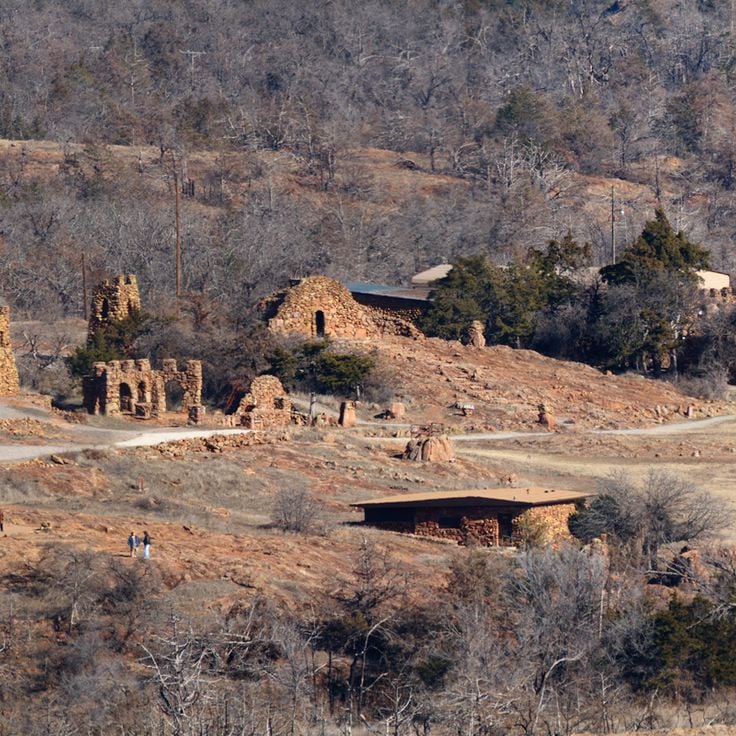
The Holy City of the Wichitas is an architectural reproduction of ancient buildings from Jerusalem, created in the 1950s within the Wichita Mountains Wildlife Refuge. The site was built for religious passion plays and contains structures such as temples, gates, and fortifications that represent biblical locations. The buildings stand in a hilly landscape with rock formations, which gives the scenery a Middle Eastern appearance. Visitors can walk among the stone structures and view the reproductions up close. The site serves as an outdoor stage and attracts visitors especially during Easter when religious performances are held here.
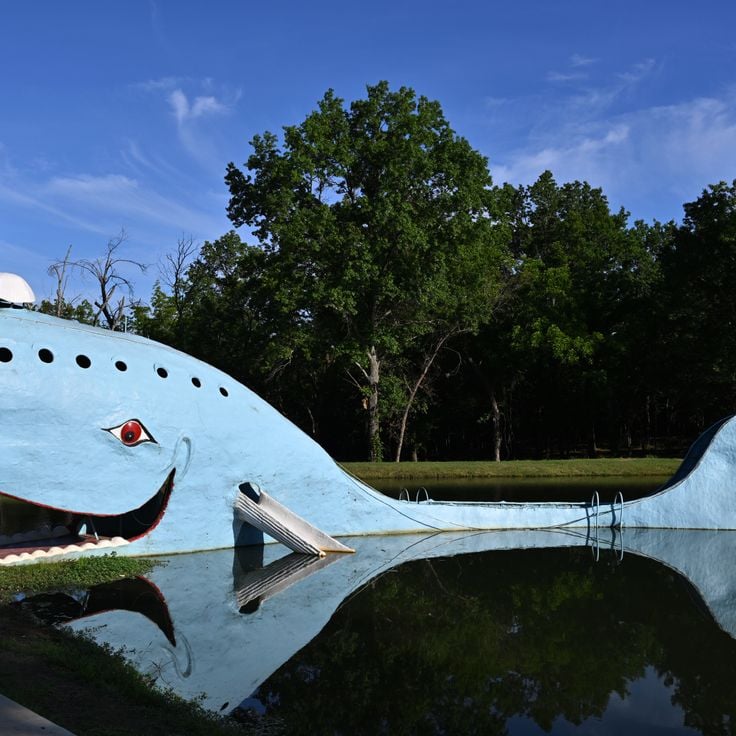
This concrete whale built in 1972 stands at an artificial pond and was originally created as a private gift before becoming a popular roadside attraction along Route 66. The blue whale features a slide and diving platform at the water where visitors can swim during warm months. The structure measures roughly 80 feet long and over 20 feet tall. Today it draws travelers looking for uncommon stops in Oklahoma.
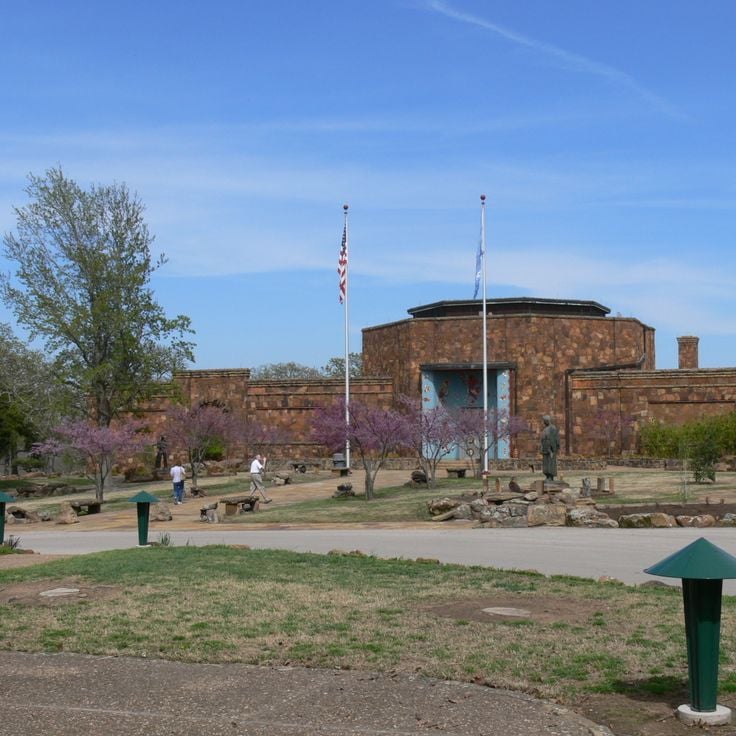
This museum on a large nature preserve shows American Western art and objects from indigenous cultures. Woolaroc combines exhibits on regional history with wildlife areas where bison and elk live. The land was originally an oil baron's estate and now holds a collection of paintings, historic firearms, and craft work from different tribes. Visitors can walk through the gallery rooms and then explore the outdoor grounds where the animals roam in open areas.
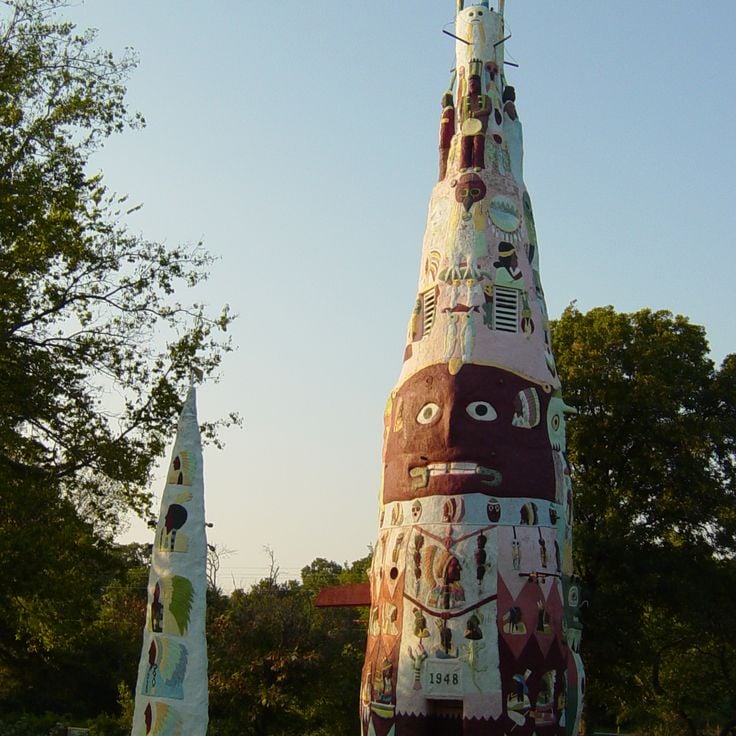
This park holds a 90-foot (27-meter) concrete sculpture with carved Native American figures, created between 1937 and 1961. The structure stands as a folk art monument in the Oklahoma prairie and counts among the uncommon attractions featured in this collection of the state's lesser-visited sites.
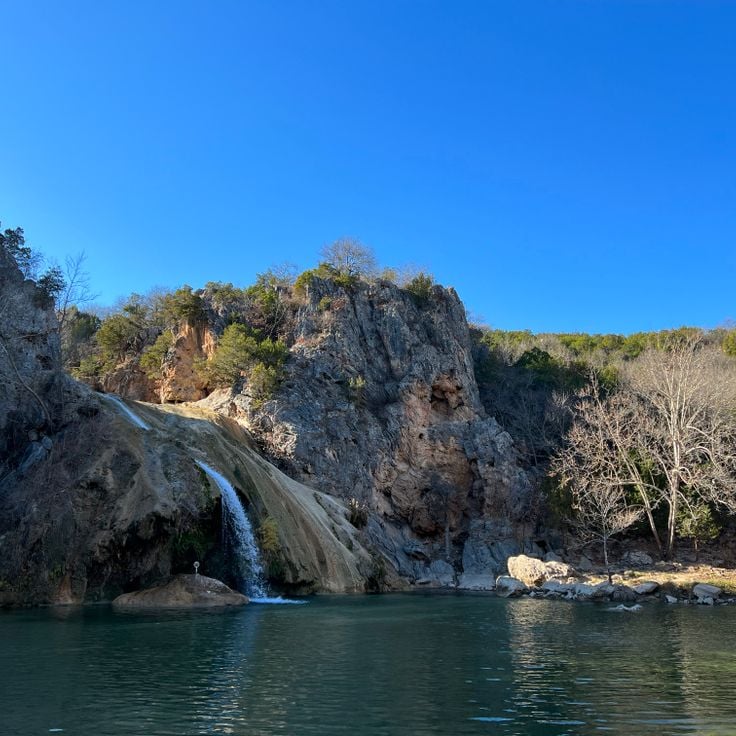
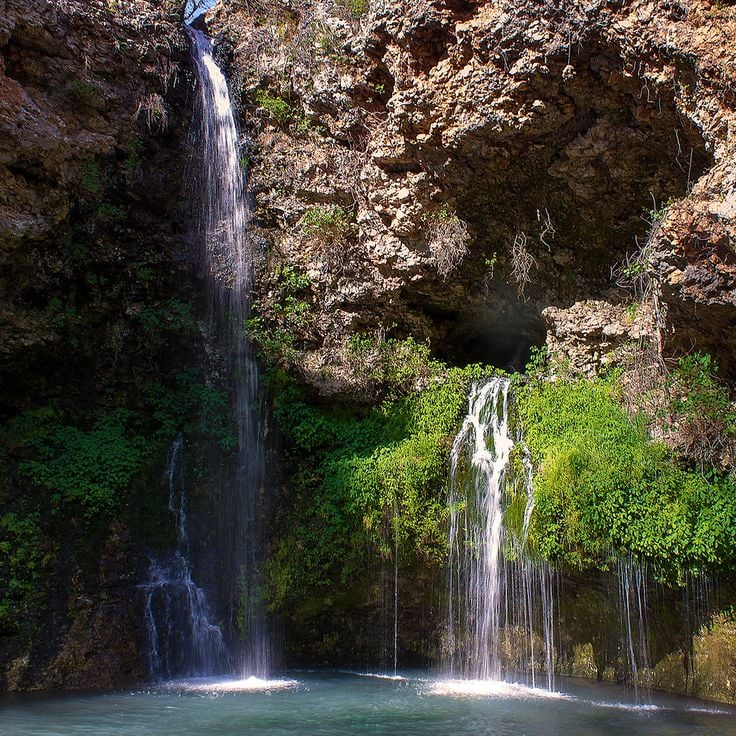
This park sits in the Arbuckle Mountains and centers on a 77-foot waterfall that flows over limestone cliffs. Visitors can swim in natural pools and developed areas, explore trails winding through wooded slopes, or discover small caves among the rocks. The place combines flowing water, shaded forest, and rocky formations into a destination for day trips and camping in southern Oklahoma.
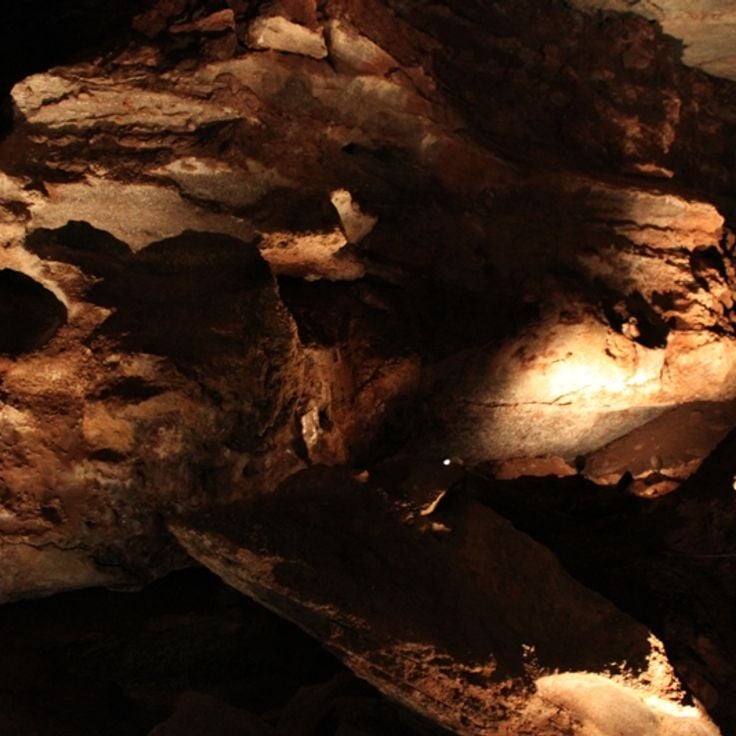
This park system includes a black gypsum cave that extends deep underground. Visitors can join guided tours and observe bat colonies in their natural habitat. The park belongs to Oklahoma's less visited natural sites and offers insight into geological formations that developed over millions of years. Darkness and coolness inside the cave contrast with the open prairie landscape outside. Some passages allow close observation of the rock structure, while bats rest along the walls. The cave's mineral composition creates a dark appearance uncommon in other cave systems across the region.
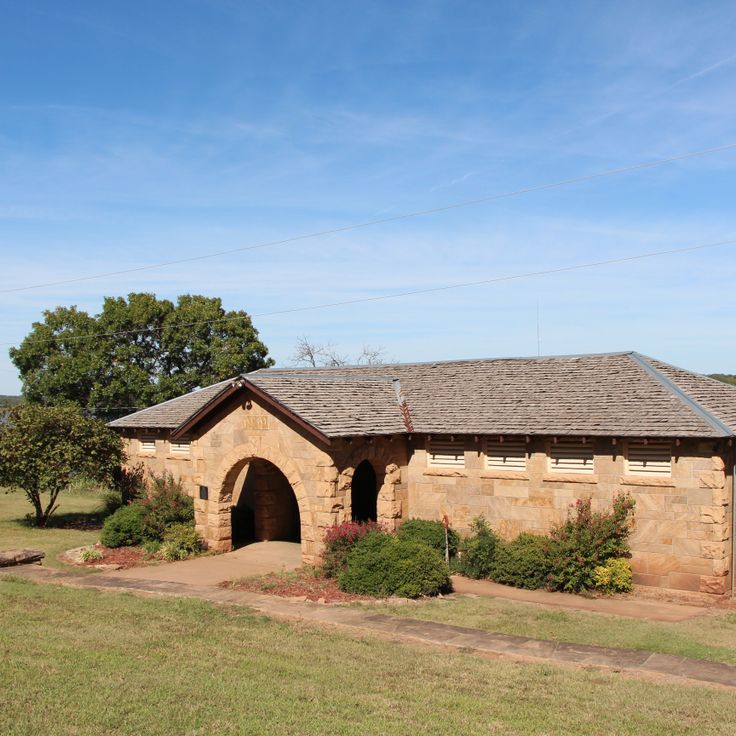
This bathhouse dates from 1939 and displays the architecture of the Great Depression era, fitting among the places in Oklahoma that often go unnoticed by travelers. The building preserves the style of those difficult years when public construction projects provided work for communities. Today, a water park with slides and swimming pools stands beside the historical bathhouse, inviting families to spend time outdoors. The combination of a period building and modern recreational facilities makes this place in Pawnee an uncommon destination that connects history with relaxation.
This park includes 3 mountains of the Sans Bois range and shelters a cave that Jesse James and Belle Starr used as a hideout, part of the lesser-traveled locations in Oklahoma that range from natural parks with caves and waterfalls to historic sites documenting the region.
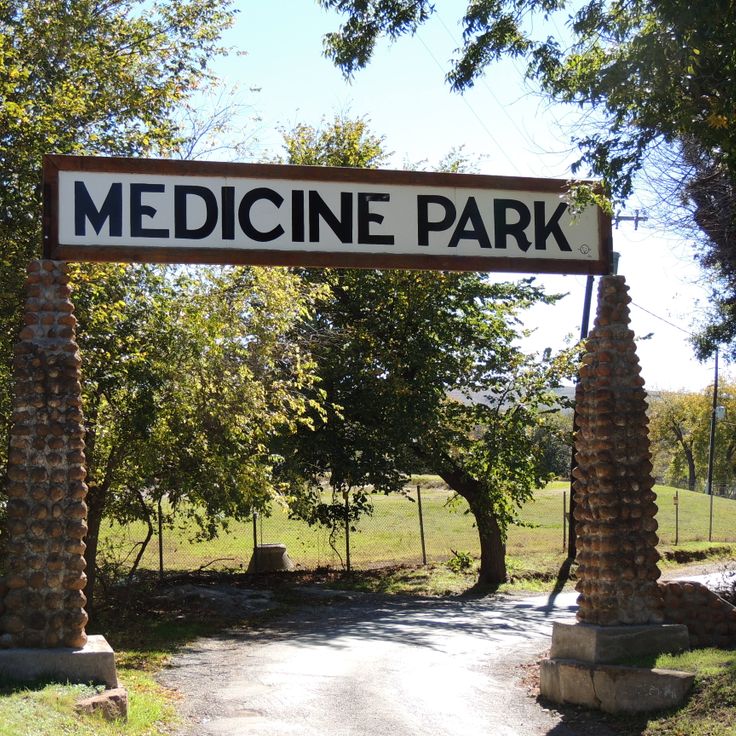
This town is a historic resort area with cobblestone streets and several shops and restaurants that date from the 1920s. Medicine Park is among the unusual places to discover in Oklahoma. Buildings made of cobblestones from the nearby Wichita Mountains define the town center. Situated along Bath Lake, the area began as a summer retreat. Today, travelers visit the small shops offering local crafts and the casual dining spots. The creek runs through the center and creates a quiet backdrop for walks along the paved paths.
This park sits in the Ozark Highlands and protects a 23-meter (75-foot) waterfall that drops over a limestone rock face. The water falls into a shallow pool surrounded by dense forest. Trails lead through the grounds, some following the creek above the falls. An observation platform stands beside the waterfall, offering a direct view of the cascade. The path to it runs along steps and wooden walkways. Visitors hear the sound of rushing water from a distance. The park preserves a piece of Oklahoma's natural landscape, away from the state's better-known locations.
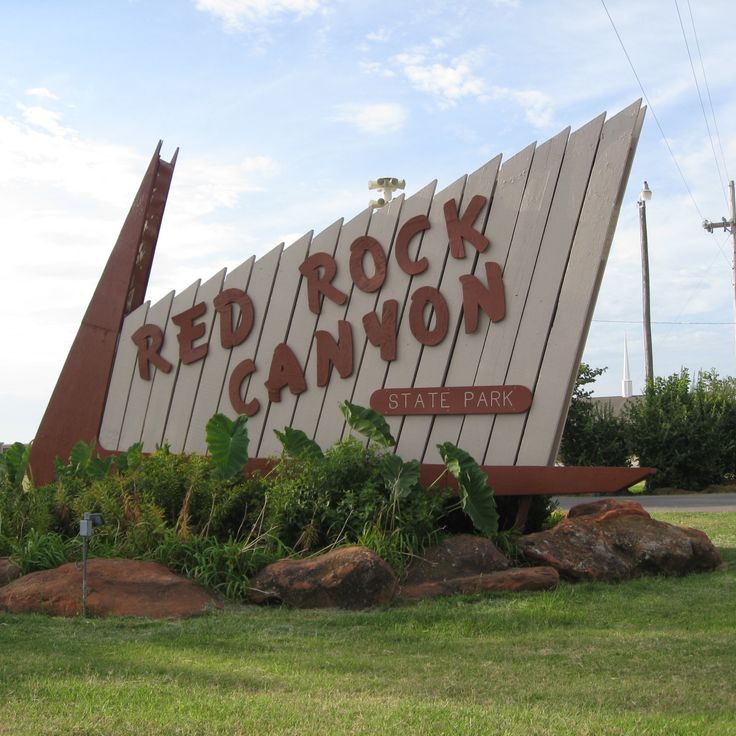
This park near Hinton protects a canyon with rust-red sandstone walls that extend for several miles. Trails pass between tall rock formations, and climbers find routes of different difficulty levels here. A campground sits directly at the base of the rock walls. The stone shows clear layering in red, orange and brown tones created by weathering. Paths run along the canyon floor and across the slopes. The area belongs to Oklahoma's less visited natural sites and lies away from larger towns.
This national recreation area sits in the Arbuckle Mountains and contains mineral springs that people have used for centuries. The landscape shifts between wooded hills, prairie patches, and waterways. Hiking trails lead to small waterfalls and along creeks. The Lake of the Arbuckles offers opportunities for swimming and boating. The springs contain various minerals and feed natural pools. Deer, turkeys, and other animals live throughout this area. Vegetation ranges from oak and hickory trees to prairie grasses.
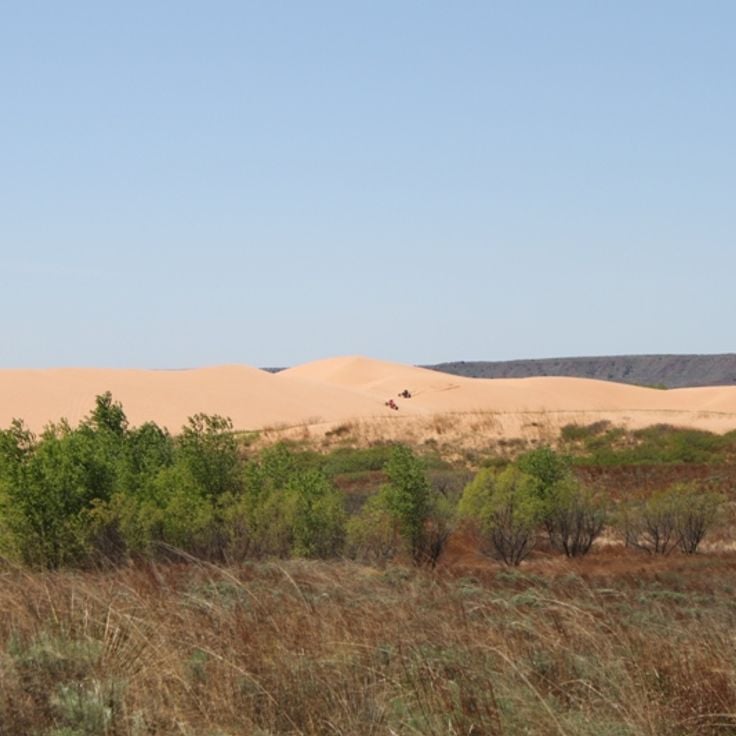
This sand desert park covers a wide area and offers an open expanse of tall dunes. The light, fine sand invites sandboarding, while trails for off-road vehicles wind through the rolling hills. The landscape resembles a desert in the middle of Oklahoma and provides an unusual experience for visitors seeking alternative destinations in the state, away from the usual routes.
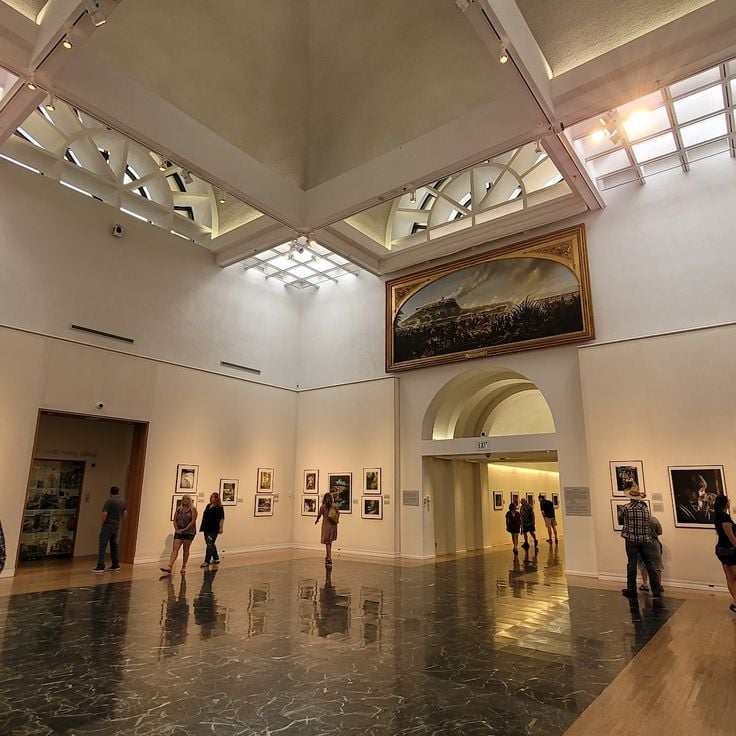
This museum gathers over 350,000 artworks and objects related to American history, culture and indigenous peoples. The Gilcrease Museum displays paintings, sculptures, documents and archaeological finds spanning several centuries. Collections focus on the American West and the original inhabitants of the continent. Visitors find works by 19th-century painters, traditional textiles, pottery and tools. The building sits in a park with gardens and walking paths. Exhibition rooms organize objects by theme and period. Those interested in North American history can trace how different communities lived and shaped their surroundings.
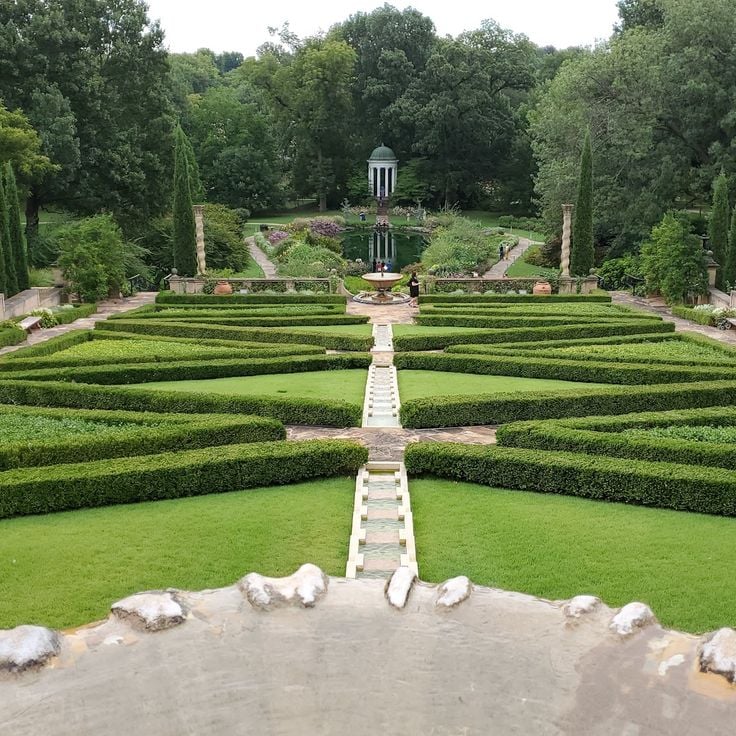
This museum in Tulsa occupies a 1920s mansion surrounded by 23 acres of gardens. The collection includes works by European and American artists from different periods. The rooms preserve the original architecture while galleries display paintings, sculptures, and decorative objects. Formal garden areas with fountains, terraces, and plantings extend across the outdoor spaces, complementing the historic estate. This destination belongs to the uncommon attractions in Oklahoma, combining art history with historic architecture in a location away from typical tourist routes.
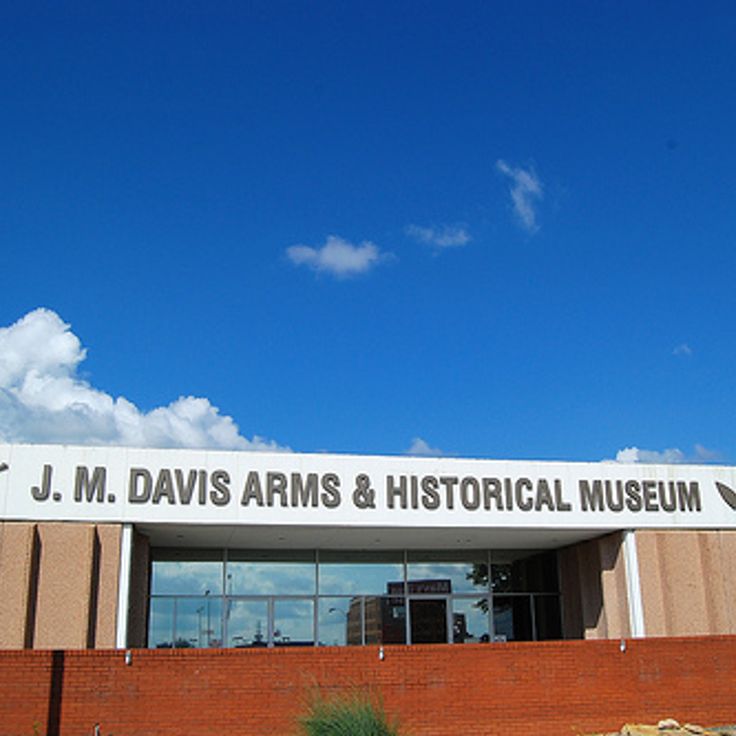
This museum in Claremore displays over 20,000 firearms, military equipment and historical objects from different periods. The collection includes weapons from several centuries and documents the development of firearms and military technology. Visitors find pistols, rifles, swords and other items that provide insight into American and international military history. The museum ranks among the largest private arms collections in the United States and adds to the lesser traveled places and attractions in Oklahoma.
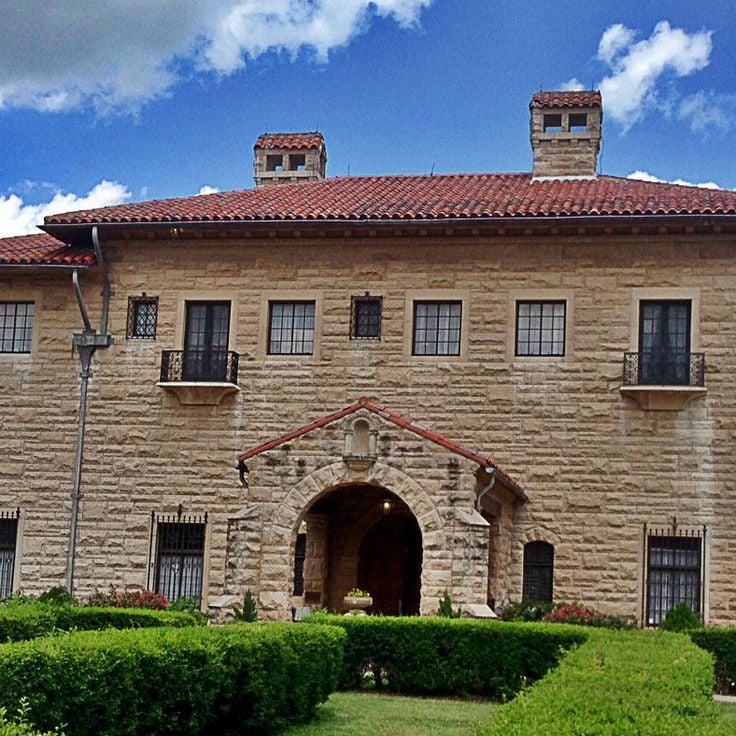
This Italian Renaissance residence, completed in 1928, holds 55 rooms displaying original furniture, art collections, and insights into Oklahoma history beyond the usual tourist routes.
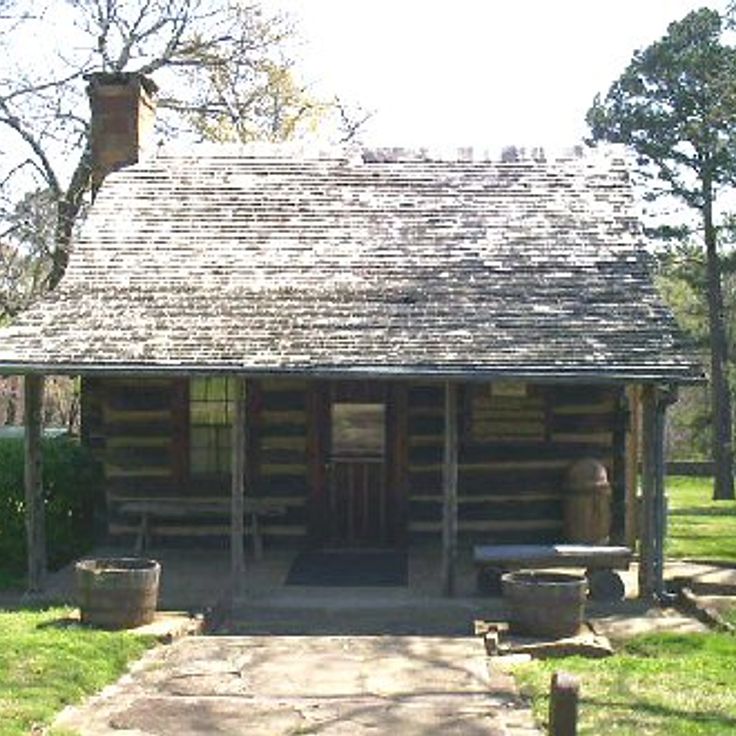
This log cabin was built in 1829 and served as the home of the Cherokee scholar who created the first writing system for a Native American language. The site preserves the place where Sequoyah developed his syllabary, which allowed the Cherokee Nation to write their language and publish their own newspaper. The cabin stands in a wooded area and offers a sense of Cherokee life in the early 19th century. Visitors can see simple furnishings and personal items that reflect the scholar's work and daily routines during this period of cultural transformation.
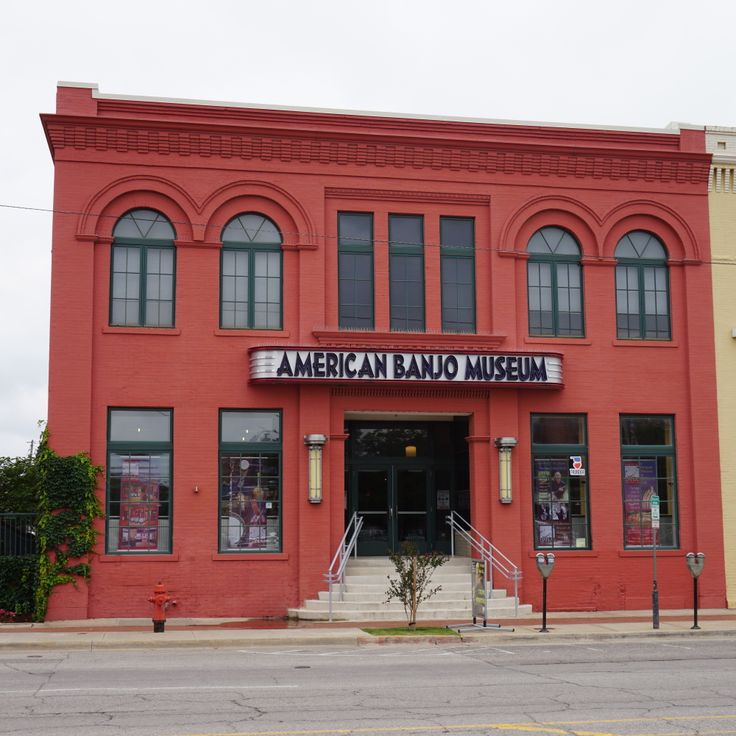
This museum in Oklahoma City displays over 400 historical instruments and traces the banjo's evolution from its African origins to the present day. The collection includes rare examples from different eras and styles, from early handcrafted pieces to modern versions. Exhibits explain how the banjo traveled to America and became central to folk, jazz, and bluegrass music. Visitors can follow changes in construction, materials, and playing techniques across the centuries.
This center documents the settlement of Oklahoma during the 1893 land opening. Exhibits show original houses and objects from the period when thousands of people came to the region to claim land. You can visit reconstructed shops, living spaces, and workshops from the late 19th century. The grounds preserve buildings actually built during those years and moved here.
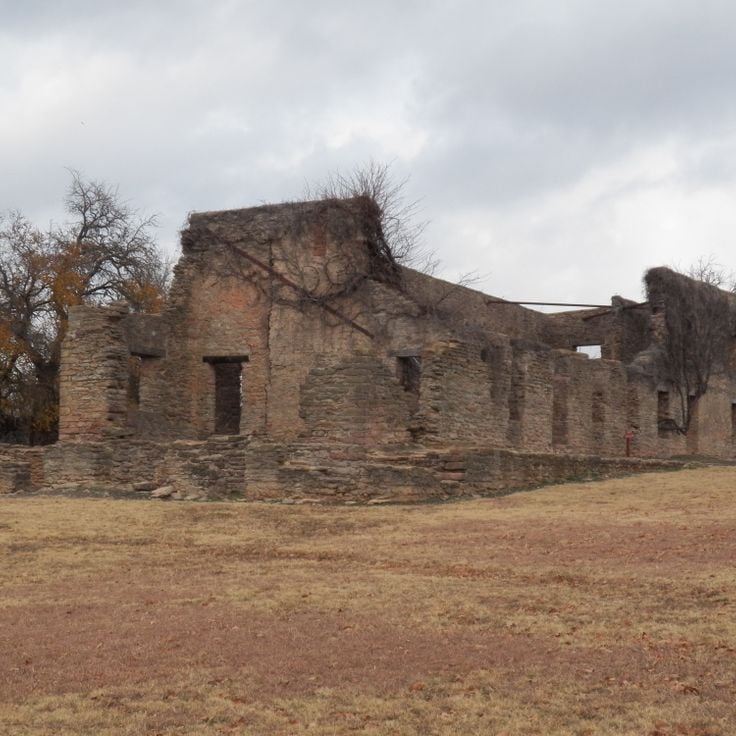
This 19th century military outpost preserves several original buildings from its years of operation. A museum displays objects related to regional history. Fort Washita documents the role of the army in Oklahoma and connections with different indigenous groups. Visitors walk through restored barracks, officers' quarters, and defensive structures. Interpretive panels describe daily soldier life and military organization of the period.
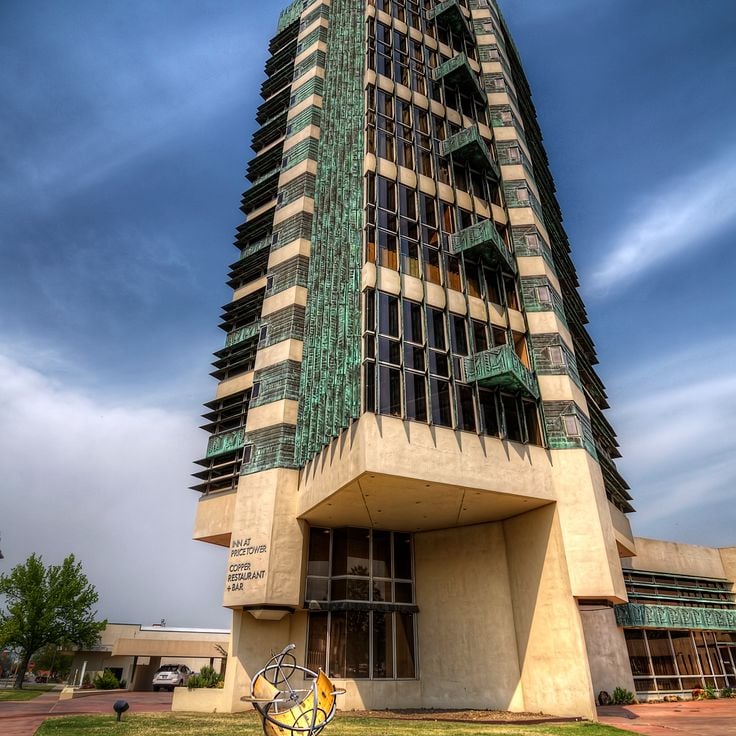
This 19-story tower from 1956 houses an art gallery, architecture exhibitions and a museum about Frank Lloyd Wright. The building stands as an example of organic architecture in Oklahoma and adds to the list of uncommon places across the state. The rooms display rotating artworks and document Wright's work on this project. From the upper floors you can see across the town and surrounding country.
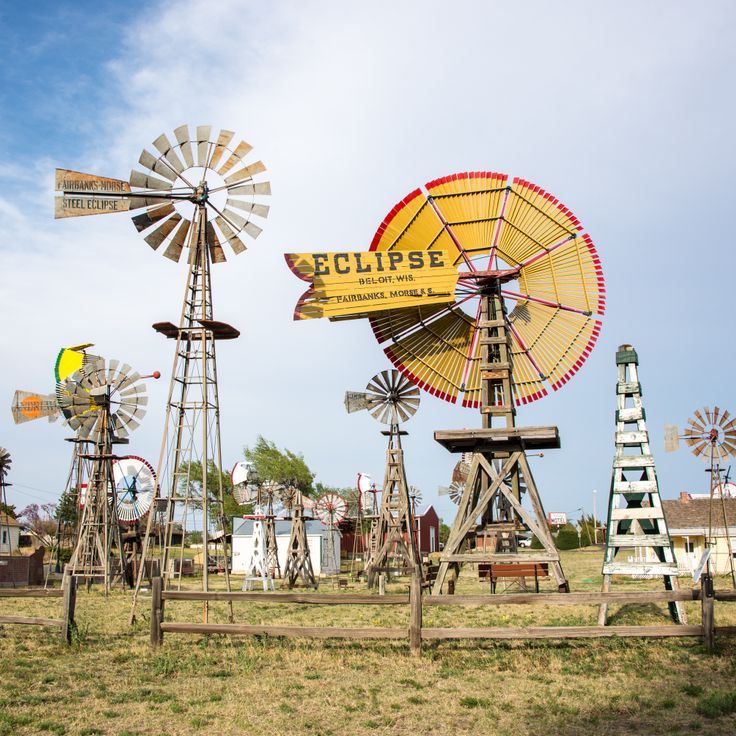
This museum displays 51 historical windmills from the American Midwest across 10 acres (4 hectares) of land, fitting among Oklahoma's less familiar collections. The mills date from different decades and show how wind-powered technology evolved across the prairie. Visitors walk among the structures and observe the different designs that once pumped water and powered farms. The grounds sit on the edge of town and offer a quiet look at the agricultural history of the region.
This park near Watonga covers around 325 hectares with limestone formations and three natural springs. Visitors can explore a golf course, horse riding trails and two nature paths running through the canyons. The landscape features pale rock walls and prairie vegetation. Roman Nose State Park belongs to the less common destinations in Oklahoma and displays the geological formations of the area. Trails run along the rock faces and lead to the springs emerging from the stone.
This state park spreads along a lake with over 110 miles (177 km) of shoreline and several marinas. The landscape offers fishing opportunities, boat ramps, and waterfowl observation points. Visitors find access to quiet coves and wooded sections along the water, where outdoor activities take place throughout the year.
This museum documents Native American life, settlers and military history of the region through tools, clothing and photographs. It shows everyday objects from different periods and gives a sense of how people lived and worked on the plains. The exhibits focus on practical aspects of life in this area, from farming equipment to personal belongings, and offer insights into how communities developed over generations.
This state park contains a natural spring that produces roughly 30,000 gallons (about 114,000 liters) of water each day. The area lies in southeastern Oklahoma and offers around 3 miles (about 5 kilometers) of marked hiking trails that wind through woodlands and meadows. The spring itself emerges from the limestone bedrock and forms a clear pool before the water flows into a creek. The park has about 40 campsites for trailers and tents. Visitors can swim, fish, or explore the paths. The grounds were significant to the Chickasaw people, who used the spring traditionally. In spring and autumn, the vegetation shows especially vivid colors.
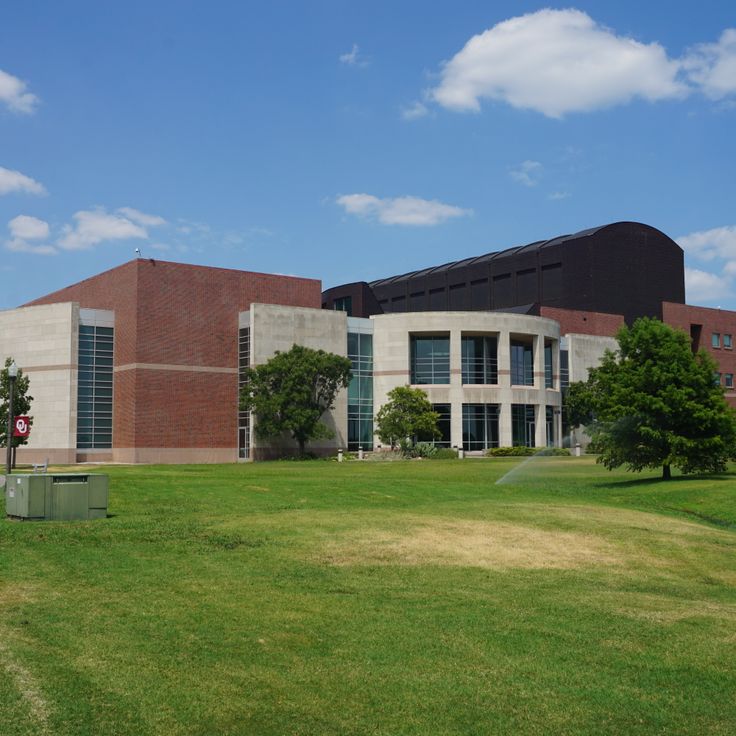
This museum displays 50,000 objects including fossils, minerals and archaeological findings from Oklahoma. The dinosaur gallery contains complete skeletons. Sam Noble Oklahoma Museum of Natural History ranks among the hidden places of the state, where visitors can trace the geological history of the region. The exhibitions document millions of years of earth development and human settlement.
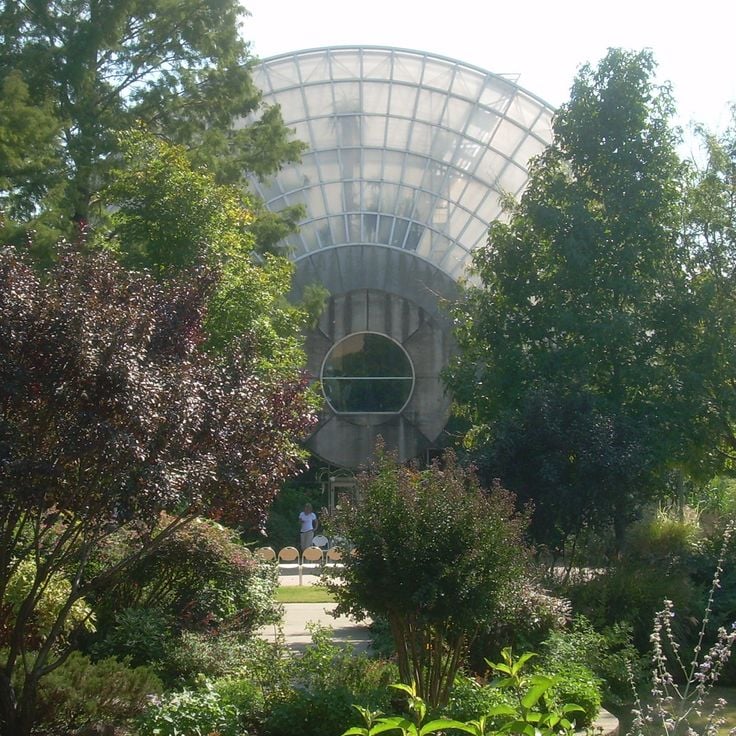
This center presents native bird species within an urban botanical garden, making Oklahoma's avian life visible in a concentrated space. The collection connects observation with learning about how birds and plants coexist in the city. Visitors can become familiar with species found in the region and understand how urban green spaces function as habitats.
This military museum tells the story of the Thunderbirds Division from the early 20th century to today. Weapons, uniforms, and documents show how the unit served in several wars. The collection includes vehicles, personal items from soldiers, and materials about Oklahoma military history. Visitors learn how the division changed over time and what role it played in different conflicts.
This house built in 1905 displays furniture and personal items from three generations of the Drummond family, who were among the early settlers and merchants in the Osage Territory and operated a general store and ranch, providing insight into the life of a family connected to the development of Hominy and the region.
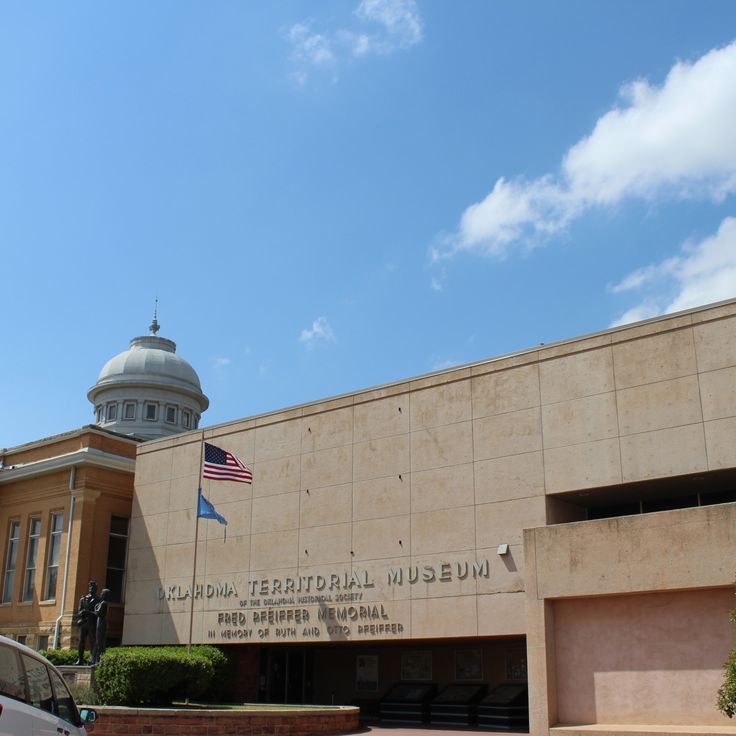
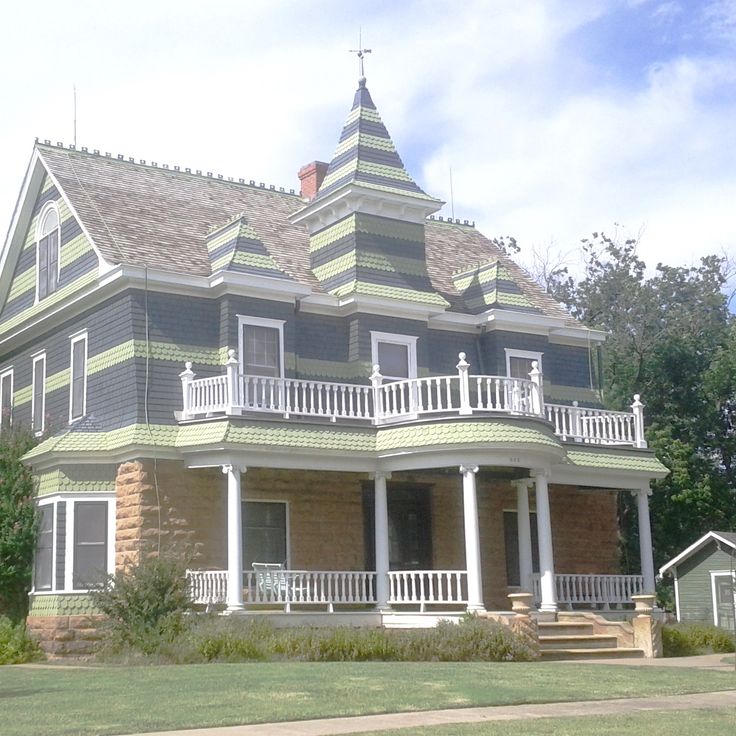
This museum documents Oklahoma's development from 1889 to statehood in 1907 through photographs and period documents. The collection includes materials on land runs, territorial administration, and daily life during the settlement years. The building itself dates from the time when Guthrie served as territorial capital and preserves the architecture of that era.
The Holy City of the Wichitas is an architectural reproduction of ancient buildings from Jerusalem, created in the 1950s within the Wichita Mountains Wildlife Refuge. The site was built for religious passion plays and contains structures such as temples, gates, and fortifications that represent biblical locations. The buildings stand in a hilly landscape with rock formations, which gives the scenery a Middle Eastern appearance. Visitors can walk among the stone structures and view the reproductions up close. The site serves as an outdoor stage and attracts visitors especially during Easter when religious performances are held here.
This concrete whale built in 1972 stands at an artificial pond and was originally created as a private gift before becoming a popular roadside attraction along Route 66. The blue whale features a slide and diving platform at the water where visitors can swim during warm months. The structure measures roughly 80 feet long and over 20 feet tall. Today it draws travelers looking for uncommon stops in Oklahoma.
This museum on a large nature preserve shows American Western art and objects from indigenous cultures. Woolaroc combines exhibits on regional history with wildlife areas where bison and elk live. The land was originally an oil baron's estate and now holds a collection of paintings, historic firearms, and craft work from different tribes. Visitors can walk through the gallery rooms and then explore the outdoor grounds where the animals roam in open areas.
This park holds a 90-foot (27-meter) concrete sculpture with carved Native American figures, created between 1937 and 1961. The structure stands as a folk art monument in the Oklahoma prairie and counts among the uncommon attractions featured in this collection of the state's lesser-visited sites.
This park sits in the Arbuckle Mountains and centers on a 77-foot waterfall that flows over limestone cliffs. Visitors can swim in natural pools and developed areas, explore trails winding through wooded slopes, or discover small caves among the rocks. The place combines flowing water, shaded forest, and rocky formations into a destination for day trips and camping in southern Oklahoma.
This park system includes a black gypsum cave that extends deep underground. Visitors can join guided tours and observe bat colonies in their natural habitat. The park belongs to Oklahoma's less visited natural sites and offers insight into geological formations that developed over millions of years. Darkness and coolness inside the cave contrast with the open prairie landscape outside. Some passages allow close observation of the rock structure, while bats rest along the walls. The cave's mineral composition creates a dark appearance uncommon in other cave systems across the region.
This bathhouse dates from 1939 and displays the architecture of the Great Depression era, fitting among the places in Oklahoma that often go unnoticed by travelers. The building preserves the style of those difficult years when public construction projects provided work for communities. Today, a water park with slides and swimming pools stands beside the historical bathhouse, inviting families to spend time outdoors. The combination of a period building and modern recreational facilities makes this place in Pawnee an uncommon destination that connects history with relaxation.
This park includes 3 mountains of the Sans Bois range and shelters a cave that Jesse James and Belle Starr used as a hideout, part of the lesser-traveled locations in Oklahoma that range from natural parks with caves and waterfalls to historic sites documenting the region.
This town is a historic resort area with cobblestone streets and several shops and restaurants that date from the 1920s. Medicine Park is among the unusual places to discover in Oklahoma. Buildings made of cobblestones from the nearby Wichita Mountains define the town center. Situated along Bath Lake, the area began as a summer retreat. Today, travelers visit the small shops offering local crafts and the casual dining spots. The creek runs through the center and creates a quiet backdrop for walks along the paved paths.
This park sits in the Ozark Highlands and protects a 23-meter (75-foot) waterfall that drops over a limestone rock face. The water falls into a shallow pool surrounded by dense forest. Trails lead through the grounds, some following the creek above the falls. An observation platform stands beside the waterfall, offering a direct view of the cascade. The path to it runs along steps and wooden walkways. Visitors hear the sound of rushing water from a distance. The park preserves a piece of Oklahoma's natural landscape, away from the state's better-known locations.
This park near Hinton protects a canyon with rust-red sandstone walls that extend for several miles. Trails pass between tall rock formations, and climbers find routes of different difficulty levels here. A campground sits directly at the base of the rock walls. The stone shows clear layering in red, orange and brown tones created by weathering. Paths run along the canyon floor and across the slopes. The area belongs to Oklahoma's less visited natural sites and lies away from larger towns.
This national recreation area sits in the Arbuckle Mountains and contains mineral springs that people have used for centuries. The landscape shifts between wooded hills, prairie patches, and waterways. Hiking trails lead to small waterfalls and along creeks. The Lake of the Arbuckles offers opportunities for swimming and boating. The springs contain various minerals and feed natural pools. Deer, turkeys, and other animals live throughout this area. Vegetation ranges from oak and hickory trees to prairie grasses.
This sand desert park covers a wide area and offers an open expanse of tall dunes. The light, fine sand invites sandboarding, while trails for off-road vehicles wind through the rolling hills. The landscape resembles a desert in the middle of Oklahoma and provides an unusual experience for visitors seeking alternative destinations in the state, away from the usual routes.
This museum gathers over 350,000 artworks and objects related to American history, culture and indigenous peoples. The Gilcrease Museum displays paintings, sculptures, documents and archaeological finds spanning several centuries. Collections focus on the American West and the original inhabitants of the continent. Visitors find works by 19th-century painters, traditional textiles, pottery and tools. The building sits in a park with gardens and walking paths. Exhibition rooms organize objects by theme and period. Those interested in North American history can trace how different communities lived and shaped their surroundings.
This museum in Tulsa occupies a 1920s mansion surrounded by 23 acres of gardens. The collection includes works by European and American artists from different periods. The rooms preserve the original architecture while galleries display paintings, sculptures, and decorative objects. Formal garden areas with fountains, terraces, and plantings extend across the outdoor spaces, complementing the historic estate. This destination belongs to the uncommon attractions in Oklahoma, combining art history with historic architecture in a location away from typical tourist routes.
This museum in Claremore displays over 20,000 firearms, military equipment and historical objects from different periods. The collection includes weapons from several centuries and documents the development of firearms and military technology. Visitors find pistols, rifles, swords and other items that provide insight into American and international military history. The museum ranks among the largest private arms collections in the United States and adds to the lesser traveled places and attractions in Oklahoma.
This Italian Renaissance residence, completed in 1928, holds 55 rooms displaying original furniture, art collections, and insights into Oklahoma history beyond the usual tourist routes.
This log cabin was built in 1829 and served as the home of the Cherokee scholar who created the first writing system for a Native American language. The site preserves the place where Sequoyah developed his syllabary, which allowed the Cherokee Nation to write their language and publish their own newspaper. The cabin stands in a wooded area and offers a sense of Cherokee life in the early 19th century. Visitors can see simple furnishings and personal items that reflect the scholar's work and daily routines during this period of cultural transformation.
This museum in Oklahoma City displays over 400 historical instruments and traces the banjo's evolution from its African origins to the present day. The collection includes rare examples from different eras and styles, from early handcrafted pieces to modern versions. Exhibits explain how the banjo traveled to America and became central to folk, jazz, and bluegrass music. Visitors can follow changes in construction, materials, and playing techniques across the centuries.
This center documents the settlement of Oklahoma during the 1893 land opening. Exhibits show original houses and objects from the period when thousands of people came to the region to claim land. You can visit reconstructed shops, living spaces, and workshops from the late 19th century. The grounds preserve buildings actually built during those years and moved here.
This 19th century military outpost preserves several original buildings from its years of operation. A museum displays objects related to regional history. Fort Washita documents the role of the army in Oklahoma and connections with different indigenous groups. Visitors walk through restored barracks, officers' quarters, and defensive structures. Interpretive panels describe daily soldier life and military organization of the period.
This 19-story tower from 1956 houses an art gallery, architecture exhibitions and a museum about Frank Lloyd Wright. The building stands as an example of organic architecture in Oklahoma and adds to the list of uncommon places across the state. The rooms display rotating artworks and document Wright's work on this project. From the upper floors you can see across the town and surrounding country.
This museum displays 51 historical windmills from the American Midwest across 10 acres (4 hectares) of land, fitting among Oklahoma's less familiar collections. The mills date from different decades and show how wind-powered technology evolved across the prairie. Visitors walk among the structures and observe the different designs that once pumped water and powered farms. The grounds sit on the edge of town and offer a quiet look at the agricultural history of the region.
This park near Watonga covers around 325 hectares with limestone formations and three natural springs. Visitors can explore a golf course, horse riding trails and two nature paths running through the canyons. The landscape features pale rock walls and prairie vegetation. Roman Nose State Park belongs to the less common destinations in Oklahoma and displays the geological formations of the area. Trails run along the rock faces and lead to the springs emerging from the stone.
This state park spreads along a lake with over 110 miles (177 km) of shoreline and several marinas. The landscape offers fishing opportunities, boat ramps, and waterfowl observation points. Visitors find access to quiet coves and wooded sections along the water, where outdoor activities take place throughout the year.
This museum documents Native American life, settlers and military history of the region through tools, clothing and photographs. It shows everyday objects from different periods and gives a sense of how people lived and worked on the plains. The exhibits focus on practical aspects of life in this area, from farming equipment to personal belongings, and offer insights into how communities developed over generations.
This state park contains a natural spring that produces roughly 30,000 gallons (about 114,000 liters) of water each day. The area lies in southeastern Oklahoma and offers around 3 miles (about 5 kilometers) of marked hiking trails that wind through woodlands and meadows. The spring itself emerges from the limestone bedrock and forms a clear pool before the water flows into a creek. The park has about 40 campsites for trailers and tents. Visitors can swim, fish, or explore the paths. The grounds were significant to the Chickasaw people, who used the spring traditionally. In spring and autumn, the vegetation shows especially vivid colors.
This museum displays 50,000 objects including fossils, minerals and archaeological findings from Oklahoma. The dinosaur gallery contains complete skeletons. Sam Noble Oklahoma Museum of Natural History ranks among the hidden places of the state, where visitors can trace the geological history of the region. The exhibitions document millions of years of earth development and human settlement.
This center presents native bird species within an urban botanical garden, making Oklahoma's avian life visible in a concentrated space. The collection connects observation with learning about how birds and plants coexist in the city. Visitors can become familiar with species found in the region and understand how urban green spaces function as habitats.
This military museum tells the story of the Thunderbirds Division from the early 20th century to today. Weapons, uniforms, and documents show how the unit served in several wars. The collection includes vehicles, personal items from soldiers, and materials about Oklahoma military history. Visitors learn how the division changed over time and what role it played in different conflicts.
This house built in 1905 displays furniture and personal items from three generations of the Drummond family, who were among the early settlers and merchants in the Osage Territory and operated a general store and ranch, providing insight into the life of a family connected to the development of Hominy and the region.
This museum documents Oklahoma's development from 1889 to statehood in 1907 through photographs and period documents. The collection includes materials on land runs, territorial administration, and daily life during the settlement years. The building itself dates from the time when Guthrie served as territorial capital and preserves the architecture of that era.
The Holy City of the Wichitas is an architectural reproduction of ancient buildings from Jerusalem, created in the 1950s within the Wichita Mountains Wildlife Refuge. The site was built for religious passion plays and contains structures such as temples, gates, and fortifications that represent biblical locations. The buildings stand in a hilly landscape with rock formations, which gives the scenery a Middle Eastern appearance. Visitors can walk among the stone structures and view the reproductions up close. The site serves as an outdoor stage and attracts visitors especially during Easter when religious performances are held here.
This concrete whale built in 1972 stands at an artificial pond and was originally created as a private gift before becoming a popular roadside attraction along Route 66. The blue whale features a slide and diving platform at the water where visitors can swim during warm months. The structure measures roughly 80 feet long and over 20 feet tall. Today it draws travelers looking for uncommon stops in Oklahoma.
This museum on a large nature preserve shows American Western art and objects from indigenous cultures. Woolaroc combines exhibits on regional history with wildlife areas where bison and elk live. The land was originally an oil baron's estate and now holds a collection of paintings, historic firearms, and craft work from different tribes. Visitors can walk through the gallery rooms and then explore the outdoor grounds where the animals roam in open areas.
This park holds a 90-foot (27-meter) concrete sculpture with carved Native American figures, created between 1937 and 1961. The structure stands as a folk art monument in the Oklahoma prairie and counts among the uncommon attractions featured in this collection of the state's lesser-visited sites.
This park sits in the Arbuckle Mountains and centers on a 77-foot waterfall that flows over limestone cliffs. Visitors can swim in natural pools and developed areas, explore trails winding through wooded slopes, or discover small caves among the rocks. The place combines flowing water, shaded forest, and rocky formations into a destination for day trips and camping in southern Oklahoma.
This park system includes a black gypsum cave that extends deep underground. Visitors can join guided tours and observe bat colonies in their natural habitat. The park belongs to Oklahoma's less visited natural sites and offers insight into geological formations that developed over millions of years. Darkness and coolness inside the cave contrast with the open prairie landscape outside. Some passages allow close observation of the rock structure, while bats rest along the walls. The cave's mineral composition creates a dark appearance uncommon in other cave systems across the region.
This bathhouse dates from 1939 and displays the architecture of the Great Depression era, fitting among the places in Oklahoma that often go unnoticed by travelers. The building preserves the style of those difficult years when public construction projects provided work for communities. Today, a water park with slides and swimming pools stands beside the historical bathhouse, inviting families to spend time outdoors. The combination of a period building and modern recreational facilities makes this place in Pawnee an uncommon destination that connects history with relaxation.
This park includes 3 mountains of the Sans Bois range and shelters a cave that Jesse James and Belle Starr used as a hideout, part of the lesser-traveled locations in Oklahoma that range from natural parks with caves and waterfalls to historic sites documenting the region.
This town is a historic resort area with cobblestone streets and several shops and restaurants that date from the 1920s. Medicine Park is among the unusual places to discover in Oklahoma. Buildings made of cobblestones from the nearby Wichita Mountains define the town center. Situated along Bath Lake, the area began as a summer retreat. Today, travelers visit the small shops offering local crafts and the casual dining spots. The creek runs through the center and creates a quiet backdrop for walks along the paved paths.
This park sits in the Ozark Highlands and protects a 23-meter (75-foot) waterfall that drops over a limestone rock face. The water falls into a shallow pool surrounded by dense forest. Trails lead through the grounds, some following the creek above the falls. An observation platform stands beside the waterfall, offering a direct view of the cascade. The path to it runs along steps and wooden walkways. Visitors hear the sound of rushing water from a distance. The park preserves a piece of Oklahoma's natural landscape, away from the state's better-known locations.
This park near Hinton protects a canyon with rust-red sandstone walls that extend for several miles. Trails pass between tall rock formations, and climbers find routes of different difficulty levels here. A campground sits directly at the base of the rock walls. The stone shows clear layering in red, orange and brown tones created by weathering. Paths run along the canyon floor and across the slopes. The area belongs to Oklahoma's less visited natural sites and lies away from larger towns.
This national recreation area sits in the Arbuckle Mountains and contains mineral springs that people have used for centuries. The landscape shifts between wooded hills, prairie patches, and waterways. Hiking trails lead to small waterfalls and along creeks. The Lake of the Arbuckles offers opportunities for swimming and boating. The springs contain various minerals and feed natural pools. Deer, turkeys, and other animals live throughout this area. Vegetation ranges from oak and hickory trees to prairie grasses.
This sand desert park covers a wide area and offers an open expanse of tall dunes. The light, fine sand invites sandboarding, while trails for off-road vehicles wind through the rolling hills. The landscape resembles a desert in the middle of Oklahoma and provides an unusual experience for visitors seeking alternative destinations in the state, away from the usual routes.
This museum gathers over 350,000 artworks and objects related to American history, culture and indigenous peoples. The Gilcrease Museum displays paintings, sculptures, documents and archaeological finds spanning several centuries. Collections focus on the American West and the original inhabitants of the continent. Visitors find works by 19th-century painters, traditional textiles, pottery and tools. The building sits in a park with gardens and walking paths. Exhibition rooms organize objects by theme and period. Those interested in North American history can trace how different communities lived and shaped their surroundings.
This museum in Tulsa occupies a 1920s mansion surrounded by 23 acres of gardens. The collection includes works by European and American artists from different periods. The rooms preserve the original architecture while galleries display paintings, sculptures, and decorative objects. Formal garden areas with fountains, terraces, and plantings extend across the outdoor spaces, complementing the historic estate. This destination belongs to the uncommon attractions in Oklahoma, combining art history with historic architecture in a location away from typical tourist routes.
This museum in Claremore displays over 20,000 firearms, military equipment and historical objects from different periods. The collection includes weapons from several centuries and documents the development of firearms and military technology. Visitors find pistols, rifles, swords and other items that provide insight into American and international military history. The museum ranks among the largest private arms collections in the United States and adds to the lesser traveled places and attractions in Oklahoma.
This Italian Renaissance residence, completed in 1928, holds 55 rooms displaying original furniture, art collections, and insights into Oklahoma history beyond the usual tourist routes.
This log cabin was built in 1829 and served as the home of the Cherokee scholar who created the first writing system for a Native American language. The site preserves the place where Sequoyah developed his syllabary, which allowed the Cherokee Nation to write their language and publish their own newspaper. The cabin stands in a wooded area and offers a sense of Cherokee life in the early 19th century. Visitors can see simple furnishings and personal items that reflect the scholar's work and daily routines during this period of cultural transformation.
This museum in Oklahoma City displays over 400 historical instruments and traces the banjo's evolution from its African origins to the present day. The collection includes rare examples from different eras and styles, from early handcrafted pieces to modern versions. Exhibits explain how the banjo traveled to America and became central to folk, jazz, and bluegrass music. Visitors can follow changes in construction, materials, and playing techniques across the centuries.
This center documents the settlement of Oklahoma during the 1893 land opening. Exhibits show original houses and objects from the period when thousands of people came to the region to claim land. You can visit reconstructed shops, living spaces, and workshops from the late 19th century. The grounds preserve buildings actually built during those years and moved here.
This 19th century military outpost preserves several original buildings from its years of operation. A museum displays objects related to regional history. Fort Washita documents the role of the army in Oklahoma and connections with different indigenous groups. Visitors walk through restored barracks, officers' quarters, and defensive structures. Interpretive panels describe daily soldier life and military organization of the period.
This 19-story tower from 1956 houses an art gallery, architecture exhibitions and a museum about Frank Lloyd Wright. The building stands as an example of organic architecture in Oklahoma and adds to the list of uncommon places across the state. The rooms display rotating artworks and document Wright's work on this project. From the upper floors you can see across the town and surrounding country.
This museum displays 51 historical windmills from the American Midwest across 10 acres (4 hectares) of land, fitting among Oklahoma's less familiar collections. The mills date from different decades and show how wind-powered technology evolved across the prairie. Visitors walk among the structures and observe the different designs that once pumped water and powered farms. The grounds sit on the edge of town and offer a quiet look at the agricultural history of the region.
This park near Watonga covers around 325 hectares with limestone formations and three natural springs. Visitors can explore a golf course, horse riding trails and two nature paths running through the canyons. The landscape features pale rock walls and prairie vegetation. Roman Nose State Park belongs to the less common destinations in Oklahoma and displays the geological formations of the area. Trails run along the rock faces and lead to the springs emerging from the stone.
This state park spreads along a lake with over 110 miles (177 km) of shoreline and several marinas. The landscape offers fishing opportunities, boat ramps, and waterfowl observation points. Visitors find access to quiet coves and wooded sections along the water, where outdoor activities take place throughout the year.
This museum documents Native American life, settlers and military history of the region through tools, clothing and photographs. It shows everyday objects from different periods and gives a sense of how people lived and worked on the plains. The exhibits focus on practical aspects of life in this area, from farming equipment to personal belongings, and offer insights into how communities developed over generations.
This state park contains a natural spring that produces roughly 30,000 gallons (about 114,000 liters) of water each day. The area lies in southeastern Oklahoma and offers around 3 miles (about 5 kilometers) of marked hiking trails that wind through woodlands and meadows. The spring itself emerges from the limestone bedrock and forms a clear pool before the water flows into a creek. The park has about 40 campsites for trailers and tents. Visitors can swim, fish, or explore the paths. The grounds were significant to the Chickasaw people, who used the spring traditionally. In spring and autumn, the vegetation shows especially vivid colors.
This museum displays 50,000 objects including fossils, minerals and archaeological findings from Oklahoma. The dinosaur gallery contains complete skeletons. Sam Noble Oklahoma Museum of Natural History ranks among the hidden places of the state, where visitors can trace the geological history of the region. The exhibitions document millions of years of earth development and human settlement.
This center presents native bird species within an urban botanical garden, making Oklahoma's avian life visible in a concentrated space. The collection connects observation with learning about how birds and plants coexist in the city. Visitors can become familiar with species found in the region and understand how urban green spaces function as habitats.
This military museum tells the story of the Thunderbirds Division from the early 20th century to today. Weapons, uniforms, and documents show how the unit served in several wars. The collection includes vehicles, personal items from soldiers, and materials about Oklahoma military history. Visitors learn how the division changed over time and what role it played in different conflicts.
This house built in 1905 displays furniture and personal items from three generations of the Drummond family, who were among the early settlers and merchants in the Osage Territory and operated a general store and ranch, providing insight into the life of a family connected to the development of Hominy and the region.
This museum documents Oklahoma's development from 1889 to statehood in 1907 through photographs and period documents. The collection includes materials on land runs, territorial administration, and daily life during the settlement years. The building itself dates from the time when Guthrie served as territorial capital and preserves the architecture of that era.