See the monuments around you in AROpen chests in the app
Around Us is built for your phone — point your camera at the streets and discover the monuments and places around you in augmented reality.Around Us is built for your phone — chests unlock when you walk, explore and capture nearby places.
Writers, musicians, and actors who have left their mark on France are buried in its cemeteries and monuments. They invite reflection and remembrance.
Here is an article, like a tribute to about thirty famous French or foreign figures spread across the main cemeteries and monuments of France. These burial places have become important visits, allowing visitors to pay respects to major figures in literature, music, cinema, and French culture. The graves are mainly in Paris, in the cemeteries of Père-Lachaise, Montparnasse, and Montmartre, as well as in other parts of France.
Writers, musicians, and actors who have left their mark on France are buried in its cemeteries and monuments. They invite reflection and remembrance.
Here is an article, like a tribute to about thirty famous French or foreign figures spread across the main cemeteries and monuments of France. These burial places have become important visits, allowing visitors to pay respects to major figures in literature, music, cinema, and French culture. The graves are mainly in Paris, in the cemeteries of Père-Lachaise, Montparnasse, and Montmartre, as well as in other parts of France.
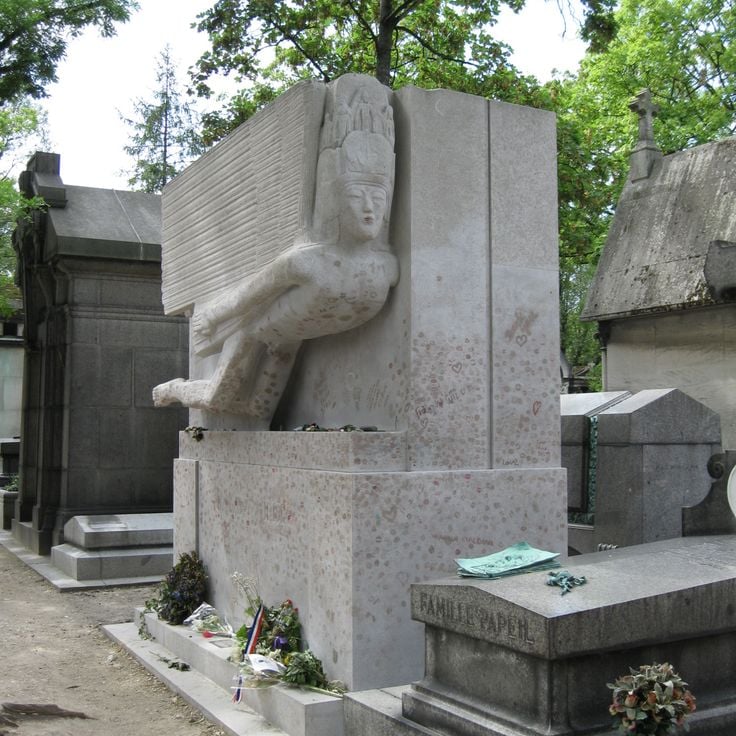
Oscar Wilde's tomb is in Père-Lachaise cemetery in Paris. The Irish writer and playwright died in the city in 1900. His grave is marked by a large stone block carved with a winged figure. Many visitors come here to pay their respects and leave a small tribute.
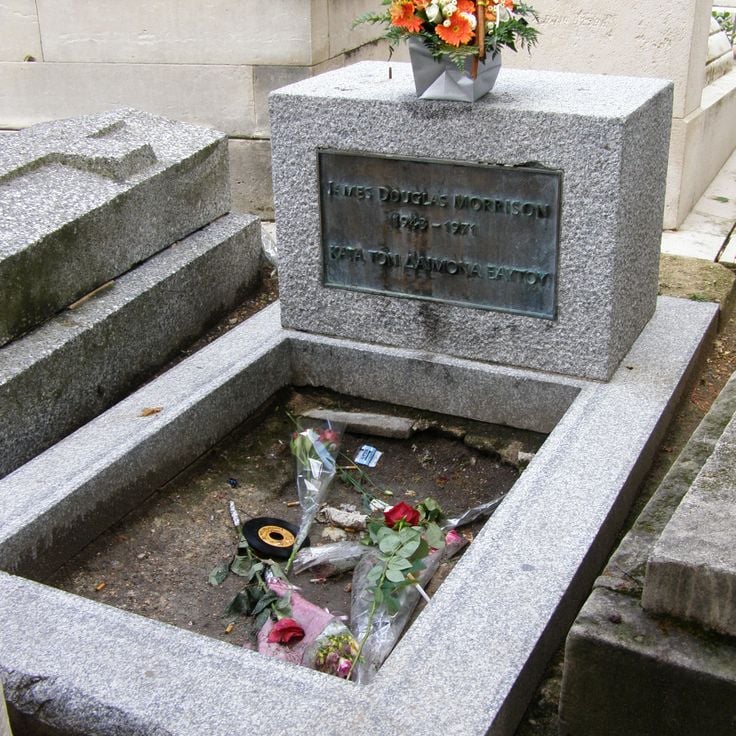
The grave of Jim Morrison, singer of The Doors, sits in the Père-Lachaise cemetery in Paris. It is one of the most visited spots in the entire cemetery. Fans travel from around the world to pay their respects, often leaving flowers, messages, or small objects on the stone.
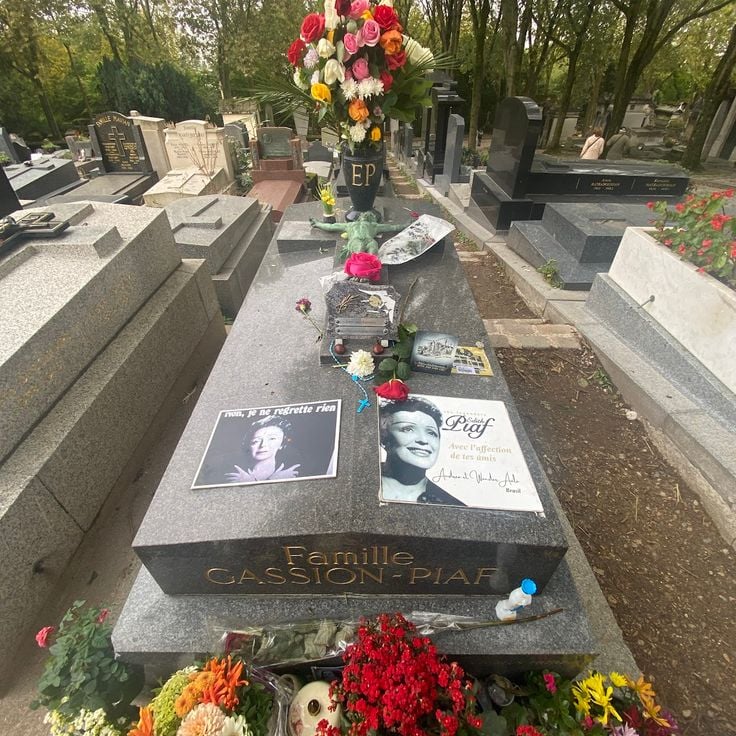
The grave of Édith Piaf sits in the Père-Lachaise cemetery in Paris. The singer, known as the voice of French chanson, died in 1963. Her grave is one of the most visited on the entire cemetery grounds, and people regularly come to leave flowers and pay their respects.
The tomb of Molière is in the Père-Lachaise cemetery in Paris. Molière was a playwright and actor of the 17th century, known for comedies such as The Miser and The Imaginary Invalid. His work shaped French theater for centuries. Many visitors come to this spot to pay their respects to one of the great figures of French literature.
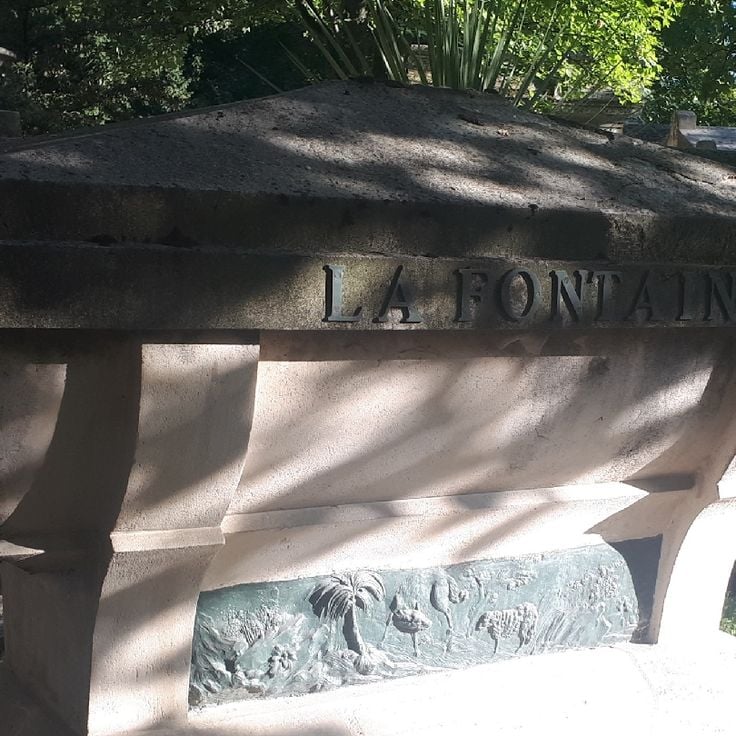
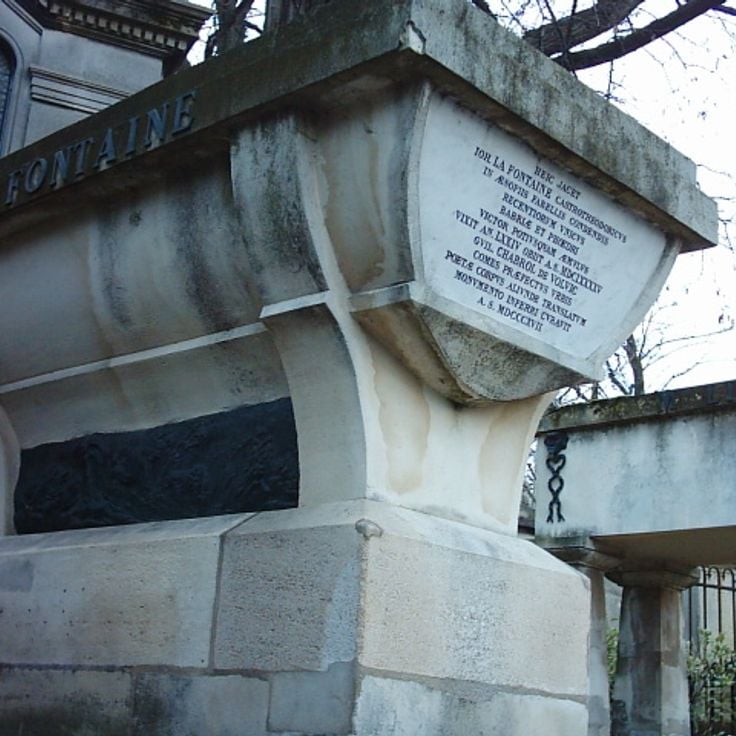
The tomb of Jean de La Fontaine is located in Père-Lachaise cemetery in Paris. La Fontaine was a French poet of the 17th century, remembered above all for his fables. His grave draws visitors who come to pay their respects to one of the most read writers in the French language.
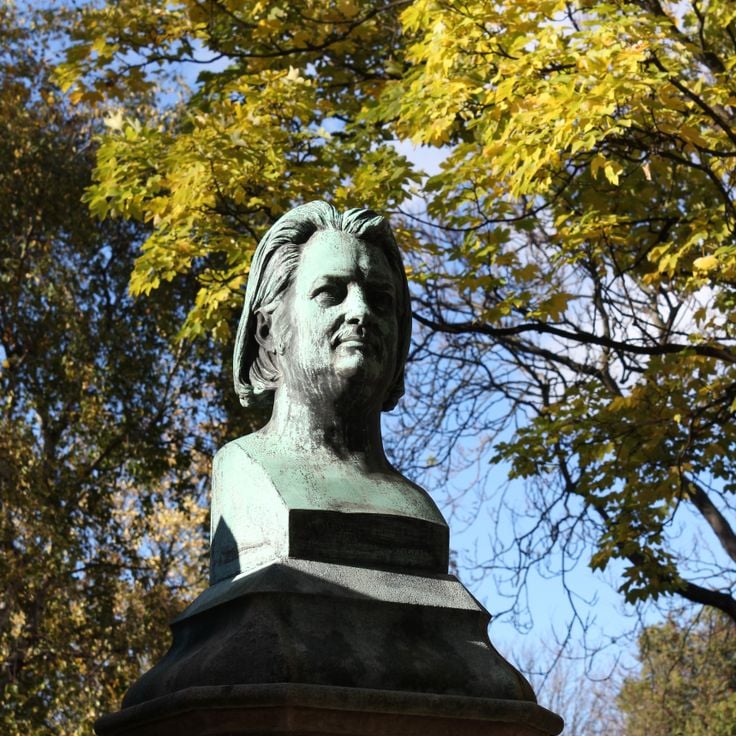
The grave of Honoré de Balzac is in the Père-Lachaise cemetery in Paris. Balzac was one of the most read French novelists of the 19th century, known above all for his cycle of novels called "La Comédie humaine", a vast portrait of French society under the Restoration and the July Monarchy. Many visitors come here to pay their respects to this writer who shaped modern literature.
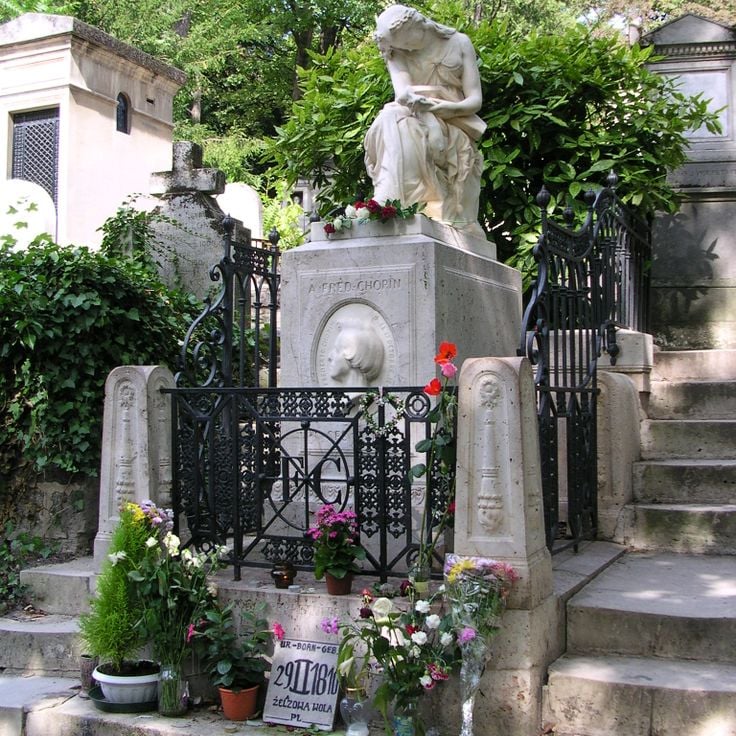
The tomb of Frédéric Chopin stands in the Père-Lachaise cemetery in Paris. The Polish composer spent much of his life in France, and visitors regularly come to pay their respects at his grave. Flowers and small mementos are often left there, a quiet tribute to the man who wrote so many nocturnes and preludes.
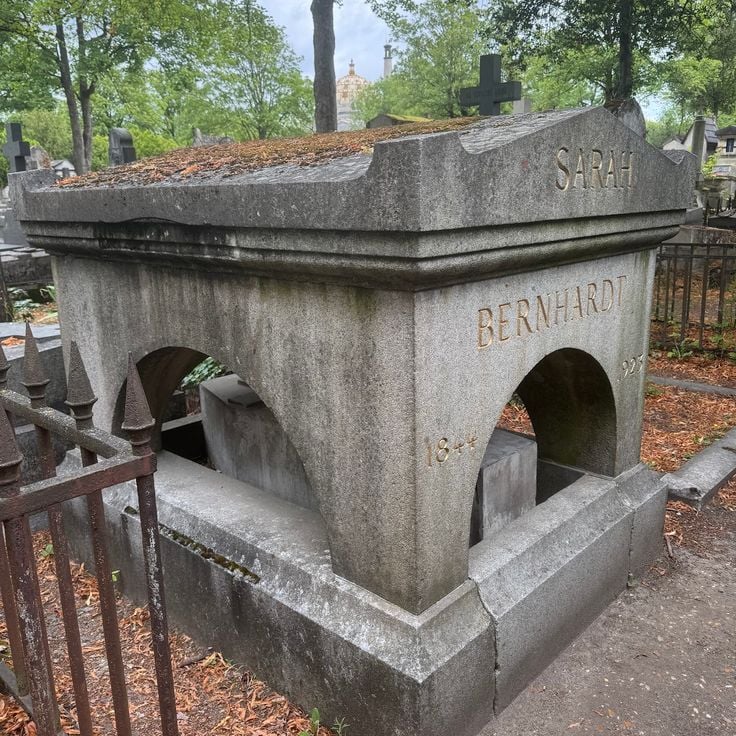
The tomb of Sarah Bernhardt stands in the Père-Lachaise cemetery in Paris. She was one of the most celebrated stage actresses of the 19th and early 20th centuries, known across Europe and America for her powerful performances. Her grave draws visitors who come to pay their respects to a figure who left a deep mark on the history of theater.
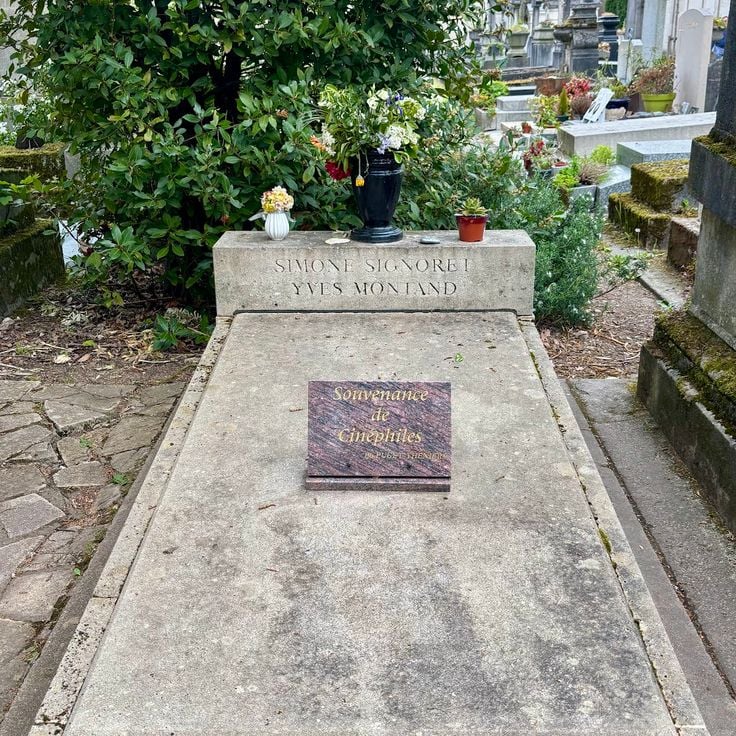
The grave of Simone Signoret is in the Père-Lachaise cemetery in Paris. The French actress, known for her roles in films like Casque d'Or and Les Diaboliques, rests here alongside her husband Yves Montand. Many visitors come to pay their respects at this simple grave.
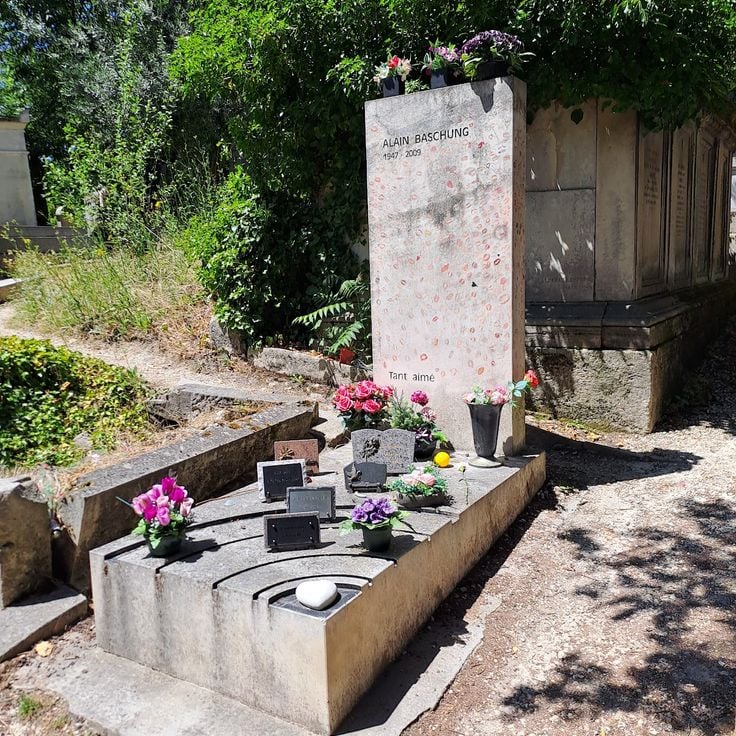
The grave of Alain Bashung lies in the Père-Lachaise cemetery in Paris. Bashung was one of the most influential French rock singers of his generation. He died in 2009 and was buried here. Many fans come to pay their respects at this simple, moving spot.
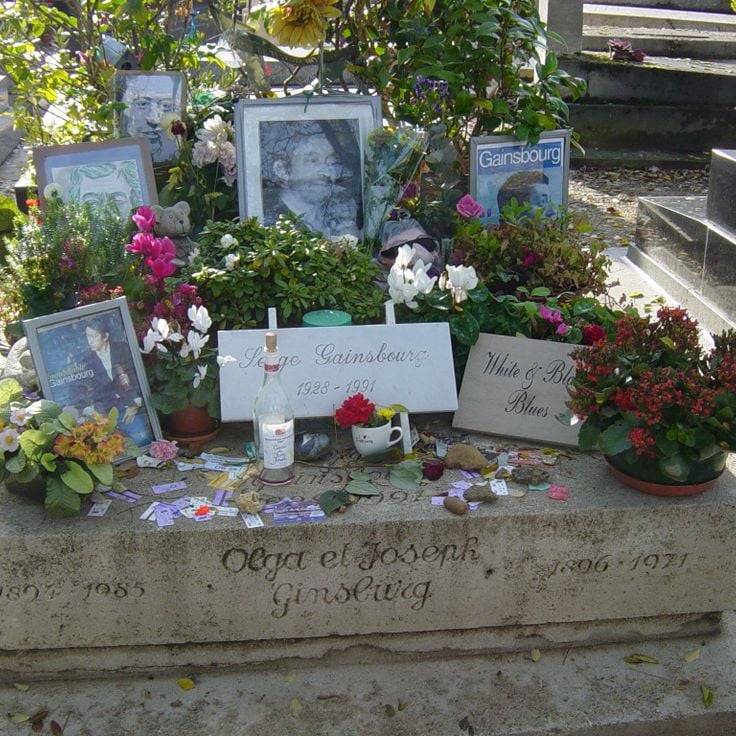
The tomb of Serge Gainsbourg is located in the Montparnasse Cemetery in Paris. Gainsbourg was one of the most celebrated French singers and composers of the 20th century. Fans regularly come here to leave flowers, cigarettes, and small personal objects on his gravestone. It is a gathering place for those who loved his work.
Charles Baudelaire's grave is in Montparnasse Cemetery in Paris. Baudelaire, the poet behind Les Fleurs du mal, died in 1867. His burial site draws many readers and admirers who come to pay their respects. The grave lies close to those of his mother and stepfather, General Aupick.
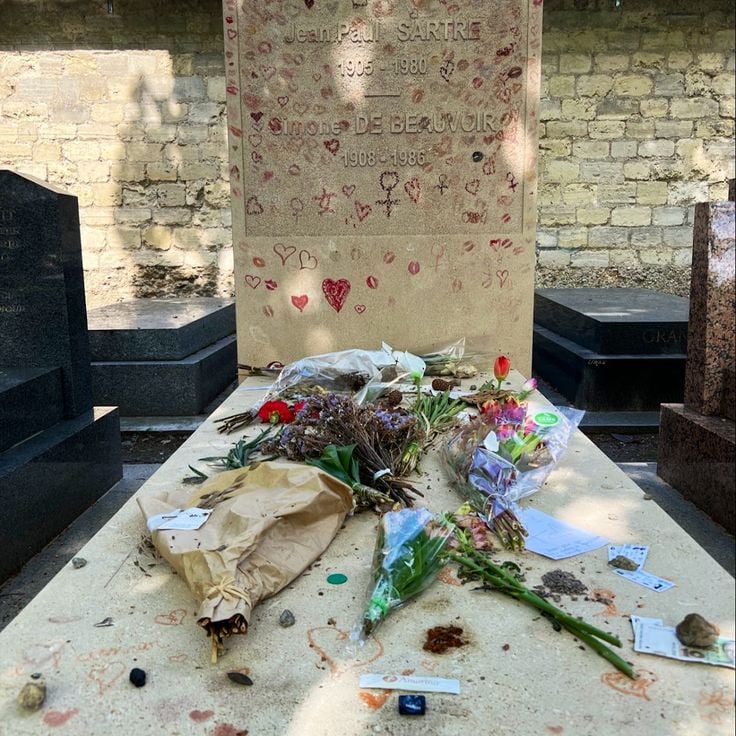
The grave of Jean-Paul Sartre and Simone de Beauvoir lies in the Montparnasse Cemetery in Paris. The two philosophers, who shaped 20th-century thought, rest side by side here. Many visitors come to pay their respects, often leaving small notes or flowers on the plain stone slab.
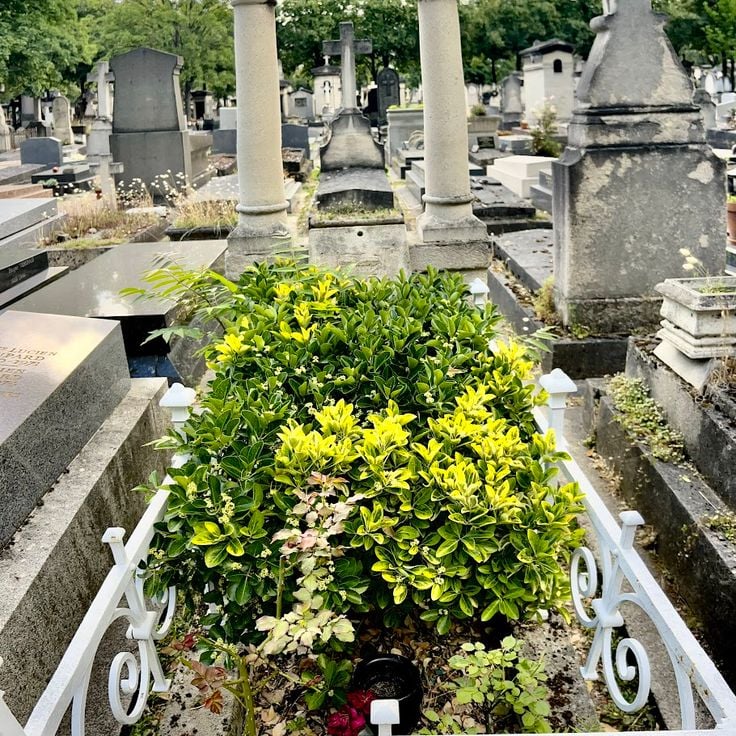
The grave of Guy de Maupassant is found in the Montparnasse Cemetery in Paris. Maupassant was one of the most celebrated French writers of the 19th century, known for his short stories and novels such as "Bel-Ami". The tombstone is simple and surrounded by greenery, yet many readers visit to pay their respects to this major figure in French literature.
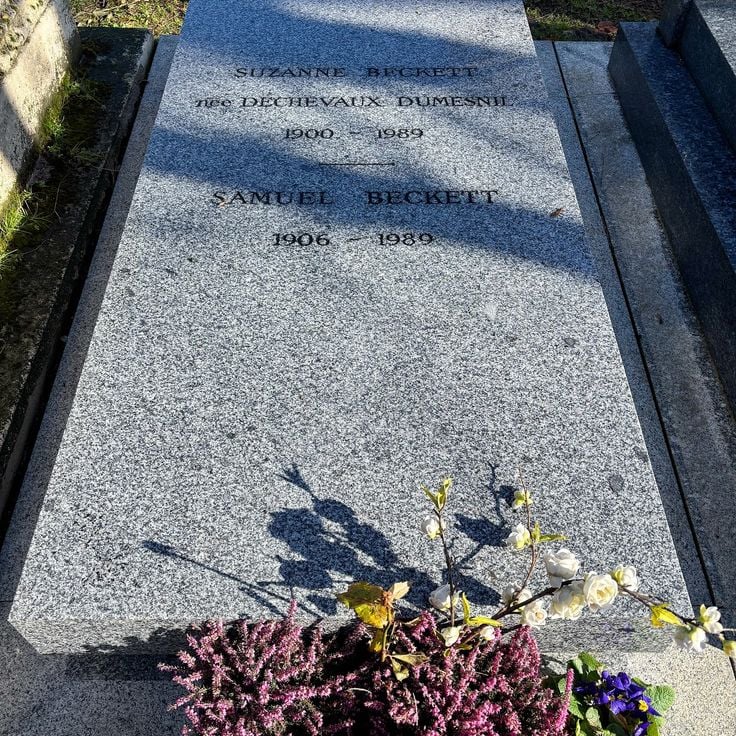
The grave of Samuel Beckett is located in Montparnasse Cemetery in Paris. Beckett was a writer and playwright, best known for "Waiting for Godot". He spent much of his life in France and often wrote in French. His grave is simple and plain, and draws visitors who admire his work.
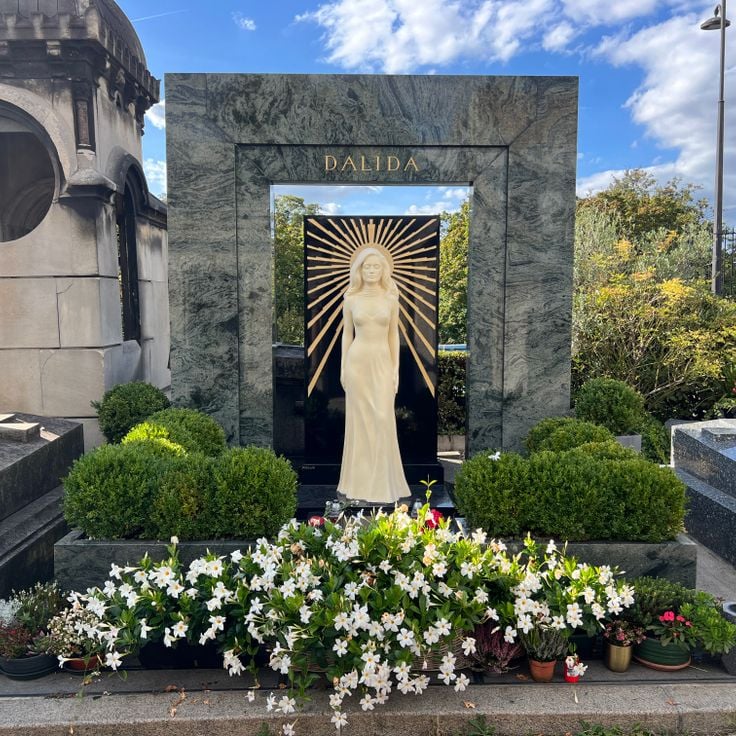
The tomb of Dalida stands in Montmartre Cemetery in Paris. The Egyptian-born French singer was one of the most beloved voices in French popular music. Her grave draws visitors from around the world who come to pay their respects to her memory.
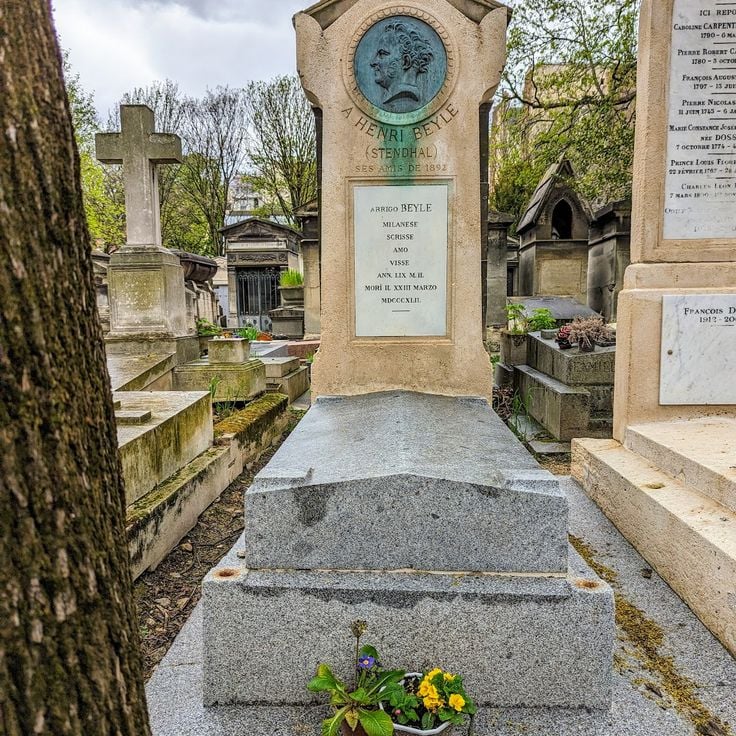
The tomb of Stendhal sits in Montmartre Cemetery in Paris. The writer, best known for his novels "Le Rouge et le Noir" and "La Chartreuse de Parme", died in 1842. His gravestone carries an inscription he wrote himself: "Arrigo Beyle, Milanese". Many visitors come here to pay their respects to one of the great figures of French literature.
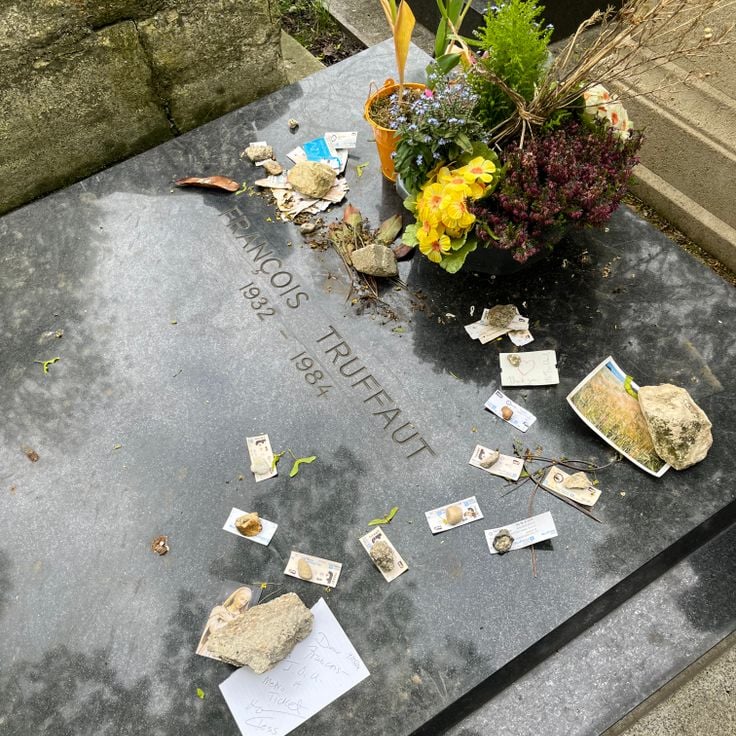
The grave of François Truffaut is found in Montmartre Cemetery in Paris. Truffaut was one of the leading directors of the French New Wave, a movement that reshaped cinema in the late 1950s and 1960s. Visitors who love film often stop here to pay their respects.
The grave of Jean-Paul Belmondo sits in the Montparnasse cemetery in Paris. Belmondo was one of the most recognized French actors of his generation, and his work in film during the 1960s and 1970s left a strong mark on French cinema. Many visitors come here to pay their respects.
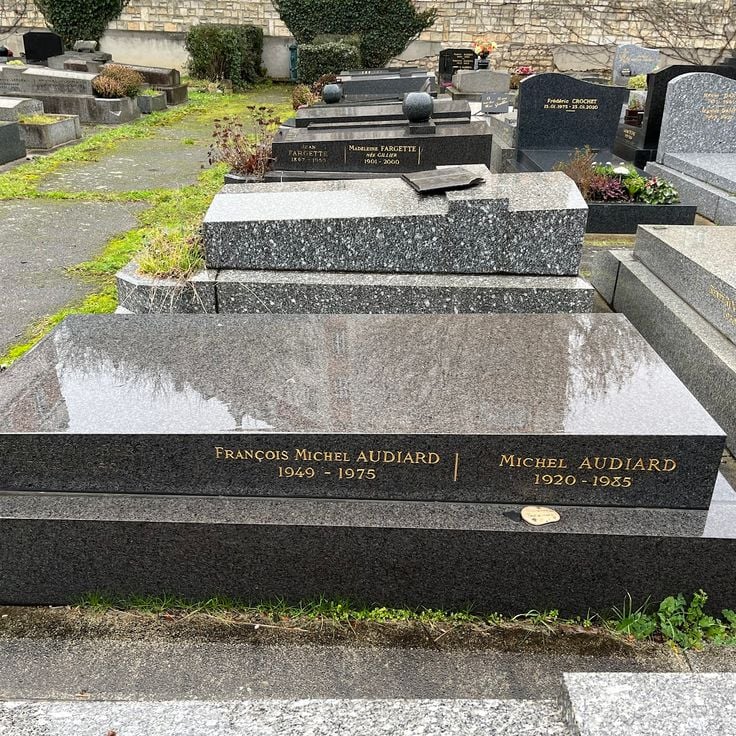
The grave of Michel Audiard is located in Dourdan, south of Paris. Audiard was one of the most celebrated screenwriters in French cinema, known for his sharp and witty dialogue that shaped dozens of films from the 1950s to the 1980s. People visit this grave to pay their respects to a man whose lines are still quoted in everyday French conversation.
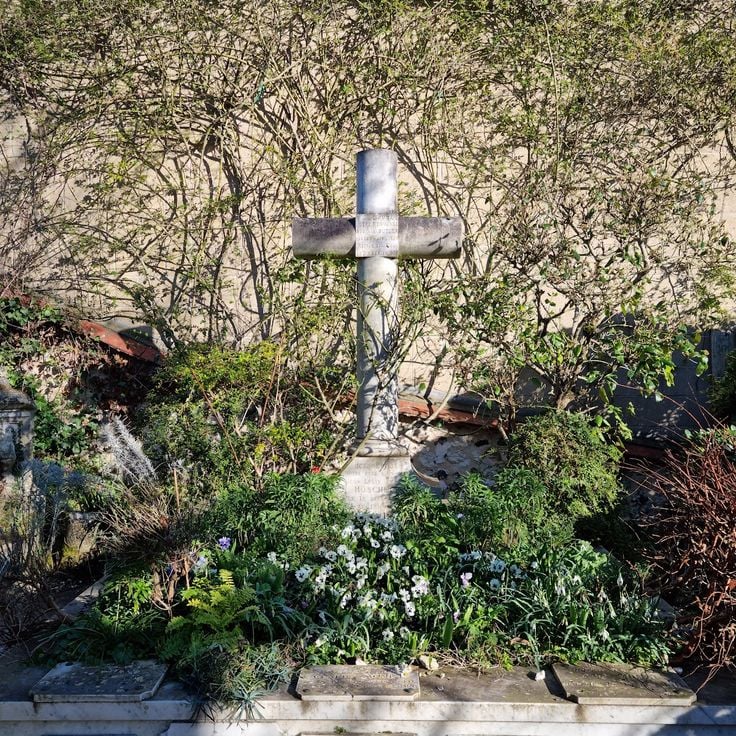
Claude Monet's grave is in the small churchyard of Saint-Radegonde church in Giverny, the village where he spent nearly half his life. The tomb is simple and sits close to the gardens he created and painted for decades. Visiting it feels like a natural extension of a walk through the surrounding countryside that inspired so much of his work.
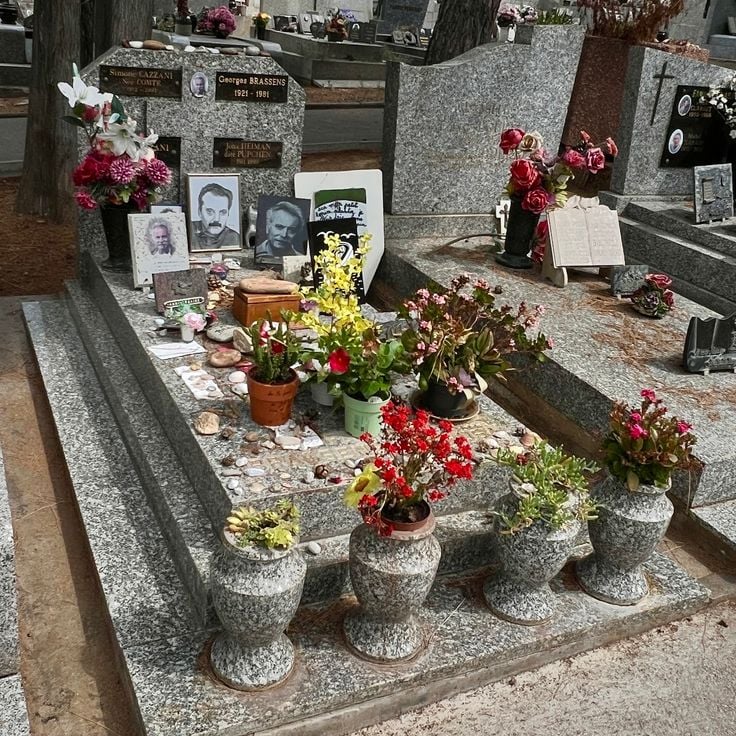
The grave of Georges Brassens is in Sète, the coastal town where he was born. Known for his sharp, poetic and often humorous songs, Brassens is buried at the Cimetière Le Py, a small cemetery by the sea. Fans and admirers come here to pay their respects and remember the man whose words and melodies left a deep mark on French song.
Paul Valéry was born in Sète and came back here to rest forever. His grave sits in the Cimetière marin, a hillside cemetery overlooking the sea that inspired one of his most celebrated poems. The setting is simple and open, and many readers come to pay their respects.
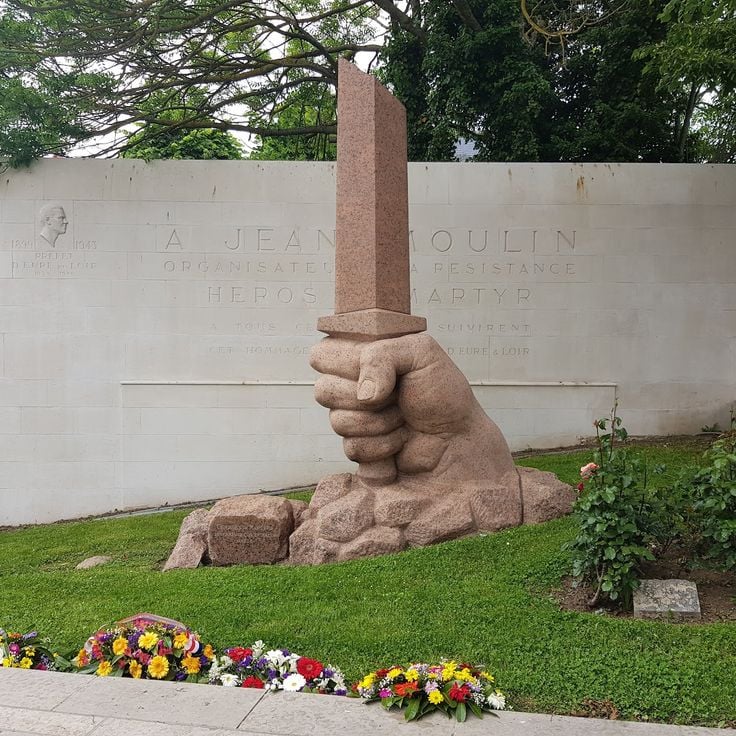
The grave of Jean Moulin is located in Chartres, a city closely tied to his life. Jean Moulin was a central figure of the French Resistance during World War II. Many people visit this site to pay their respects and remember the courage he showed in the face of the occupation.
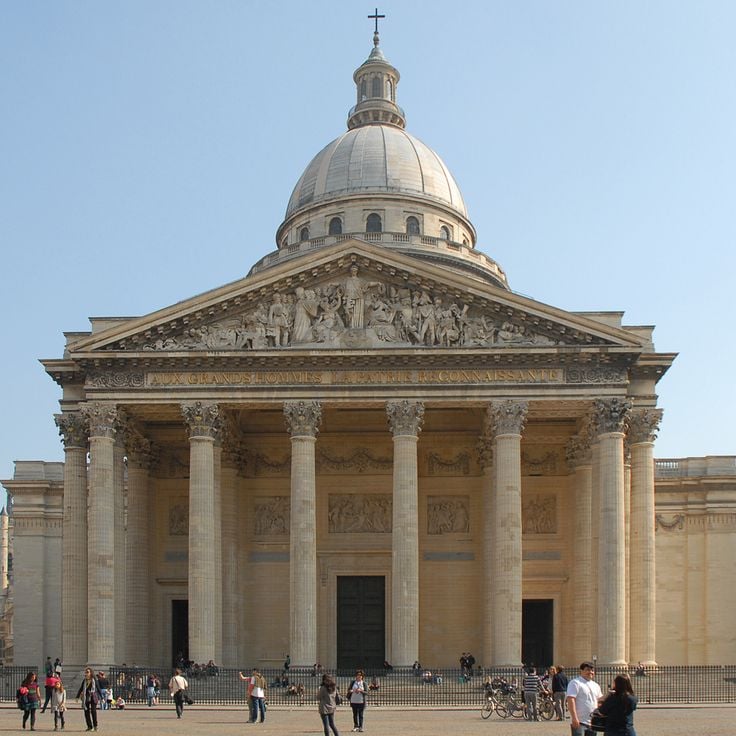
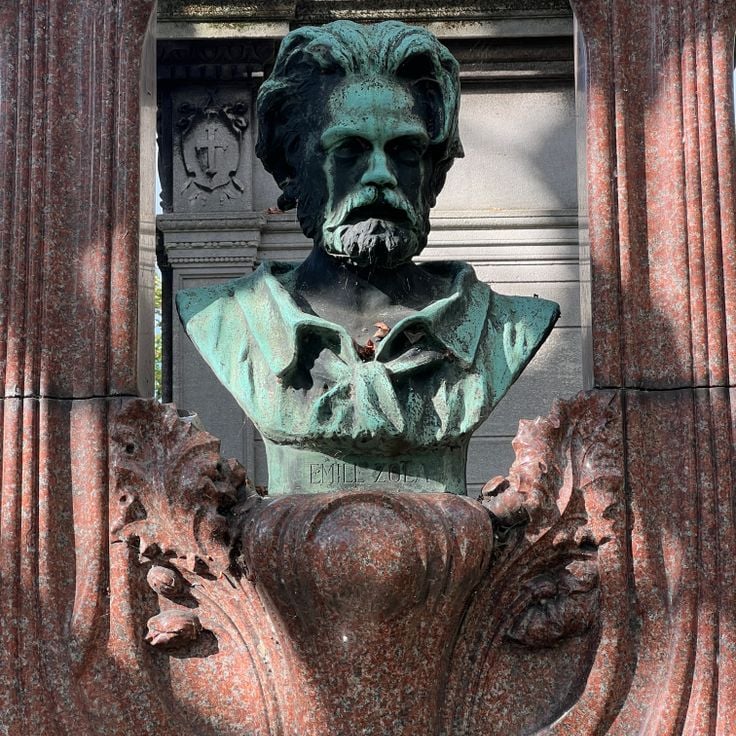
The Panthéon in Paris is the final resting place of some of France's greatest figures. Among them lies Émile Zola, one of the most celebrated writers of the 19th century, known for his novels and his open letter "J'accuse", in which he defended Alfred Dreyfus. His tomb draws many visitors who come to pay their respects to a man who shaped French literature and public life.
Victor Hugo, one of the most celebrated writers in French literature, is buried in the Panthéon in Paris. His tomb sits in the crypt, where he rests alongside other figures who shaped French history and culture. Visitors come here to pay their respects in a space that carries a strong sense of memory and history.
Oscar Wilde's tomb is in Père-Lachaise cemetery in Paris. The Irish writer and playwright died in the city in 1900. His grave is marked by a large stone block carved with a winged figure. Many visitors come here to pay their respects and leave a small tribute.
The grave of Jim Morrison, singer of The Doors, sits in the Père-Lachaise cemetery in Paris. It is one of the most visited spots in the entire cemetery. Fans travel from around the world to pay their respects, often leaving flowers, messages, or small objects on the stone.
The grave of Édith Piaf sits in the Père-Lachaise cemetery in Paris. The singer, known as the voice of French chanson, died in 1963. Her grave is one of the most visited on the entire cemetery grounds, and people regularly come to leave flowers and pay their respects.
The tomb of Molière is in the Père-Lachaise cemetery in Paris. Molière was a playwright and actor of the 17th century, known for comedies such as The Miser and The Imaginary Invalid. His work shaped French theater for centuries. Many visitors come to this spot to pay their respects to one of the great figures of French literature.
The tomb of Jean de La Fontaine is located in Père-Lachaise cemetery in Paris. La Fontaine was a French poet of the 17th century, remembered above all for his fables. His grave draws visitors who come to pay their respects to one of the most read writers in the French language.
The grave of Honoré de Balzac is in the Père-Lachaise cemetery in Paris. Balzac was one of the most read French novelists of the 19th century, known above all for his cycle of novels called "La Comédie humaine", a vast portrait of French society under the Restoration and the July Monarchy. Many visitors come here to pay their respects to this writer who shaped modern literature.
The tomb of Frédéric Chopin stands in the Père-Lachaise cemetery in Paris. The Polish composer spent much of his life in France, and visitors regularly come to pay their respects at his grave. Flowers and small mementos are often left there, a quiet tribute to the man who wrote so many nocturnes and preludes.
The tomb of Sarah Bernhardt stands in the Père-Lachaise cemetery in Paris. She was one of the most celebrated stage actresses of the 19th and early 20th centuries, known across Europe and America for her powerful performances. Her grave draws visitors who come to pay their respects to a figure who left a deep mark on the history of theater.
The grave of Simone Signoret is in the Père-Lachaise cemetery in Paris. The French actress, known for her roles in films like Casque d'Or and Les Diaboliques, rests here alongside her husband Yves Montand. Many visitors come to pay their respects at this simple grave.
The grave of Alain Bashung lies in the Père-Lachaise cemetery in Paris. Bashung was one of the most influential French rock singers of his generation. He died in 2009 and was buried here. Many fans come to pay their respects at this simple, moving spot.
The tomb of Serge Gainsbourg is located in the Montparnasse Cemetery in Paris. Gainsbourg was one of the most celebrated French singers and composers of the 20th century. Fans regularly come here to leave flowers, cigarettes, and small personal objects on his gravestone. It is a gathering place for those who loved his work.
Charles Baudelaire's grave is in Montparnasse Cemetery in Paris. Baudelaire, the poet behind Les Fleurs du mal, died in 1867. His burial site draws many readers and admirers who come to pay their respects. The grave lies close to those of his mother and stepfather, General Aupick.
The grave of Jean-Paul Sartre and Simone de Beauvoir lies in the Montparnasse Cemetery in Paris. The two philosophers, who shaped 20th-century thought, rest side by side here. Many visitors come to pay their respects, often leaving small notes or flowers on the plain stone slab.
The grave of Guy de Maupassant is found in the Montparnasse Cemetery in Paris. Maupassant was one of the most celebrated French writers of the 19th century, known for his short stories and novels such as "Bel-Ami". The tombstone is simple and surrounded by greenery, yet many readers visit to pay their respects to this major figure in French literature.
The grave of Samuel Beckett is located in Montparnasse Cemetery in Paris. Beckett was a writer and playwright, best known for "Waiting for Godot". He spent much of his life in France and often wrote in French. His grave is simple and plain, and draws visitors who admire his work.
The tomb of Dalida stands in Montmartre Cemetery in Paris. The Egyptian-born French singer was one of the most beloved voices in French popular music. Her grave draws visitors from around the world who come to pay their respects to her memory.
The tomb of Stendhal sits in Montmartre Cemetery in Paris. The writer, best known for his novels "Le Rouge et le Noir" and "La Chartreuse de Parme", died in 1842. His gravestone carries an inscription he wrote himself: "Arrigo Beyle, Milanese". Many visitors come here to pay their respects to one of the great figures of French literature.
The grave of François Truffaut is found in Montmartre Cemetery in Paris. Truffaut was one of the leading directors of the French New Wave, a movement that reshaped cinema in the late 1950s and 1960s. Visitors who love film often stop here to pay their respects.
The grave of Jean-Paul Belmondo sits in the Montparnasse cemetery in Paris. Belmondo was one of the most recognized French actors of his generation, and his work in film during the 1960s and 1970s left a strong mark on French cinema. Many visitors come here to pay their respects.
The grave of Michel Audiard is located in Dourdan, south of Paris. Audiard was one of the most celebrated screenwriters in French cinema, known for his sharp and witty dialogue that shaped dozens of films from the 1950s to the 1980s. People visit this grave to pay their respects to a man whose lines are still quoted in everyday French conversation.
Claude Monet's grave is in the small churchyard of Saint-Radegonde church in Giverny, the village where he spent nearly half his life. The tomb is simple and sits close to the gardens he created and painted for decades. Visiting it feels like a natural extension of a walk through the surrounding countryside that inspired so much of his work.
The grave of Georges Brassens is in Sète, the coastal town where he was born. Known for his sharp, poetic and often humorous songs, Brassens is buried at the Cimetière Le Py, a small cemetery by the sea. Fans and admirers come here to pay their respects and remember the man whose words and melodies left a deep mark on French song.
Paul Valéry was born in Sète and came back here to rest forever. His grave sits in the Cimetière marin, a hillside cemetery overlooking the sea that inspired one of his most celebrated poems. The setting is simple and open, and many readers come to pay their respects.
The grave of Jean Moulin is located in Chartres, a city closely tied to his life. Jean Moulin was a central figure of the French Resistance during World War II. Many people visit this site to pay their respects and remember the courage he showed in the face of the occupation.
The Panthéon in Paris is the final resting place of some of France's greatest figures. Among them lies Émile Zola, one of the most celebrated writers of the 19th century, known for his novels and his open letter "J'accuse", in which he defended Alfred Dreyfus. His tomb draws many visitors who come to pay their respects to a man who shaped French literature and public life.
Victor Hugo, one of the most celebrated writers in French literature, is buried in the Panthéon in Paris. His tomb sits in the crypt, where he rests alongside other figures who shaped French history and culture. Visitors come here to pay their respects in a space that carries a strong sense of memory and history.
Oscar Wilde's tomb is in Père-Lachaise cemetery in Paris. The Irish writer and playwright died in the city in 1900. His grave is marked by a large stone block carved with a winged figure. Many visitors come here to pay their respects and leave a small tribute.
The grave of Jim Morrison, singer of The Doors, sits in the Père-Lachaise cemetery in Paris. It is one of the most visited spots in the entire cemetery. Fans travel from around the world to pay their respects, often leaving flowers, messages, or small objects on the stone.
The grave of Édith Piaf sits in the Père-Lachaise cemetery in Paris. The singer, known as the voice of French chanson, died in 1963. Her grave is one of the most visited on the entire cemetery grounds, and people regularly come to leave flowers and pay their respects.
The tomb of Molière is in the Père-Lachaise cemetery in Paris. Molière was a playwright and actor of the 17th century, known for comedies such as The Miser and The Imaginary Invalid. His work shaped French theater for centuries. Many visitors come to this spot to pay their respects to one of the great figures of French literature.
The tomb of Jean de La Fontaine is located in Père-Lachaise cemetery in Paris. La Fontaine was a French poet of the 17th century, remembered above all for his fables. His grave draws visitors who come to pay their respects to one of the most read writers in the French language.
The grave of Honoré de Balzac is in the Père-Lachaise cemetery in Paris. Balzac was one of the most read French novelists of the 19th century, known above all for his cycle of novels called "La Comédie humaine", a vast portrait of French society under the Restoration and the July Monarchy. Many visitors come here to pay their respects to this writer who shaped modern literature.
The tomb of Frédéric Chopin stands in the Père-Lachaise cemetery in Paris. The Polish composer spent much of his life in France, and visitors regularly come to pay their respects at his grave. Flowers and small mementos are often left there, a quiet tribute to the man who wrote so many nocturnes and preludes.
The tomb of Sarah Bernhardt stands in the Père-Lachaise cemetery in Paris. She was one of the most celebrated stage actresses of the 19th and early 20th centuries, known across Europe and America for her powerful performances. Her grave draws visitors who come to pay their respects to a figure who left a deep mark on the history of theater.
The grave of Simone Signoret is in the Père-Lachaise cemetery in Paris. The French actress, known for her roles in films like Casque d'Or and Les Diaboliques, rests here alongside her husband Yves Montand. Many visitors come to pay their respects at this simple grave.
The grave of Alain Bashung lies in the Père-Lachaise cemetery in Paris. Bashung was one of the most influential French rock singers of his generation. He died in 2009 and was buried here. Many fans come to pay their respects at this simple, moving spot.
The tomb of Serge Gainsbourg is located in the Montparnasse Cemetery in Paris. Gainsbourg was one of the most celebrated French singers and composers of the 20th century. Fans regularly come here to leave flowers, cigarettes, and small personal objects on his gravestone. It is a gathering place for those who loved his work.
Charles Baudelaire's grave is in Montparnasse Cemetery in Paris. Baudelaire, the poet behind Les Fleurs du mal, died in 1867. His burial site draws many readers and admirers who come to pay their respects. The grave lies close to those of his mother and stepfather, General Aupick.
The grave of Jean-Paul Sartre and Simone de Beauvoir lies in the Montparnasse Cemetery in Paris. The two philosophers, who shaped 20th-century thought, rest side by side here. Many visitors come to pay their respects, often leaving small notes or flowers on the plain stone slab.
The grave of Guy de Maupassant is found in the Montparnasse Cemetery in Paris. Maupassant was one of the most celebrated French writers of the 19th century, known for his short stories and novels such as "Bel-Ami". The tombstone is simple and surrounded by greenery, yet many readers visit to pay their respects to this major figure in French literature.
The grave of Samuel Beckett is located in Montparnasse Cemetery in Paris. Beckett was a writer and playwright, best known for "Waiting for Godot". He spent much of his life in France and often wrote in French. His grave is simple and plain, and draws visitors who admire his work.
The tomb of Dalida stands in Montmartre Cemetery in Paris. The Egyptian-born French singer was one of the most beloved voices in French popular music. Her grave draws visitors from around the world who come to pay their respects to her memory.
The tomb of Stendhal sits in Montmartre Cemetery in Paris. The writer, best known for his novels "Le Rouge et le Noir" and "La Chartreuse de Parme", died in 1842. His gravestone carries an inscription he wrote himself: "Arrigo Beyle, Milanese". Many visitors come here to pay their respects to one of the great figures of French literature.
The grave of François Truffaut is found in Montmartre Cemetery in Paris. Truffaut was one of the leading directors of the French New Wave, a movement that reshaped cinema in the late 1950s and 1960s. Visitors who love film often stop here to pay their respects.
The grave of Jean-Paul Belmondo sits in the Montparnasse cemetery in Paris. Belmondo was one of the most recognized French actors of his generation, and his work in film during the 1960s and 1970s left a strong mark on French cinema. Many visitors come here to pay their respects.
The grave of Michel Audiard is located in Dourdan, south of Paris. Audiard was one of the most celebrated screenwriters in French cinema, known for his sharp and witty dialogue that shaped dozens of films from the 1950s to the 1980s. People visit this grave to pay their respects to a man whose lines are still quoted in everyday French conversation.
Claude Monet's grave is in the small churchyard of Saint-Radegonde church in Giverny, the village where he spent nearly half his life. The tomb is simple and sits close to the gardens he created and painted for decades. Visiting it feels like a natural extension of a walk through the surrounding countryside that inspired so much of his work.
The grave of Georges Brassens is in Sète, the coastal town where he was born. Known for his sharp, poetic and often humorous songs, Brassens is buried at the Cimetière Le Py, a small cemetery by the sea. Fans and admirers come here to pay their respects and remember the man whose words and melodies left a deep mark on French song.
Paul Valéry was born in Sète and came back here to rest forever. His grave sits in the Cimetière marin, a hillside cemetery overlooking the sea that inspired one of his most celebrated poems. The setting is simple and open, and many readers come to pay their respects.
The grave of Jean Moulin is located in Chartres, a city closely tied to his life. Jean Moulin was a central figure of the French Resistance during World War II. Many people visit this site to pay their respects and remember the courage he showed in the face of the occupation.
The Panthéon in Paris is the final resting place of some of France's greatest figures. Among them lies Émile Zola, one of the most celebrated writers of the 19th century, known for his novels and his open letter "J'accuse", in which he defended Alfred Dreyfus. His tomb draws many visitors who come to pay their respects to a man who shaped French literature and public life.
Victor Hugo, one of the most celebrated writers in French literature, is buried in the Panthéon in Paris. His tomb sits in the crypt, where he rests alongside other figures who shaped French history and culture. Visitors come here to pay their respects in a space that carries a strong sense of memory and history.
These graves tell the story of France through its most famous creators. Walking among the tombs, you see how these artists shaped the country's culture. It is a quiet but strong way to learn.